






Metal Column Table Lamp
These metal column table lamps bring sturdy classical presence and warm task light to a room, making them a mainstay of period interiors.
Metal Column Table Lamp
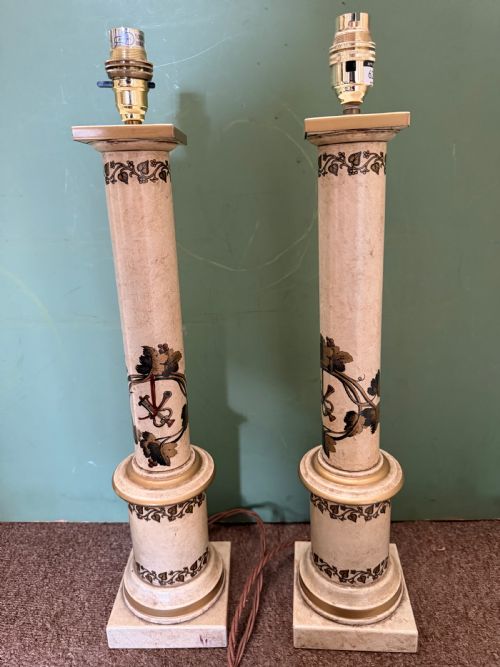
A metal column table lamp draws on classical architecture, taking the form of a fluted or smooth pillar set upon a stepped base. These pieces function primarily as desk or table lighting, combining structural weight with upright proportions.
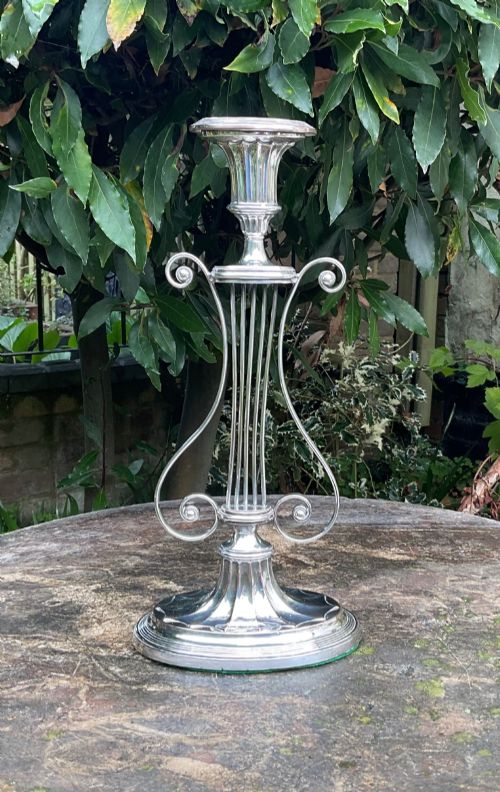
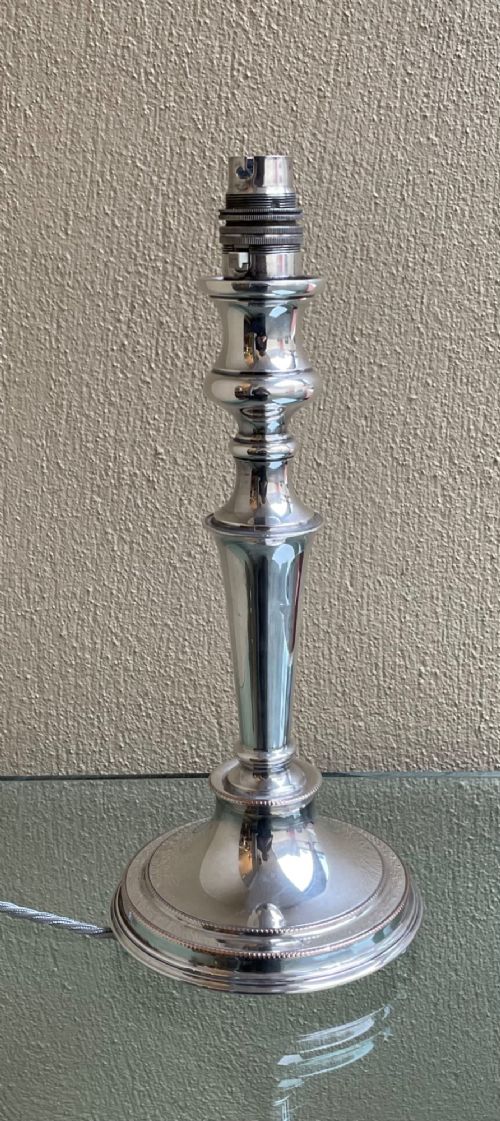
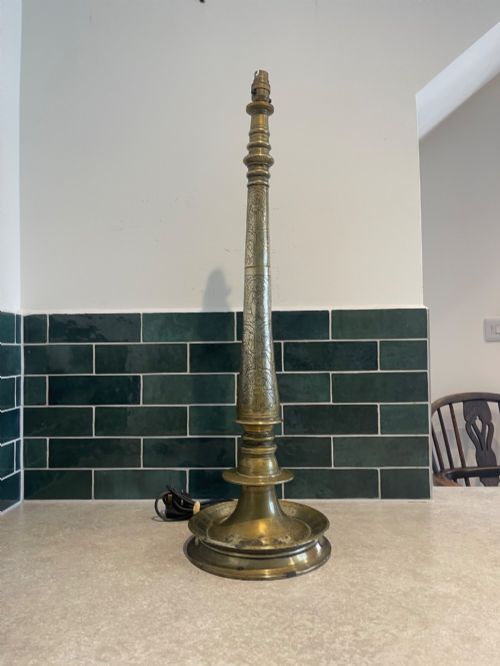
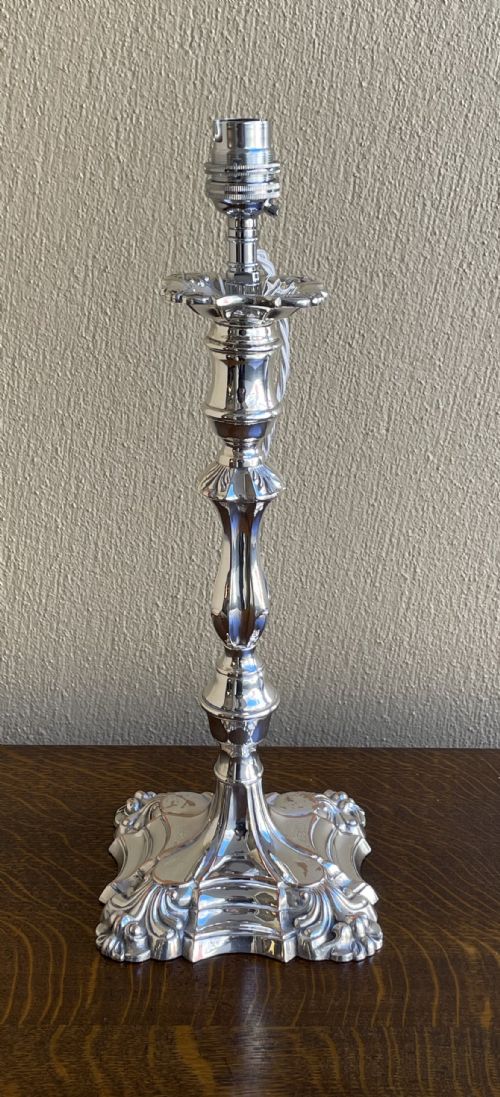
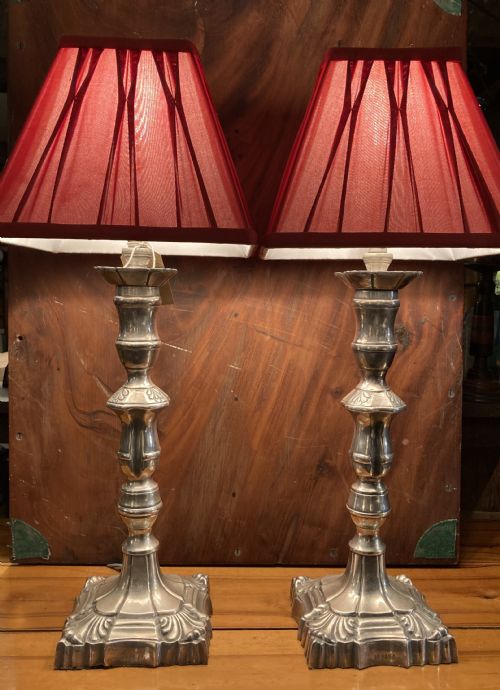
The versions most commonly met here span from the nineteenth century through the Edwardian era and into the Art Deco period. Makers utilised brass, bronze, silver plate, and toleware to construct these upright forms, often pairing them with fabric shades.
Materials and construction
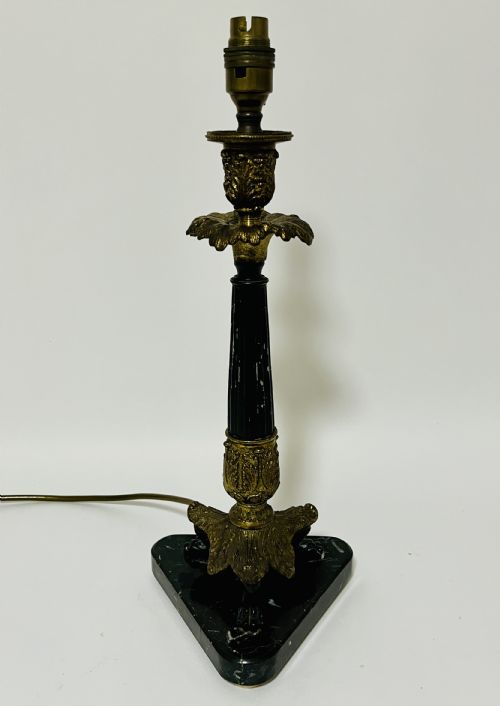
Foundry work and metal casting define these pieces, utilising solid brass, bronze, and gilt metal shaped into classical column shafts. Patinated copper and silver plating provide distinct surface finishes that catch the light.
Marble bases frequently anchor the heavier metal shafts, adding ballast and tonal contrast. Secondary materials such as toleware and macassar wood introduce varied textures to the shades and bodies.
Metal Column Table Lamp Retail Price Guide 2026
Typical asking prices for metal column table lamp among the pieces listed under this phrase on Sellingantiques today, from the lower quarter to the upper quarter. They describe what is for sale here now, not the wider market.
Some heavy columns double as impromptu paperweights when the desk gets cluttered.
Evaluating quality and execution
Crispness of cast detail separates superior examples from simpler production, particularly in the rendering of capitals and fluted shafts. Heavier gauge metal and substantial marble plinths indicate sturdier construction and better balance.
Depth of original patination and the quality of silver plating dictate the visual success of the piece over time. Finer specimens maintain integrated proportions where the column shaft and base harmonize without awkward transitions.
The Metal Column Table Lamp Glossary
- Corinthian column
- A classical architectural order featuring an ornate capital decorated with acanthus leaves. This motif appears frequently on nineteenth-century brass lamp shafts.
- Ormolu
- Finely ground high-carat gold mercury-gilded to bronze. It provides a rich, durable surface finish on French Empire examples.
- Toleware
- Painted or lacquered tin-plate metal used for lamp bodies and shades. It often arrives in black with decorative trim.
- Amsterdam School
- An early twentieth-century architectural and design movement known for expressive brickwork and dynamic metalwork. Pieces from this tradition utilise contrasting metals like brass and patinated copper.
- Patinated copper
- Copper that has undergone chemical treatment to create a stable surface colour. It adds dark, tonal depth to early twentieth-century designs.
Metal Column Table Lamp: Frequently Asked Questions
Are these lamps safe for modern wiring?
Many older pieces retain original fittings that may not meet current electrical standards. A qualified electrician can easily rewire the interior channel while preserving the exterior metal components.
Retaining the original switch placement helps maintain the historical integrity of the piece. Modern safety sleeves can be added inside old sockets during restoration.
How do I identify French Empire style?
French Empire pieces draw heavily on classical antiquity, displaying formal symmetry, bronze or ormolu mounts, and architectural column shafts. They often incorporate dark patinated bronze contrasted against gilt metal details.
Marble bases are another common feature of this tradition, providing a heavy foundation for the upright metal shaft.
Where should I place a tall column lamp?
Their vertical proportions make these lamps ideal for corner tables, heavy sideboards, or large desks where they provide substantial illumination. Ensure the surface is sturdy enough to support the combined weight of metal and marble.
Keep them away from damp areas to protect the metal finishes and any integrated fabric or wood components.