



Metal Candle Fixture
A metal candle fixture brings immediate warmth to a room, offering historic character through forged iron, gleaming brass and cascading crystal.
Metal Candle Fixture
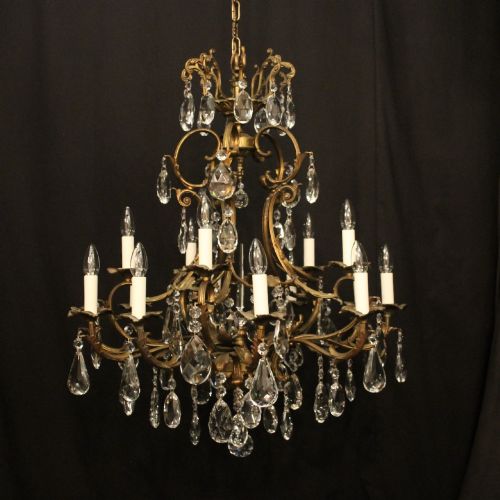
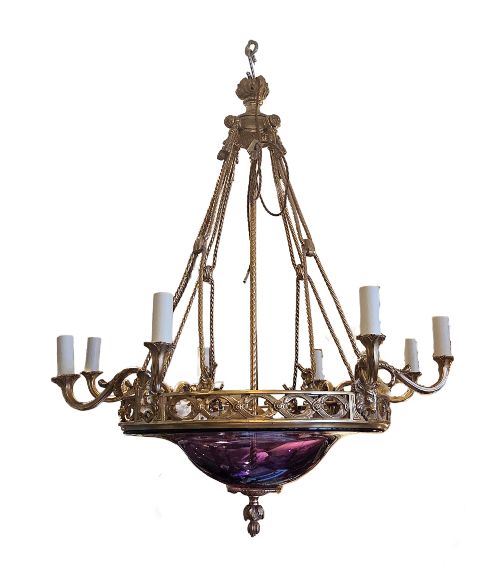
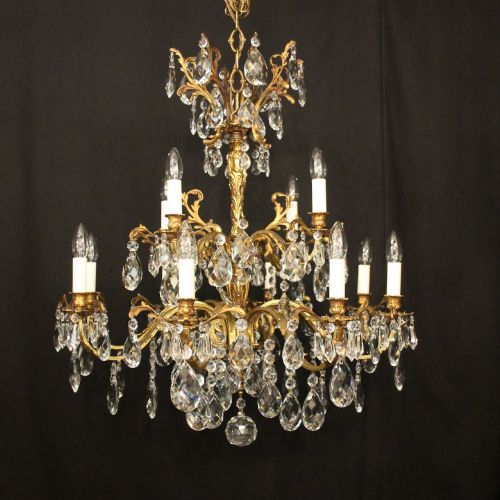
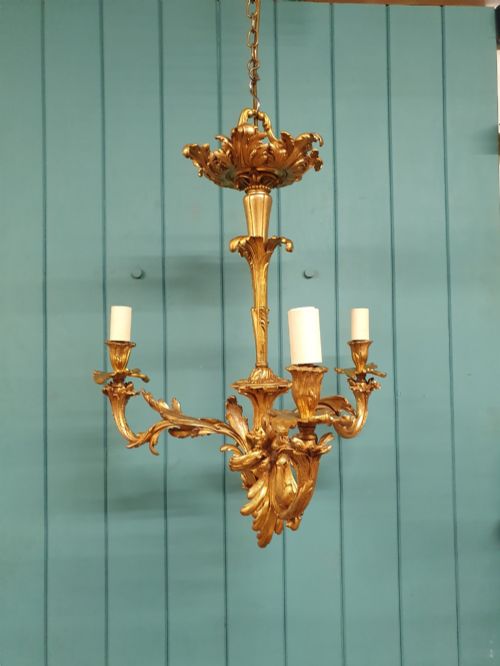
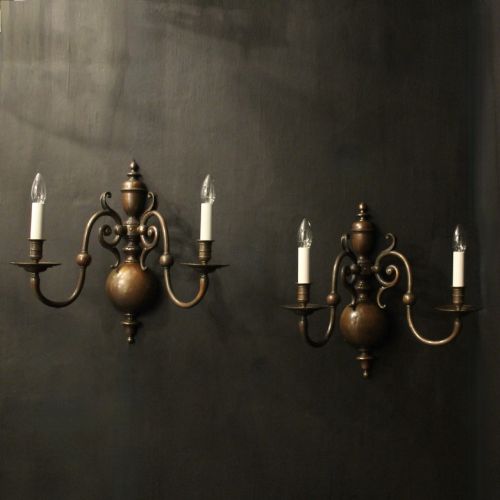
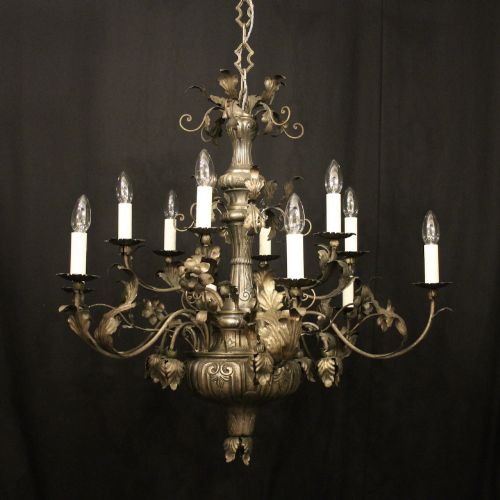
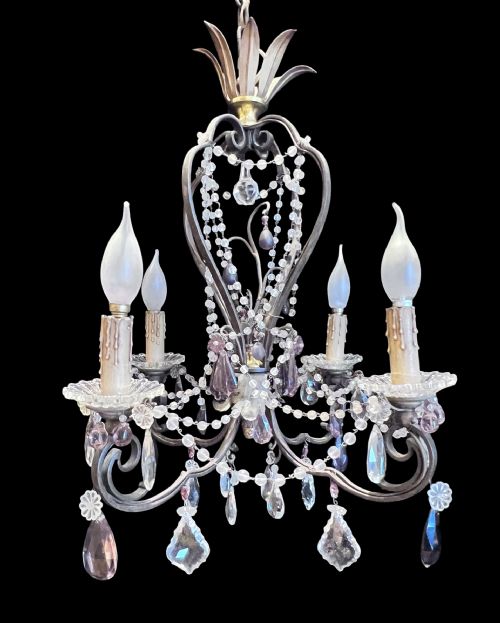
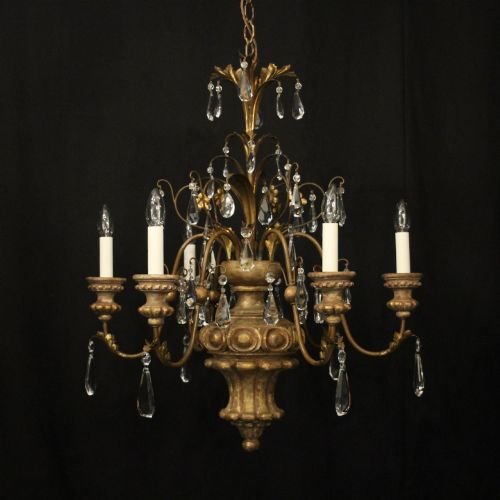
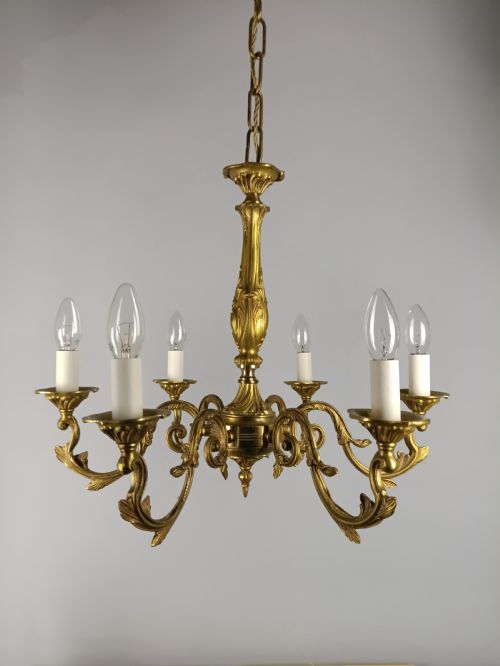
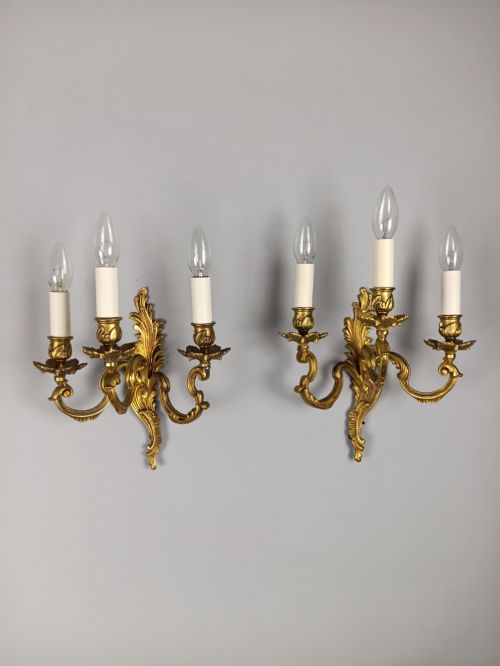
A metal candle fixture encompasses multi-arm chandeliers, wall lights and sconces designed to hold multiple candles or their electric equivalents. These pieces emerge predominantly from French and Italian workshops across the nineteenth and twentieth centuries.
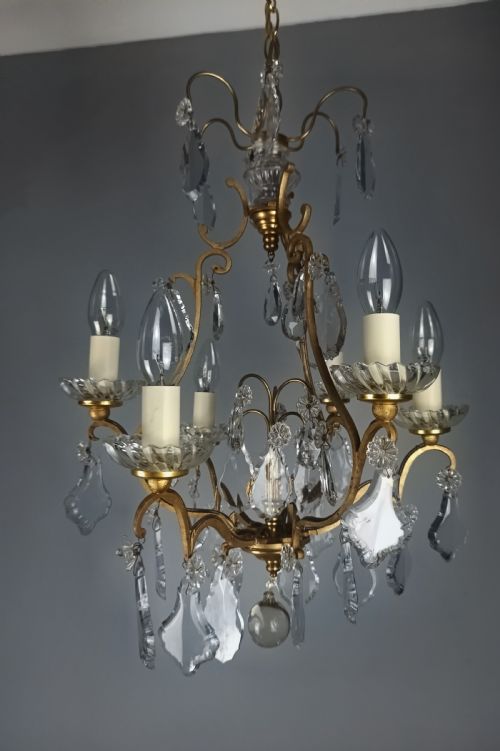
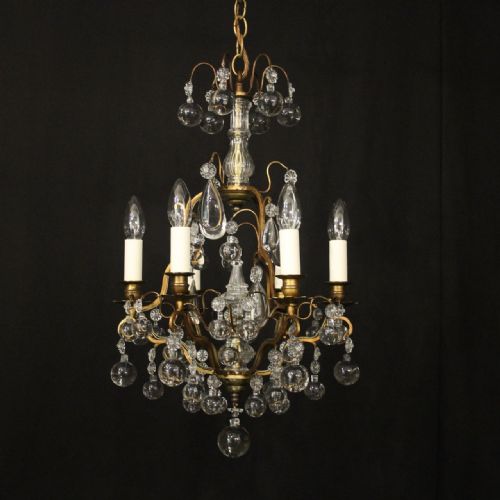
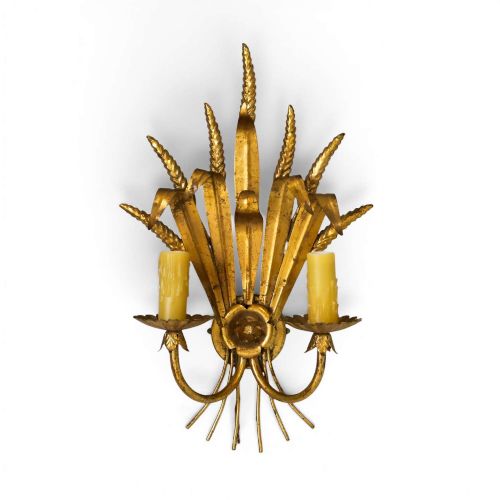
Forms stretch from grand twelve-light fixtures down to intimate twin-armed wall sconces and lanterns. Many incorporate glass drops, crystal teardrops or toleware elements to diffuse the illumination.
How they were made
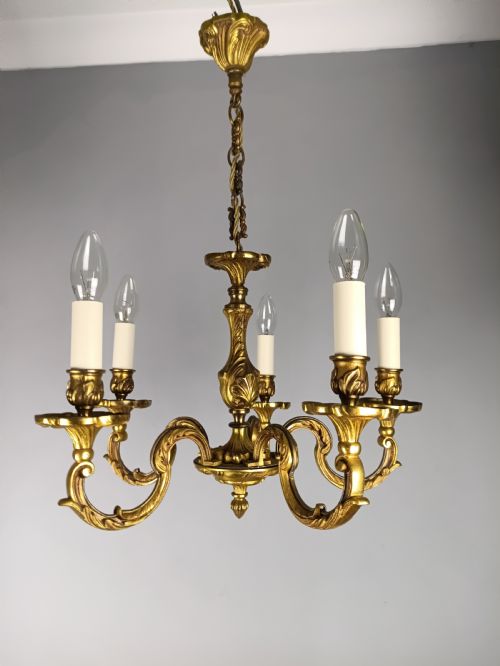
Manufacturers utilised cast metals such as bronze, brass and iron to form the structural arms and backplates of each metal candle fixture. Gilded finishes, silver plating and ormolu applications provided a reflective surface to amplify the candlelight.
Crystal and glass components, including teardrops and beaded strands, were wired or pinned directly to the metal frames to catch and scatter the light. Wrought steel and toleware appeared in specific regional designs, particularly within French lanterns and bouillotte lights.
Metal Candle Fixture Retail Price Guide 2026
Typical asking prices for metal candle fixture among the pieces listed under this phrase on Sellingantiques today, from the lower quarter to the upper quarter. They describe what is for sale here now, not the wider market.
What varies in quality
Quality rests in the crispness of the metal casting and the depth of the original gilding or silver application. Finer fixtures exhibit sharply detailed ornamentation, such as cast ram's head masks or intricate Rococo scrolls, rather than softened contours.
The integrity of the hanging elements also separates standard pieces from superior examples. Hand-cut crystal drops and complete, matching glass components demonstrate a higher level of original craftsmanship than replacement glass.
G.E.C
The Metal Candle Fixture Glossary
- Gilt bronze
- Bronze that has been coated with a thin layer of gold leaf or gold paint. This finish provides a durable, warm metallic sheen.
- Toleware
- Painted or lacquered sheet metal, frequently utilised for shades and backplates on provincial wall lights. It often appears in green or dark tones.
- Wall sconce
- A light fixture fixed to a wall that projects outward to hold candles or bulbs. These items often feature decorative backplates and multiple arms.
- Ormolu
- Finely chased and gilt-gilded brass or bronze applied to furniture and light fittings. The technique creates a bright, rich golden appearance.
- Birdcage chandelier
- A chandelier style featuring an open metal framework shaped like a birdcage. Crystal strands and drops are typically draped around this central cage.
Metal Candle Fixture: Frequently Asked Questions
How do I clean an antique chandelier?
Dust the metal and crystal components gently using a soft, dry brush or microfibre cloth to prevent accumulation. For a deeper clean, apply a mild soapy solution to a cloth rather than spraying liquid directly onto the frame.
Take care around historic wiring and delicate crystal drops to avoid loosening the pins. Dry each piece thoroughly before allowing the fixture to hang undisturbed.
Were these fixtures electrified later?
Many period chandeliers and wall lights originate from an era of transition between candlelight and electricity. Consequently, numerous surviving pieces have been adapted to accept electric bulbs while retaining their original metal frames.
Some listings note explicit electric conversions or mid-century wiring. Buyers should inspect the internal fittings to confirm whether the current setup matches their domestic requirements.
How do I identify French styles?
French lighting designs often incorporate specific decorative motifs associated with distinct historical periods. Rococo pieces display asymmetric scrolls and naturalistic plant forms, while Louis XVI styles favour symmetrical neoclassical geometry.
Gilded bronze, crystal drops and ornate backplates frequently characterise these continental pieces. Comparing the decorative hardware helps distinguish French manufacture from English or Italian alternatives.