



Metal Bedside Tables
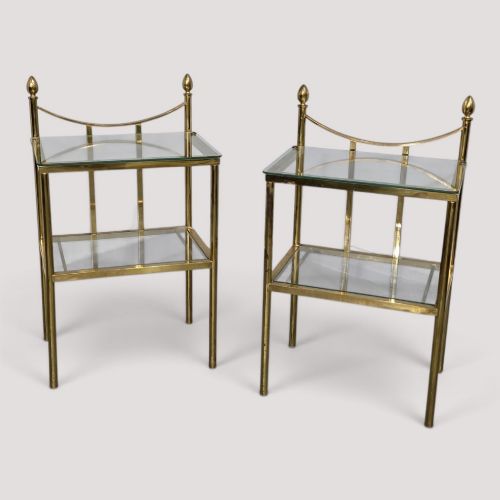
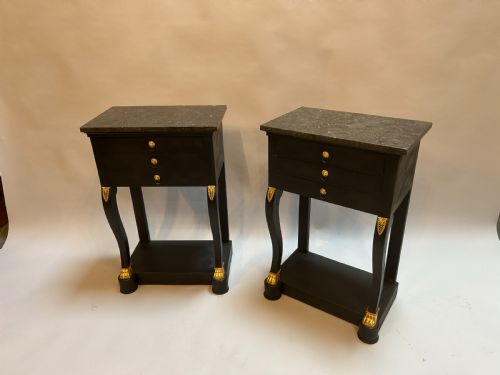
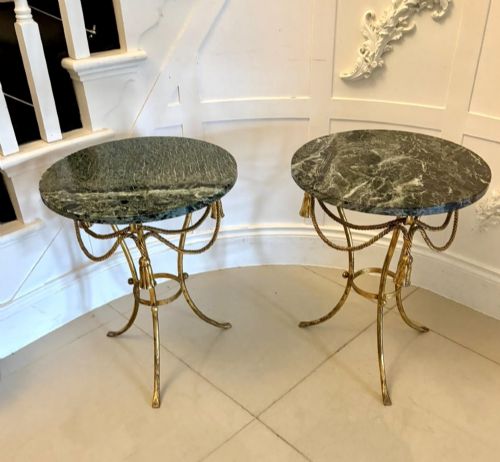
Metal bedside tables emerge in various forms here, spanning lighting and occasional surfaces from the nineteenth century onward.
Metal Bedside Tables
Metal bedside tables and related lighting fixtures encompass diverse forms from the nineteenth century through the mid-twentieth century.
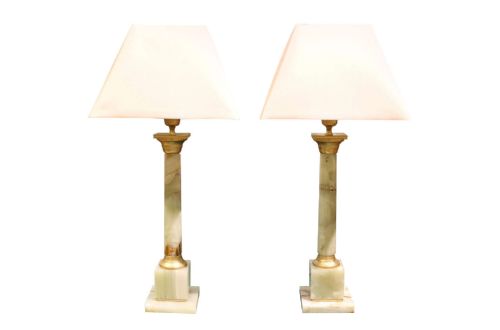
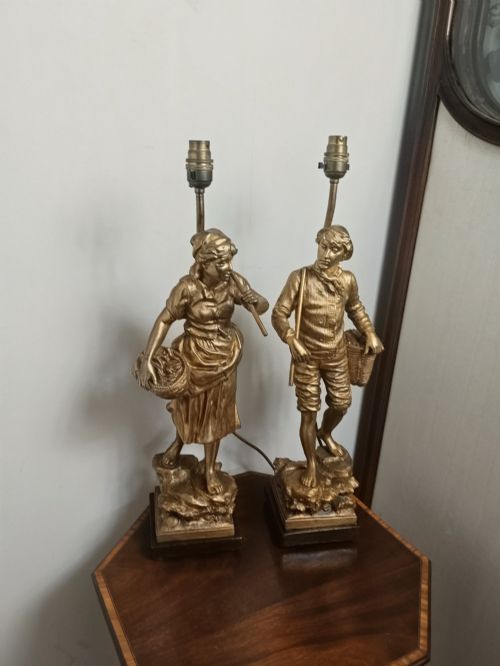
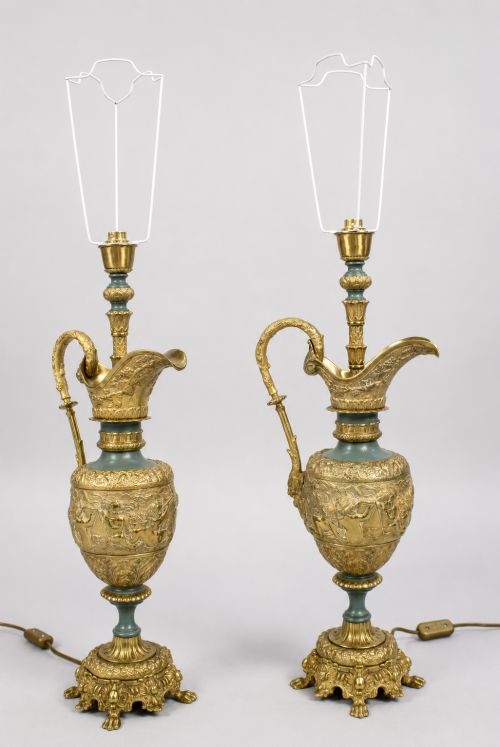
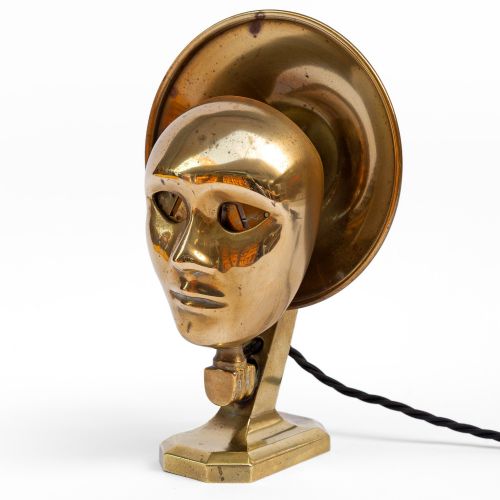
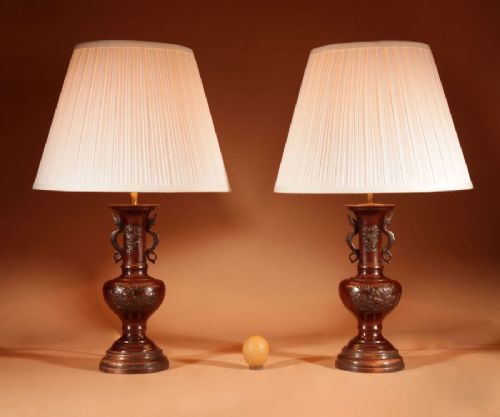
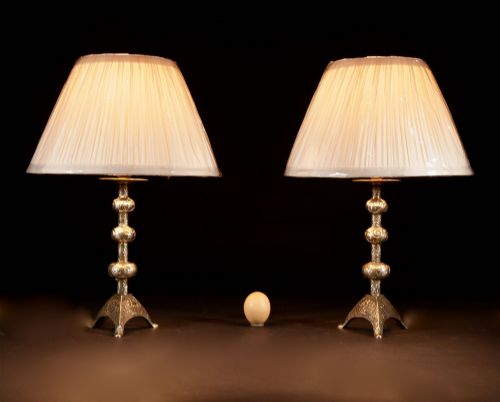
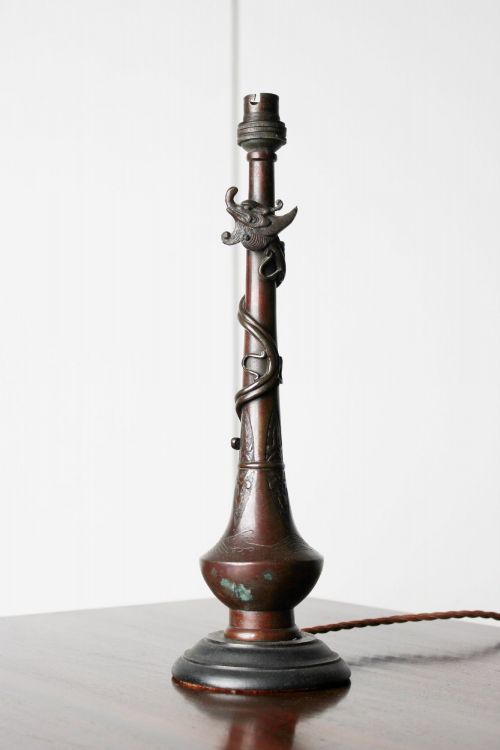
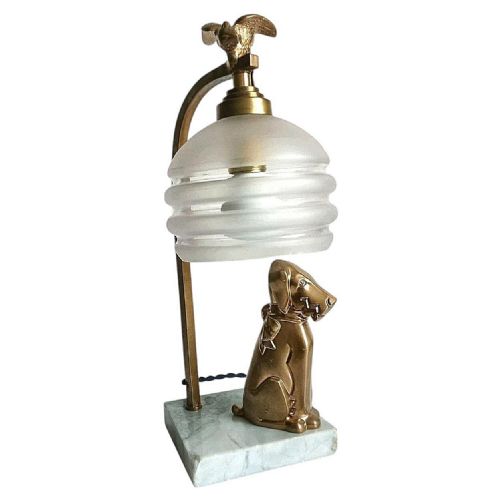
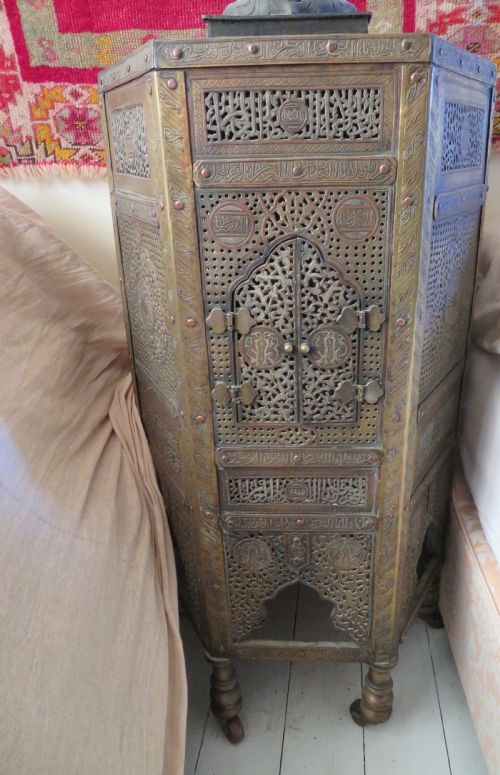
The selection includes brass, bronze, and gilt metal table lamps alongside occasional tables and bedside cabinets.
Pieces frequently reflect periods such as the Edwardian era, Art Deco, and Art Nouveau alongside French styling.
How they were made
Items utilise cast and patinated metals including bronze, brass, copper, and silver plating.
Many objects incorporate secondary materials such as glass, marble, onyx, porcelain, and wood.
Construction methods range from beaten copper work to openwork inlay and gilt metal mounting.
Metal Bedside Tables Retail Price Guide 2026
Typical asking prices for metal bedside tables among the pieces listed under this phrase on Sellingantiques today, from the lower quarter to the upper quarter. They describe what is for sale here now, not the wider market.
Materials documented in the inventory include brass, bronze, gilt metal, silver plate, glass, marble, onyx, fabric, and wood.
What varies in quality
The degree of detail in cast ornamentation and figural work sets individual examples apart.
The integration of mixed materials, such as marble bases or parchment leather elements, influences the overall character.
WAS Benson·Jaeger LeCoultre·E Rousseau
The Metal Bedside Tables Glossary
- Ormolu
- Gilded bronze applied to decorative objects and furniture mounts. This technique was widely utilised in French pieces.
- Spelter
- A zinc alloy used as a substitute for bronze. It often received a bronze or painted finish.
- Cloisonné
- Enamelling technique where compartments are created with metal wire. These sections are filled with coloured paste and fired.
Metal Bedside Tables: Frequently Asked Questions
What periods do these pieces represent?
The selection spans from the nineteenth century through the Edwardian era and into the 1950s.
Designs reflect historical revivals alongside movements like Art Nouveau and Art Deco.
How are different metals used?
Makers utilised brass, bronze, copper, and silver plate to construct structural frames and decorative bodies.
Combined elements frequently feature gilt finishes, marble bases, and glass components.
What styles appear in the collection?
Styles range from French Louis XVI and neoclassical designs to Chinoiserie and Arts and Crafts.
Industrial and cinematic inspirations also surface alongside European novelty creations.
How do I identify a converted piece?
Many lighting fixtures originated as vases, ewers, or candelabra before conversion.
Physical adaptations accommodate electrical wiring while retaining the original body.