




Metal Bedside Lamp
A metal bedside lamp brings focused light and distinct period character to a room, combining useful illumination with decorative form.
Metal Bedside Lamp
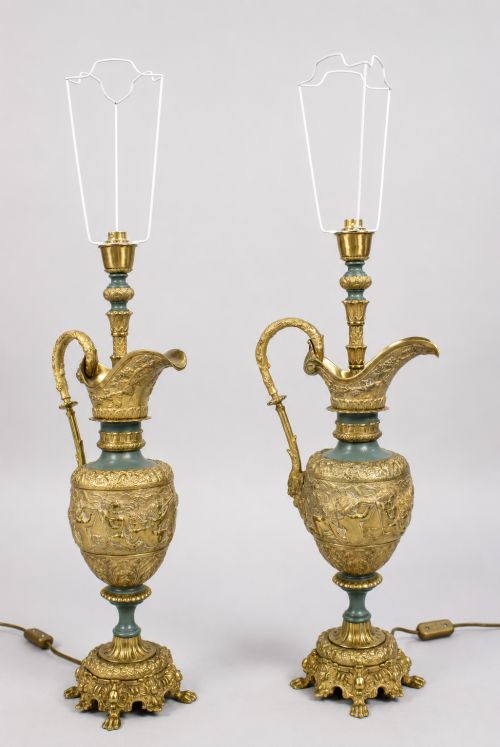
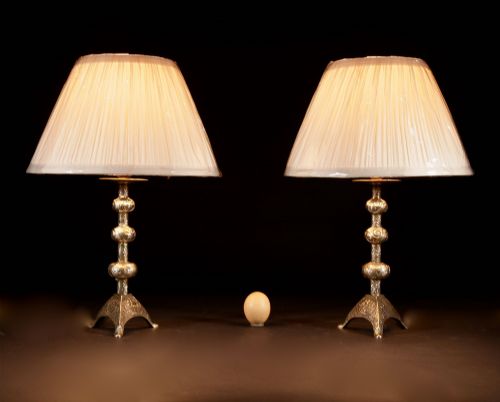
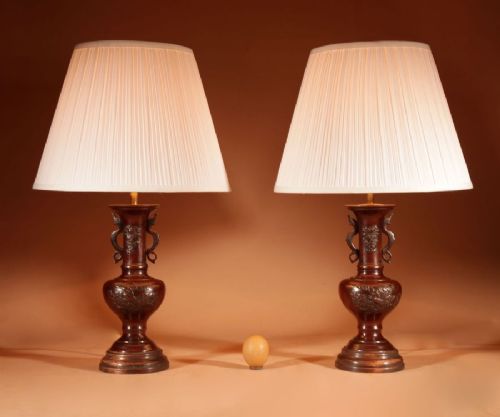
When you search for a metal bedside lamp, you encounter pieces spanning from the late nineteenth century through to the art deco era. These include converted ewers, candelabra, and vases alongside purpose-built table lamps.
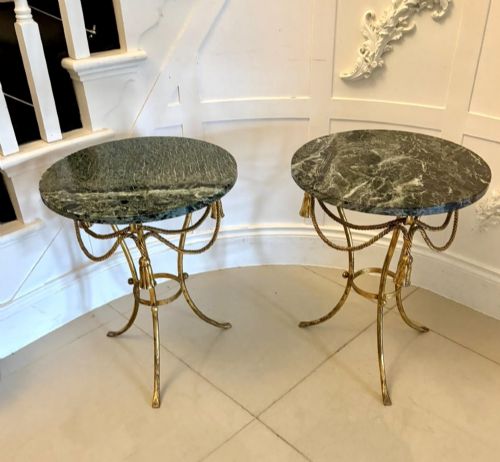
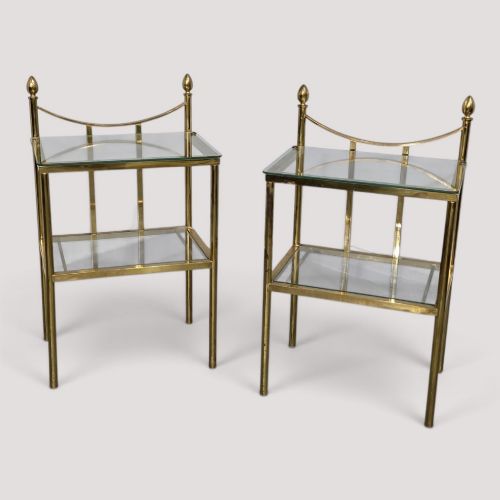
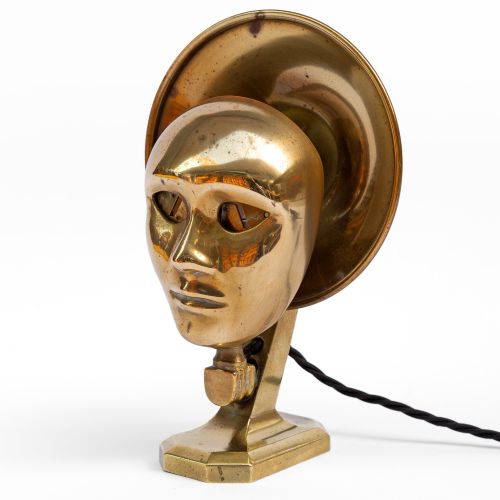
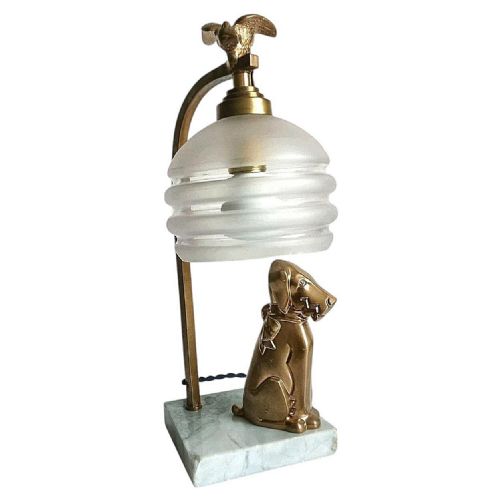
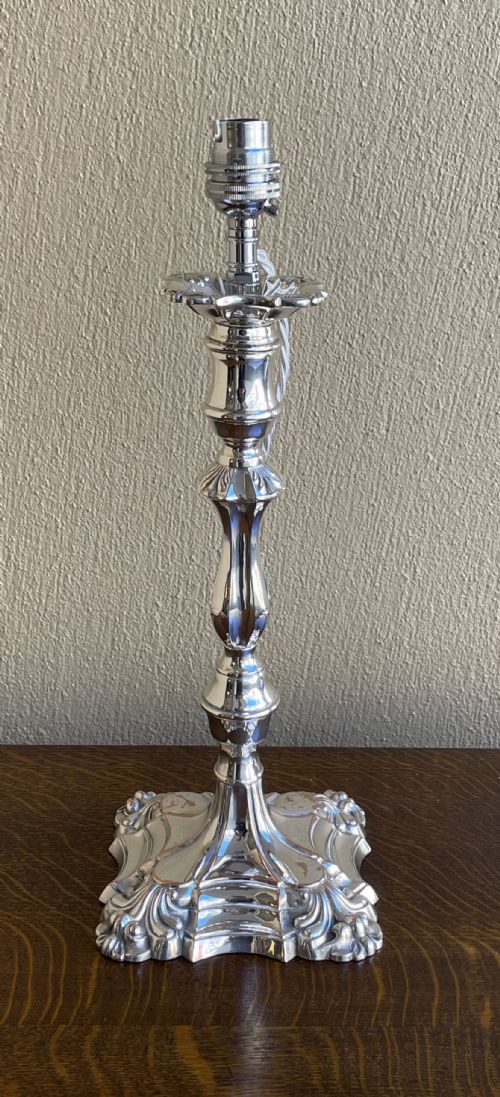
The selection ranges from Victorian and Edwardian silver-plated designs to French gilt metal, brass, and bronze creations. Many items originate as pairs, utilising materials such as marble, onyx, and glass alongside the primary metal structure.
How they were made
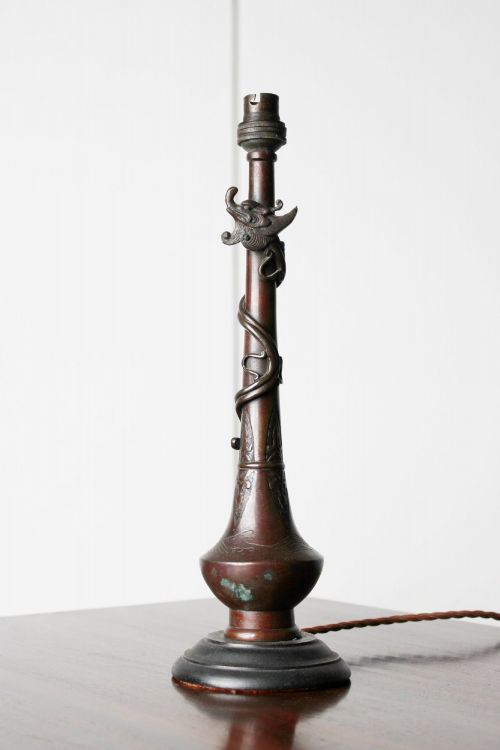
The construction relies on casting, spinning, and hand-beating metals such as brass, bronze, copper, and spelter. Artisans combined these metallic elements with applied patination, gilding, and silver plating.
Many examples incorporate mixed media, mounting metalwork onto marble or onyx bases, or integrating porcelain, glass, and fabric elements to complete the form.
Metal Bedside Lamp Retail Price Guide 2026
Typical asking prices for metal bedside lamp among the pieces listed under this phrase on Sellingantiques today, from the lower quarter to the upper quarter. They describe what is for sale here now, not the wider market.
The listings show a prominent French influence, with numerous gilt metal, bronze, and patinated white metal pieces originating from the nineteenth and early twentieth centuries.
What varies in quality
The distinction lies in the crispness of the casting and the depth of the finish, whether in chased ormolu or beaten copper. Superior examples display refined proportions and intricate detail in figural or ornamental motifs.
Integrity of conversion also marks the grade of the piece, particularly where nineteenth-century ewers or vases have been adapted for electrical use while retaining their original mounts.
E Rousseau·WAS Benson
The Metal Bedside Lamp Glossary
- Ormolu
- Gilded bronze, typically produced by applying a mercury-gilt amalgam to cast bronze. This technique creates a rich, durable golden surface seen on French decorative objects.
- Spelter
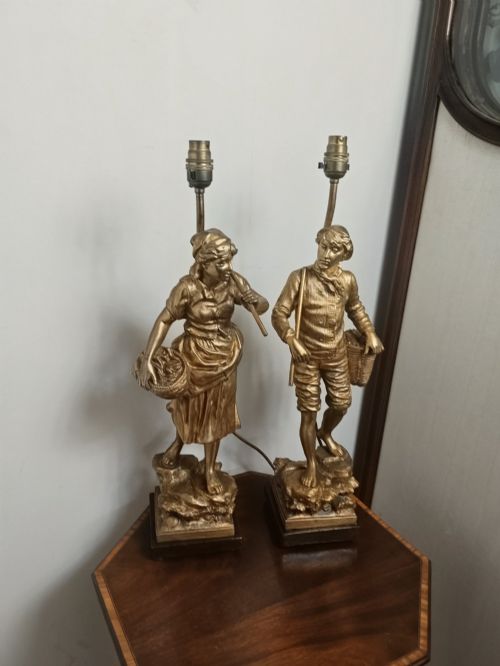
- A zinc alloy utilised as a less costly alternative to bronze, frequently patinated to imitate darker metals. It was common in decorative objects and figural lamps from the nineteenth and early twentieth centuries.
- Ewer
- A large jug with a wide spout, historically used for water but frequently converted into decorative lighting in the nineteenth century. These vessels often feature elaborate handles and classical proportions.
- Cloisonne
- An ancient technique for decorating metal object surfaces, using wire compartments filled with enamel paste and fired. Pieces demonstrate intricate patterned designs in vibrant colours.
- Toleware
- Painted or lacquered sheet metal items, often decorated with floral or Chinoiserie motifs. The finish provides colourful decorative accents on lamps and shades.
Metal Bedside Lamp: Frequently Asked Questions
What periods do these lamps cover?
The selection spans from the late nineteenth century through the Edwardian period and into the art deco era of the 1930s. Pieces reflect the prevailing design movements of their decades.
Styles range from Victorian revival and French Neoclassical to Art Nouveau, Arts and Crafts, and Hollywood Regency.
Were these originally made as lamps?
Many items began life as other objects entirely, such as bronze ewers, porcelain vases, candelabra, and decorative figures. These were subsequently converted into lamps.
Purpose-built table lamps also appear alongside these converted pieces, particularly from the Arts and Crafts and art deco periods.
How do I identify the materials used?
Listings feature solid and plated metals including brass, bronze, silver plate, gilt metal, and beaten copper. Bases frequently incorporate contrasting natural materials like marble and onyx.
Fabric shades, glass elements, and porcelain bodies also appear in combination with the metal structures.
How do I style a period lamp today?
These lamps function effectively as bedside reading lights or decorative accent pieces on side tables. Their varied heights and silhouettes suit both traditional and eclectic interiors.
Wiring is updated or checked on many examples to ensure they meet modern functional requirements while preserving their historical appearance.