





Metal Art Object
These metal art object pieces span centuries of global craftsmanship, offering tangible history and distinctive character for any interior.
Metal Art Object
A metal art object encompasses a wide variety of decorative and functional pieces forged, cast, or worked in materials such as bronze, brass, iron, and copper. When you browse for a metal art object, you encounter diverse global traditions ranging from East Asian bronzes and cloisonné enamels to European folk art and African tribal sculptures.
The pieces on this page include ritual vessels, scholar's items, figural sculptures, and utilitarian containers mounted or cast with artistic intent. You are most likely to meet nineteenth-century bronzes, early twentieth-century decorative works, and utilitarian items repurposed as sculptural forms.
Materials and construction methods
Makers utilised casting techniques like lost-wax methods for intricate bronzes, alongside hand-beating for copper and tin items. Surface treatments often involved applied enamel work, rust-glazing on ceramic vessels, or direct mounting onto organic supports like fruitwood.
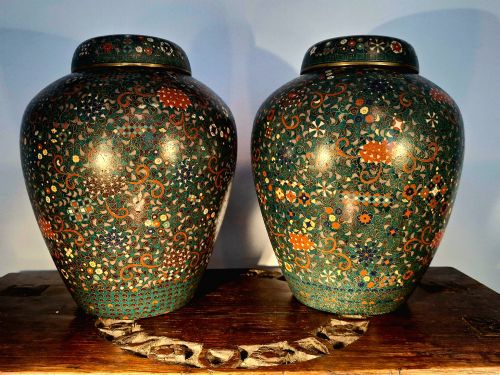
Wrought iron and copper alloy pieces demonstrate traditional blacksmithing and foundry skills where durability met decorative expression. Enamel work fused glass powders to metal bases, creating vibrant colour panels within bronze or brass frameworks.
Metal Art Object Retail Price Guide 2026
Typical asking prices for metal art object among the pieces listed under this phrase on Sellingantiques today, from the lower quarter to the upper quarter. They describe what is for sale here now, not the wider market.
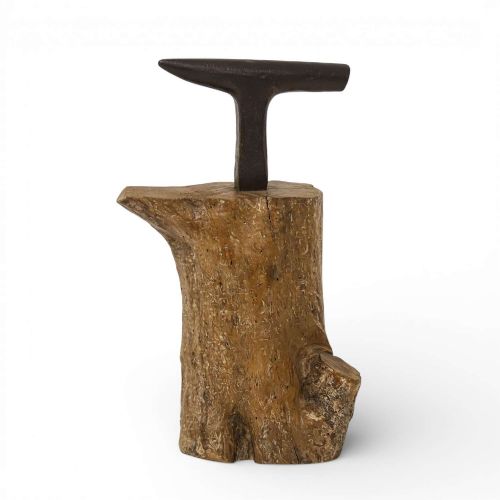
A farrier's heavy working anvil mounted permanently onto a fruitwood trunk now serves as a piece of rustic sculpture.
Assessing quality in metalwork
Quality rests in the crispness of the casting detail, the integrity of the joins, and the preservation of original patination. Finer works display deliberate proportion and controlled surface finishing rather than crude mass production.
The harmony between material and form dictates distinction, whether in the precision of cloisonné wirework or the confident silhouette of a forged iron sculpture.
The Metal Art Object Glossary
- Cloisonne
- Enamelling technique where thin metal wires form raised cells on a metal body to hold coloured glass pastes.
- Patina
- The surface sheen and colour alteration acquired by metal through age, handling, and oxidation.
- Tripod
- A vessel or object supported by three distinct feet, common in ritual and ceremonial metalware.
- Qilin
- A mythical hooved Chinese creature frequently depicted in bronze or ceramic scholar's objects.
- Reliquary
- A container or guardian figure designed to hold or protect sacred relics, often executed in wood and metal.
Metal Art Object: Frequently Asked Questions
What is a metal art object?
A metal art object is a piece created primarily from metal for decorative, ritual, or utilitarian purposes. These items range from cast bronze vessels to beaten copper containers and sculptural figures.
They reflect the artistic styles and metallurgical capabilities of their respective periods and regions of origin.
How do I clean bronze and brass?
Bronze and brass generally require minimal intervention to preserve their historic surfaces. Dusting with a soft, dry cloth is usually sufficient.
Avoid aggressive metal polishes that strip away the aged patina accumulated over centuries.
How can I tell the age of a bronze piece?
Dating bronze relies on examining casting techniques, style, wear patterns, and the chemical composition of the patina. Older pieces often show specific tool marks and natural oxidation consistent with their stated era.
Comparing the form and iconography to dated examples provides further context.
Where should I place these objects at home?
These pieces function well as focal points on mantels, sideboards, or dedicated display cabinets. Their varied textures complement both traditional and modern interiors.
Ensure they are kept away from excessive moisture and direct sunlight to protect vulnerable surfaces like enamel.