




Metal Advertising Plaque
A metal advertising plaque is an enduring piece of commercial history, offering bold graphics and robust materials to collectors seeking authentic trade signage.
Metal Advertising Plaque
A metal advertising plaque serves as a durable commercial marker, produced in various forms such as wall signs, hanging signs, and trade signage. When exploring this selection, buyers encounter items originating from the Victorian era through the early twentieth century.
The assortment on this page includes street shop signs, tradesman plaques, and framed commercial signage from English and French makers. These pieces represent everyday commerce, public utilities, newspapers, and specific trades like dentistry, pharmacy, and painting.
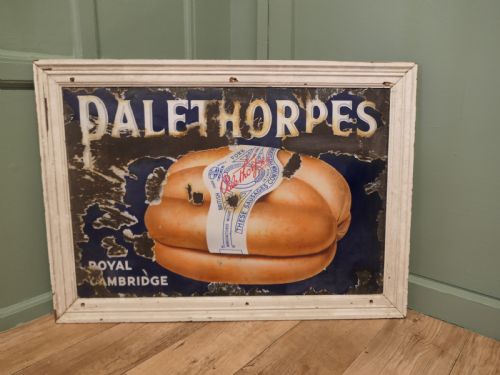
The most typical examples are vitreous enamel signs and sheet metal panels designed for exterior walls or shopfronts. Their survival reflects a utilitarian past where businesses relied on permanent metal displays to attract customers.
Materials and construction
These items rely on iron, sheet metal, and brass as structural bases, often shaped into heavy cast iron trade signs or lighter wall plaques. Vitreous enamel and paint provide the durable surface finishes necessary to withstand outdoor exposure.
Makers fused powdered glass to metal at high temperatures to create glossy enamel signs that resisted fading and weather damage. Hand-painted lettering and gilt metal details appear on specific trade signs and pocket watch forms, showing direct application by signwriters.
Listings feature items from the Victorian period up to the nineteen-thirties, using iron, brass, enamel, and paint.
What separates the grades
Quality depends upon the clarity of the typography, the depth of the enamel gloss, and the integrity of the original framing or mounting brackets. Superior pieces retain crisp lettering and dense colour pigments without extensive surface distortion.
Signage featuring specific trades, named local businesses, or uncommon pocket watch and safe plaque forms commands greater interest than generic lettering. The survival of original paint and untouched vitreous enamel surfaces defines the upper tier of these survivals.
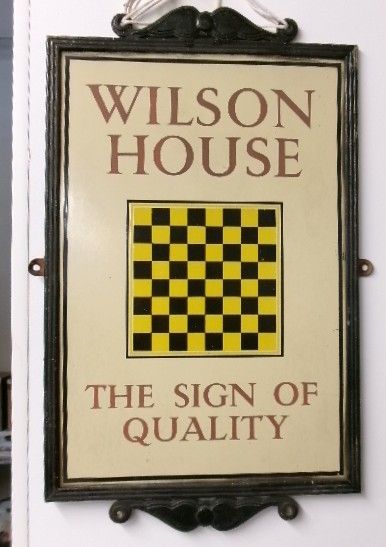
Tann·J. and H. Keyworth and Co·Wilson House·Colman·Trebor
The Metal Advertising Plaque Glossary
- Vitreous enamel
- A durable glass coating fused to sheet metal or iron at high temperatures. This finish protects the metal underneath and provides a glossy surface for printed text and imagery.
- Trade sign
- A specialised commercial plaque displayed outside a shop or business to indicate the trade practised within. These objects often take pictorial forms related to the profession, such as a pocket watch or safe plaque.
- Sheet metal
- Thinly rolled metal used as the substrate for many flat advertising signs. It offers a lightweight alternative to cast iron while maintaining rigidity for wall mounting.
- Gilt metal
- Metal treated with a thin layer of gold leaf or gilt paint to create a decorative metallic shine. It frequently highlights lettering and decorative borders on commercial plaques.
Metal Advertising Plaque: Frequently Asked Questions
How do I hang a heavy metal sign?
Heavy metal signs and cast iron plaques require secure wall anchors and fixings rated for significant weight. Use the original mounting holes where possible to avoid adding stress to the metal.
Ensure the weight distributes evenly across the frame or brackets to protect the structural integrity of both the wall and the antique sign.
Are these signs suitable for outdoor display?
While originally designed for exterior shopfronts and streets, surviving historic pieces face risks from modern weather conditions. Moisture can cause iron to rust and enamel to flake around mounting points.
Protecting these plaques indoors preserves the remaining paint and vitreous enamel finishes from further environmental degradation.
How do I clean an enamel advertising plaque?
Cleaning requires only a soft, dry cloth or a slightly damp sponge to remove surface dust. Avoid harsh chemical cleaners or abrasive scouring pads that can scratch the vitreous enamel or strip original paint.
Gentle maintenance protects the fragile edges and prevents damage to the exposed metal substrates beneath.
What period do most enamel signs come from?
The majority of Enamel and sheet metal advertising signs date from the late nineteenth century through the nineteen-thirties. This era marked the peak of commercial enamel production for public utilities, newspapers, and household goods.
Victorian examples often feature cast brass or iron, while subsequent decades introduced mass-produced vitreous enamel wall panels.