







Mesh Door Side Cabinet
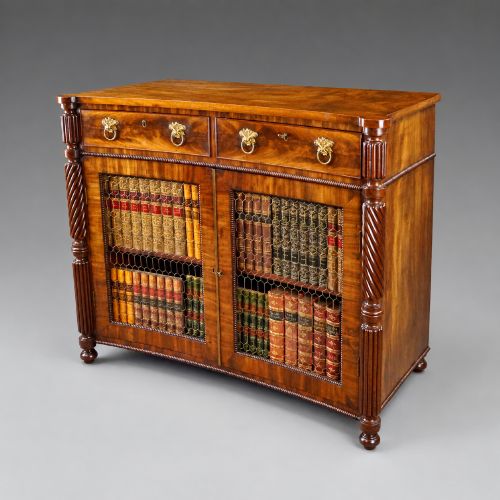
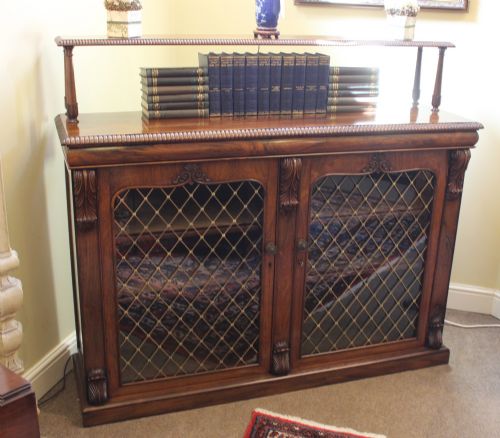
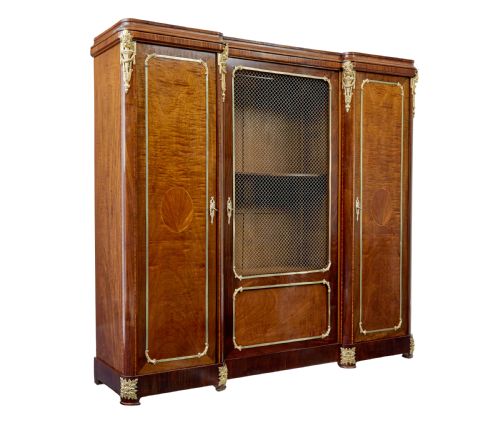
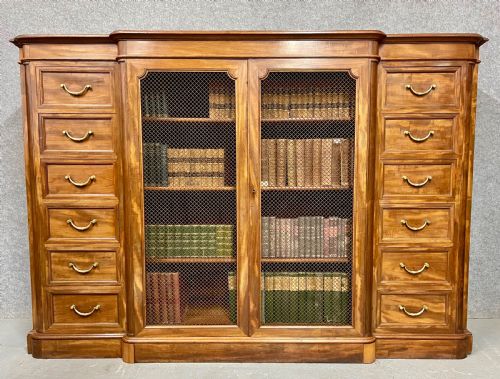
These mesh door side cabinet pieces offer clever concealed storage through wire grilles, bringing historic craftsmanship into modern rooms.
Mesh Door Side Cabinet
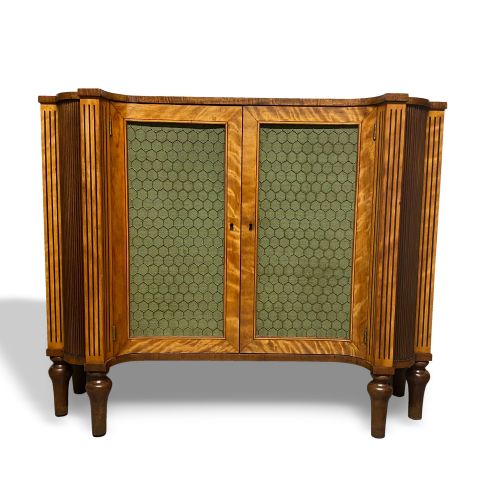
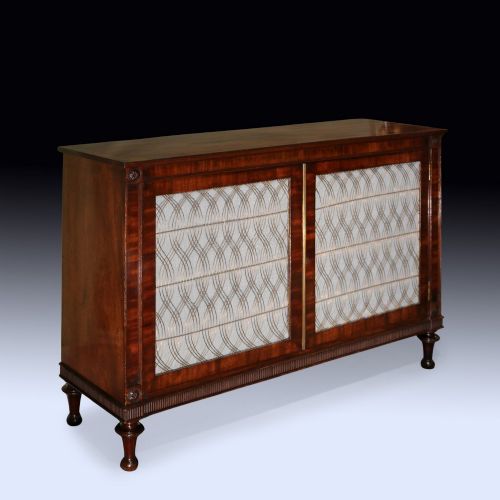
A mesh door side cabinet provides low storage with grilled or fabric-backed ventilation panels rather than solid timber. Buyers seeking a mesh door side cabinet will find examples spanning the eighteenth century through to the nineteen thirties, encompassing Georgian, Regency, and Victorian aesthetics.
The prevailing forms on this page include mahogany side cabinets, rosewood chiffoniers, and library bookcases featuring brass grilles. Pieces range from grand breakfront designs in gonçalo alves to compact country house cabinets in pollard oak and walnut.
Construction and materials
Cabinet makers utilised dense hardwoods including mahogany, rosewood, walnut, and pollard oak as the primary carcase structures. Finer examples incorporate satinwood veneers and contrasting ebony stringing.
Metalworking skill appears in the brass inlay work and woven wire grilles fitted into the door frames. Behind these mesh panels, fabric linings were often added to protect contents from dust while maintaining ventilation.
Mesh Door Side Cabinet Retail Price Guide 2026
Typical asking prices for mesh door side cabinet among the pieces listed under this phrase on Sellingantiques today, from the lower quarter to the upper quarter. They describe what is for sale here now, not the wider market.
Behind those delicate brass grilles, centuries of forgotten book dust and secret love letters hide.
Distinguishing quality
The hierarchy of quality rests upon the selection of timber figures, such as striking gonçalo alves or figured mahogany, paired with precise brass inlay. Finer cabinets display meticulous joinery in curved concave or inverted breakfront carcases.
Attribution to notable workshops or makers elevates a piece, as seen in items associated with Louis Constantin Le Gaigneur or Ince and Mayhew. The refinement of the brass grilles and secondary timber choices further separate standard production from exceptional examples.
Ince and Mayhew·Louis Constantin Le Gaigneur
The Mesh Door Side Cabinet Glossary
- Chiffonier
- A low sideboard or cabinet featuring shelves or enclosed storage. This form gained popularity during the Regency and Victorian periods.
- Gonçalo Alves
- A dense exotic hardwood prized for its striking contrasting grain patterns. Makers utilised this timber in high-status Regency furniture.
- Pollard Oak
- Timber taken from trees that were pollarded, resulting in gnarled and highly decorative growth patterns. Cabinet makers valued this wood for dramatic veneered surfaces.
- Breakfront
- A piece of furniture where the central section projects forward from the outer wings. This architectural arrangement creates depth and shadow on side cabinets.
Mesh Door Side Cabinet: Frequently Asked Questions
What is a mesh door side cabinet used for?
These cabinets served historically to house valuable books, linens, or serving pieces while allowing air circulation through the wire panels.
Today, collectors utilise them in living spaces and dining rooms to store tableware, media equipment, or collections while keeping contents partially visible.
How do I identify a Regency period cabinet?
Regency pieces often display neoclassical influence, featuring architectural proportions, rosewood or mahogany veneers, and distinctive brass inlay.
Look for refined details such as brass grilles replacing glass panes and polished surface finishes characteristic of the early nineteenth century.
Why did cabinets have wire mesh doors?
Wire mesh panels were originally fitted to allow ventilation inside enclosed spaces, preventing dampness from damaging stored books or textiles.
This practical function also provided a lighter visual appearance than solid timber doors while concealing the contents more softly than clear glass.
How do I care for antique hardwood cabinets?
Maintain stable indoor humidity levels and keep wooden furniture away from direct sunlight and heat sources to prevent timber splitting.
Apply quality beeswax periodically to nourish rosewood, mahogany, and walnut surfaces while buffing gently with a soft cloth.