



Meiji Pottery Figure
A meiji pottery figure captures the distinct sculptural artistry and rich ceramic traditions of late nineteenth and early twentieth century Japan.
Meiji Pottery Figure
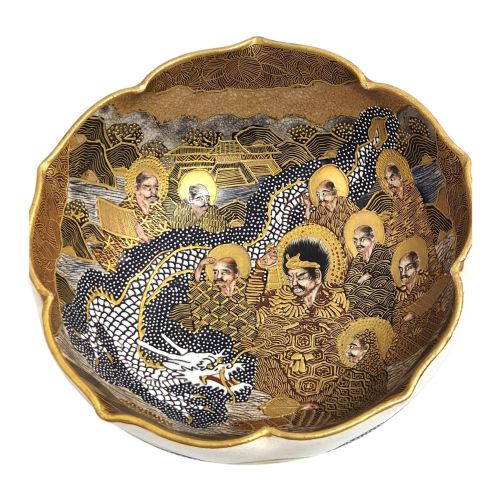
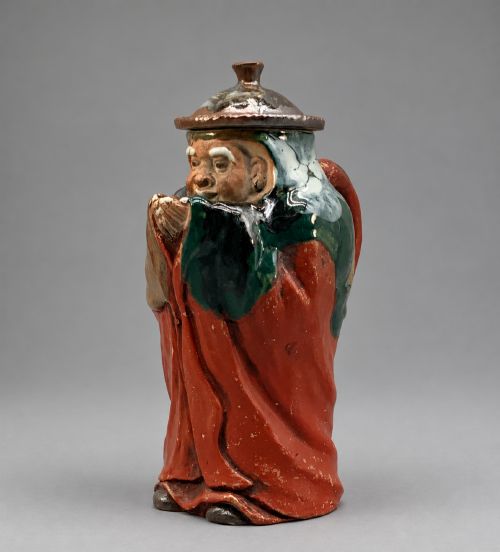
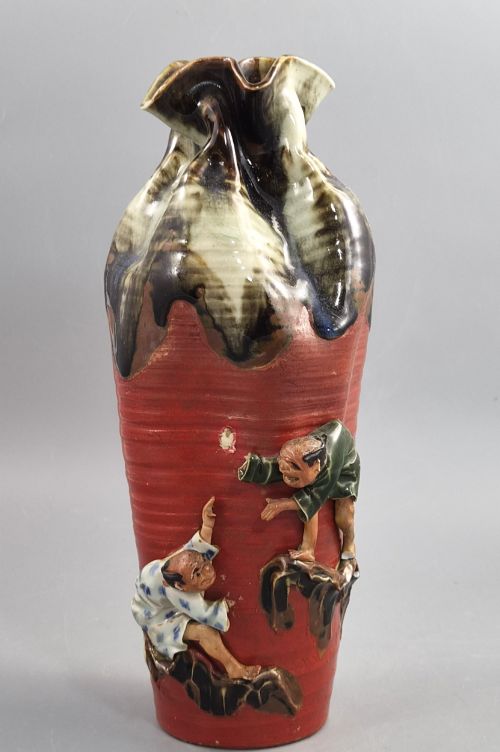
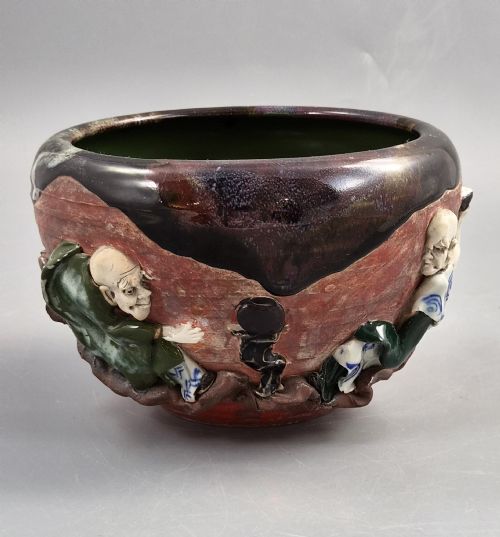
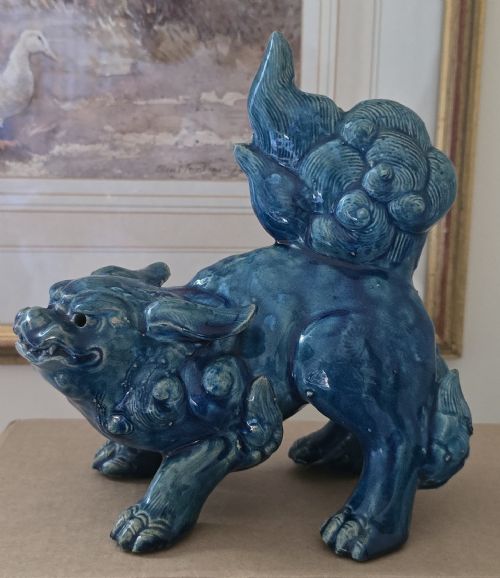
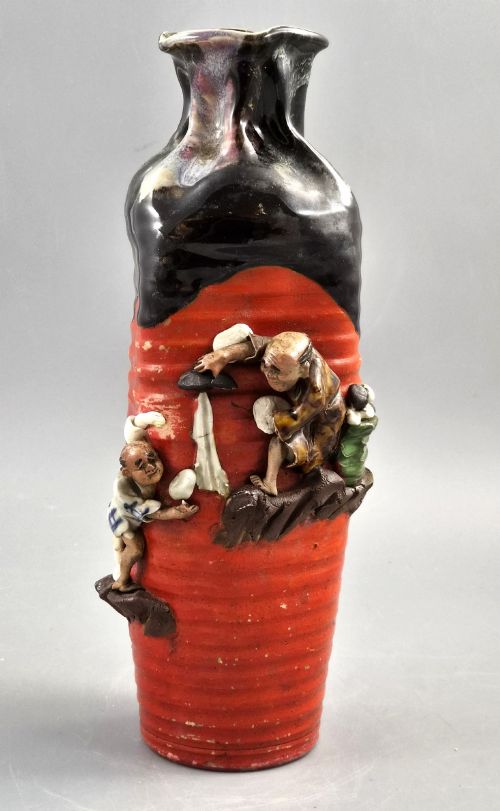
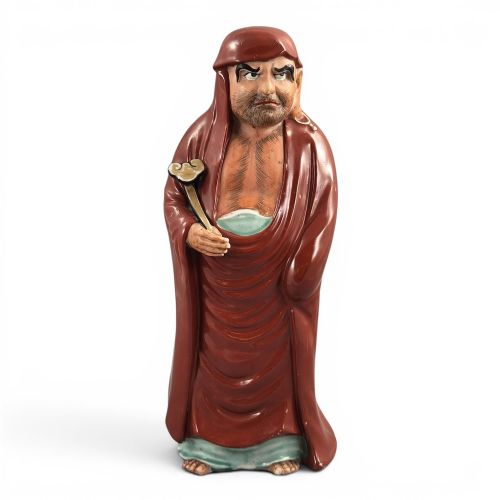
When you search for a meiji pottery figure, you encounter a remarkable array of sculptural ceramic works originating from the Meiji and Taisho periods. These pieces often take the form of okimono, depicting revered sages, mythical beasts, and everyday figures with expressive faces.
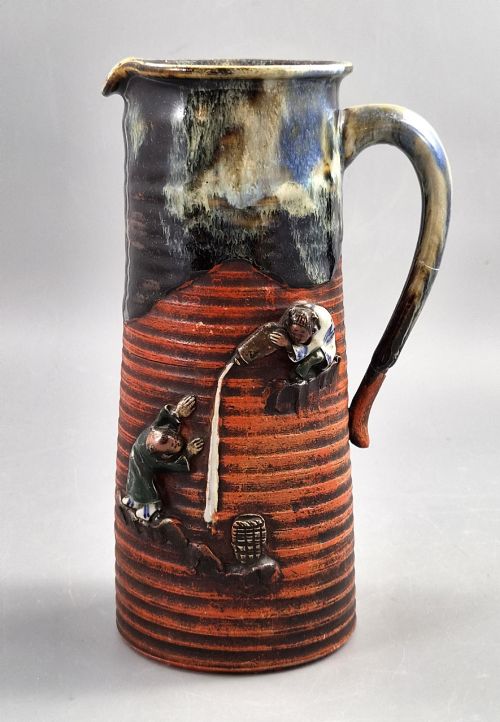
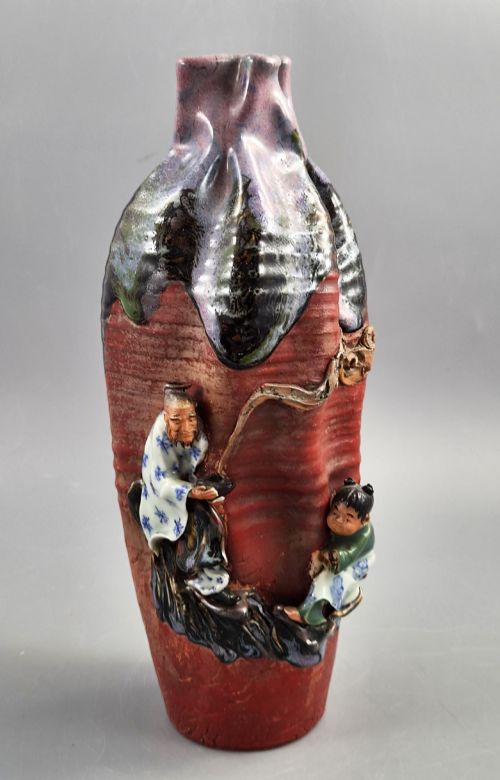
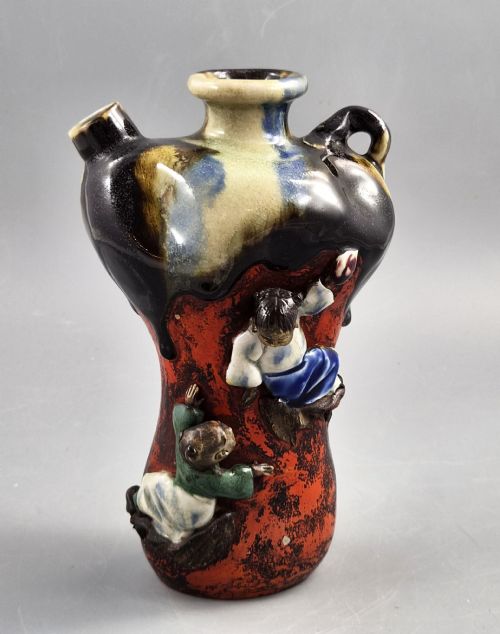
The most common examples on this page are hand-modelled works featuring applied figures clambering across vases, mugs, and bowls, particularly within the distinct Sumida Gawa tradition. Alongside these sculptural vessels, you will find independent ceramic sculptures and figurines modelled as guardian lions or traditional deities.
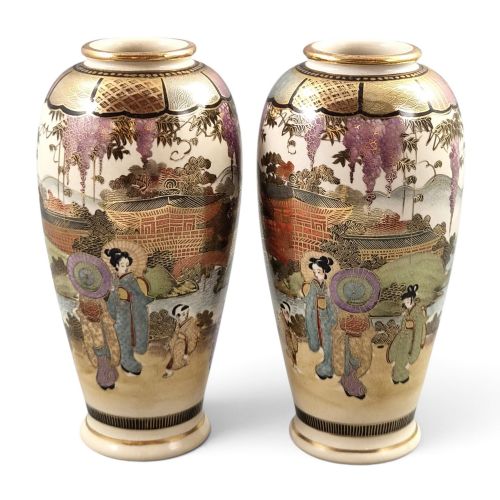
Originating predominantly from late nineteenth and early twentieth century workshops, these items reflect both traditional Japanese subjects and the stylistic shifts of the era. The variety spans from delicate porcelain depictions to robust stoneware and earthenware creations.
Materials and Construction Techniques
The makers utilised earthenware, stoneware, and porcelain as the primary foundations for these sculptures and vessels, applying distinct glazing techniques to achieve varied surface textures. Many Sumida Gawa works employ thick, dripping flambé or oxblood glazes alongside unglazed areas that highlight the raw clay body.
Meiji Pottery Figure Retail Price Guide 2026
Typical asking prices for meiji pottery figure among the pieces listed under this phrase on Sellingantiques today, from the lower quarter to the upper quarter. They describe what is for sale here now, not the wider market.
Listings feature earthenware, porcelain, and stoneware forms spanning the Victorian, Edwardian, and Meiji periods.
Distinctions in Quality and Execution
The distinction between standard commercial output and superior craftsmanship rests in the vitality and precision of the modelling. Master potters and skilled workshops achieved a striking sense of movement and individual expression in the faces and postures of applied figures.
The control of the glaze also marks the hierarchy of quality, where controlled drips and deep, rich colour tones elevate a piece far above flat, uniform finishes. Signature panels and artist marks further separate workshop pieces from anonymous mass production.
Inoue Ryosai·Kinkozan·Shozan·Tokyo Taizan
The Meiji Pottery Figure Glossary
- Okimono
- A Japanese decorative freestanding figurine or sculpture designed for display on a shelf or in a tokonoma alcove. These pieces portray mythological figures, deities, and historical personages.
- Sumida Gawa
- A distinct style of Japanese pottery originating from the banks of the Sumida River near Tokyo. It is characterised by heavy, streaked glazes and playful figures modelled in high relief.
- Moriage
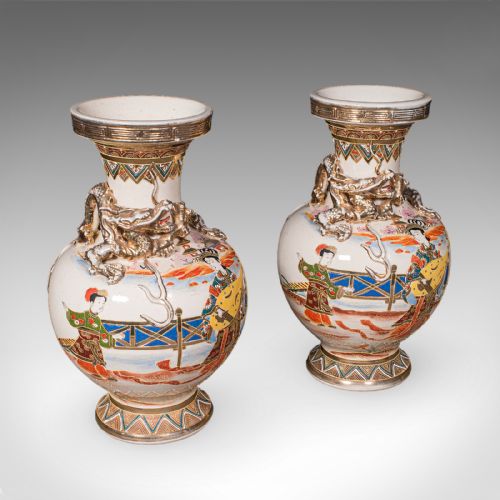
- A decorative technique in Japanese ceramics where slip is piped onto the surface to create raised, beaded, or sculptural patterns before firing. This method adds significant texture to vases and figurines.
- Karako
- A traditional decorative motif depicting a Chinese child at play. These figures are commonly shown in groups or interacting with sages and deities on ceramics.
Meiji Pottery Figure: Frequently Asked Questions
What is a meiji pottery figure?
A meiji pottery figure is a ceramic sculpture or an applied decorative element created in Japan during the Meiji or early Taisho period. These pieces depict traditional deities, sages, animals, and children.
They range from independent okimono to figures climbing across the sides of vases and teapots.
How do I identify Sumida Gawa pottery?
Sumida Gawa pottery is readily identified by its thick, uneven glazes, often in oxblood, turquoise, or flambé tones, combined with heavily textured surfaces. Sculpted figures are typically applied in high relief directly onto the vessel.
Many of these pieces bear signatures or artist seals impressed into the clay.
Where were these ceramics made?
These ceramics were produced across various Japanese kilns and workshops, with distinct styles associated with Kyoto, Tokyo, and the banks of the Sumida River. Satsuma wares originated in Satsuma province before production expanded to urban centres like Kyoto.
Kutani wares emerged from Ishikawa prefecture, showcasing bold enamel palettes.
How should I display these figures?
These ceramic figures and vessels require stable placement away from direct sunlight to protect delicate enamel and gold leaf details. Because many feature intricate applied elements in high relief, handle them carefully by the main body rather than protruding parts.
Allow adequate space around sculptural pieces to appreciate their three-dimensional forms.