





Meiji Ceramic Sculpture
These meiji ceramic sculpture pieces are Japanese works from the 19th and early 20th centuries, prized for their detailed figures and decorative presence.
Meiji Ceramic Sculpture
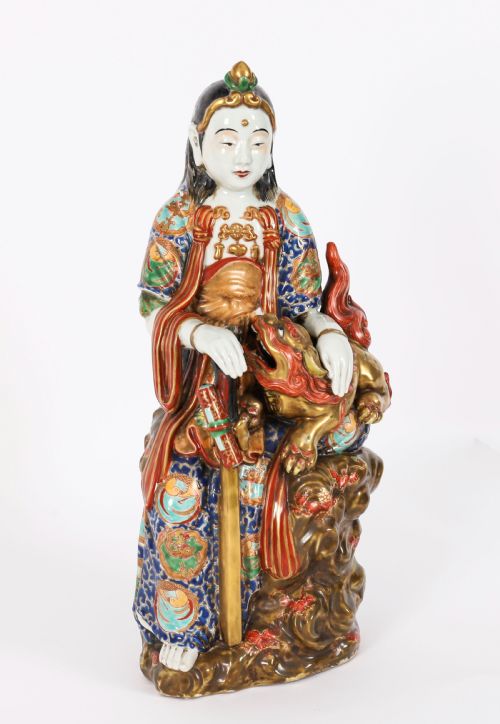
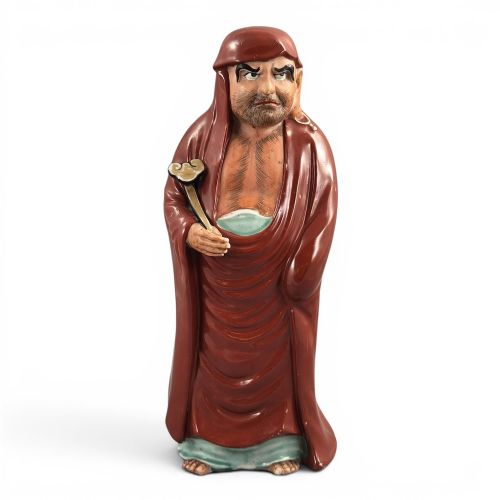
When you search for meiji ceramic sculpture, you encounter figures and sculptural forms rooted in Japanese artistic production from the Meiji period and surrounding transitional years. The pieces span divine and earthly subjects, including Buddhist deities, mythical guardians, and traditional figures like Bijin and deities of longevity.
The objects take the form of okimono, decorative figurines, and larger standalone sculptures designed for display. You will frequently meet Kutani and Satsuma wares alongside Hirado porcelain and Bizen models across these listings.
The dating of these works stretches from the mid 19th century through to Edwardian and early twentieth century examples. They reflect the shifting aesthetics of Japanese craft during a period of immense change in kiln production and international export.
Materials and methods of construction
Potters utilised earthenware and porcelain bodies shaped into complex figurative forms, often working within specific regional kiln traditions such as Kutani, Satsuma, and Hirado. The clay or porcelain base was hand-modelled or cast before receiving detailed surface carving and refinement.
Decoration relied heavily on polychrome enamel, glaze, and gold leaf applications. Artisans painted intricate patterns onto the ceramic surface, sometimes employing moriage techniques to build up raised enamel details before a final kiln firing.
Meiji Ceramic Sculpture Retail Price Guide 2026
Typical asking prices for meiji ceramic sculpture among the pieces listed under this phrase on Sellingantiques today, from the lower quarter to the upper quarter. They describe what is for sale here now, not the wider market.
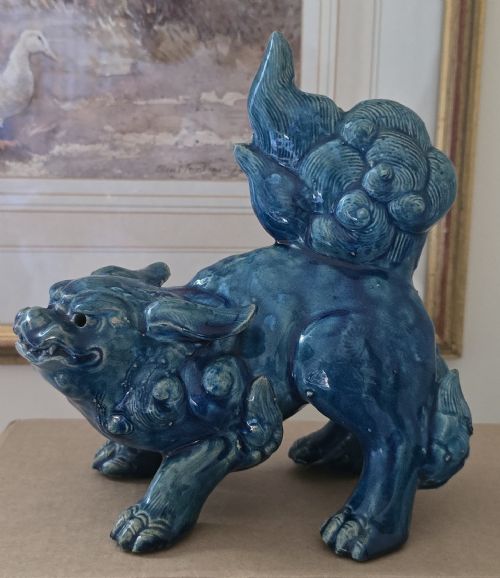
Guardian lions keep a watchful ceramic eye over the room, unfazed by passing centuries or modern household routines.
Distinctions in craftsmanship and finish
The distinction between standard commercial output and superior work lies in the precision of the modelling and the control of the glaze or enamel. Finer examples display crisp facial expressions, well-defined drapery folds, and careful placement of gold leaf accents.
Workmanship also shows in the complexity of the subject matter, such as multi-figure groups or intricate guardian lions with detailed manes and openwork elements. The depth of the colour palette and the restraint or richness of the decorative scheme determine the visual impact of each piece.
Makuzu Kozan II·Mikawachi Kilns
The Meiji Ceramic Sculpture Glossary
- Okimono
- A Japanese term for a decorative object or sculpture intended for display on a shelf or in a tokonoma alcove.
- Kutani
- A style of Japanese porcelain and pottery traditionally characterised by vibrant polychrome enamels and extensive use of gold.
- Satsuma
- A type of Japanese earthenware featuring a crackled ivory glaze decorated with intricate enamel patterns and gilt.
- Shishi
- A mythical lion dog or guardian figure derived from Chinese Buddhist tradition, commonly depicted with a fierce expression and curly mane.
- Moriage
- A Japanese ceramic technique where slip or enamel is applied in raised dots or lines to create a textured surface relief.
Meiji Ceramic Sculpture: Frequently Asked Questions
How do Kutani and Satsuma wares differ?
Kutani ceramics are typically porcelain bodies known for strong colour palettes, featuring heavy use of greens, reds, and gold leaf. Satsuma pieces usually employ an earthenware body covered in a fine crackle-glaze beneath intricate enamel painting.
Both styles date prominently to the Meiji period, but their underlying clay and surface textures remain visually distinct.
What is a Shishi sculpture?
A Shishi represents a mythical guardian lion or dog, often modelled as a powerful beast with swirling fur and an open mouth. Artisans placed these figures to ward off evil influences in domestic or temple environments.
They appear frequently in porcelain and earthenware across different Meiji kiln centres.
How do you display these sculptures?
These ceramic figures suit stable flat surfaces where their detailed modelling and enamel work catch natural light. They function well as solitary focal points on sideboards or within dedicated display spaces.
Care involves keeping them away from direct sunlight and dusting gently with a soft dry cloth.