





Meiji Ceramic Light
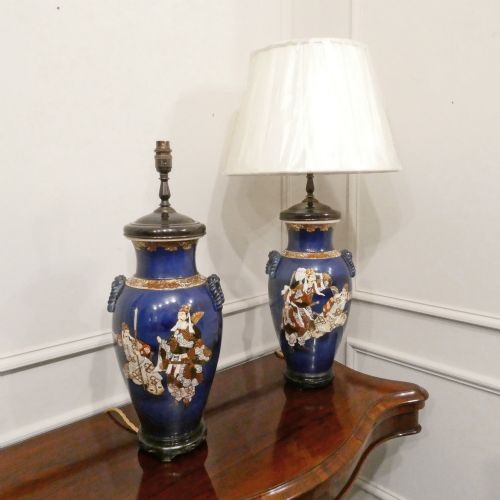
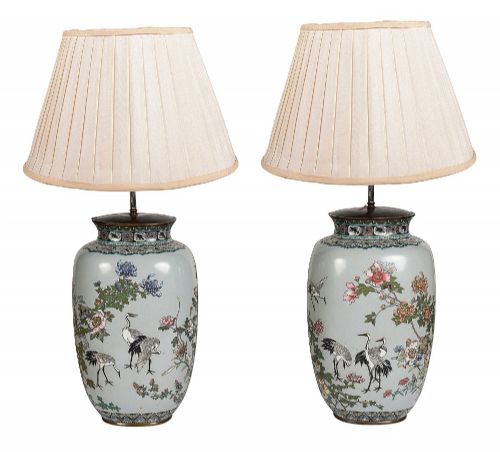
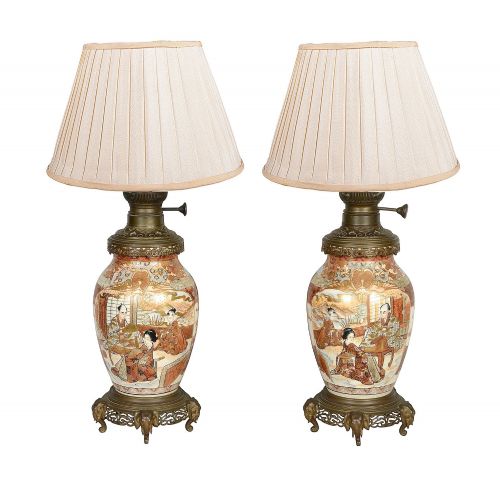
These meiji ceramic light pieces are Japanese vases fitted as table lamps, bringing nineteenth-century porcelain and cloisonné enamel into domestic interiors.
Meiji Ceramic Light
When you search for a meiji ceramic light, you look at Japanese vases from the nineteenth century and around nineteen-twenty that have been adapted into table lamps. The forms on this page include Kutani porcelain, Satsuma ware, Imari porcelain, and blue and white vessels, alongside cloisonné enamel vases.
Most entries appear as pairs, often combining ceramic bodies with brass fittings and fabric or silk shades. These objects bridge traditional Japanese decorative arts and Western lighting utility, reflecting the late nineteenth-century Japonisme aesthetic in the home.
How they were made
The foundation rests on ceramic bodies such as porcelain and earthenware, shaped into vases and spill vases before receiving hand-painted enamel decoration or blue and white underglaze. Alternatively, metal vessels receive intricate cloisonné enamel work, where thin wire outlines create cells that are filled with coloured paste and fired.
Conversion into lamps involves pairing these antique vessels with brass components and fabric or silk elements. The makers adapt traditional decorative objects by mounting them securely for electrical or structural use while preserving the original surface.
Meiji Ceramic Light Retail Price Guide 2026
Typical asking prices for meiji ceramic light among the pieces listed under this phrase on Sellingantiques today, from the lower quarter to the upper quarter. They describe what is for sale here now, not the wider market.
At least one nineteenth-century vase decided its retirement plan involved wearing a brass hat and holding a lightbulb.
What varies in quality
The distinction between tiers rests upon the precision of the hand-painting on the porcelain and the intricacy of the enamel work on the cloisonné pieces. Superior examples display crisp details and balanced compositions across both items when sold as a pair.
Proportion and scale also define the hierarchy, with larger vases or matching sets commanding greater visual presence. The integration of the brass mounts and the preservation of the original ceramic surface without heavy restoration determine the overall standard.
Yokohama Porcelain
The Meiji Ceramic Light Glossary
- Kutani
- A style of Japanese porcelain known for its bold colour palettes and detailed pictorial designs. It appears frequently on nineteenth-century table lamps.
- Satsuma
- An earthenware ceramic type featuring a crackle glaze and ornate polychrome enamel decoration, often highlighted with gilt. These pieces form a large portion of the available lighting options.
- Imari
- A traditional style of Japanese porcelain decorated in underglaze blue, iron red, and gold. This aesthetic gained immense popularity in the West during the nineteenth century.
- Cloisonné
- A metalwork technique where fine wires form compartments filled with enamel paste and fired. These vases provide a textured surface when converted into lamps.
- Japonisme
- A late nineteenth-century Western artistic movement inspired by Japanese art and design. It explains the integration of these Eastern vases into European interiors.
Meiji Ceramic Light: Frequently Asked Questions
What is a meiji ceramic light?
It is an antique Japanese vase or vessel from the Meiji period that has been converted into a table lamp. These items combine traditional Far Eastern ceramics with functional Western lighting.
The listings on this page consist primarily of nineteenth-century porcelain and enamel pieces fitted for modern domestic use.
Were these made as lamps originally?
No, these objects began life as decorative vases, spill vases, or jars rather than lighting fixtures. Craftsmen later adapted the ceramic and enamel bodies to hold electrical fittings.
This conversion allows historical decorative art to serve a practical purpose in contemporary rooms.
How do I identify Satsuma ware?
Satsuma ceramics typically feature a distinctive cream-coloured earthenware body covered in a fine crackle glaze. Artisans decorated these surfaces with detailed polychrome figures and floral motifs.
You will often find gilt highlights adding depth to the painted scenes on these lamp bases.
Are these lamps sold as pairs?
Many of the entries on this page appear as matched pairs of vases or lamps. This makes them suitable for placement on matching side tables or a mantelpiece.
Single lamp options also appear among the selections for smaller spaces.