






Meiji Bronze Carving
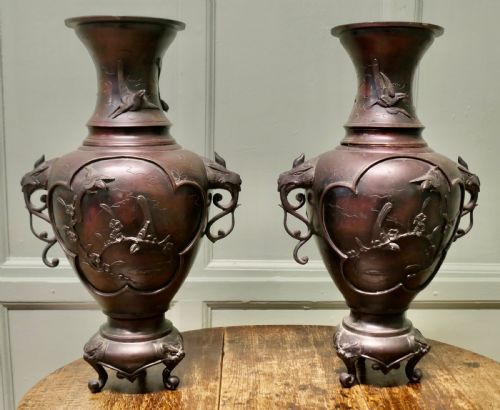
These pieces of meiji bronze carving bring together precise metalwork and naturalistic forms, drawing collectors who want authentic nineteenth-century craftsmanship.
Meiji Bronze Carving
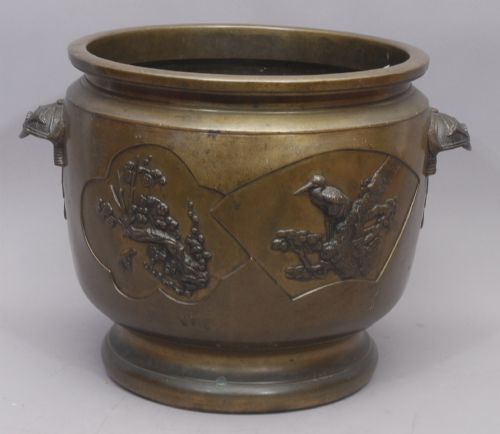
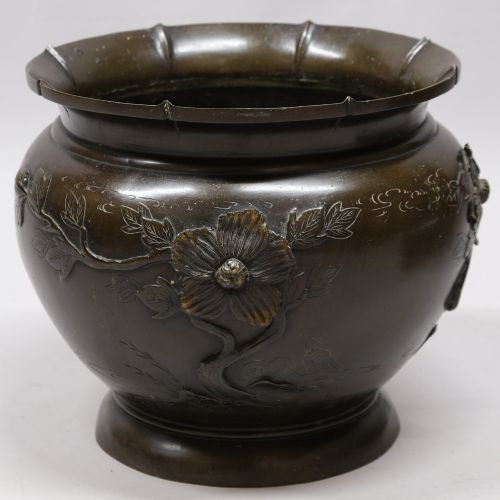
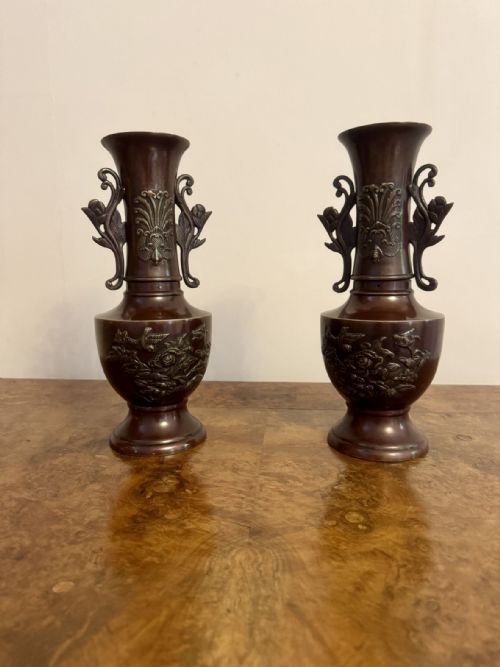
When you search for meiji bronze carving, you encounter a range of sculptural objects spanning the nineteenth and early twentieth centuries. The selection on this page centres primarily on bronze vases, jardinières, and figural sculptures with distinct Japanese motifs.
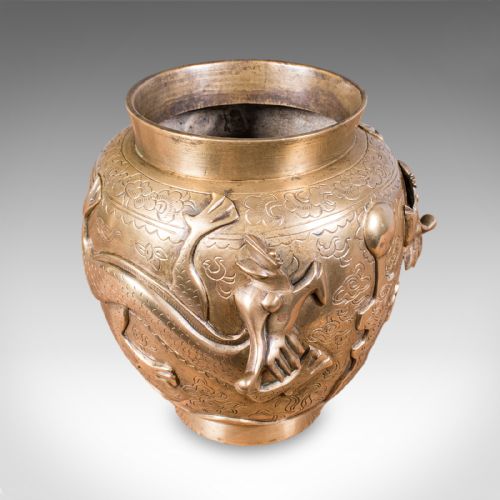
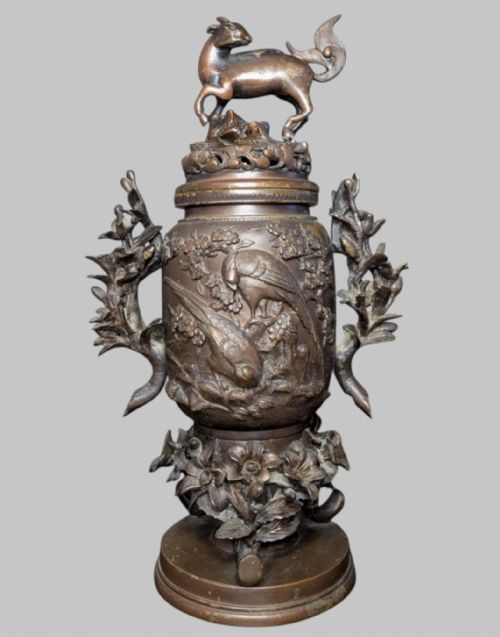
Many of these items date from the Meiji period, alongside pieces recorded under Victorian or Edwardian periods due to contemporary British trade and display. Forms include twin-handle baluster vases, incense burners with animal finials, and detailed animal okimono.
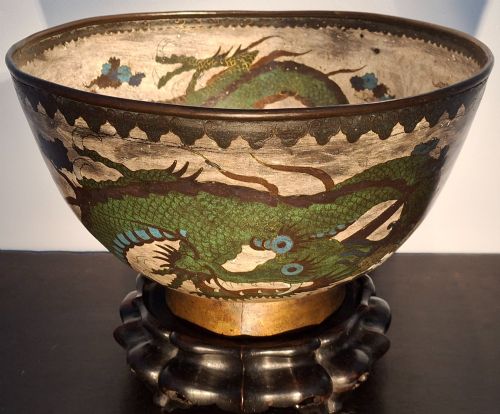
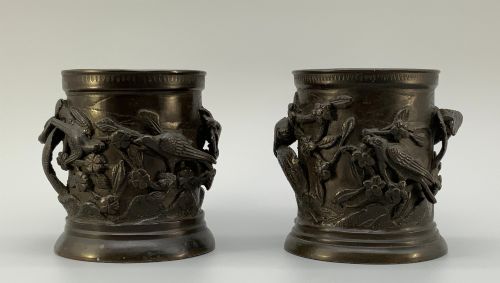
Makers utilised traditional techniques to shape vessels and figures, incorporating dragons, birds, and botanical details into the metal surface. These items reflect both functional domestic use and the decorative tastes of the period.
Materials and Techniques
The objects recorded here rely primarily on bronze and patinated bronze, occasionally supplemented by brass, silver inlay, and cloisonne enamel. Wood and lacquer appear as supplementary materials, notably in root wood bases and carved okimono.
Foundry work involved intricate casting and surface finishing, where artisans applied patination to achieve deep brown or dark tones. Details such as feathers, scales, and floral motifs were often worked directly into the metal or highlighted with mixed-metal elements.
Meiji Bronze Carving Retail Price Guide 2026
Typical asking prices for meiji bronze carving among the pieces listed under this phrase on Sellingantiques today, from the lower quarter to the upper quarter. They describe what is for sale here now, not the wider market.
A monkey manages to steal the moon in one recorded knife handle.
Assessing the Workmanship
Quality in these metal sculptures rests on the crispness of the chased detail and the depth of the patination. Pieces at the upper end of the range display finely rendered anatomy on figures such as tigers, eagles, and monkeys.
The weight of the vessel, the stability of any associated wood base, and the integration of mixed metals or silver inlay further distinguish finer examples from standard production pieces.
Haruyama Shunzan·Kibundo·Gyoko
The Meiji Bronze Carving Glossary
- Okimono
- A Japanese standalone decorative carving or sculpture designed for display on a shelf or in a tokonoma alcove.
- Tetsubin
- A traditional Japanese cast-metal kettle used for boiling water, often featuring detailed surface decoration.
- Koro
- A traditional Japanese incense burner, typically supported on legs and fitted with a pierced cover.
- Jardiniere
- A large ornamental pot or bowl designed to hold plants or flowers indoors.
- Patination
- The artificial or natural alteration of the surface colour of bronze through chemical treatment or age.
Meiji Bronze Carving: Frequently Asked Questions
What periods do these bronzes cover?
The listings span the nineteenth century, specifically the Meiji period, alongside overlapping Victorian and Edwardian dates.
These timeframes reflect when the items were made in Japan and subsequently imported or catalogued in Britain.
How were these bronze objects used?
Many items served as decorative vessels such as vases, posy urns, and jardinières for displaying flora within a home.
Others functioned as incense burners, dinner gongs, or standalone sculptural okimono intended purely for visual display.
What motifs appear on the metalwork?
Common decorative themes include dragons, birds, blossoms, elephants, and figures such as monkeys.
These subjects draw on traditional Japanese iconography and were executed through casting, patination, and inlay.
Are wooden bases original to the pieces?
Certain large sculptures and vases include fitted root wood bases that support the main bronze body.
These organic elements complement the metalwork and reflect the presentation style of the period.