




Meiji Art Sculpture
These pieces of meiji art sculpture are Japanese bronze and wood carvings, Kutani porcelain figures, and intricate okimono that bring traditional craftsmanship into your home.
Meiji Art Sculpture
Meiji art sculpture encompasses a diverse array of Japanese decorative figures, okimono, and netsuke originating from the 19th century and the early 20th century. When you search for this phrase, you encounter works spanning the Edo period through to the Meiji period and Edwardian era.
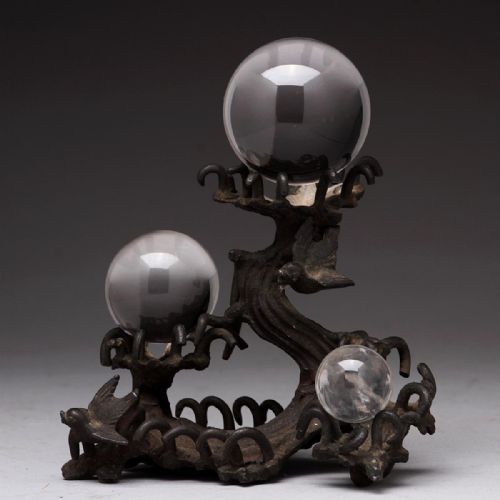
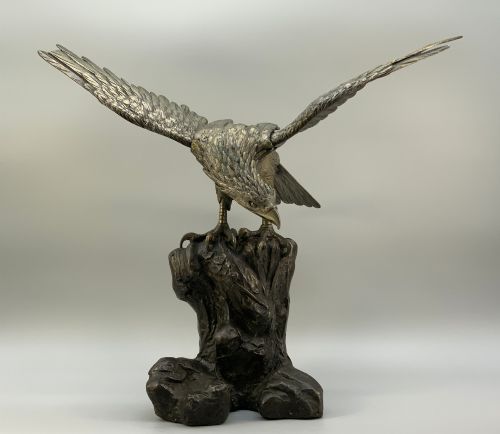
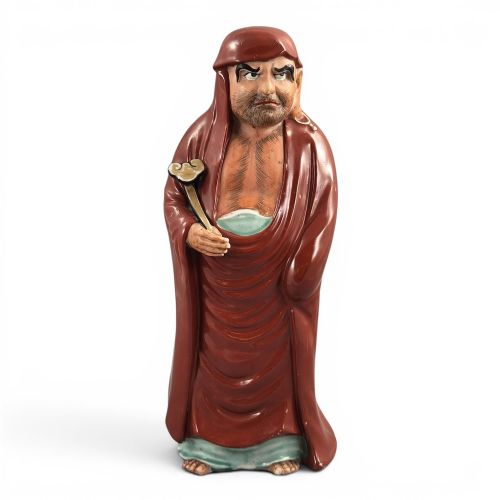
The objects take many forms on this page, including patinated bronze eagles, porcelain figures of deities such as Jurojin and Kannon, and cherry amber or wood netsuke depicting cats, rodents, and frogs. Larger garden bronze bridges and mixed metal vases also appear alongside intimate tabletop figurines.
How they were made
Makers utilised traditional casting and carving techniques, working primarily in bronze, boxwood, cherry amber, and Kutani porcelain. Bronze pieces often feature detailed patination or mixed metal inlay, while wooden okimono and netsuke rely on precise hand carving to capture naturalistic textures.
Porcelain and earthenware objects like Satsuma and Kutani wares combine moulded or hand-formed clay bodies with delicate enamel decoration and gold leaf accents. Lacquer is also employed on specific animal forms to create a smooth, durable finish.
Meiji Art Sculpture Retail Price Guide 2026
Typical asking prices for meiji art sculpture among the pieces listed under this phrase on Sellingantiques today, from the lower quarter to the upper quarter. They describe what is for sale here now, not the wider market.
Several animals depicted in these sculptures, from frogs to elephants, wear expressions of profound contemplation.
What varies in quality
Quality depends heavily on the precision of the carving and the fidelity of the casting, distinguishing master works from simpler production pieces. Naturalistic detail in animal fur, plumage, or facial expressions separates the top of the range from more rigid examples.
Makuzu Kozan II·Haruyama Shunzan
The Meiji Art Sculpture Glossary
- Okimono
- A Japanese term for a stand-alone decorative figurine or sculpture intended for display in a tokonoma alcove or on a shelf. These objects range from small carved animal figures to large bronze subjects.
- Netsuke
- A small carved toggle fastened to the end of a cord attached to a small pouch or traditional container. They are typically sculpted from wood, boxwood, or cherry amber with a hole for the cord.
- Kutani
- A style of Japanese coloured porcelain characterised by vibrant enamel painting and gilding. Pieces often depict deities, figures, and traditional motifs.
- Satsuma
- A type of Japanese earthenware featuring a crackled ivory-coloured glaze decorated with enamel and gold leaf. It is frequently used for ornate figures and decorative objects.
- Patinated
- A surface treatment applied to metal, particularly bronze, to alter its colour through oxidation. This process creates rich brown, green, or dark tones that highlight the sculptural form.
Meiji Art Sculpture: Frequently Asked Questions
How do I care for bronze sculptures?
Bronze sculptures require minimal maintenance, needing only an occasional gentle dusting with a soft, dry cloth.
Avoid using liquid cleaners or chemical polishes, which can strip away the original historical patina and damage the metal surface.
What is a netsuke used for?
A netsuke functioned historically as a toggle on the cord of a suspended pouch or medicine box worn around the waist.
Carved with small channels or holes for the cord, these tactile wooden and amber objects allowed traditional garments without pockets to carry personal items securely.
How are Meiji period items dated?
Dating relies on stylistic markers, materials, and signatures or marks associated with specific Japanese eras and recognised makers.
The Meiji period spans from 1868 to 1912, aligning closely with late 19th century and Edwardian production dates seen in the listings.