




Medieval Wall Art
Medieval wall art encompasses historic panels, tapestries, and sculptures that bring centuries of European craftsmanship directly into modern interiors.
Medieval Wall Art
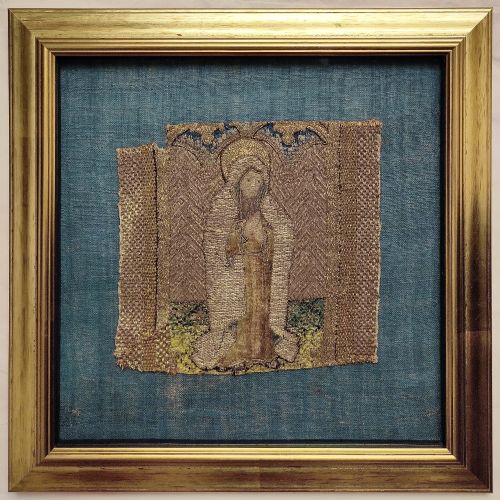
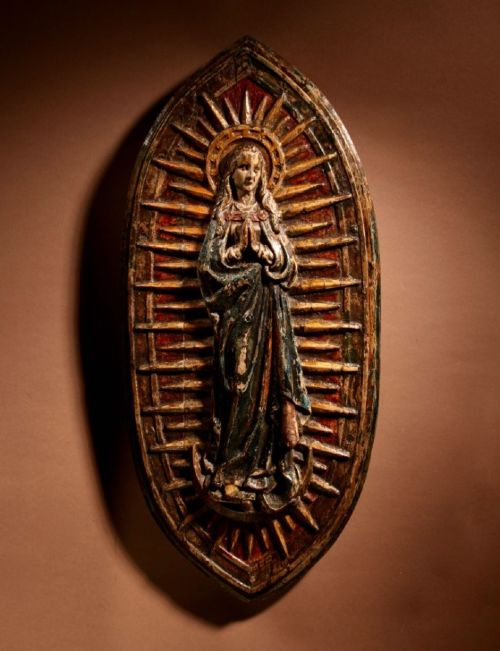
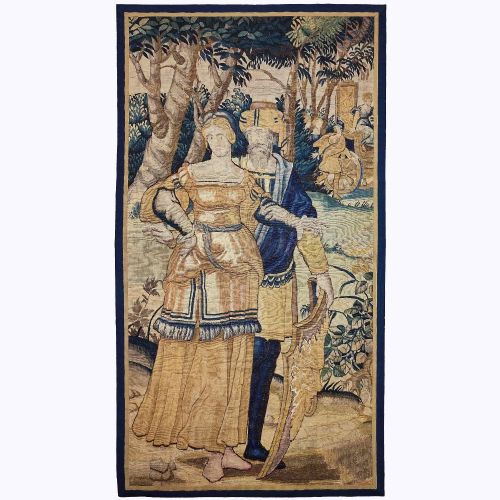
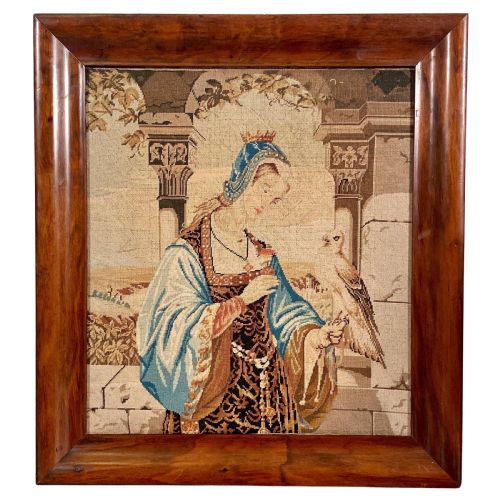
Medieval wall art consists of historical panels, textiles, and sculptures representing periods from the sixteenth century onwards, including later revivals. Buyers seeking this category encounter diverse forms such as wool tapestries, painted wood book covers, and carved oak altarpiece fragments.
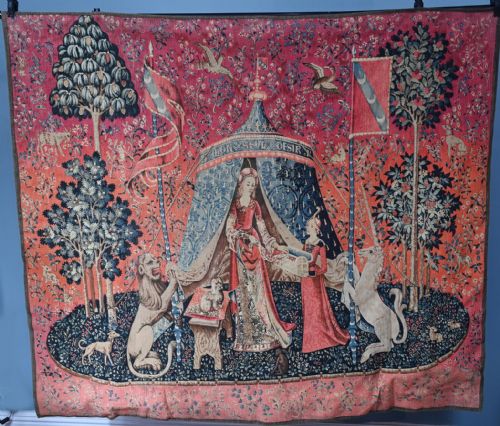
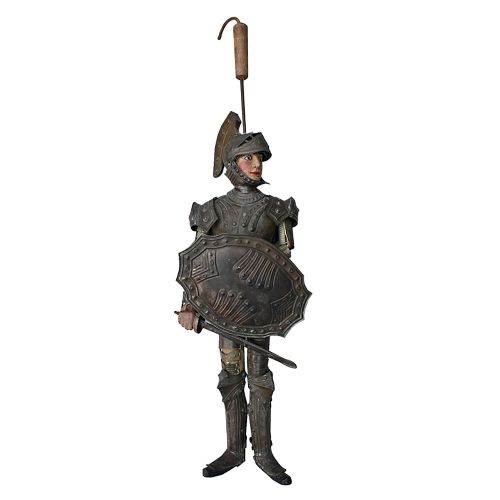
The selections available here range from sixteenth-century Flemish tapestry panels and French mille-fleurs wall coverings to nineteenth-century Gothic Revival pieces and Sicilian folk art. Each object serves as a decorative wall hanging or framed display item reflecting historic European visual traditions.
Pieces span multiple centuries of production, capturing genuine sixteenth-century work alongside nineteenth-century interpretations like Gothic Revival objects and hand-coloured lithographs. This mix allows collectors to select either authentic early artefacts or later nineteenth-century homages to medieval aesthetics.
Materials and construction methods
Makers utilised traditional textile and woodworking techniques, employing wool, cotton, and silk threads for woven tapestries and wall hangings. Artisans also worked with solid oak, carved gesso, and gilded wood to create architectural panels and sculptural reliefs.
Surface decoration involved meticulous hand embroidery, polychrome paint applications, and enamel work on metal plaques such as those from Limoges. Book covers and devotional panels utilised painted wood bindings that mirrored historic Sienese aesthetics.
Medieval Wall Art Retail Price Guide 2026
Typical asking prices for medieval wall art among the pieces listed under this phrase on Sellingantiques today, from the lower quarter to the upper quarter. They describe what is for sale here now, not the wider market.
Listings feature materials such as wool, oak, gesso, and glass alongside periods spanning the sixteenth, nineteenth, and twentieth centuries.
Assessing quality and authenticity
Quality in these works rests upon the fidelity of the period materials and the intricacy of the execution, whether in the tightness of wool weaving or the depth of wood carving. Original sixteenth-century examples demonstrate distinct regional workshop practices compared to later nineteenth-century revivals.
The preservation of original surfaces, such as aged polychrome paint, gesso, and gilding, determines the visual impact of panels and sculptures. Craftsmanship in secondary elements like framing or backing also indicates the historic care given to each piece.
Icilio Federico Joni·Samson
The Medieval Wall Art Glossary
- Tapestry
- A heavy hand-woven textile featuring pictorial designs used historically for wall hangings and insulation. These are typically composed of wool and cotton yarns.
- Polychrome
- The practice of decorating architectural elements, sculptures, or wood panels in a variety of painted colours. This technique defines much of the historic surface ornamentation.
- Gesso
- A plaster-like mixture applied to wood surfaces as a smooth base for painting and gilding. It frequently appears on carved panels and altarpiece fragments.
- Mille-fleurs
- A style of French tapestry background filled with a multitude of small flowers and plants. This design feature is prominent in historic wall coverings.
- Revival
- A nineteenth-century artistic movement that recreated historic medieval and Renaissance styles. Works from this period emulate earlier construction and aesthetic standards.
Medieval Wall Art: Frequently Asked Questions
What defines medieval wall art?
These pieces include historic textiles, carved wood sculptures, and framed panels produced during the medieval era or in later revival styles. They reflect traditional European craftsmanship across domestic and devotional settings.
Buyers find items ranging from woven tapestries to painted wood panels, each designed for display upon interior walls.
How were historic tapestries used?
Historic tapestries functioned primarily as decorative wall coverings that also provided insulation in drafty stone buildings. Their detailed pictorial scenes depicted hunting, chivalry, and allegorical subjects.
Today, surviving wall hangings serve as focal points in period or contemporary interiors.
How do I care for antique textiles?
Antique textiles and tapestries require protection from direct sunlight to prevent fading of natural wool and cotton fibres. Keeping them in stable humidity environments preserves the integrity of the weave.
Mounting them properly distributes the weight evenly across the backing without straining the historic fabric.
How do I distinguish original pieces?
Distinguishing periods relies on examining material wear, construction techniques, and stylistic markers specific to sixteenth-century workshops versus nineteenth-century revivals. Pigments, wood types, and weaving densities provide key evidence for dating. Nineteeth-century revival items often emulate earlier aesthetics using contemporary nineteenth-century methods and materials.