



Medieval Sculpture
Medieval sculpture encompasses stone, wood and bronze figures, panels and architectural fragments that bring centuries of devotional and secular craftsmanship into a modern interior.
Medieval Sculpture
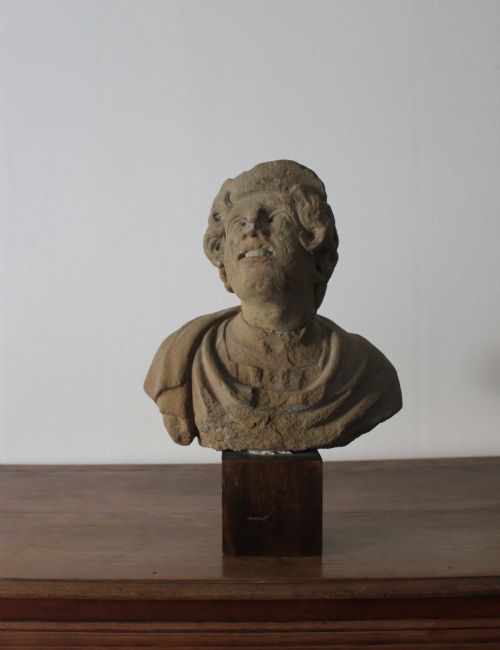
When buyers search for medieval sculpture, they encounter a range of forms spanning architectural corbels, altarpiece panels, and freestanding figures of saints and knights. The selection includes authentic pre-sixteenth century works in oak, limestone and sandstone alongside nineteenth-century revivals and later interpretations.
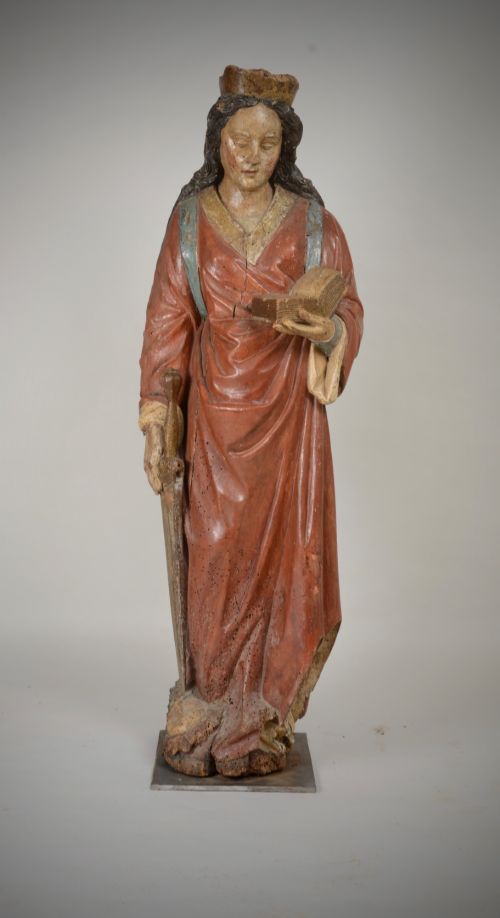
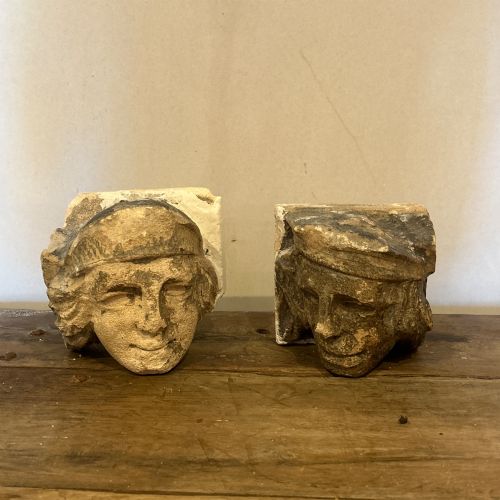
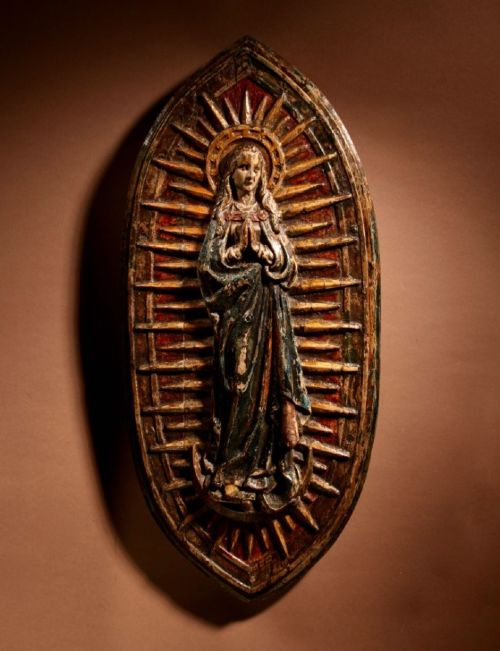
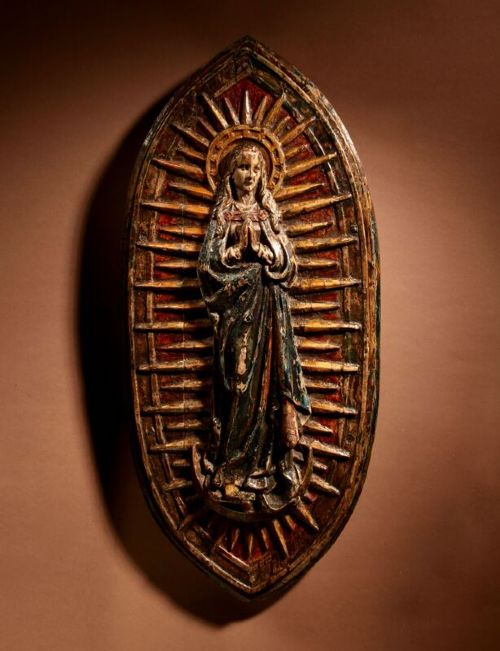
The most common early pieces on this page are carved oak figures of saints, Madonnas and religious groups originating from continental workshops. Architectural fragments such as stone corbels and wood panels also appear frequently, reflecting the dispersal of ecclesiastical and secular buildings over time.
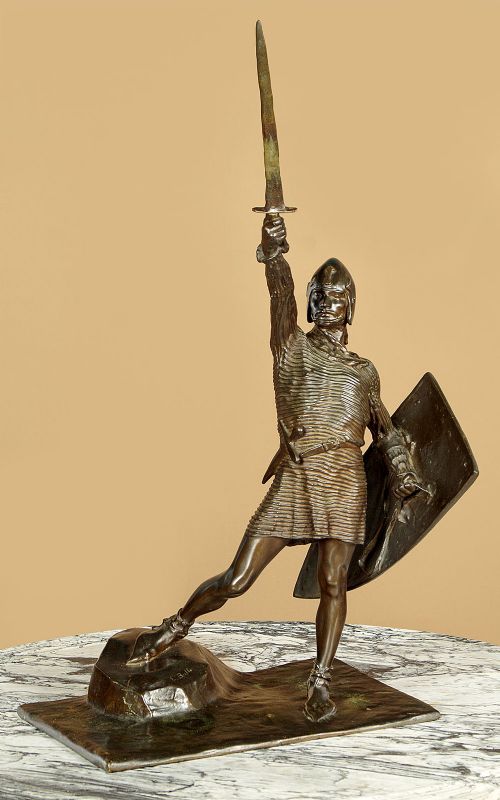
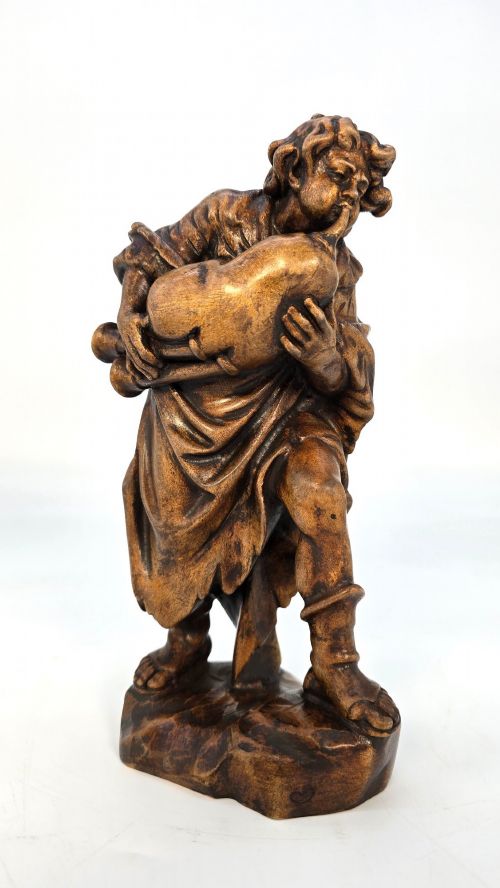
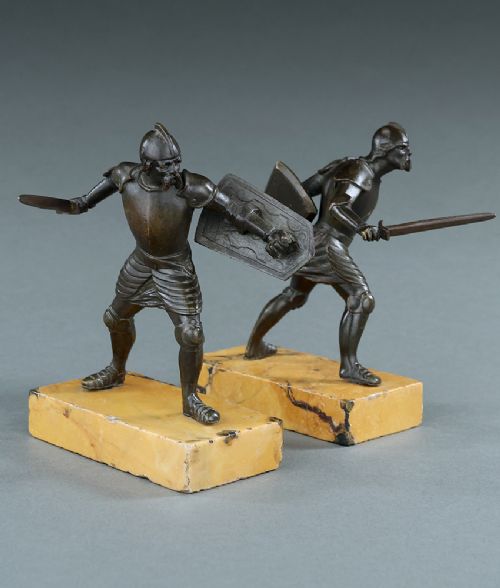
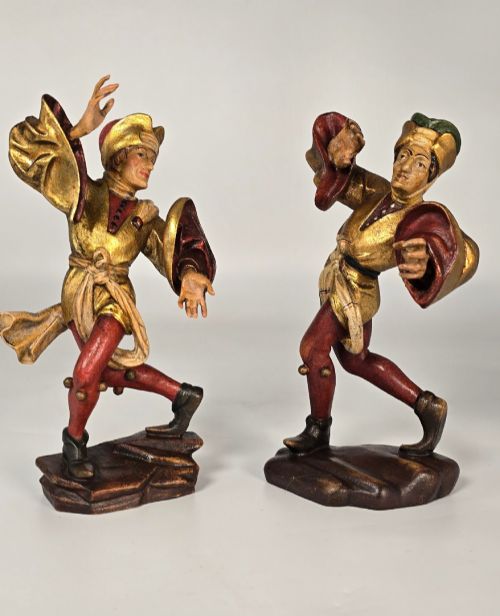
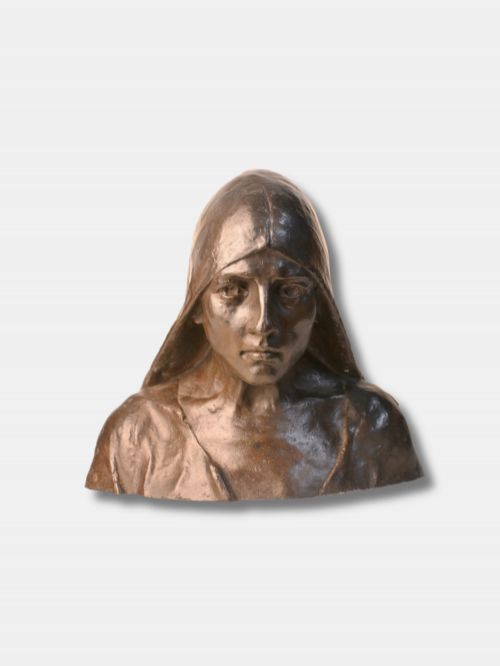
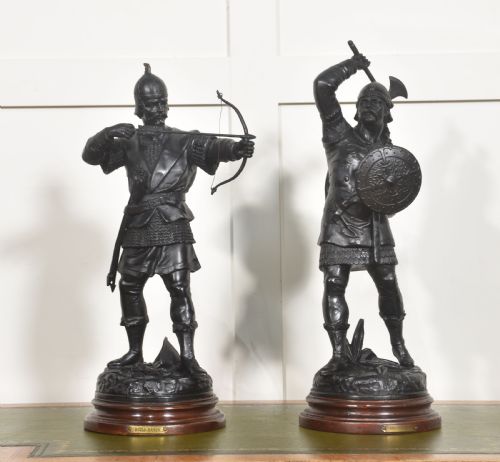
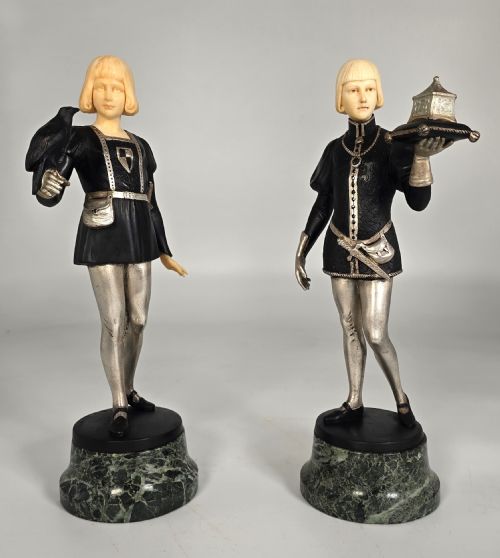
Later reinterpretations from the nineteenth and early twentieth centuries offer bronze knights, spelter figures and limewood carvings influenced by Gothic and Renaissance styles. These later objects translate medieval subjects into decorative works suited to Victorian and Edwardian interiors.
How They Were Made
Stone works utilise limestone, sandstone and carved marble, shaped by masons for structural architectural roles or detailed relief panels. Bronze and metal pieces employ casting techniques, sometimes finished with patination, silver inlay or gilding to emulate earlier devotional objects.
Medieval Sculpture Retail Price Guide 2026
Typical asking prices for medieval sculpture among the pieces listed under this phrase on Sellingantiques today, from the lower quarter to the upper quarter. They describe what is for sale here now, not the wider market.
One model medieval house was constructed entirely from matchsticks around nineteen-ten.
What Varies in Quality
The degree of hand-carving articulation and depth of relief distinguish finer sculptures from simpler decorative items. Master carvers achieved nuanced facial expressions and naturalistic drapery folds that elevate liturgical figures beyond standard workshop production.
The preservation of original surface finishes, such as polychrome pigment or historic gilding on wood and stone, significantly impacts the character of a piece. Structural integrity also matters, separating intact architectural fragments from heavily restored examples.
Emile Jespers·Gotthilf Jaeger·Louis-François-Frémiet
The Medieval Sculpture Glossary
- Corbel
- A structural stone or wood bracket projecting from a wall to support a weight above. Medieval examples often feature carved human or grotesque faces.
- Polychrome
- Decoration consisting of several colours applied to the surface of wood, stone or plaster sculpture. It was widely used in medieval altarpieces to bring figures to life.
- Giltwood
- Wood carved and subsequently decorated with thin sheets of gold leaf. This technique was favoured for ecclesiastical furnishings and altarpieces.
- Pieta
- A subject in Christian art depicting the Virgin Mary cradling the dead body of Jesus. These sculptures are typically rendered in carved oak or stone.
- Apotropaic
- Intended to ward off evil or malicious influences. Stone corbels often served this protective function on medieval buildings.
Medieval Sculpture: Frequently Asked Questions
What is the difference between stone and wood sculptures?
Stone sculptures were predominantly created for architectural placement or exterior display, utilising limestone and sandstone. Wood carvings were usually created for interior devotional settings, such as altarpieces and private chapels.
Both mediums reflect the dominant religious themes of their respective periods but require different conservation approaches today.
How should I display a medieval architectural fragment?
Mount stone corbels or wood panels securely on structural walls using appropriate metal brackets designed for heavy loads. Ensure the display location avoids direct sunlight and dramatic humidity fluctuations.
Allow sufficient space around the object so its sculptural form and historical texture remain the primary focus of the room.
Can I mix nineteenth-century Gothic revival pieces with older items?
Nineteenth-century revival works share stylistic roots with medieval originals, making them visually compatible in a curated interior. Combining pieces allows you to contrast authentic period patina with later interpretations.
Focus on matching materials, such as pairing dark oak furniture with oak carvings, to maintain a cohesive aesthetic across different eras.