



Matching Chairs
These matching antique chairs bring uniform sets and paired seating from past centuries into modern rooms.
Matching Chairs
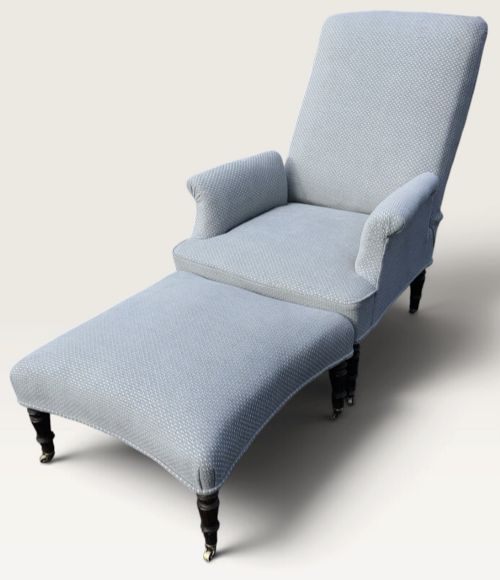
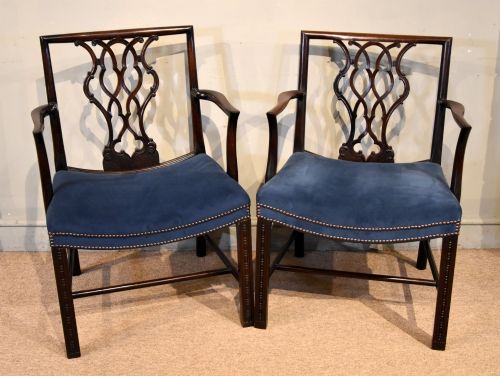
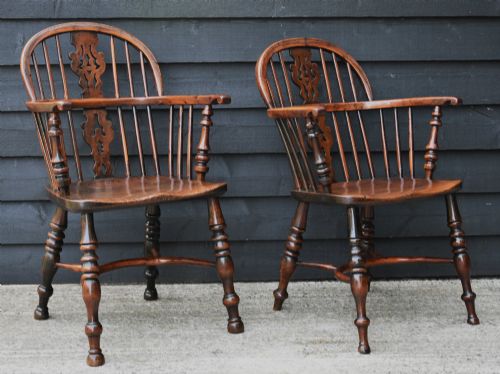
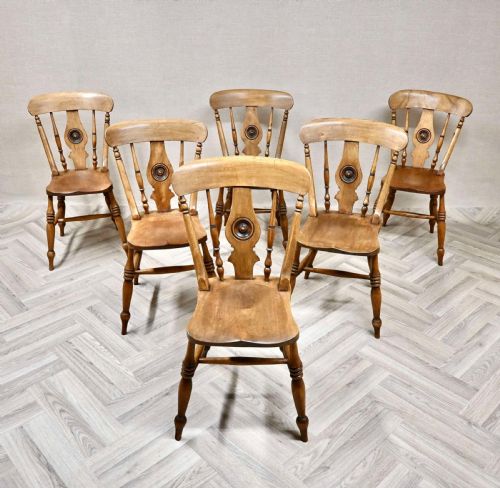
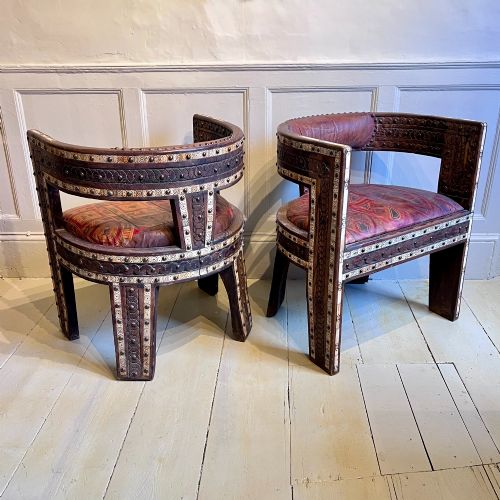
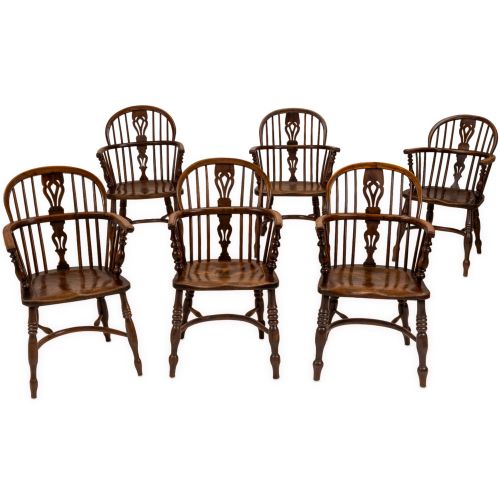
When you search for matching antique chairs, you encounter pairs, sets of four, six, twelve, and larger groupings spanning domestic seating, dining arrangements, and occasional forms. The selection includes Windsor armchairs in yew and elm, mahogany dining chairs from the Georgian and William IV periods, and folk chairs from European regions.
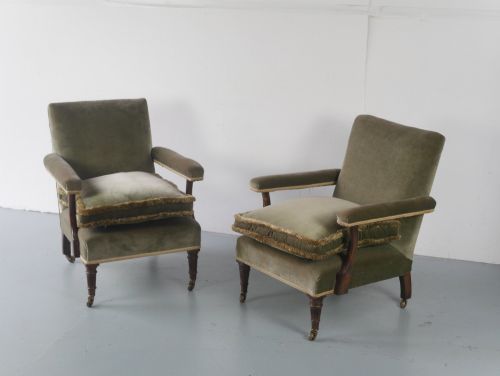
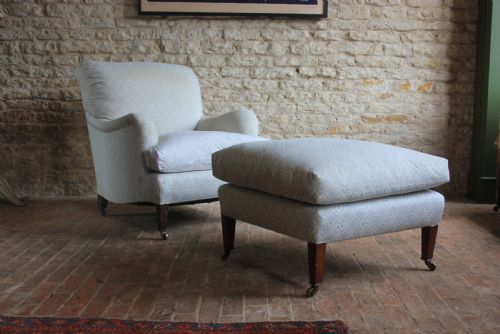
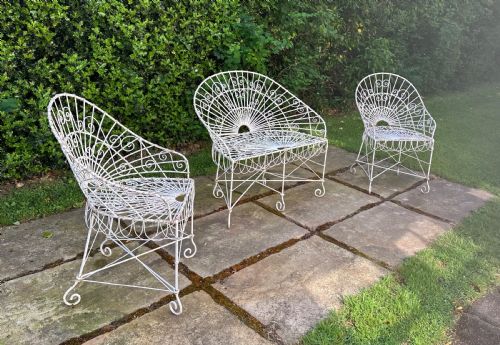
You also find salon chairs, Edwardian inlaid occasional chairs, bentwood bistro sets, and cast iron garden seating. Many of these pieces originate from the nineteenth century, alongside seventeenth-century Scottish clan chairs and twentieth-century Edwardian or Louis XVI style suites.
The most frequent items on this page are matched pairs and larger sets of dining chairs or kitchen chairs constructed from traditional woods like oak, walnut, and mahogany. These groupings allow buyers to furnish a space with historical consistency across multiple seats.
Materials and Construction
Cabinet makers and joiners utilised native and imported hardwoods including mahogany, oak, yew, elm, and walnut to build structural frames. Windsor designs combined yew and elm, while formal dining sets relied on solid mahogany or pollard oak.
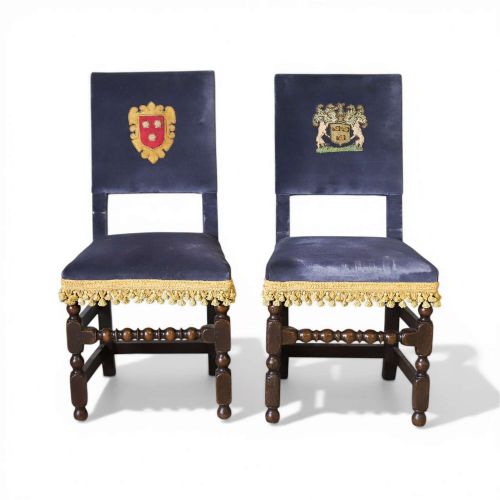
Upholstery techniques involved traditional stuff-over methods, buttoned backs, and silk damask or velvet coverings adorned with heraldic crests or parrot designs. Metalwork also appears in cast iron garden sets, alongside bentwood construction for bistro seating.
Matching Chairs Retail Price Guide 2026
Typical asking prices for matching chairs among the pieces listed under this phrase on Sellingantiques today, from the lower quarter to the upper quarter. They describe what is for sale here now, not the wider market.
Several chairs feature silk parrot designs, bringing exotic birds into nineteenth-century parlours.
Quality and Distinction
The distinction between tiers of seating rests on the integrity of the timber, the crispness of carved details such as armorial crests or inlay, and the uniformity across a matched set. Original surfaces and patination elevate a piece well above later restorations or mismatched elements.
Mastery of construction, seen in pegged joints, crinoline stretchers, and balanced proportions, separates standard vernacular seating from works attributed to notable cabinet makers and workshops.
Gillows·Howard and Sons·James Shoolbread·Val D Osne
The Matching Chairs Glossary
- Windsor armchair
- A wooden chair featuring a saddle-sculpted seat into which the back and legs are directly wedged. These typically utilise yew and elm.
- Crinoline stretcher
- A curved stretcher connecting the legs of a Windsor chair that strengthens the lower structure. It provides additional bracing for daily use.
- Armorial chair
- Seating displaying a heraldic crest or coat of arms, often carved into the wood or embroidered in upholstery. These denote specific family lineages.
- Bentwood
- Wood softened through steaming and then bent into curved shapes under pressure. This technique produces lightweight seating such as bistro chairs.
- Occasional chair
- A light, decorative chair designed for periodic use in a parlour or drawing room. They frequently incorporate inlaid wood and delicate frames.
Matching Chairs: Frequently Asked Questions
What defines matching antique chairs?
Matching antique chairs refer to pairs, sets, or suites produced in the same period sharing timber, form, and decorative style. They provide uniform seating for dining rooms and parlours.
Such groupings range from kitchen Windsor chairs to formal mahogany dining sets and upholstered salon furniture.
How do I identify chair periods?
Periods are identified through structural characteristics, timber choices, and prevailing design styles such as Georgian, Victorian, or Edwardian. Construction methods like hand-cut joinery offer further chronological clues.
Comparing leg shapes, carving details, and upholstery styles helps distinguish eighteenth-century forms from nineteenth-century revivals.
Where were these chairs used?
These chairs served multiple functions across historic interiors, from grand dining rooms and libraries to rustic kitchens and outdoor gardens. Specific forms were tailored to each domestic setting.
Armchairs and salon suites occupied reception rooms, while Windsor and kitchen chairs furnished domestic living spaces and country homes.
How do I care for antique wood?
Preserving antique wood requires maintaining stable indoor humidity and keeping chairs away from direct heat sources and sunlight. Gentle dusting protects the historic polish and patination.
Avoid chemical polishes and instead rely on traditional wax applications sparingly to nourish dry timber surfaces over time.