

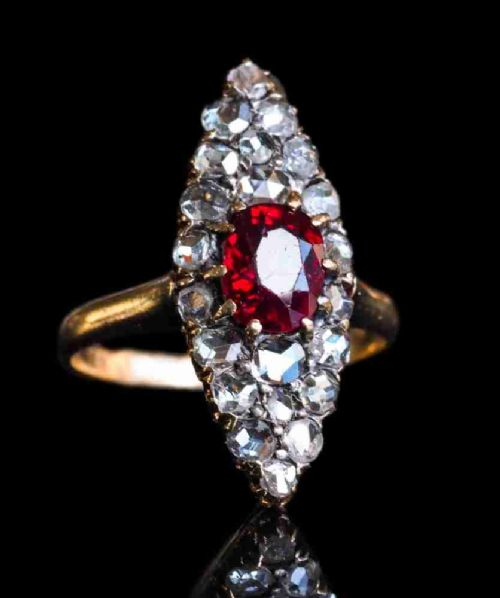


Marquise Diamond Dress Ring
The marquise diamond dress ring offers an elongated silhouette that flatters the hand while showcasing brilliant cluster settings.
Marquise Diamond Dress Ring
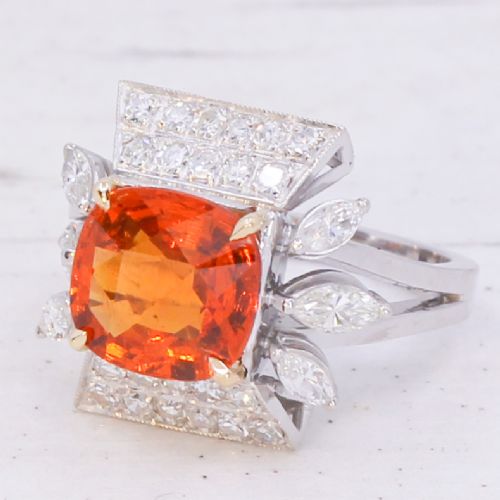
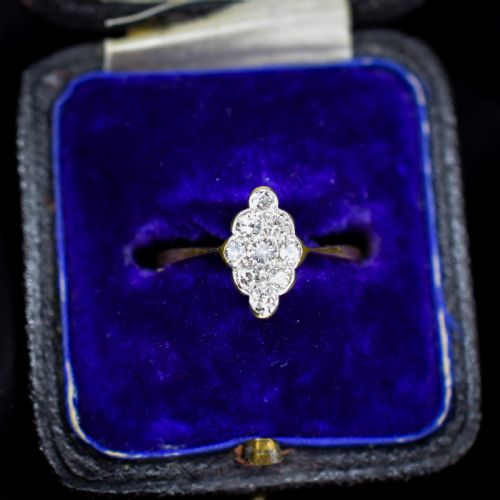
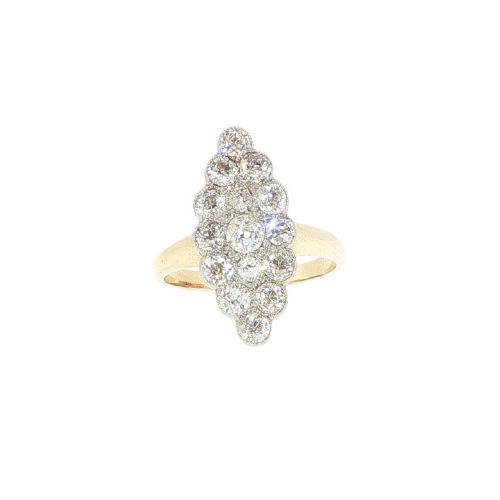
A marquise diamond dress ring centres on a pointed, boat-shaped profile known historically as a navette design, which stretches visually along the finger. Buyers encounter this form across periods spanning from Victorian and Edwardian eras through Art Deco to mid-century decades.
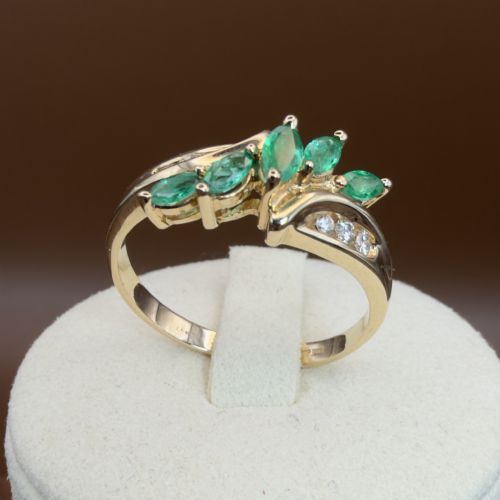
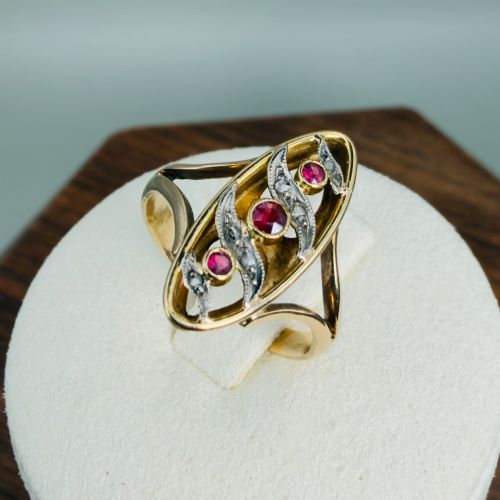
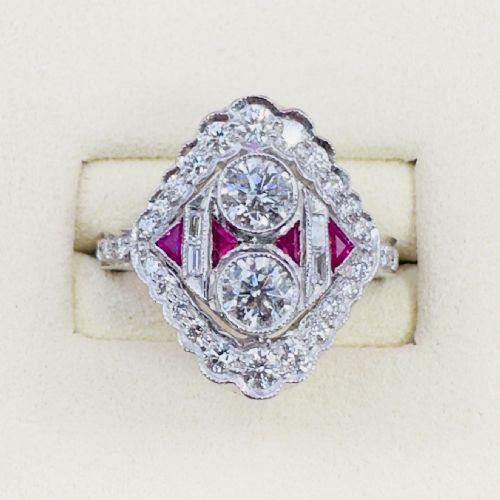
The selections on this page pair the characteristic marquise or navette outline with central diamonds accompanied by contrasting gems such as blue sapphires, rubies, emeralds and natural pearls. These cocktail and dress rings serve as prominent statement pieces originating from workshops in Britain, France, and Italy.
Makers construct these pieces using combinations of platinum and various purities of gold, including yellow, white, and standard 18ct varieties. The resulting designs merge geometric Art Deco symmetry with earlier organic Victorian cluster arrangements.
Materials and Construction Techniques
Craftsmen mount old cut and marquise cut diamonds alongside coloured stones into robust settings of platinum and 18ct gold. Platinum provides the structural strength required for delicate claw and bezel arrangements, particularly in Edwardian and Art Deco examples.
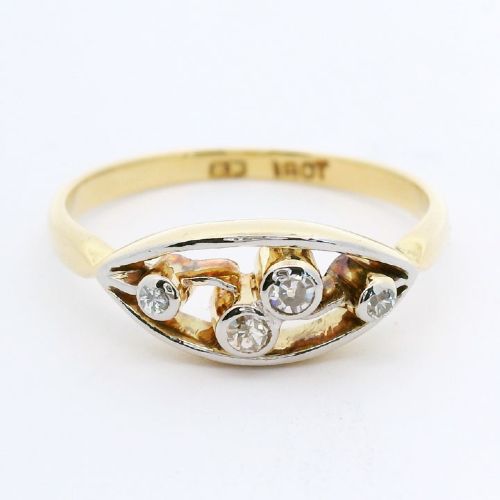
Goldsmiths integrate traditional techniques such as bead setting and open-work galleries to maximise light entry into the stones. Hallmarks stamped into the gold and platinum bands record regional assay offices and manufacturing standards from periods including the Victorian era and the 1920s.
Several rings manage to combine diamonds, pearls, and turquoise all at once, proving that Victorian makers truly embraced maximalist design.
Distinctions in Quality and Execution
Quality separates ordinary production from superior work through the precision of stone matching and the delicacy of the metalwork. Master jewellers ensure that accent stones share consistent colour grades and proportions, maintaining symmetry across the elongated navette outline.
The integration of the gallery and the weight of the platinum or gold substantiate the construction standard. Superior examples display crisp chasing and secure settings that preserve the structural integrity of complex cluster designs over generations.
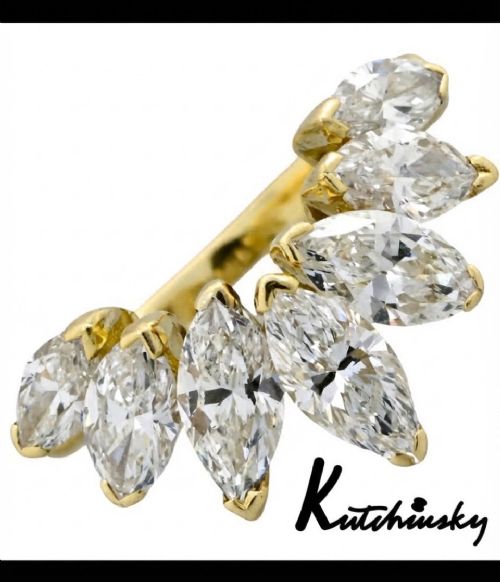
Kutchinsky
The Marquise Diamond Dress Ring Glossary
- Navette
- A boat-shaped gemstone setting that forms an elongated silhouette on the finger. This term is often used interchangeably with marquise.
- Old cut
- A diamond facet style characterised by a small table, high crown and open culet, typical of stones cut before the advent of modern brilliant cutting.
- Cluster ring
- A ring design featuring a central gemstone surrounded by a border of smaller stones, frequently diamonds or sapphires.
- Cocktail ring
- A large, prominent ring worn to evening social events, designed to draw immediate attention through scale and colour.
Marquise Diamond Dress Ring: Frequently Asked Questions
How do I care for antique cluster rings?
Antique cluster rings require gentle handling due to their delicate old cut stones and fine metal settings. Professional cleaning ensures that accumulated debris is removed without straining aged claws.
Owners should store these pieces individually in soft pouches to prevent contact with harder jewellery items that might scratch the gold or platinum.
Are these rings suitable for daily wear?
Many of these pieces were constructed for formal evening use as cocktail or dress rings rather than heavy everyday tasks. Platinum and 18ct gold provide durability, but antique settings benefit from occasional inspection by a specialist.
Removing the ring during manual work preserves the delicate claw settings and prevents potential loss of accent stones.
How are different periods identified?
Stylistic cues such as Edwardian platinum lacework, Victorian yellow gold clusters, and Art Deco geometric symmetry distinguish the eras. Hallmarks stamped inside the bands provide official assay office stamps and date letters.
Comparing the cut of the diamonds, such as old European cuts versus mid-century cuts, further clarifies the manufacturing period.