





Marquetry Wood Mirror
Marquetry wood mirror designs bring intricate floral and geometric patterns into domestic spaces, offering both reflective practicality and fine woodworking.
Marquetry Wood Mirror
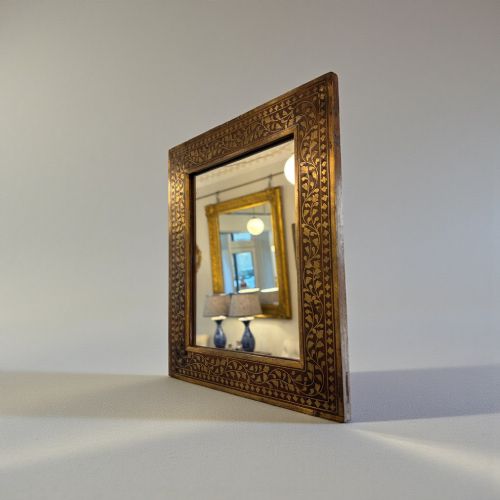
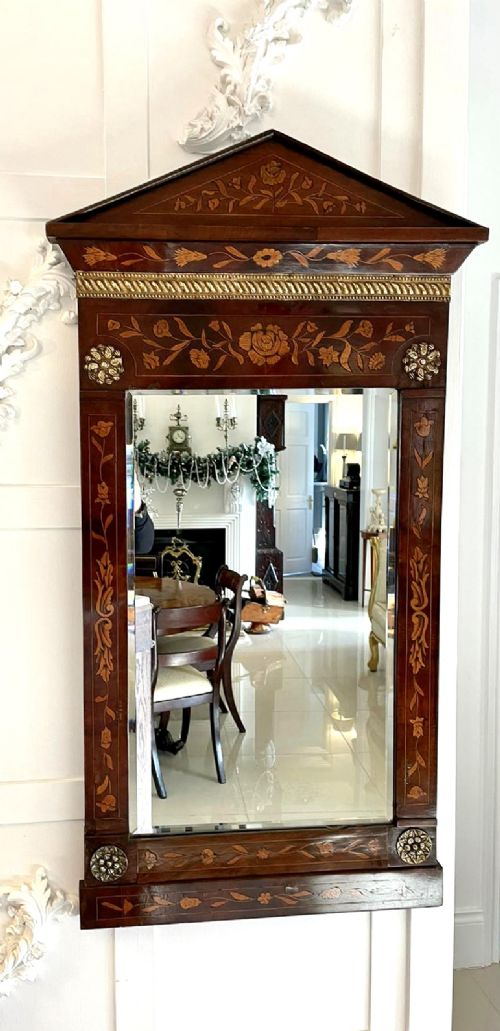
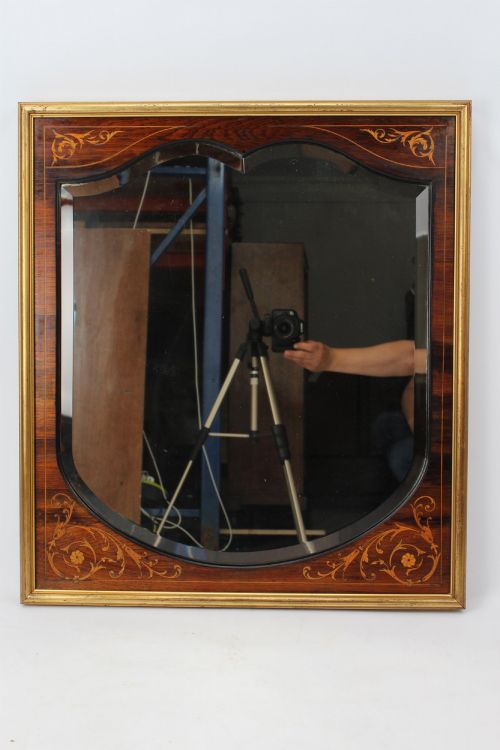
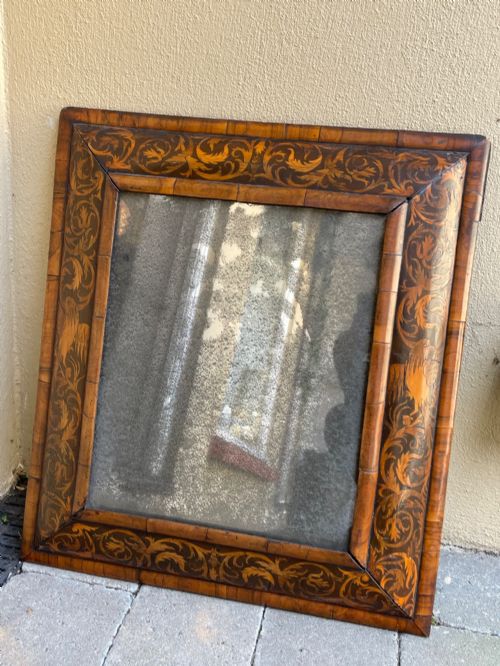
A marquetry wood mirror serves as a decorative focal point in a room, combining glass with patterned wooden veneers. Buyers search for these pieces to add texture and historical character to interior walls or dressing spaces.
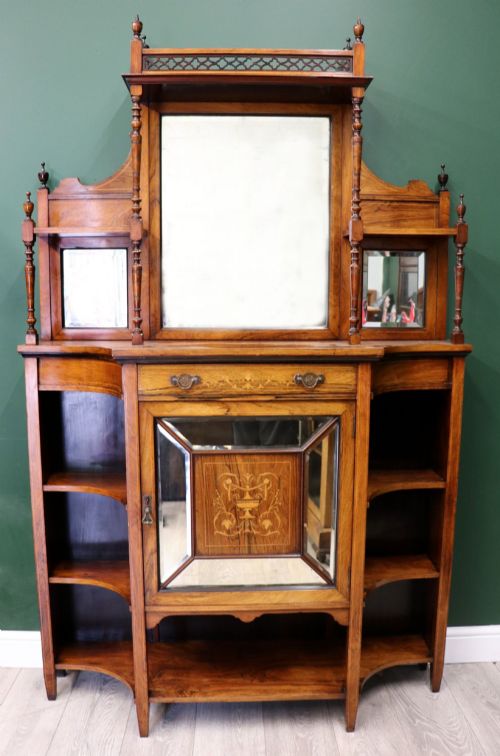
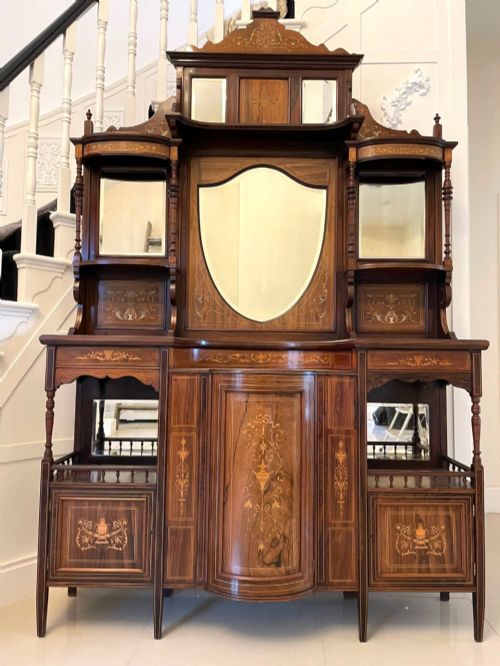
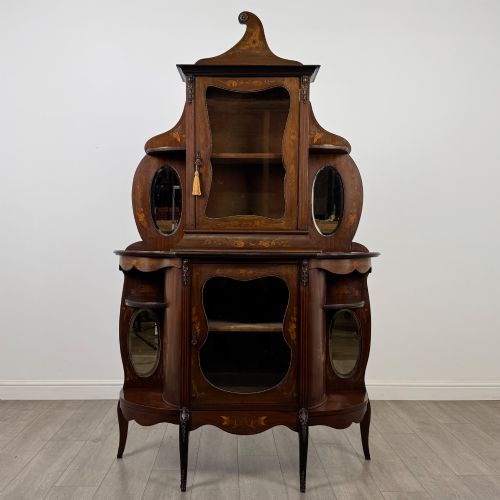
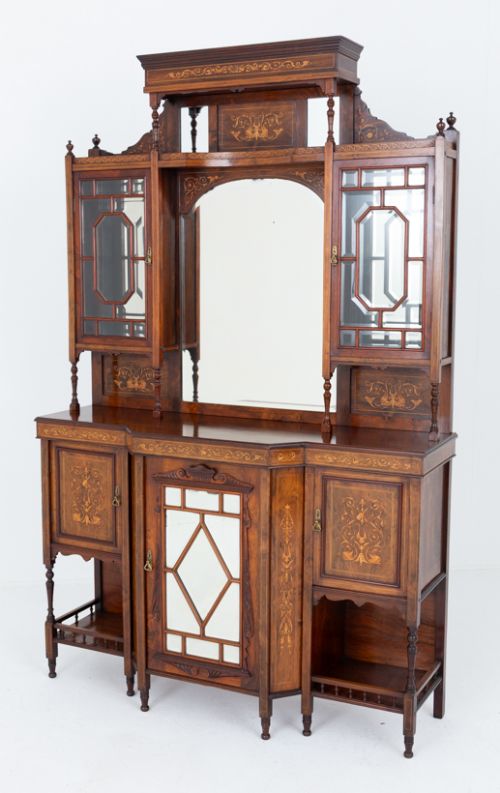
The selection ranges from compact toilet swing mirrors placed on dressing tables to large overmantel mirrors intended for hanging above fireplaces. Wall mirrors and display cabinets with integrated mirrors also appear across the selection.
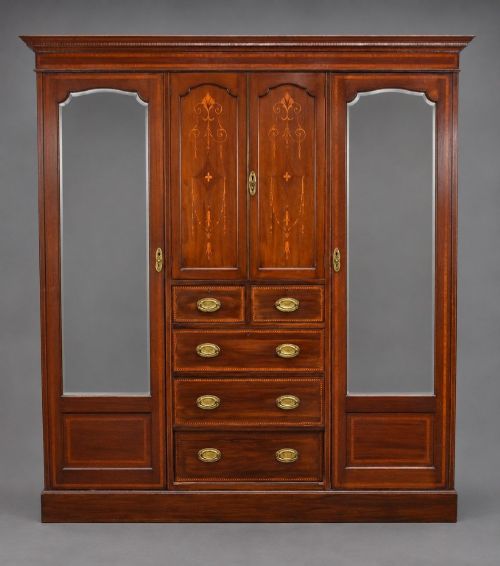
Victorian and Edwardian pieces dominate the offerings, alongside examples from the Georgian period and the year nineteen hundred. Makers often utilised mahogany, rosewood, walnut, and satinwood as foundations for detailed veneer work.
Materials and Construction
Craftsmen built these pieces using solid cabinet timbers such as mahogany, walnut, and rosewood, applying contrasting veneers of boxwood and satinwood to create pictorial or geometric marquetry panels. Brass fittings and glass plates complete the construction.
The technique involves cutting thin sections of wood to form interlocking motifs, which are then glued onto the carcase or frame surface before polishing. Certain items incorporate brass inlay or carving alongside the wood veneers.
Marquetry Wood Mirror Retail Price Guide 2026
Typical asking prices for marquetry wood mirror among the pieces listed under this phrase on Sellingantiques today, from the lower quarter to the upper quarter. They describe what is for sale here now, not the wider market.
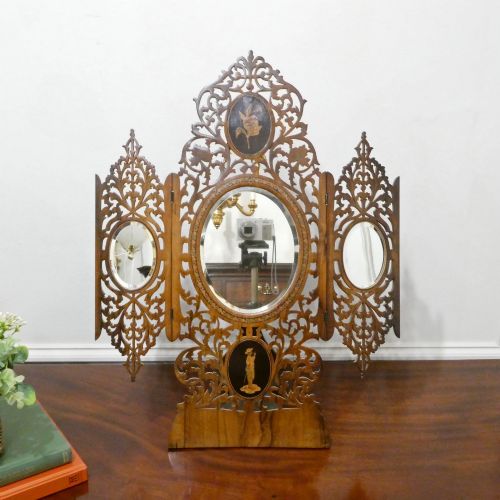
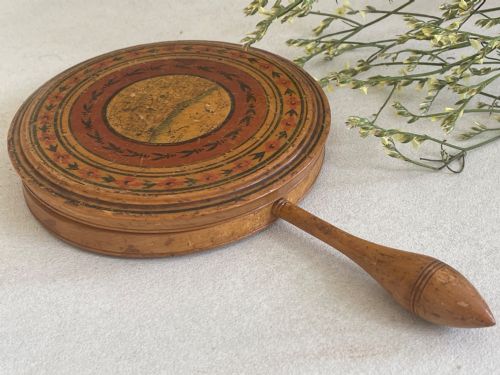
Travel mirrors from Sorrento pack olive wood and folding stands into pocket-sized cases for the Victorian tourist.
Assessing Quality in Marquetry Wood Mirrors
The precision of the veneer cutting and the complexity of the inlaid motifs distinguish superior examples from simpler production. Finer pieces demonstrate tight joints where different wood species meet without visible gaps.
Depth of colour and the choice of secondary woods also indicate the standard of manufacture. Well-executed pieces balance the grain of the background timber against the bright contrast of boxwood and satinwood details.
Edwards and Roberts·A.J Rowley
The Marquetry Wood Mirror Glossary
- Marquetry
- The art of applying decorative pieces of veneer to a structure to form ornamental patterns or pictures. This technique defines the surface decoration of the frames.
- Veneer
- A thin layer of fine wood applied to a coarser timber base to provide a decorative exterior. These thin sheets allow artisans to form complex geometric or floral arrangements.
- Overmantel Mirror
- A large mirror designed specifically to hang on the wall directly above a fireplace mantelpiece. These substantial items often feature extensive woodwork or shelf attachments.
- Toilet Swing Mirror
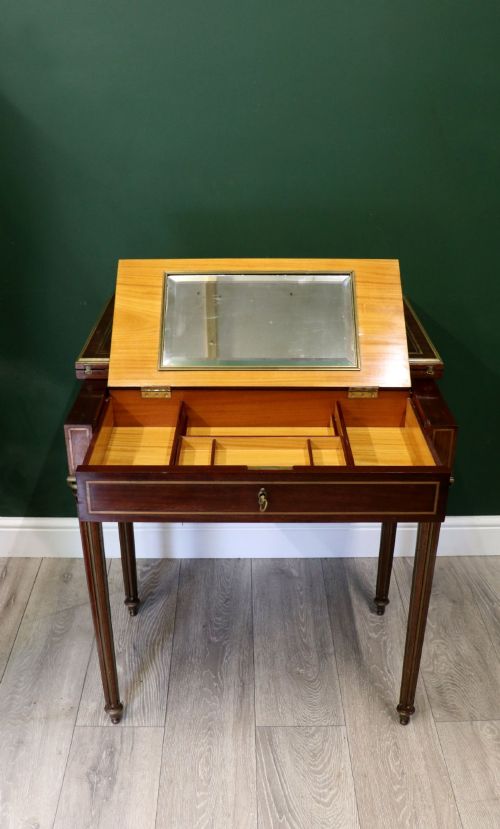
- A small dressing table mirror mounted on pivots within a vertical frame, allowing the glass angle to adjust. Such pieces frequently incorporate small drawers or stands beneath.
- Satinwood
- A durable, yellowish wood native to Ceylon and India used extensively for contrasting inlay work. Its reflective grain catches the light effectively.
Marquetry Wood Mirror: Frequently Asked Questions
How do I clean a marquetry mirror frame?
Dust the wooden frame gently with a dry, soft cloth to prevent abrasive particles from scratching the surface polish. Avoid using liquid cleaners or excessive moisture near the veneer edges.
Apply a micro-crystalline wax periodically to nourish the wood and maintain its sheen without harming the historical finish. Keep the mirror away from direct sunlight and damp environments to protect the glue beneath the veneers.
Where should I hang an overmantel mirror?
Position the overmantel mirror centrally above a fireplace mantel to reflect light and create a sense of space in a reception room. Ensure the wall fixings match the weight of the timber frame and glass.
Leave sufficient clearance between the top of the mantel and the base of the frame to balance the proportions of the wall. This placement follows traditional interior arrangements seen in period homes.
What is the difference between marquetry and inlay?
Marquetry involves covering the entire surface of a structure with assembled pieces of veneer to form a picture or pattern. The wooden elements are cut together before application to the carcase.
Inlay generally refers to setting pieces of contrasting material into recesses carved directly into a solid wooden background. Both techniques appear across the listed furniture and mirror frames.
How do I date an antique wood mirror?
Examine the construction methods, the wood species utilised, and the style of the decorative carving or veneer work. Victorian and Edwardian examples often feature rosewood or mahogany with dense floral marquetry.
Look at the reverse of the piece for backboards, old labels, or screw types that indicate the manufacturing period. Georgian items generally display simpler structural frames with distinct cabinet-making traits.