



Marquetry Wood Chair
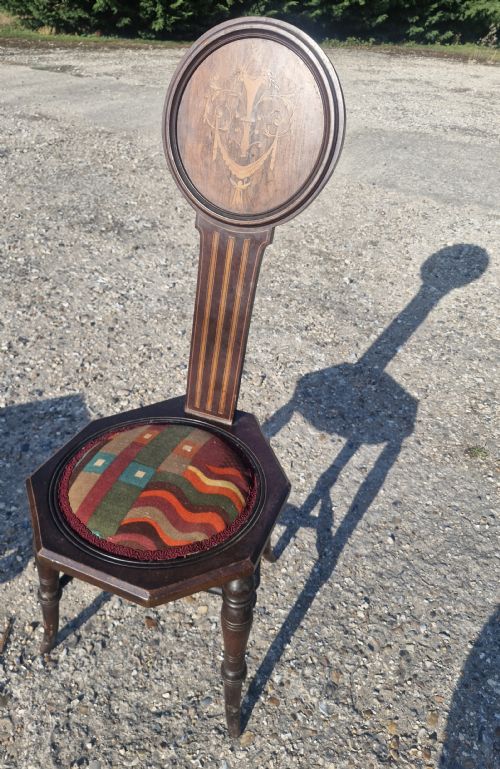
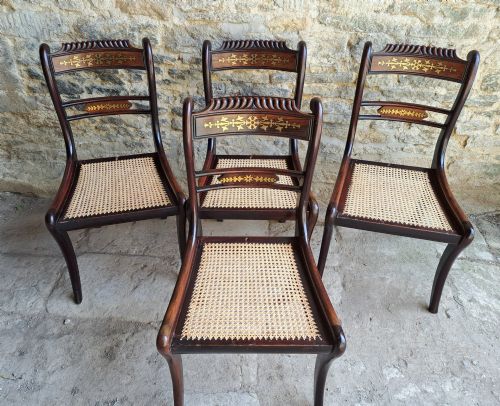
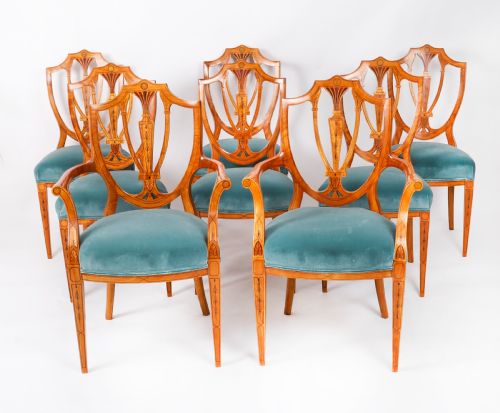
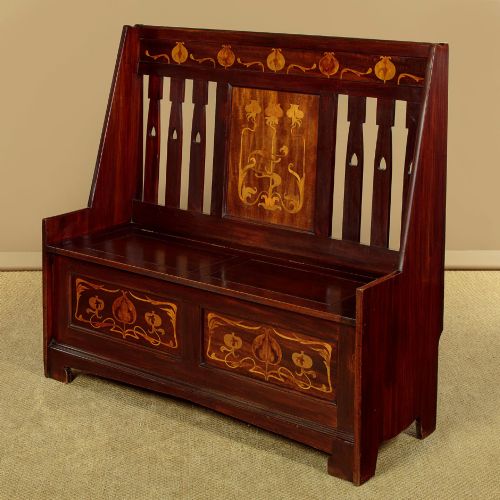
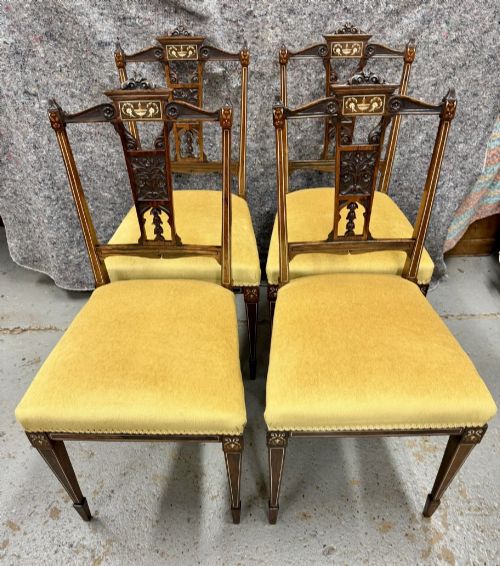
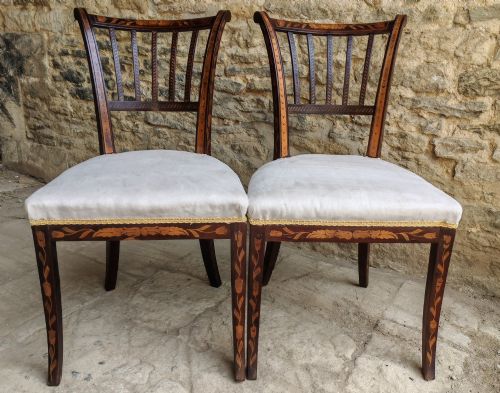
A marquetry wood chair brings centuries of intricate floral and geometric decorative veneers directly into a room.
Marquetry Wood Chair
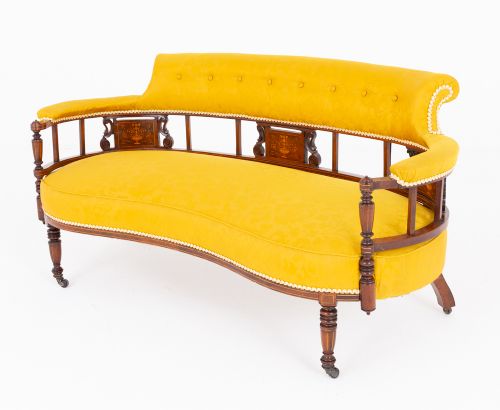
A marquetry wood chair is a seating piece decorated with fitted wood veneers that form pictorial or ornamental patterns. Buyers searching for a marquetry wood chair encounter diverse forms ranging from dining chairs and armchairs to corner chairs, rocking chairs, salon chairs, and occasional chairs.
The selections span multiple historical periods including the Georgian era, the Regency period, the Victorian age, and the Edwardian epoch. Makers constructed these seats in varied timbers such as mahogany, rosewood, satinwood, walnut, and beech, frequently integrating detailed wood inlay and brass elements.
The most common examples on this page are Edwardian and Victorian armchairs, dining chairs, and salon chairs featuring inlaid mahogany or rosewood surfaces. Alongside standard seats, the listings include specialised forms like piano stools, settles, and folding chairs.
Materials and construction
Cabinetmakers built these chairs using dense primary timbers like mahogany, rosewood, walnut, and satinwood for the structural frames. Artisans then applied contrasting fine wood veneers to the backsplats, seats, and rails to create elaborate marquetry motifs.
Techniques relied on precise hand-cutting of thin wood sections, fitting them together like puzzles before gluing them onto a solid base. Supplementary materials such as brass wire or plates, alongside upholstered panels in velvet and woven fabric, completed the decoration.
Marquetry Wood Chair Retail Price Guide 2026
Typical asking prices for marquetry wood chair among the pieces listed under this phrase on Sellingantiques today, from the lower quarter to the upper quarter. They describe what is for sale here now, not the wider market.
Craftsmanship and design standards
Quality in these seating pieces rests upon the precision of the veneer work and the integrity of the timber framing. Superior examples display seamless joins within the marquetry, where individual wood species fit tightly without visible gaps or excessive filler.
The refinement of the carved details, the stability of the joinery, and the harmony of the contrasting wood grains distinguish exceptional pieces from standard workshop output. Original design coherence across a matched set further elevates the standing of the furniture.
James Shoolbred & Co·Cowtan & Sons·Jenks & Wood
The Marquetry Wood Chair Glossary
- Marquetry
- Decorative veneer work assembled from pieces of wood, shell, or ivory to form pictorial or geometric designs on a solid ground. This technique transforms plain timber surfaces into elaborate visual displays.
- Veneer
- A thin slice of figured wood applied over a secondary timber base to provide a decorative exterior finish. Cabinetmakers select highly grained wood sections for this purpose.
- Satinwood
- A durable, yellowish timber prized for its lustrous sheen and smooth texture, frequently utilised in fine 18th and 19th-century furniture. It contrasts sharply with darker woods like mahogany.
- Corner chair
- An armchair designed to fit into the corner of a room, featuring a square seat set diagonally with a curved backrest supported by posts. These pieces often serve as writing or occasional seats.
Marquetry Wood Chair: Frequently Asked Questions
What is a marquetry wood chair?
A marquetry wood chair is a seating piece decorated with fitted wood veneers that create pictorial or geometric patterns on the surface.
These chairs range from formal dining seats to occasional armchairs produced across several centuries.
How do I care for inlaid wood?
Inlaid wood requires gentle cleaning with a soft cloth and protection from direct sunlight and extreme humidity changes.
Applying appropriate wax preserves the polish and prevents the delicate veneer pieces from drying out or lifting.
Where were these chairs placed?
These chairs served multiple domestic functions in parlours, drawing rooms, dining spaces, and bedrooms depending on their specific form.
Smaller occasional and corner chairs occupied reception rooms, while larger sets furnished formal dining tables.
How do I distinguish Edwardian from Victorian styles?
Edwardian seating often displays lighter satinwood highlights, delicate Sheraton Revival influences, and airier proportions derived from the late eighteenth century.
Victorian pieces typically present heavier rosewood or mahogany frames, darker finishes, and sturdier structural forms.