

Marquetry Wood Bookcase
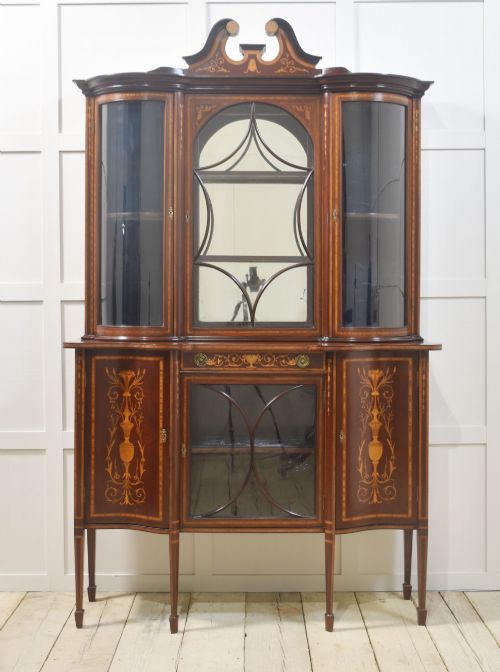
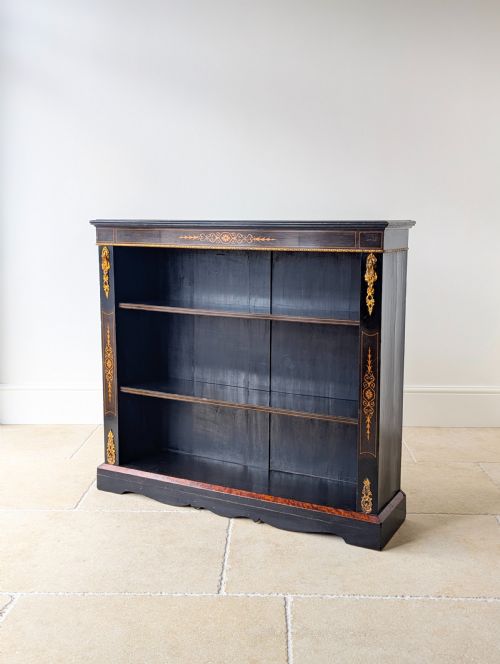
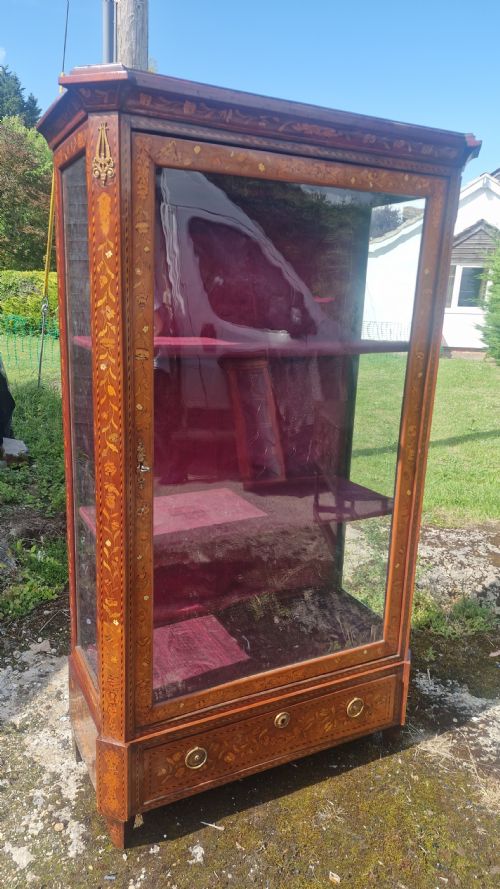
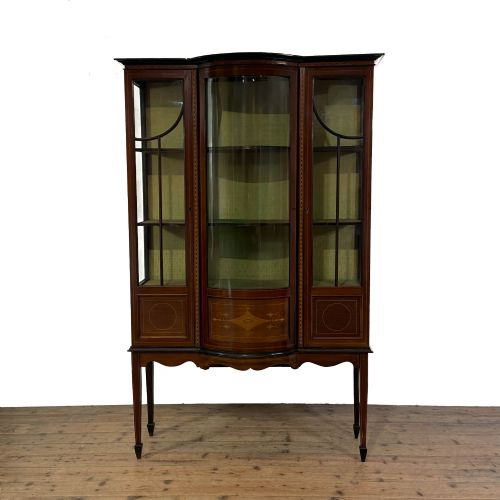
A marquetry wood bookcase brings patterned timber work and disciplined storage together, offering a stately home for books and display pieces.
Marquetry Wood Bookcase
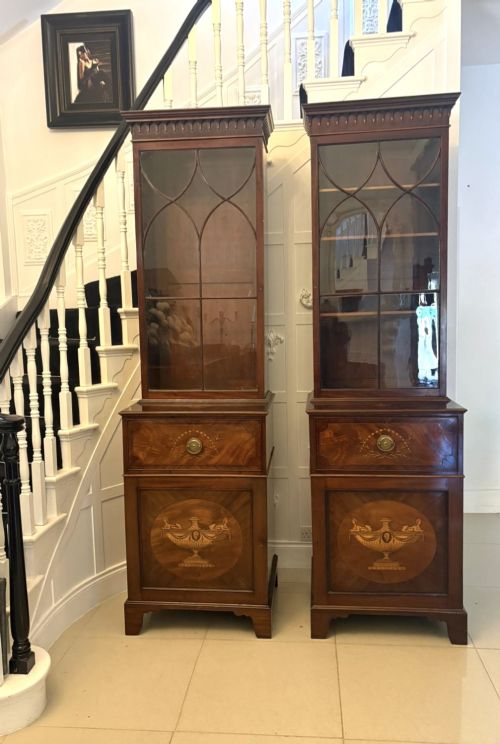
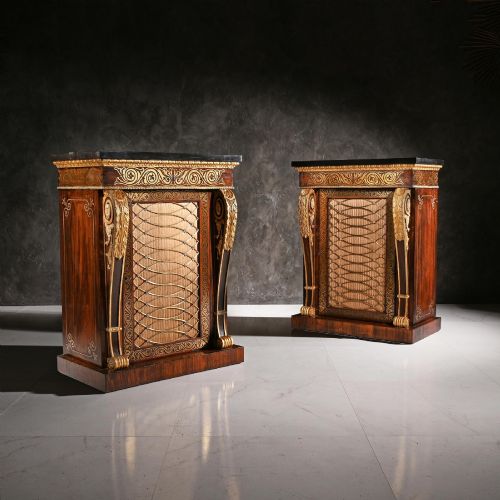
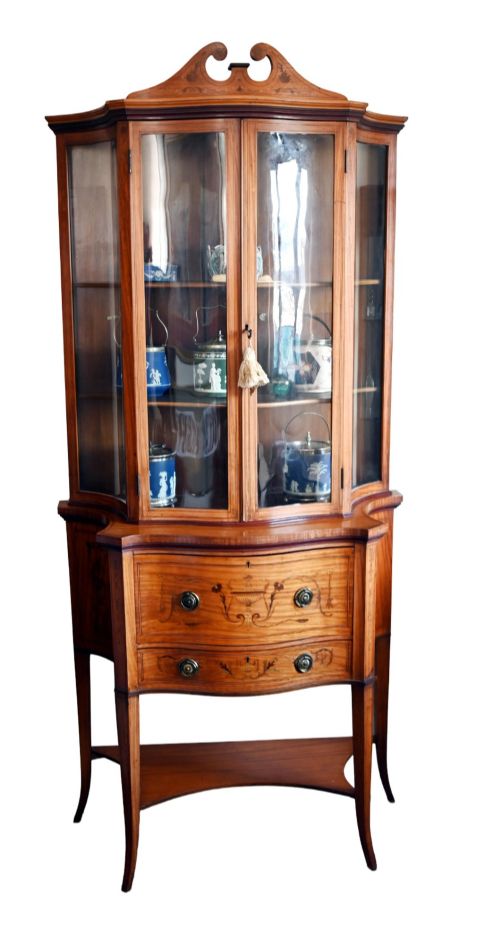
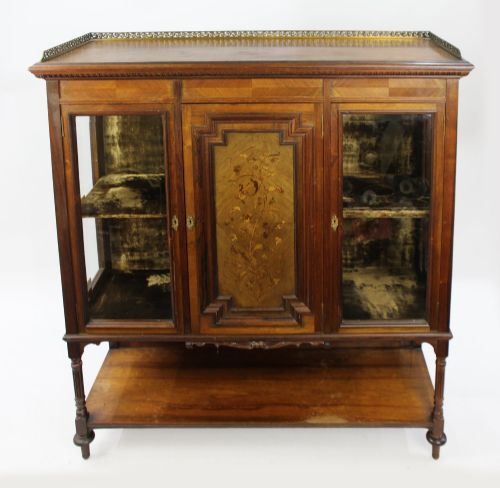
A marquetry wood bookcase combines functional shelving with decorative wood veneers, appearing across Victorian and Edwardian periods in various forms. Buyers investigating this phrase commonly encounter display cabinets, bureau bookcases, and glazed storage units rather than simple open shelves.
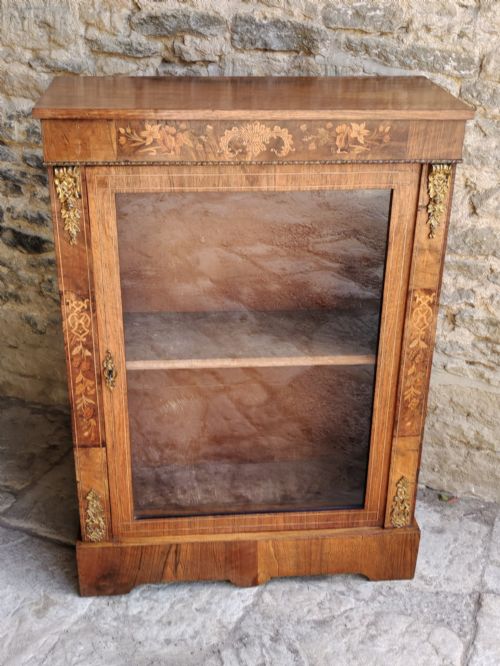
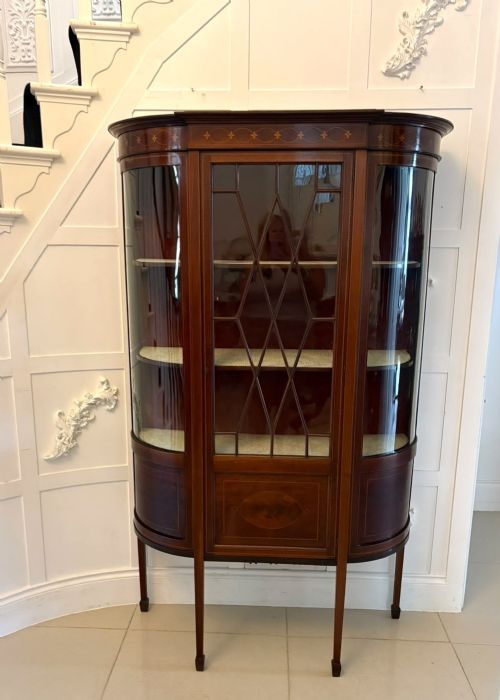
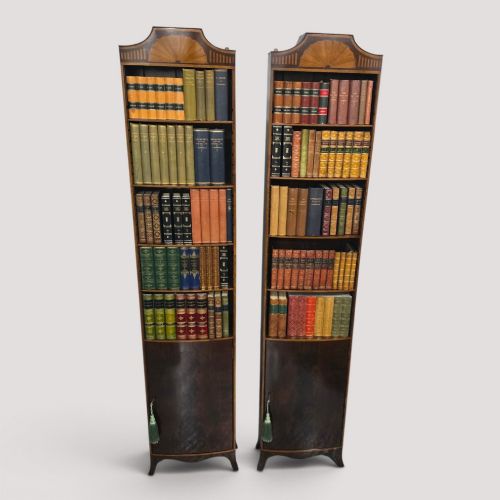
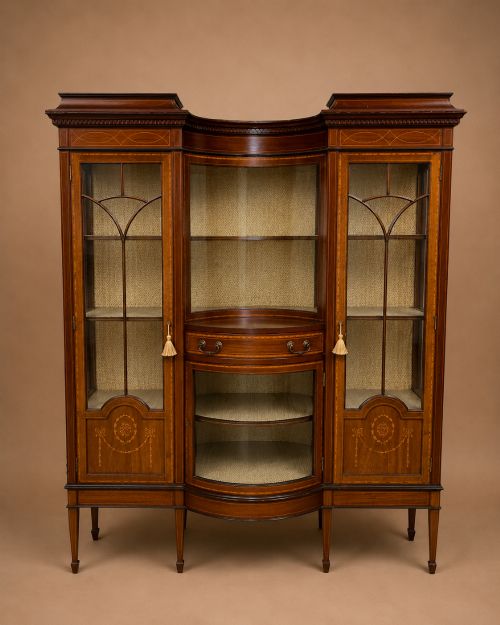
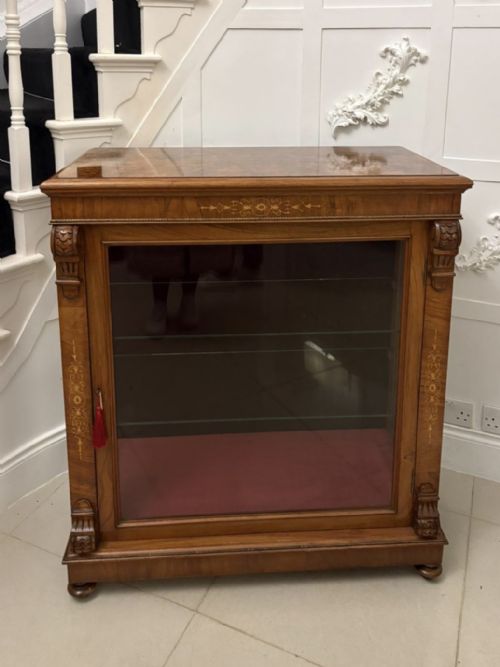
The architectural shapes range from breakfront designs and bow-ended display cases to narrow pier cabinets and corner units. These pieces originate primarily from nineteenth and early twentieth-century workshops, drawing on stylistic revivals like Sheraton and Dutch Baroque.
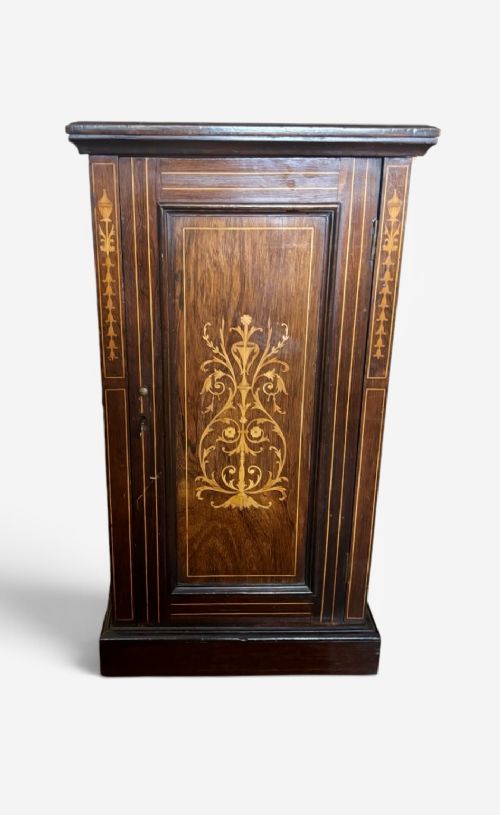
Makers utilised dark and figured timbers as foundations for intricate floral and geometric inlay work, creating focal points for period libraries and drawing rooms. The surviving examples reflect a period when domestic furniture prioritized both scholarly utility and visual ornament.
Materials and Technique
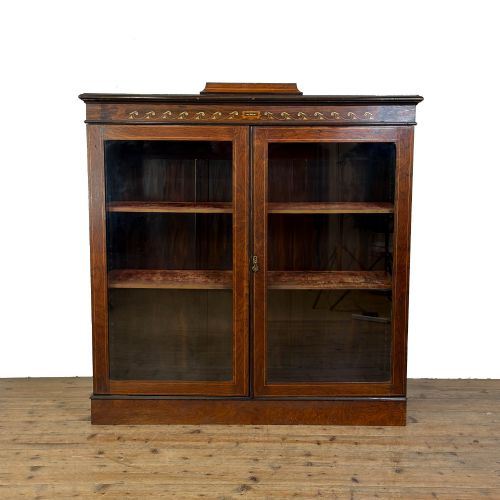
Cabinetmakers constructed the carcases using solid timbers like mahogany, walnut, and rosewood, often applying fine veneers over secondary woods to achieve stable expansive surfaces. Satinwood, kingswood, and various contrasting fruitwoods served for the detailed marquetry panels and stringing lines.
Glass panels were fitted into glazed doors to protect volumes and display items, sometimes accompanied by brass mounts and ormolu details. The contrasting timber veneers were cut precisely and laid by hand to form floral, ribbon, or urn motifs across the front elevations.
Marquetry Wood Bookcase Retail Price Guide 2026
Typical asking prices for marquetry wood bookcase among the pieces listed under this phrase on Sellingantiques today, from the lower quarter to the upper quarter. They describe what is for sale here now, not the wider market.
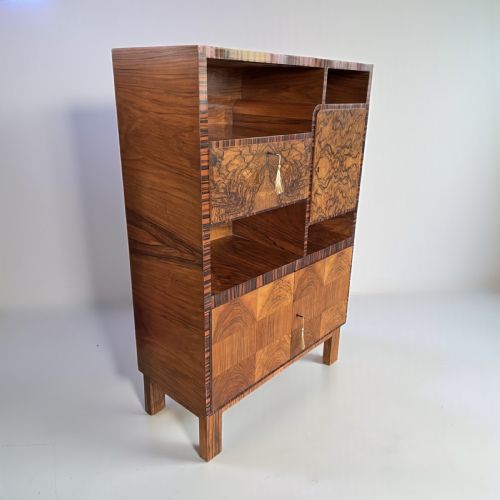
Listings feature woods including mahogany, walnut, rosewood, and satinwood, paired with marquetry inlay and glass doors.
Craftsmanship and Distinction
The distinction between standard commercial production and finer work lies in the precision of the timber matching and the depth of the marquetry cutting. Superior examples exhibit tightly fitted veneers that remain flush with the surrounding wood, showing minimal shrinkage or lifting over time.
Subtlety in the choice of contrasting timbers and the crispness of internal mouldings separate ambitious cabinet work from plainer utilitarian storage. The integrity of the original glass, the weight of the brass hardware, and the structural balance of the doors further define the better tier of pieces.
Edwards and Roberts
The Marquetry Wood Bookcase Glossary
- Marquetry
- The decorative craft of applying small pieces of veneer to a structure to form picture patterns and designs. This technique transforms plain timber surfaces into pictorial displays.
- Pier Cabinet
- A low cabinet designed specifically to stand against the narrow section of wall between windows. These pieces often feature glass doors and elaborate top surfaces.
- Bureau Bookcase
- A dual-purpose piece combining a sloping writing flap with enclosed shelving above. They provide both a compact writing desk and upper display storage.
- Breakfront
- A large cabinet design where the central section projects forward from the flanking wings. This configuration adds architectural depth and varied proportions to the piece.
- Crossbanding
- A border of veneer laid around the central panel with the wood grain running perpendicular to the main panel. It frames the central marquetry work neatly.
Marquetry Wood Bookcase: Frequently Asked Questions
Where should I place a marquetry bookcase?
These pieces suit principal reception rooms or studies where their decorative timber surfaces can be appreciated away from direct sunlight. Positioning them against solid interior walls protects the polished veneers and delicate inlay work from extreme temperature fluctuations.
Ensure there is adequate clearance for doors to open fully, particularly on glazed display units and bureau combinations. Their formal character anchors a room effectively when balanced with traditional seating and subdued wall colours.
How do I care for antique marquetry wood?
Maintain the finish by dusting regularly with a soft, dry cloth and applying traditional beeswax sparingly to nourish the timber. Avoid using modern spray polishes containing silicones, which can penetrate hairline cracks in old polishes and damage the veneer.
Keep the furniture away from direct heat sources such as radiators and fireplaces to prevent the timber shrinkage that causes veneers to lift. Stable room humidity preserves both the structural joints and the tiny fitted pieces of inlay.
How do I distinguish Victorian from Edwardian styles?
Victorian examples tend to use heavier, darker timbers like rosewood and burr walnut, often featuring deeper mouldings and richer, denser carving. The marquetry work on these nineteenth-century pieces frequently incorporates elaborate floral sprays and darker background contrasts.
Edwardian furniture, particularly under the influence of the Sheraton Revival, generally exhibits lighter satinwood grounds, brighter brass details, and more restrained neoclassical motifs. The overall proportions on Edwardian pieces often feel airier and more slender than their Victorian predecessors.
Were these bookcases used for everyday reading?
The glazed and fitted versions served to protect valuable leather-bound library editions from dust, smoke, and fading rather than casual daily handling. Bureau variants combined this protective storage with a private writing surface for correspondence and household accounts.
Open variations provided immediate access to working volumes in studies and libraries, while glazed cabinets focused on displaying prize editions. Their presence in the home marked a combination of scholarly pursuit and formal interior display.