
Marquetry Glazed Vitrine
A marquetry glazed vitrine brings together fine timber inlay and glass display, offering a refined cabinet for holding precious objects.
Marquetry Glazed Vitrine
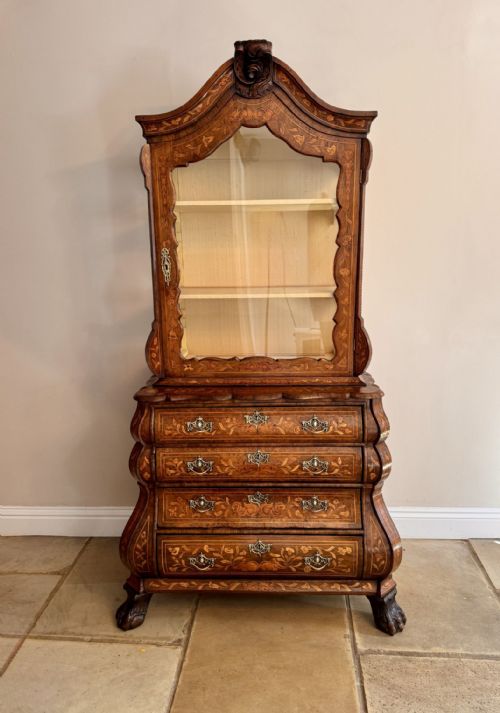
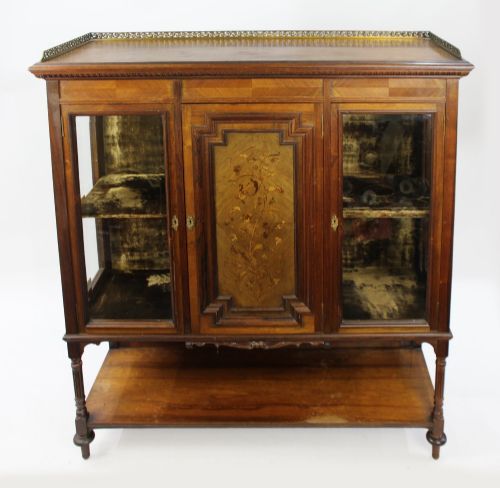
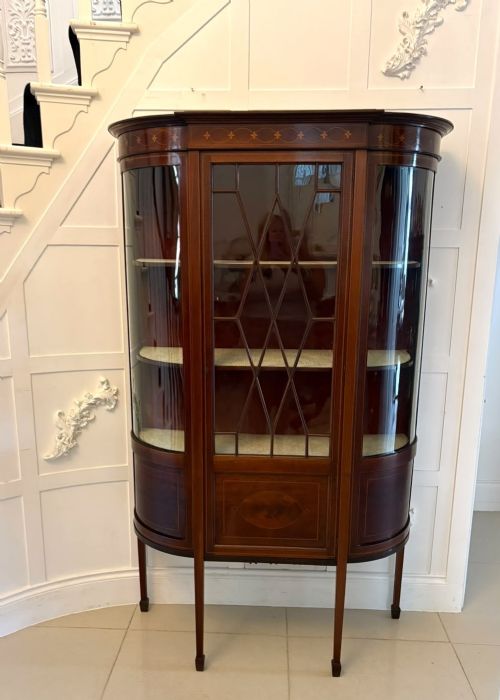
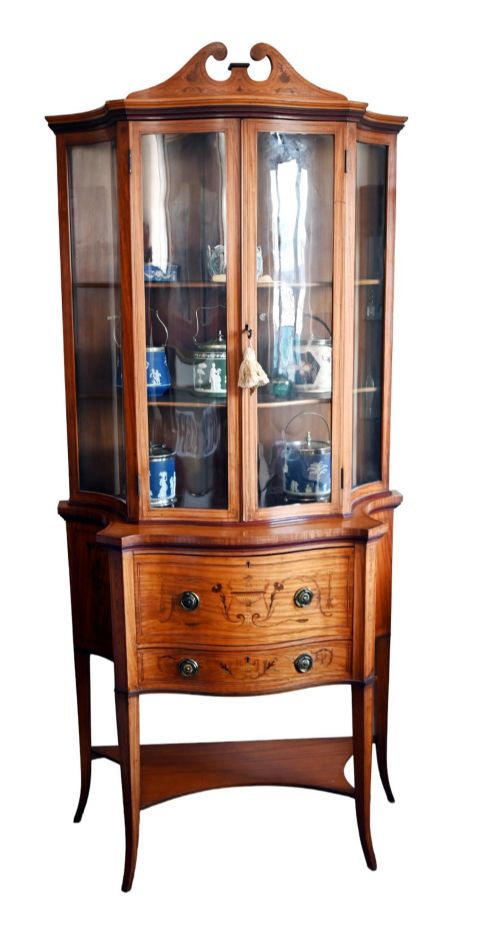
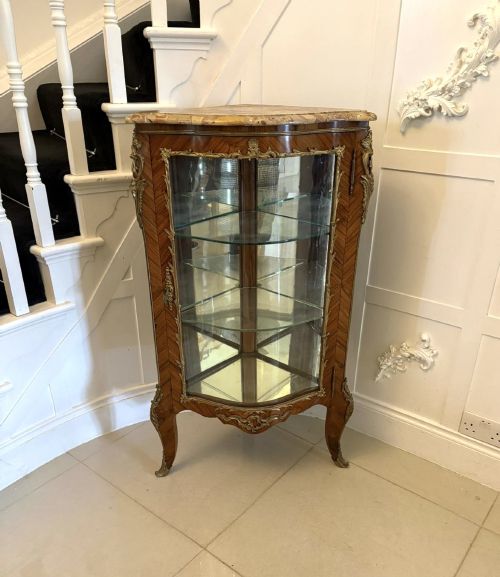
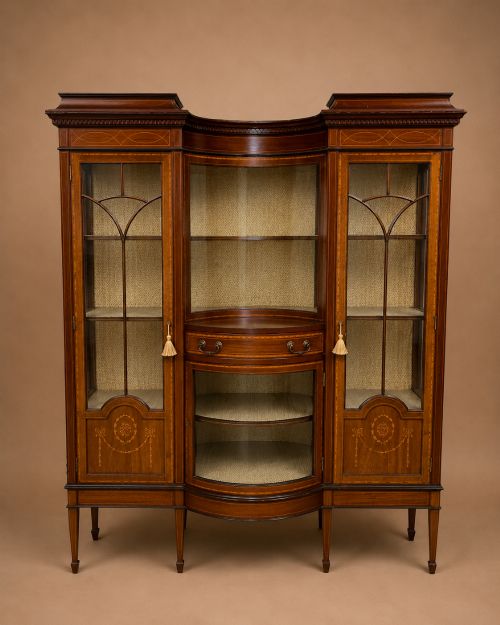
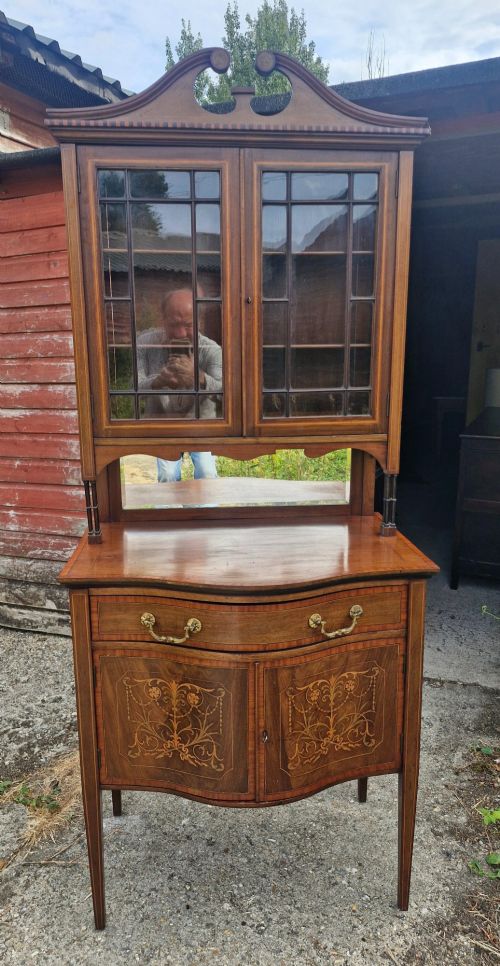
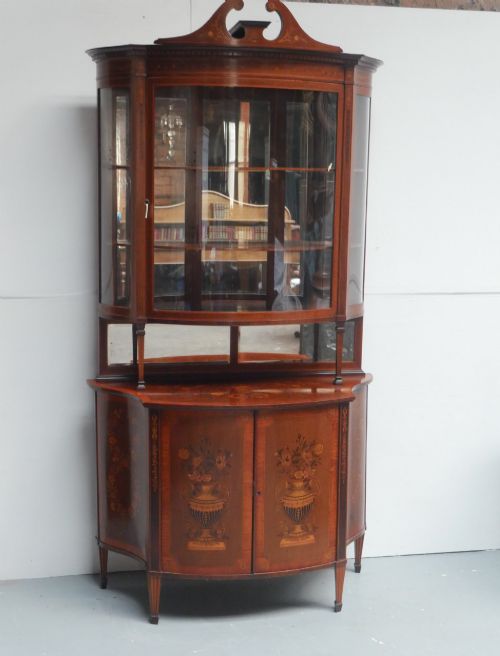
When you search for a marquetry glazed vitrine, you encounter pieces designed to exhibit collectibles while introducing decorative woodwork into a room. These cabinets appear in various forms, including corner cabinets, wall cabinets, and freestanding display cases.
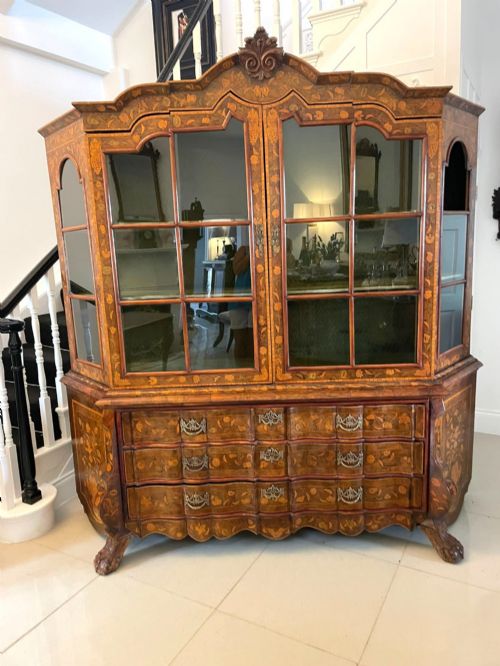
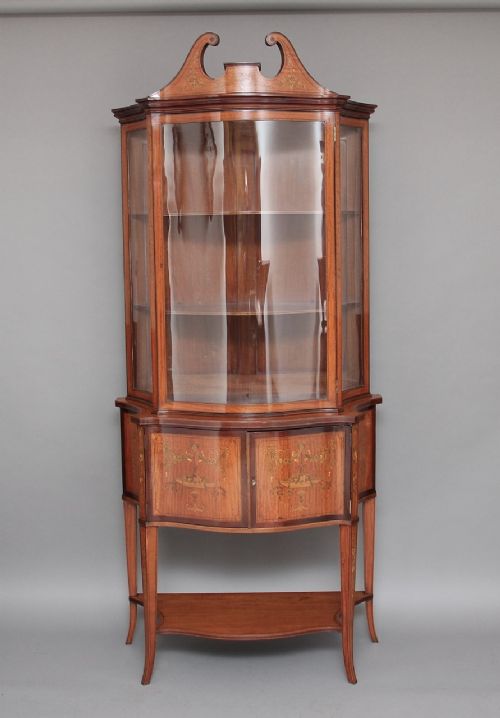
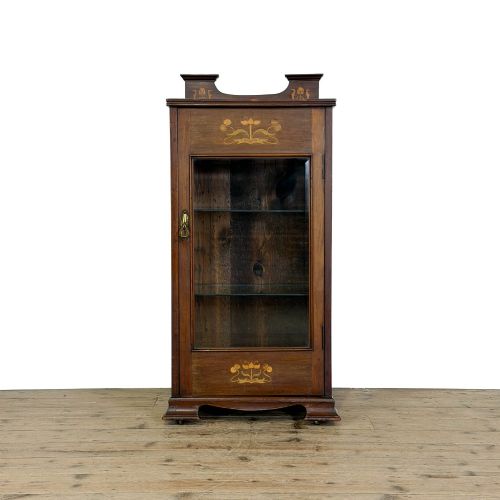
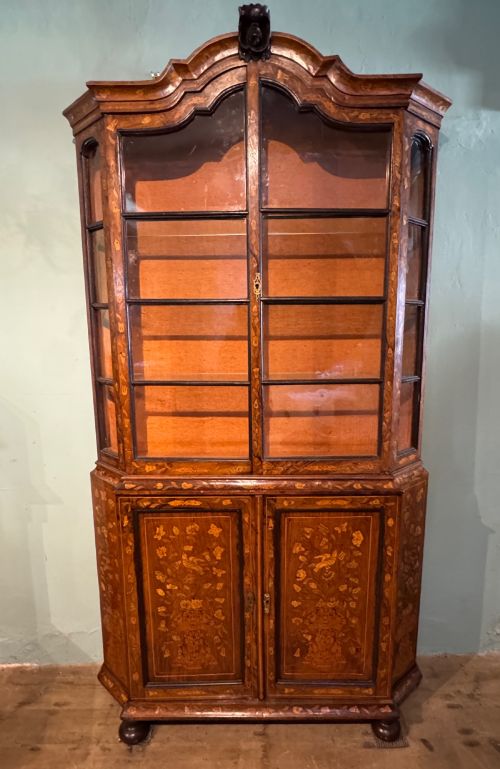
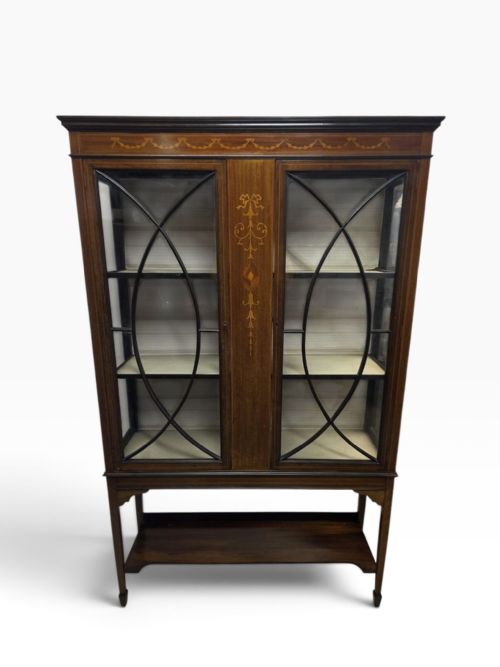
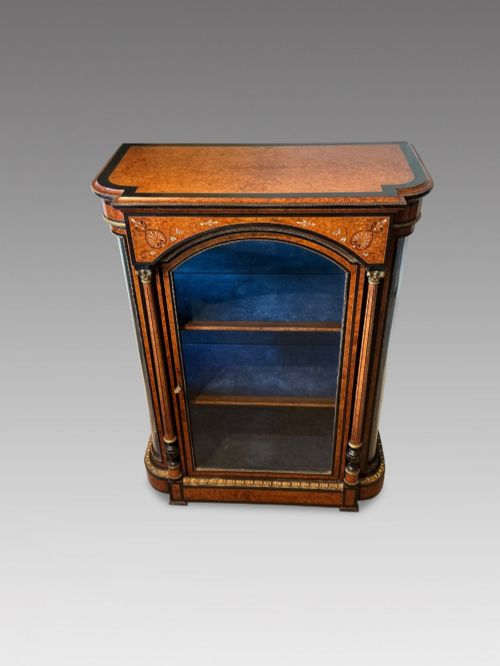
The pieces on this page span several periods, with Edwardian examples and nineteenth-century items appearing frequently alongside eighteenth-century Dutch versions. Makers working in styles from Sheraton Revival to Art Nouveau shaped these display cabinets for domestic use.
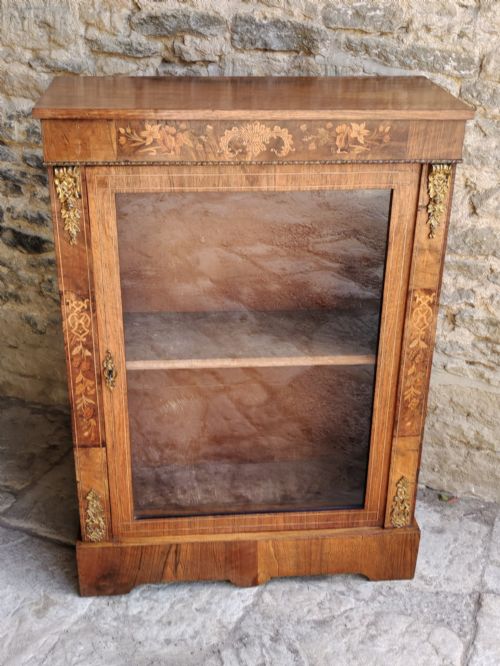
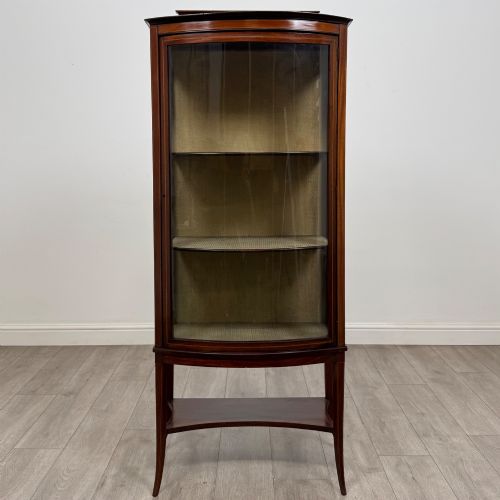
Forms range from large credenzas and two-part cabinets to compact pedestal display tables and pier cabinets. Each variation serves the fundamental purpose of framing objects behind glass while displaying patterned wood surfaces.
Materials and Construction
Craftsmen built these cabinets using foundational timbers such as mahogany, walnut, and satinwood, applying intricate marquetry patterns to the exterior surfaces. Glass panels were fitted into doors and sides to enclose the display space, sometimes framed by brass or ormolu mounts.
Cabinet makers utilised brass hardware and occasionally incorporated marble tops on French and Continental pieces. Fabric linings and mirror glass were frequently added to the interior backing to enhance the visibility of objects placed inside.
Several pieces feature floral marquetry designed to trick the eye into seeing blooming gardens upon the timber doors.
Assessing Quality
The standard of a marquetry glazed vitrine depends heavily on the precision of the timber inlay and the intricacy of the botanical or pictorial motifs. Finer examples display tightly fitted veneers and varied timber tones that create genuine depth in the design.
Quality also shows in the weight and finish of ormolu mounts, the clarity of the glass panels, and the structural joinery of the cabinet carcase. Pieces bearing signatures or attributions to established makers generally reflect higher standards of workshop execution.
Collinson & Lock·Edwards & Roberts·François Linke·Maple & Co.
The Marquetry Glazed Vitrine Glossary
- Marquetry
- Decorative veneer work cut and fitted together to form geometric or floral patterns on wood surfaces. It distinguishes plain timber panels from highly ornamented furniture.
- Vitrine
- A glass-fronted cabinet designed for the display of objects or curiosities. The term often describes French or Continental display furniture.
- Ormolu
- Gilt-bronze mounts applied as decorative ornaments to furniture corners, feet, and friezes. This technique adds metallic contrast to polished timber surfaces.
- Astragal
- The wooden or metal moulding that divides panes of glass within a cabinet door. Fine astragals create delicate geometric grids.
- Pier cabinet
- A low cabinet built specifically to fit the wall space between windows. These pieces often feature glass doors and velvet-lined interiors.
Marquetry Glazed Vitrine: Frequently Asked Questions
What is a marquetry glazed vitrine used for?
These cabinets were historically used in drawing rooms and parlours to display porcelain, silver, and small collectibles protected from dust.
Today, they serve the same function, allowing collectors to exhibit decorative objects while adding period character to an interior.
How do I date an antique vitrine?
Dating relies on observing the prevailing style, such as Edwardian Sheraton Revival or Victorian marquetry, alongside construction methods and timber choices.
Maker marks, where present, provide further clues to the specific decade of production.
Are these cabinets suitable for small rooms?
Yes, because many versions are designed as corner cabinets, wall-mounted units, or narrow pier cabinets that occupy minimal floor space.
Their glass panels also help reflect light and maintain an open feel in compact interiors.
What woods were commonly used?
Mahogany and walnut form the primary structure for many British pieces, while satinwood and kingwood provide lighter or more exotic contrasting tones for the marquetry.
Cabinets often combine these timbers to create detailed pictorial or floral patterns.