




Maritime Wall Plaque
These maritime wall plaque pieces bring authentic naval history and shipboard craftsmanship straight into your home.
Maritime Wall Plaque
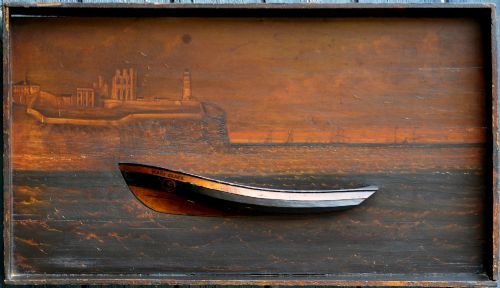
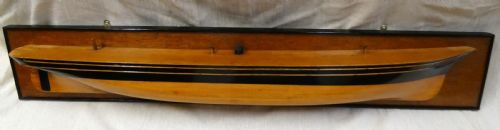
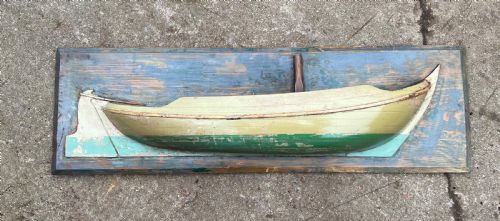
When you search for a maritime wall plaque, you are looking at items that celebrate naval history and seafaring traditions through sculptural wall art, half hull ship models, and ships badge crests. These pieces encompass a range of forms from the nineteenth century through the Edwardian era and the 1930s, reflecting practical maritime origins and decorative wall display.
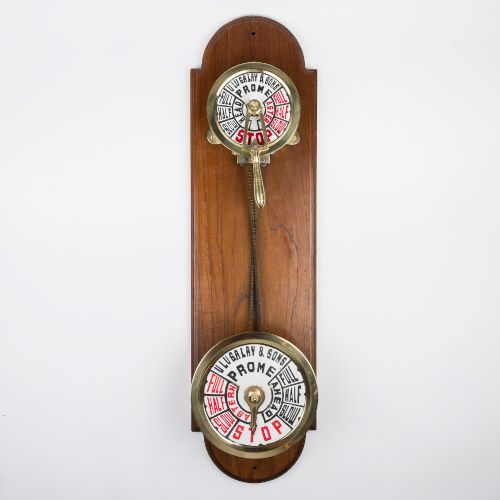
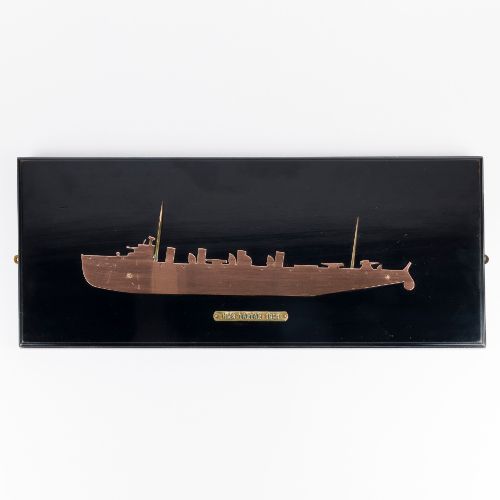
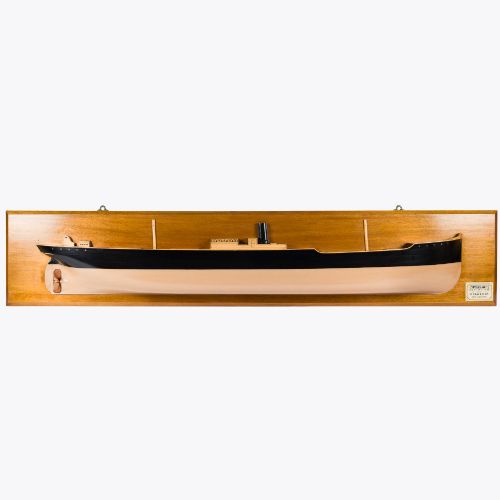
The versions you are most likely to meet on this page include brass engine room telegraphs, bronze ships badge crests, and wooden half hull ship models. These items originate from periods such as the Victorian era, 1880, 1900, 1920, and 1930, capturing the craftsmanship of historic shipbuilders and marine workshops.
How they were made
Makers utilised durable metals such as brass, copper, and bronze, often casting them into heavy wall pockets, tompion crests, and bulkhead clocks. These metal components were combined with painted details and finished surfaces to withstand marine environments.
Woodworking played a central role, with craftsmen shaping pine, mahogany, teak, and solid wood into half hull ship models and wall mounted tillers. These wooden elements demonstrate traditional carving and assembly techniques derived directly from nineteenth century shipyards.
Listings feature items spanning the 1870s through the 1930s, utilising brass, mahogany, teak, and copper.
What varies in quality
The distinction between standard examples and superior pieces rests on the precision of the casting or carving and the authenticity of the maritime origin. Items produced by known shipbuilders or bearing specific naval vessel associations display a finer level of detail in the lettering, crests, and hull proportions.
Materials also dictate the character of the object, with heavy cast sheet brass, solid bronze, and richly grained timbers such as mahogany outperforming simpler pine or painted substitutes. The integration of functional mechanical elements, such as clocks and barometers, adds another layer of manufacturing complexity.
Ulugary & Sons·W. Grey & Co·Liverpool Ship Building Co.
The Maritime Wall Plaque Glossary
- Half Hull Model
- A three-dimensional representation of a ship's hull built by boatbuilders to study hydrodynamic form and design proportions.
- Tompion
- A decorative metal crest or badge originating from the plug used to cover the muzzle of a naval cannon.
- Bulkhead
- A vertical partition dividing the compartments of a ship, which housed precision instruments like clocks and barometers.
- Tiller Yoke
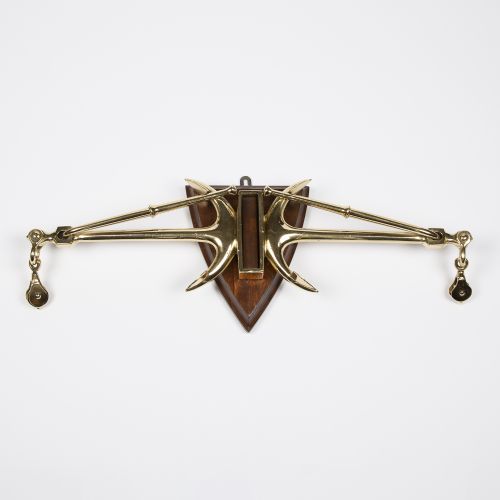
- A transverse bar fitted to the head of a rudder, used for steering a vessel and adapted here as architectural salvage.
- Engine Room Telegraph
- A mechanical communication device used by the pilot to transmit orders to the engine room.
- Wall Pocket
- A hanging container, frequently cast in brass, designed to hold small items in a ship's cabin or mess.
Maritime Wall Plaque: Frequently Asked Questions
What is a maritime wall plaque?
A maritime wall plaque is a decorative or functional object connected to seafaring history, designed to be mounted on a wall. These items range from cast bronze ship crests to wooden half hull models and brass engine room telegraphs.
They originate from various periods including the nineteenth century and the 1930s, reflecting the practical and aesthetic traditions of historical shipping.
How were half hull ship models used?
Shipbuilders originally used half hull models to plan and test the design proportions of a vessel before full-scale construction began. These wooden pieces allowed designers to visualise the lines and hydrodynamic qualities of a ship's hull.
Over time, many of these functional workshop models transitioned into decorative wall displays for maritime enthusiasts and collectors.
How do I date a brass ships badge?
Dating a brass ships badge involves examining the casting techniques, the specific naval vessel named, and the style of the lettering. Edwardian and 1930s pieces often exhibit distinct manufacturing marks and heavy metal casting methods typical of those decades.
Comparing the crest design to documented Royal Navy insignia from periods like WWI or the Victorian centenary provides further chronological context.
Where were bulkhead clocks placed?
Bulkhead clocks were mounted directly onto the interior walls or partitions of a ship's cabins, mess rooms, or navigation stations. They were housed in durable metal cases, often paired with barometers, to withstand the movement and damp conditions at sea.
In domestic settings, these paired instruments serve as prominent nautical wall pieces that retain their original maritime utility.
What is architectural salvage in maritime decor?
Architectural salvage refers to original components rescued from dismantled ships or marine structures, such as tillers, telegraphs, and hardware. These items are repurposed for wall mounting, preserving authentic materials like teak, brass, and copper.
Collectors value them for their genuine working history and the tactile quality of materials exposed to actual sea service.