




Maritime Souvenir
These maritime souvenir pieces capture journeys across the sea through wood, shell and painted views.
Maritime Souvenir
A maritime souvenir represents a physical token of travel, naval service or coastal life, often brought home from ports or made at sea. When you search for a maritime souvenir, you encounter items shaped by sailors, travellers and coastal artisans during the nineteenth and early twentieth centuries.
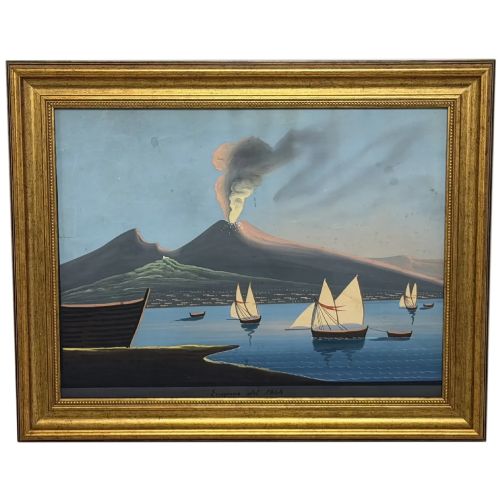
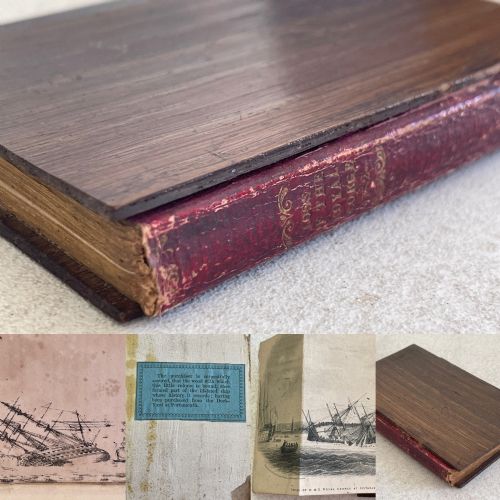
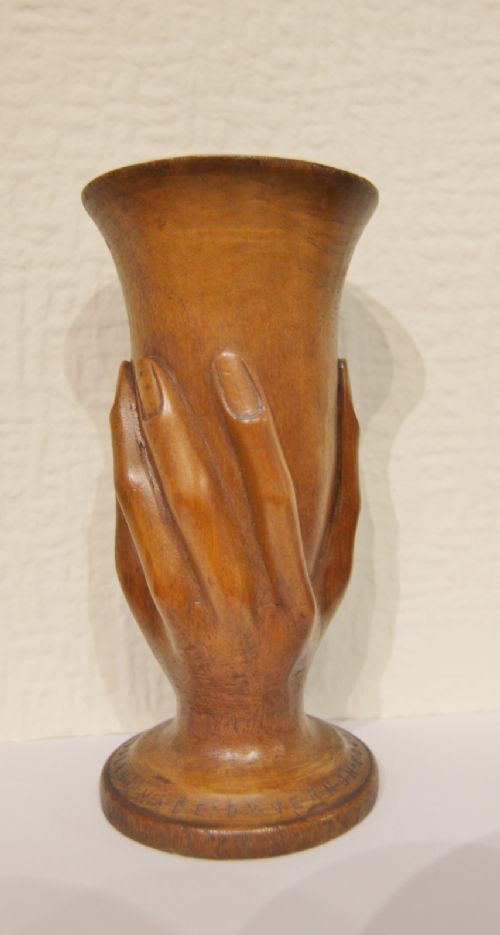
The pieces appearing on this page span several distinct forms, including carved boxes, painted views of Naples, model boats and turned wood objects. Most examples date from the nineteenth century, reflecting an era when maritime trade and naval voyages inspired domestic display.
Domestic settings received these objects as mantel ornaments, trinket containers or framed wall art. Each item serves as a tangible link to seafaring history, distant shores and maritime craftsmanship.
Materials and construction
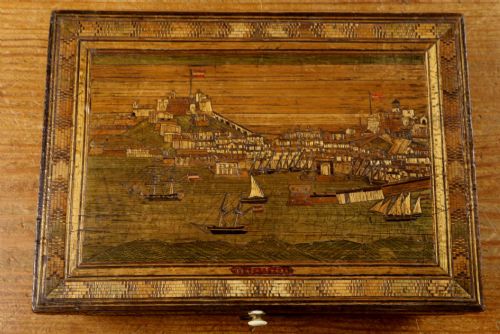
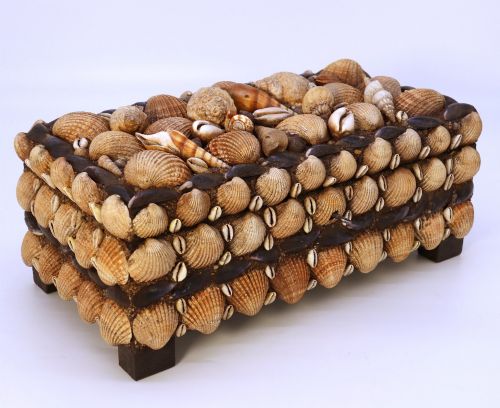
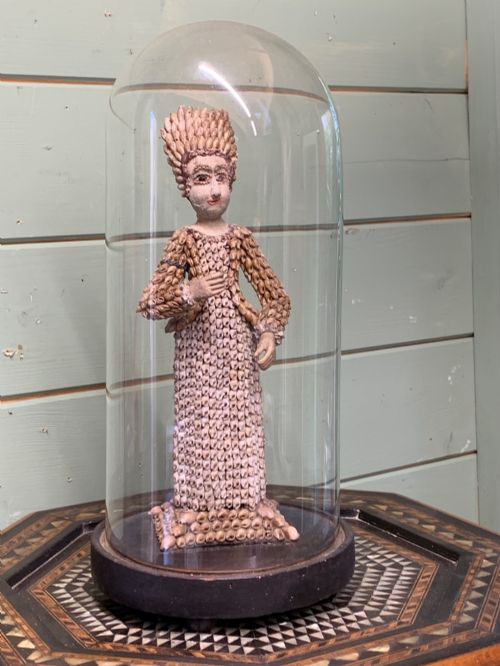
Makers utilised available materials such as wood, bone, straw and seashells to construct these objects during long voyages or in coastal workshops. Straw work and shellwork boxes demonstrate intricate surface decoration applied by hand to wooden carcases.
Paintings employ gouache and gold leaf on paper to capture dramatic coastal scenes, while turned teak and carved bone form solid sculptural items. These construction methods rely on traditional hand tools and local materials gathered near the sea.
Maritime Souvenir Retail Price Guide 2026
Typical asking prices for maritime souvenir among the pieces listed under this phrase on Sellingantiques today, from the lower quarter to the upper quarter. They describe what is for sale here now, not the wider market.
Listings feature items from the nineteenth century, nineteen twenty and nineteen thirty, spanning wood, paper, seashells and bone.
Distinctions in quality
The finesse of the handwork largely determines the distinction between standard examples and finer pieces in this category. Delicately applied straw marquetry, precise shell arrangement or detailed gouache brushwork indicate superior craftsmanship.
Provenance and documented historical association also elevate certain objects above ordinary decorative items. Pieces connected to specific ships, events or named locations carry greater narrative depth and finish.
The Maritime Souvenir Glossary
- Gouache
- An opaque watercolour paint used on paper to produce matte surfaces and vivid colour. It appears frequently in nineteenth century coastal paintings.
- Straw work
- A decorative technique using split and flattened straw to create geometric patterns or pictorial designs on wooden surfaces. Napoleonic prisoners famously produced intricate examples of this craft.
- Shellwork
- The arrangement of seashells into decorative patterns or figurative shapes on boxes and figures. Victorian artisans and sailors utilised this method extensively.
- Bobbin turned
- A method of woodturning that produces a series of rounded spheres or reels along the length of a spindle. Candlesticks in the evidence utilise this decorative profile.
- Sunderland jug
- A large ceramic vessel decorated with transfer printed maritime scenes and lustre highlights. These jugs were produced in north east England for sailors and coastal households.
Maritime Souvenir: Frequently Asked Questions
What is a maritime souvenir?
A maritime souvenir is an object made or purchased in connection with the sea, naval service or coastal travel. These pieces range from folk art boxes to painted coastal views.
They reflect the personal experiences of sailors, travellers and shore-based artisans primarily during the nineteenth and early twentieth centuries.
How were shellwork boxes made?
Makers applied small seashells to wooden boxes using adhesive and arranged them into intricate geometric or floral patterns. These items required patience and a steady supply of gathered shells.
Sailors and coastal residents produced them as decorative containers for trinkets and keepsakes.
What materials appear in these pieces?
The objects incorporate organic materials like wood, seashells, bone and straw alongside paper, gouache, gold leaf and leather. Teak and other timbers form the structural bases for turned items and boxes.
Painted works utilise gouache on paper to depict shipping scenes and volcanic eruptions.
Where do these objects originate?
Origins include naval vessels, prison camps, island communities and continental ports visited by travellers. Items arrived from locations ranging from Pitcairn Island and Elba to the Bay of Naples.
Each place imparted distinct regional materials and decorative styles to the finished work.