





Maritime Scene Painting
A maritime scene painting captures the movement of coastal life, working vessels, and open water across centuries of British and European art.
Maritime Scene Painting
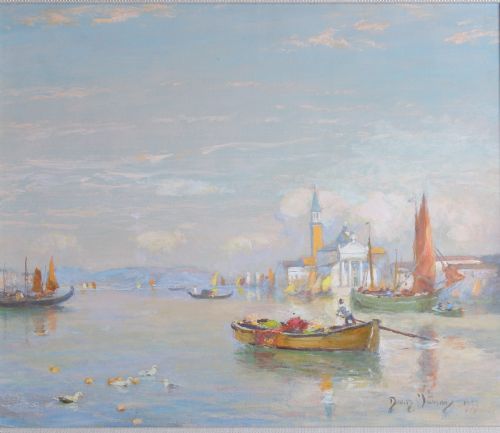
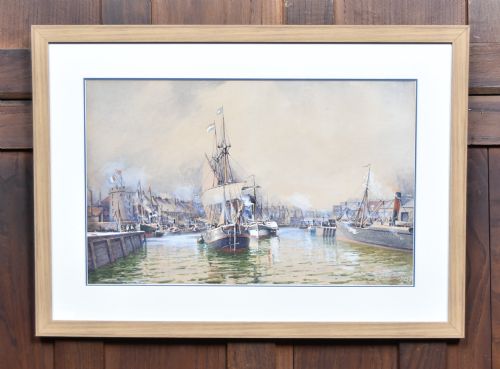
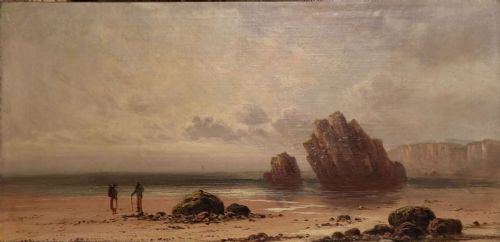
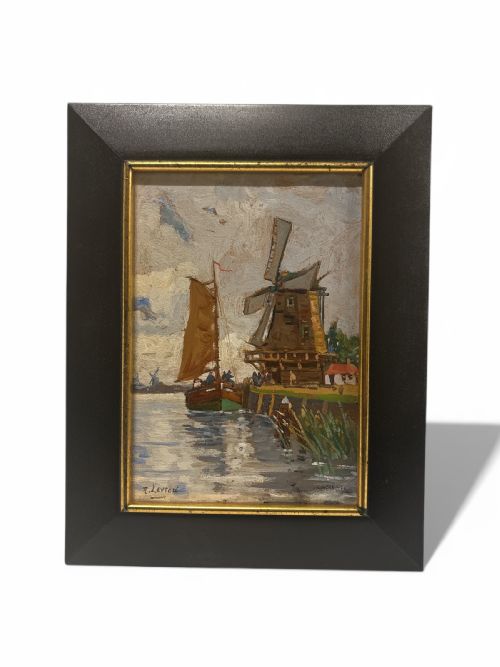
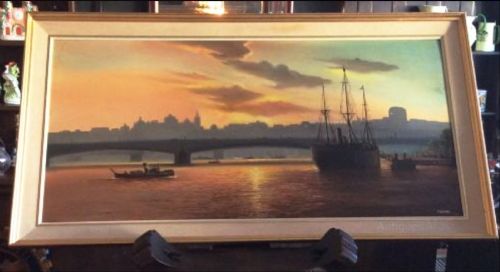
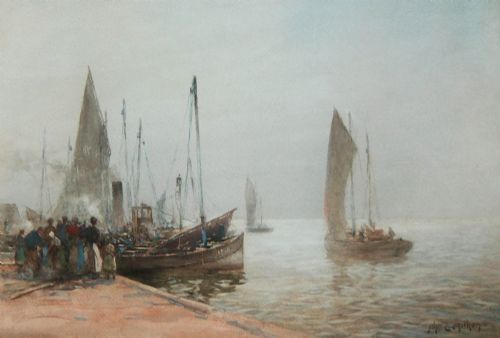
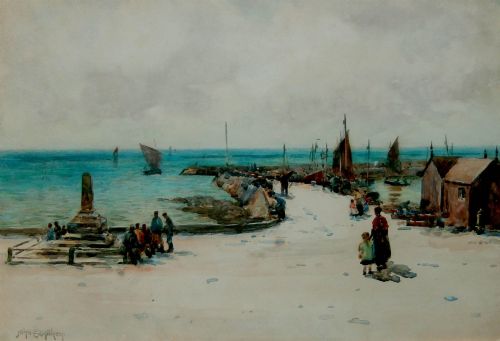
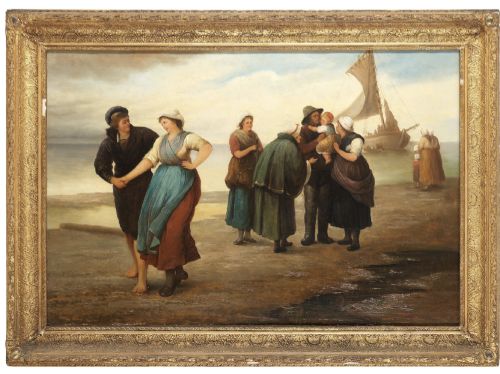
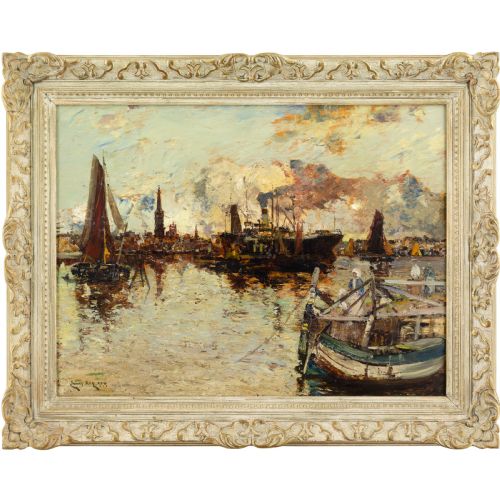
A maritime scene painting focuses on coastal views, harbour activity, shipping lanes, and open seas recorded by artists across the nineteenth and twentieth centuries. These works range from detailed depictions of British fishing ports and Thames river traffic to broader European harbour views and stormy seascapes.
The selections available here lean heavily toward nineteenth-century Victorian oils and early twentieth-century watercolours. Buyers frequently encounter framed works depicting specific locations such as St Ives, Whitby, and the Venetian lagoon alongside evocative studies of sailing vessels and steamships.
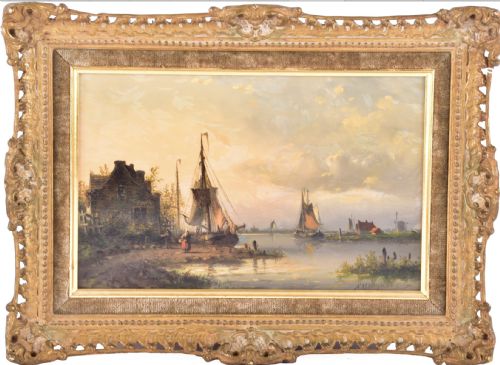
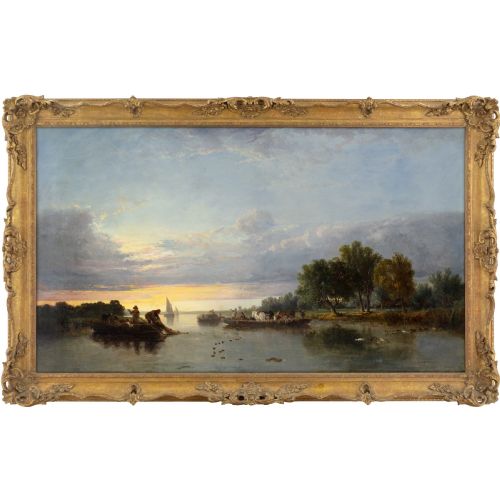
The grouping includes both intimate watercolours on paper and substantial oil paintings on canvas or board, often housed in period gilt wood frames. These pieces reflect diverse regional schools of British and continental marine art spanning the Edwardian era through to the mid twentieth century.
What separates the work
Quality rests in the artist's command of light, atmosphere, and maritime architecture, where confident handling of water movement and vessel rigging distinguishes a master hand from routine studio production. Compositional balance and the accurate depiction of coastal topography elevate certain pieces far above standard topographical records.
The preservation of the medium, the vitality of the original pigment, and the integrity of period frames significantly influence the character and visual impact of each surviving artwork.
Materials represented include oil on canvas, watercolour on paper, and woodblock prints housed in gilt wood and timber frames.
Kenneth Cozens·James Orrock·R Leyton·Edward Mills·James E. Aitken·John E. Aitken·William Banks Fortescue·James Kay·William Broome·Francis Moltino·Paul Bret·Hector Caffieri·Thomas Creswick·Cyril Walduck Edwards·F Corpuz·Alfred G. Morgan·Abraham Cooper·Bernard Benedict Hemy·Frank Kelsey·Abraham Hulk I·George F Pennington·Paul Delvaux·William Edward Webb·Richard Harry Carter
The Maritime Scene Painting Glossary
- Seascape
- A work of art depicting the sea, coastal views, or marine vessels in motion. These compositions often focus on atmospheric weather conditions and the interaction between water and light.
- Grisaille
- A painting executed entirely in shades of grey or neutral monochrome. This technique was frequently employed for preparatory studies or to imitate sculptural reliefs.
- Lugger
- A traditional small sailing vessel carrying one or more lug sails. These boats appear frequently in nineteenth-century West Country and North Sea fishing port scenes.
- Gilt wood
- Wood carved and coated with a thin layer of gold leaf or metallic powder. This material forms the traditional ornamental framing for Victorian and Edwardian oil paintings.
Maritime Scene Painting: Frequently Asked Questions
How do I identify a Victorian marine painting?
Victorian marine paintings typically feature detailed rigging, historical vessels, and dramatic coastal weather rendered in traditional oil on canvas. They often reflect the industrial and naval expansion of nineteenth-century Britain.
Look for period framing, artist signatures, and subject matter focusing on named ports, rescue operations, or established shipping routes along the British coastline.
Where should I hang a maritime painting?
These artworks suit spaces with balanced, indirect lighting to protect pigments from fading, particularly watercolours on paper which require careful placement away from direct sunlight.
Pairing oil paintings in gilt wood frames with traditional interiors or contrasting them against neutral modern walls allows the maritime subject matter to anchor the room.
What is the difference between oil and watercolour marine art?
Oil paintings utilise heavy pigments on canvas or board, allowing for rich textures, deep sea tones, and reworked details that capture turbulent water and heavy skies. Watercolours offer a lighter, translucent quality well suited to bright coastal air and harbour reflections.
Watercolours are almost invariably framed under glass to protect the paper substrate, whereas most oil paintings remain exposed within their decorative frames.
How do regional British scenes differ in these paintings?
West Country scenes from locations like St Ives or Looe often emphasise rugged cliffs, fishing luggers, and bustling harbour beaches under changing light. Northern and Scottish coastal views tend to capture industrial ports, dramatic North Sea squalls, and heavy commercial shipping.
These regional differences stem from the distinct topography and maritime economies that attracted artists to specific shores throughout the nineteenth and twentieth centuries.