






Maritime Folk Art Model
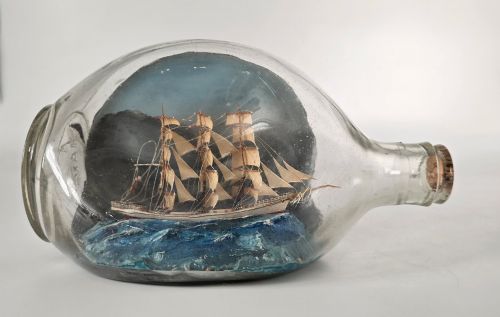
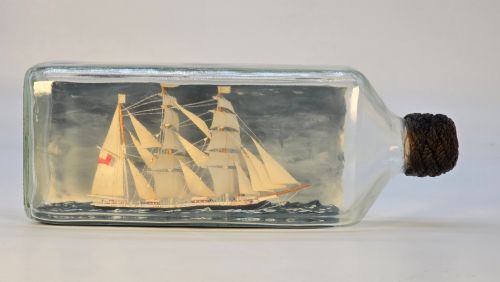
These maritime folk art model pieces capture sailing history through handcrafted dioramas, bottled vessels, and naive wooden ships built by sailors and local makers.
Maritime Folk Art Model
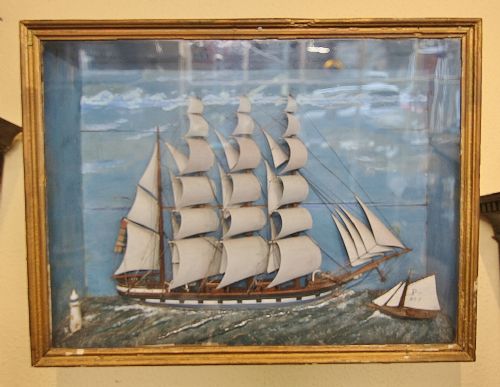
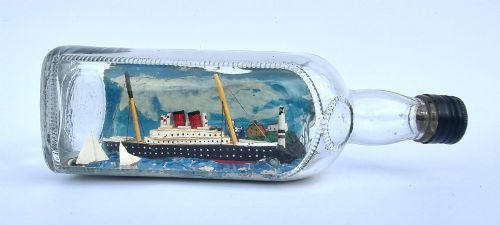
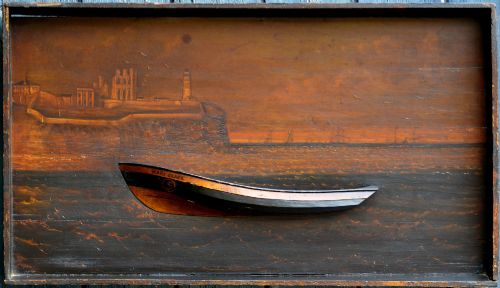
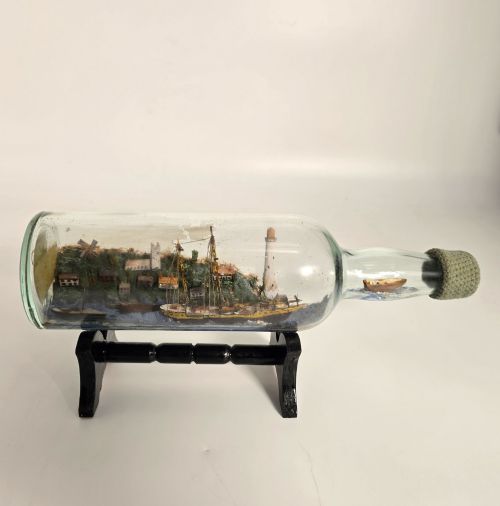
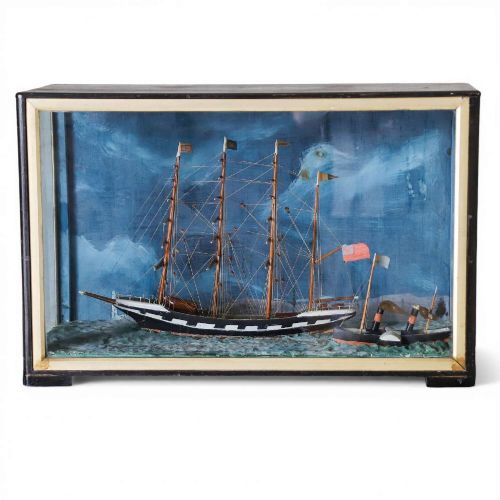
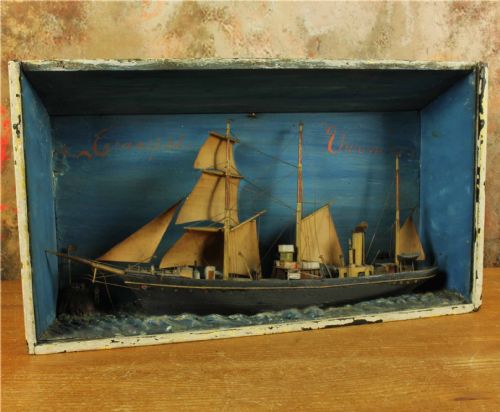
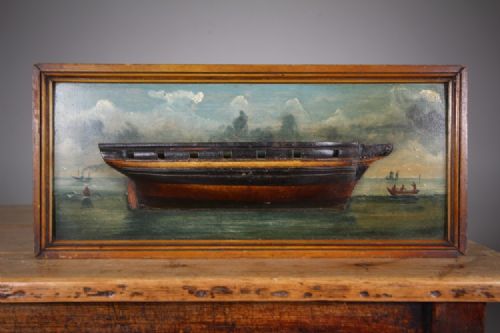
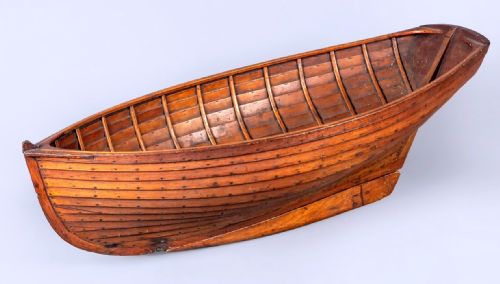
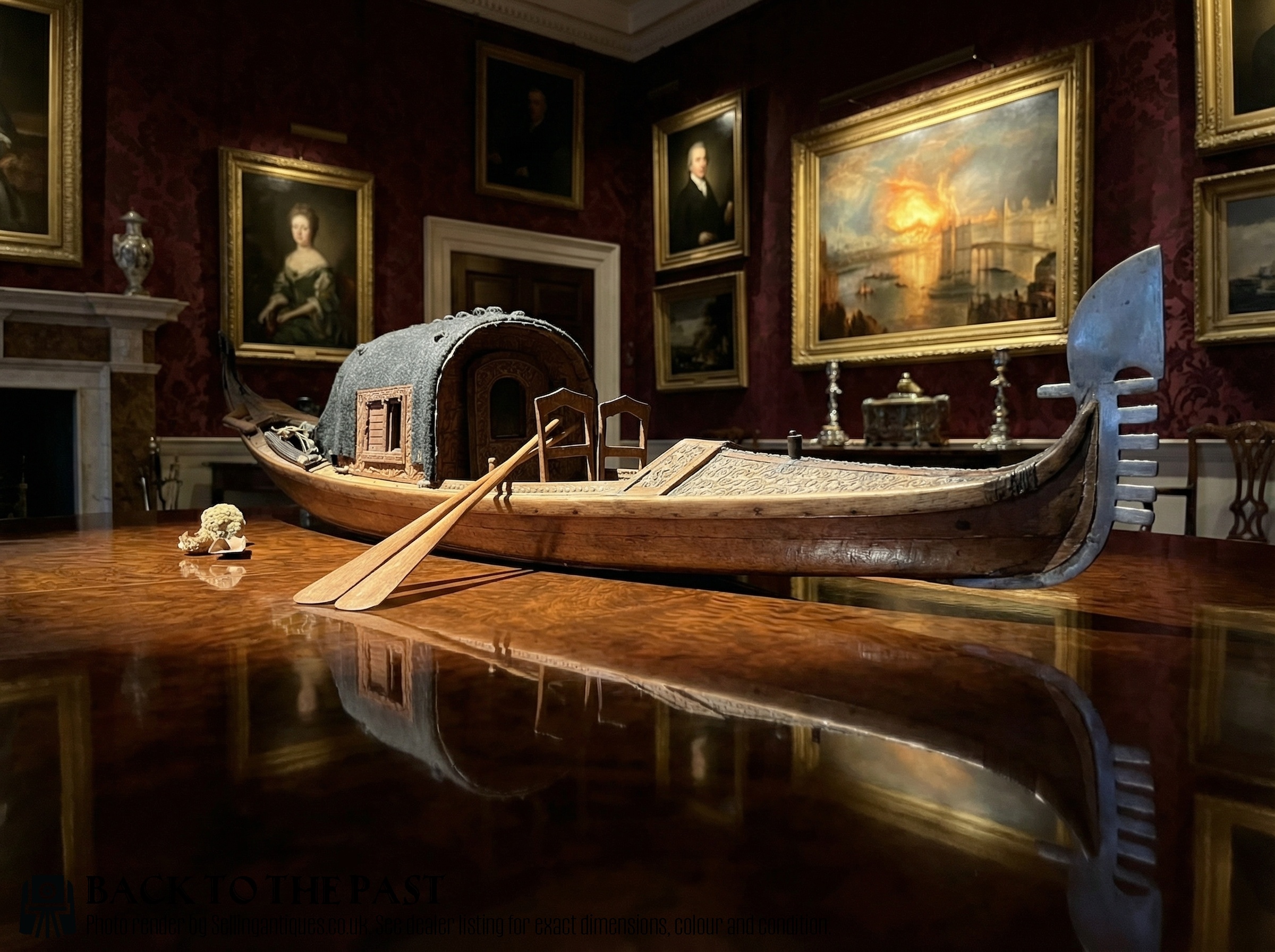
When searching for a maritime folk art model, you encounter three-dimensional framed dioramas, ship models housed inside glass bottles, and naive wooden hulls. These objects reflect the hand of the maker, often created by sailors at sea or coastal craftsmen utilising available materials.
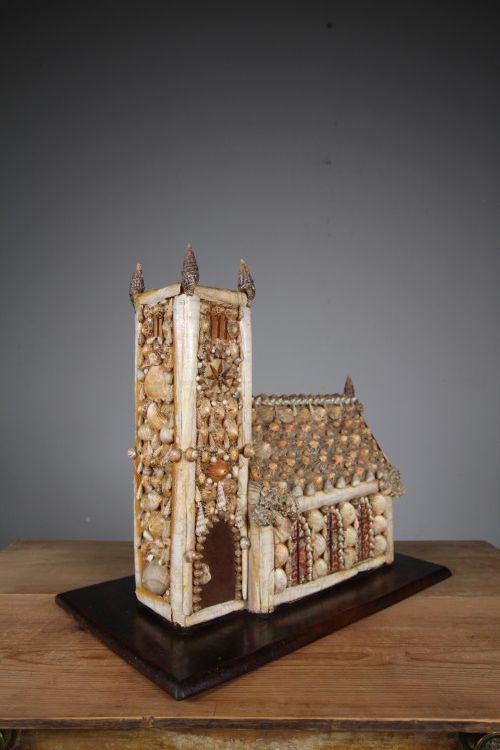
The pieces on this page span the nineteenth century through the early twentieth century, including Victorian examples and items dated from the 1920s and 1930s. Forms range from shadow box dioramas showing racing vessels and steamships to model boats on wooden plinths and shell work structures.
English, French, and Welsh origins appear frequently, alongside specific regional pieces such as Cornish dioramas or objects from Vienne. Collectors seek these items for their narrative quality and the direct link they provide to maritime heritage.
Materials and Construction
Makers constructed these models primarily using timber, wood, and canvas, often scratch-building hulls and rigging vessels by hand with thread. Paint brings seascapes and ship details to life, whilst glass protects fragile dioramas and bottles house intricately folded masts.
Unconventional materials such as straw work, plaster, and shells supplement the woodwork, particularly in decorative objects like shell grottoes or churches. Metal components often reinforce stands, frames, and internal structures within shadow boxes.
Maritime Folk Art Model Retail Price Guide 2026
Typical asking prices for maritime folk art model among the pieces listed under this phrase on Sellingantiques today, from the lower quarter to the upper quarter. They describe what is for sale here now, not the wider market.
Listings feature items dated across the nineteenth century, 1900, 1920, and the 1930s, using wood, paint, glass, and canvas.
Quality and Character
Quality in a maritime folk art model rests upon the intricacy of the handiwork and the preservation of the materials. Scratch-built ships with detailed rigging and well-composed painted seascapes demonstrate superior craftsmanship compared to simpler decorative models.
The complexity of the setting distinguishes pieces, such as multi-vessel racing dioramas or named ships with documented titles like Sunray or Glynllifon. Original mounting on wooden plinths and intact glass bottles or shadow boxes add considerably to the integrity of the piece.
The Maritime Folk Art Model Glossary
- Maritime Diorama
- A three-dimensional scenic representation enclosed in a box or case showing ships at sea. These often incorporate painted backgrounds and canvas sails.
- Ship in a Bottle
- A miniature vessel assembled inside a glass bottle with folding masts that are raised via attached threads. They represent a traditional pastime of sailors.
- Scratch Built
- A model constructed entirely from raw materials without the aid of a commercial kit. Makers fabricate every component by hand.
- Shadow Box Diorama
- A deep, framed display case designed to hold a maritime scene away from dust and damage. The glass front allows viewing from the front.
- Naive
- A descriptor for objects made outside formal academic artistic traditions. This style emphasises personal expression over strict proportion.
Maritime Folk Art Model: Frequently Asked Questions
How were ships placed inside bottles?
Makers constructed the vessel with hinged masts and rigging that laid flat along the deck, allowing the ship to pass through a narrow bottle neck.
Once inside, pull-strings raised the masts into position, and glue secured the hull to the interior base.
Where did these models originate?
Many examples originate from coastal regions in England, Wales, and France, reflecting active maritime communities and ports.
Makers often worked locally or aboard ships during long voyages, utilising whatever timber, thread, and paint they had to hand.
How do I display a diorama?
Dioramas and shadow boxes require placement away from direct sunlight and excessive humidity to protect fragile canvas, paint, and thread.
Most pieces come fitted with wooden plinths or frames designed for tabletop or wall display.
How are periods told apart?
Nineteenth-century pieces often feature traditional sailing vessels like barques and clippers with detailed straw work or deep wooden boxes.
Early twentieth-century items from the 1920s and 1930s frequently incorporate steamships and distinct folk art labeling on the base or bottle.