




Maritime Art Print
A maritime art print brings the power of the open sea and historic harbours straight into your interior.
Maritime Art Print
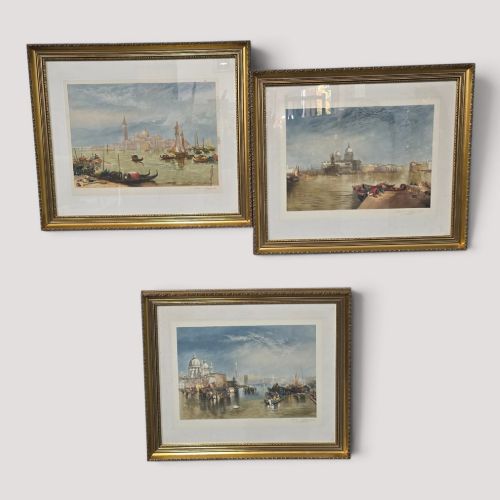
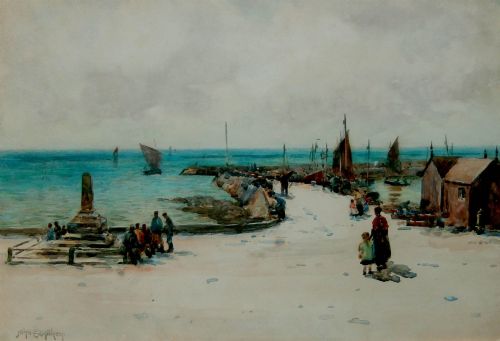
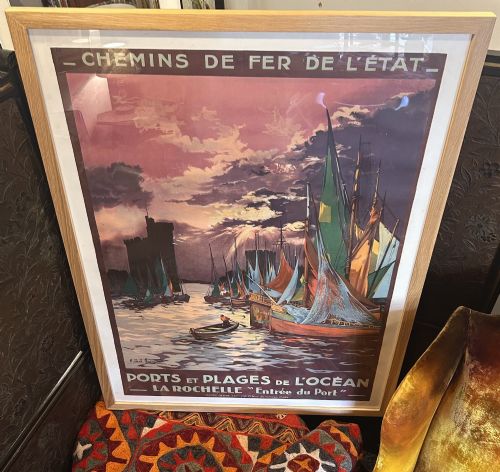
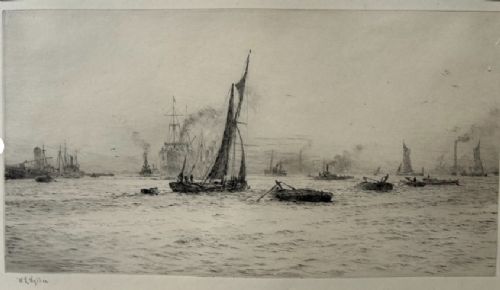
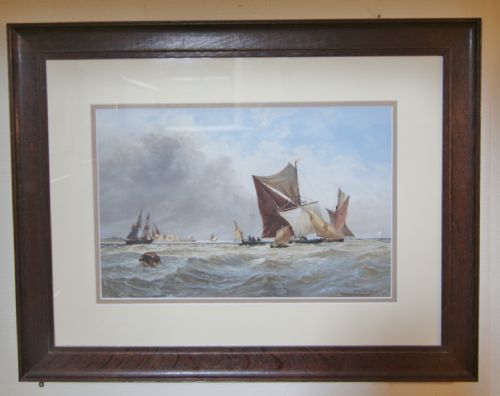
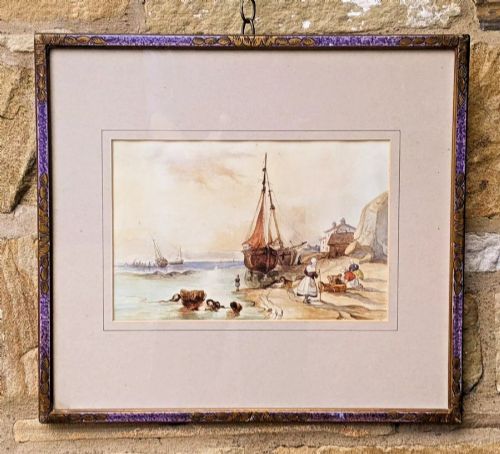
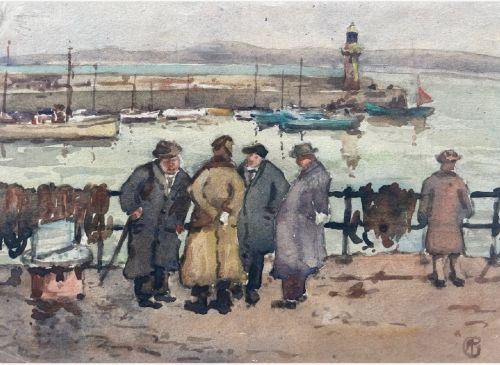
A maritime art print encompasses a wide variety of historic imagery, from detailed aquatints and etchings to vintage posters and photographic portraits of sailors. When you search for this phrase, you encounter works that document naval battles, royal yachts, merchant vessels, and quiet fishing harbours. The selection spans the eighteenth, nineteenth, and early twentieth centuries, reflecting changing attitudes towards coastal life and seafaring.
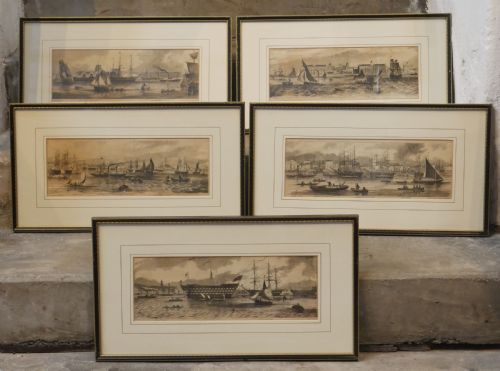
You are most likely to meet nineteenth-century watercolours and engravings alongside early twentieth-century etchings on this page. These pieces often capture specific British coastal scenes, such as the River Thames, the Medway, or the Firth of Forth. Formats range from intimate single watercolours to sets of four or six aquatints designed to be displayed together.
The objects themselves take several forms, including framed prints, original etchings, lithographs, and large photographs mounted on card. Many retain their original oak or gilt frames, which provide a direct link to the period of their creation. Whether depicting a busy dock or a becalmed sailing ship, each item serves as a window into maritime history.
Materials and techniques
Makers utilised high-grade paper as the primary surface for watercolours, ink drawings, and delicate engravings. Etchings and aquatints required skilled plate work to capture fine coastal details, whilst later pieces incorporated photographic emulsions on card. Pigments ranged from traditional watercolours to deep black printing inks.
Framing materials played a crucial role in preserving these works, with solid oak and gilded wood being common choices. Original frames frequently protect the paper from environmental damage, maintaining the integrity of the print or painting beneath the glass.
Maritime Art Print Retail Price Guide 2026
Typical asking prices for maritime art print among the pieces listed under this phrase on Sellingantiques today, from the lower quarter to the upper quarter. They describe what is for sale here now, not the wider market.
Listings feature works spanning the eighteenth to the mid-twentieth century, utilising watercolour, ink, etching, and photographic formats.
What separates the fine examples
The distinction between standard works and exceptional pieces lies in the precision of the draughtsmanship and the clarity of the impression. Early pulls from engraved or etched plates show crisp lines and subtle tonal gradations that later copies lose. In watercolours, the confidence of the brushwork and the preservation of pigment vibrancy dictate the standing of the piece.
Provenance and context elevate certain works above others, particularly when an artist or publisher is clearly identified. The survival of an original period frame in untouched condition adds considerable integrity to a framed print or photograph, ensuring the object remains as it was first assembled.
John E. Aitken·William Lionel Wyllie·TB Hardy·W. J. Huggins·Frank Wood·WF Mitchell·Henry Wimbush·Norman Janes
The Maritime Art Print Glossary
- Aquatint
- A intaglio printmaking technique that produces areas of tone rather than lines, closely resembling watercolour washes. It was frequently used in the nineteenth century to reproduce coastal scenes.
- Etching
- A method of making prints by using acid to cut into the unprotected parts of a metal surface. Artists used this technique to achieve fine, sharp lines in architectural and marine subjects.
- Lithograph
- A planographic printing process based on the chemical repulsion of oil and water. It allowed for multi-coloured reproductions of ship portraits and naval lithographs.
- Engraving
- A process where an artist carves lines directly into a hard plate using a burin. The resulting prints offer immense detail, common in historical charts and naval officer portraits.
- Gilt
- A thin layer of gold leaf applied to wood or metal surfaces. It frequently appears on the frames surrounding nineteenth-century maritime watercolours.
Maritime Art Print: Frequently Asked Questions
How do I identify a 19th-century maritime print?
Examine the paper quality, the printing technique, and any inscriptions or signatures present in the margin. Nineteenth-century works often utilise hand-coloured aquatint or engraving methods distinct from modern offset printing.
Look closely at the framing and backing materials, as older pieces frequently retain period oak mouldings or handwritten labels detailing the depicted vessel or coastal location.
Were these prints originally published as sets?
Many maritime works were produced in series, such as sets of naval engravings or coastal views by publishers. These portfolios allowed collectors to acquire uniform collections of British ports and shipping.
Complete sets remain particularly desirable for display, maintaining a consistent aesthetic across multiple framed pieces on a wall.
How should I care for antique paper art?
Keep framed watercolours and prints away from direct sunlight to prevent the fading of delicate pigments and paper discolouration. Stable indoor humidity levels protect both the paper support and any wooden framing elements.
Ensure the piece is glazed with protective glass and avoid hanging items on damp exterior walls.
What subjects are most common in maritime prints?
Common subjects include bustling docks, royal yachts off Osborne House, fishing boats in heavy seas, and detailed portraits of named sailing ships. These reflect Britain's historical reliance on the sea for trade, naval defence, and coastal commerce.
Topographical views of specific harbours, such as Liverpool or the River Thames, also feature prominently among historical works.