







Marbled Base Busts
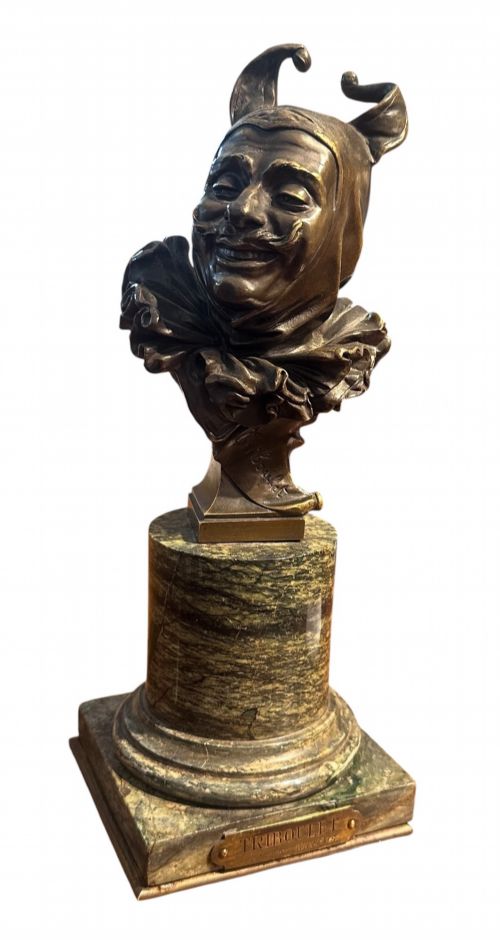
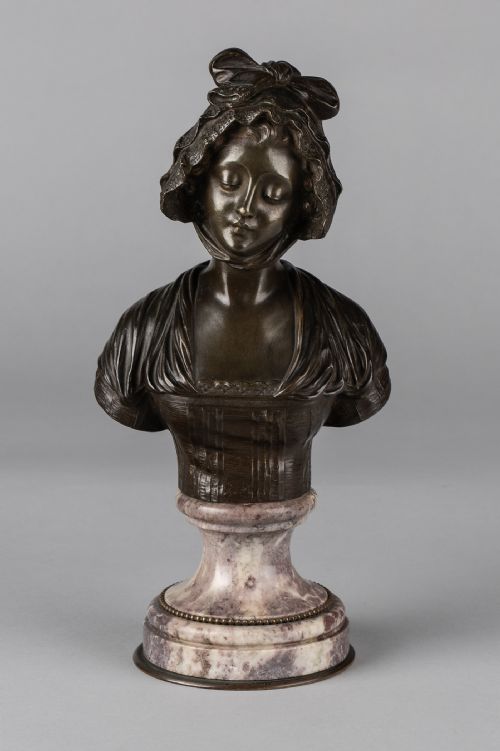
Marbled base busts bring classical dignity and sculptural presence indoors, pairing cast metal or carved stone with distinctive mineral plinths.
Marbled Base Busts
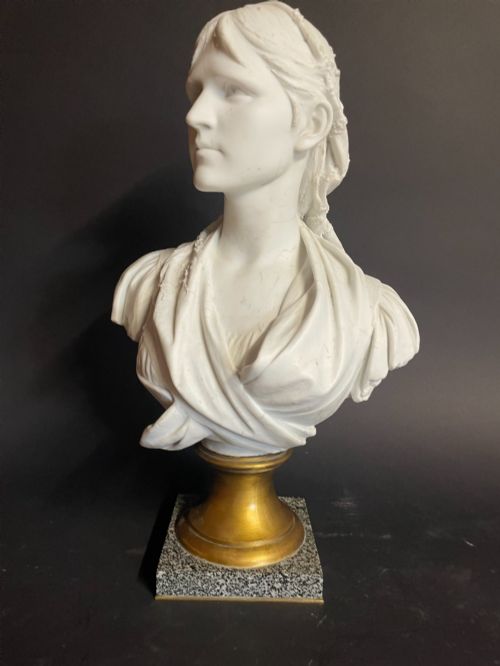
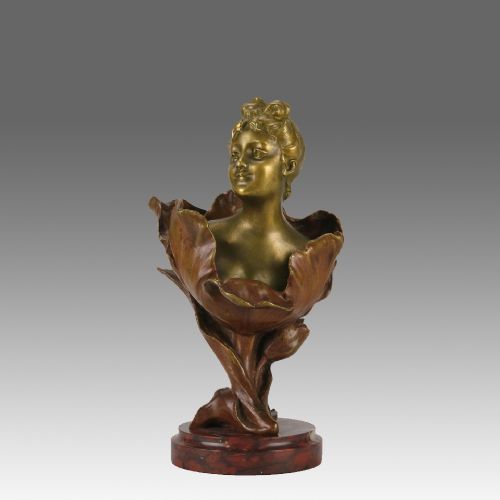
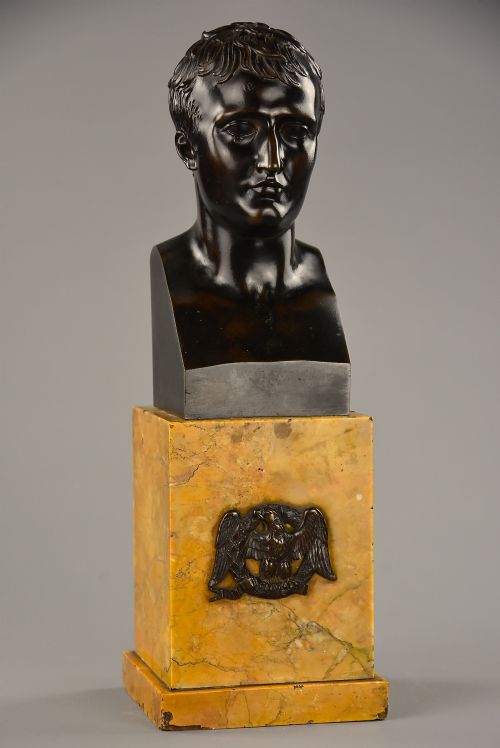
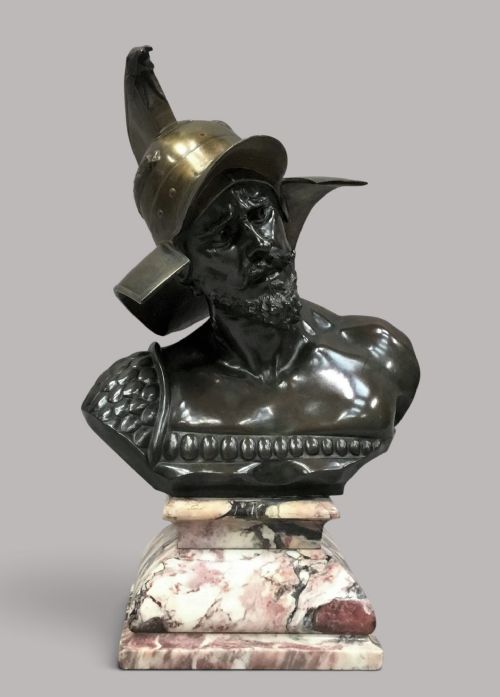
When you search for marbled base busts, you encounter portrait sculptures mounted on contrasting mineral plinths. The subjects range from historical figures and literary characters to allegorical studies and classical deities. Most examples on this page date from the nineteenth and early twentieth centuries, reflecting diverse European traditions.
The format typically combines a cast or carved upper portrait with a substantial stone footer that grounds the composition. You see materials like Carrara marble, Vert de Mer, portoro, and black marble used specifically for these supportive plinths. This construction elevates the visual weight of the subject and adds structural stability.
Originating largely from French and Italian workshops, these pieces draw upon Grand Tour souvenirs, neoclassical ideals, and Art Nouveau aesthetics. Sculptors utilised various metals and stones to create distinct visual moods, ranging from severe classical studies to flowing organic portraits. Every piece reflects the prevailing sculptural tastes of its decade of production.
Materials and methods
Foundry casting methods shape the metallic portraits in bronze, gilt bronze, or spelter, using molten alloys poured into prepared moulds. Workers then finish the cast surfaces through chasing and patination to achieve dark bronze tones, verdigris effects, or bright metallic gilding. Alternatively, artisans carved other portraits directly from blocks of Carrara marble or pale alabaster.
The supporting plinths require precision cutting from dense mineral blocks such as granite or variegated marble varieties. Craftsmen turn and polish the stone bases to cylindrical, square, or stepped profiles designed to anchor the upper bust securely. Metal mounting pins or threaded rods typically connect the portrait directly to the stone plinth beneath.
Marbled Base Busts Retail Price Guide 2026
Typical asking prices for marbled base busts among the pieces listed under this phrase on Sellingantiques today, from the lower quarter to the upper quarter. They describe what is for sale here now, not the wider market.
Historical periods span the nineteenth century through the 1950s, encompassing Neoclassical, Art Nouveau, and Art Deco styles.
Evaluating craftsmanship
The selection of the stone plinth also distinguishes the grade of an individual sculpture. Finer pieces incorporate richly veined decorative marbles like portoro or Vert de Mer, turned with geometric precision and polished to a deep lustre. Plain or roughly finished bases indicate standard commercial production rather than high-tier atelier work.
Henri Godet·Georges-Charles Coudray·Antonio Merente·Alajos Strobl·Willems·Emmanuel Villanis·E. Laurent·Richard Aurili·Eutrope Bouret·Georges Van Der Straeten·Pugi·Gory
The Marbled Base Busts Glossary
- Patina
- The surface sheen and chemical coloration developed on metal over time or applied intentionally by the foundry. This layer protects the underlying alloy and defines the visual character of bronze and brass sculptures.
- Spelter
- A zinc-based alloy commonly utilised as an economical alternative to bronze for nineteenth-century figurative castings. It accepts metallic paints and patination well, though it is softer and lighter than genuine bronze.
- Ormolu
- Gilt bronze created by applying a mercury and gold amalgam to a bronze base and heating it until the mercury vaporised. This historic gilding technique produces a durable, rich yellow gold finish.
- Grand Tour
- The nineteenth-century travel tradition where wealthy Europeans collected classical antiquities and smaller bronze reproductions as cultural souvenirs. Many cabinet bronzes and bust studies originated from this practice.
- Vert de Mer
- A dark green decorative marble featuring distinctive white and lighter green mineral veins. It was frequently turned into architectural columns, table tops, and sculptural bases in France and Italy.
Marbled Base Busts: Frequently Asked Questions
Are spelter and bronze different?
Spelter and bronze represent entirely different metallic compositions used in historical sculpture production. Bronze is a durable copper and tin alloy capable of holding fine chisel work and complex patinas.
Spelter relies on a softer zinc base that is lighter in weight and more fragile under physical stress. You can often distinguish them by checking the underside or inspecting the metal beneath any worn surface finish.
Where were these displayed originally?
These sculptures typically stood in nineteenth-century libraries, studies, and formal antechambers upon heavy desks or mantelpieces. Their compact format allowed them to decorate domestic interior spaces without requiring floor pedestals.
They served as indicators of classical learning, artistic taste, and travel experiences. Today they function well on side tables, cabinets, and open bookshelves within residential settings.
How do I identify a cast?
Examine the surface under good light to locate any evidence of chasing, filing, or tool marks that indicate hand-finishing after casting. Sharp details around the eyes, hair, and clothing usually signal careful foundry work.
Check the junction between the metal bust and the marble base to understand how the mounting was engineered. Signatures or foundry stamps incised directly into the metal provide additional clues regarding the origin of the piece.