


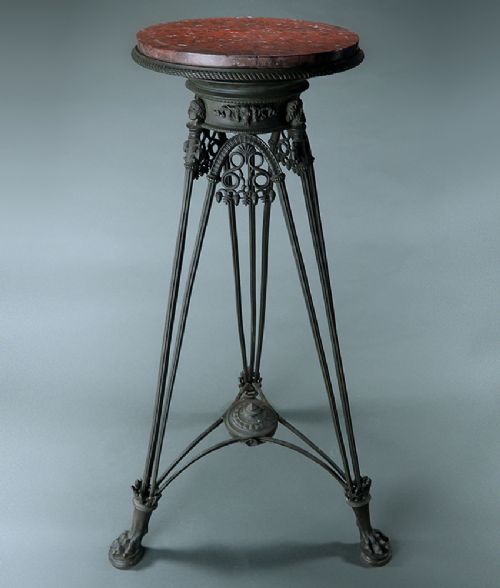
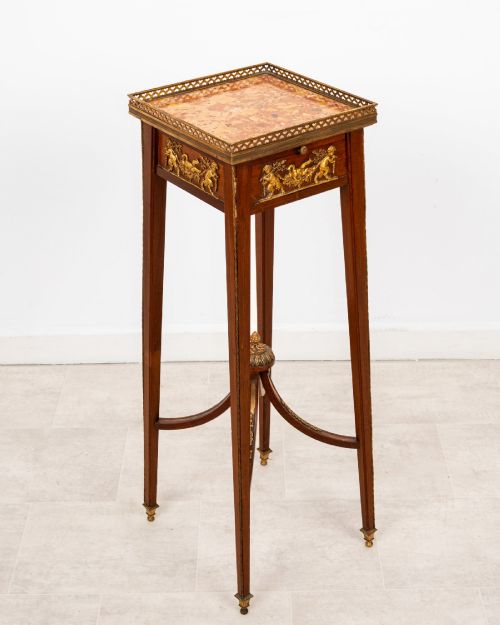
Marble Topped Plant Stand
A marble topped plant stand brings architectural weight and a cool stone surface to display greenery or sculpture in a room.
Marble Topped Plant Stand
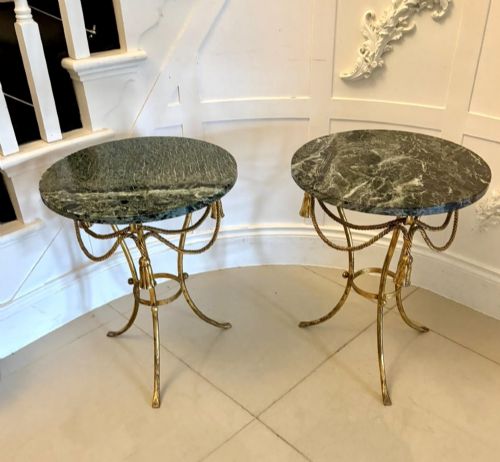
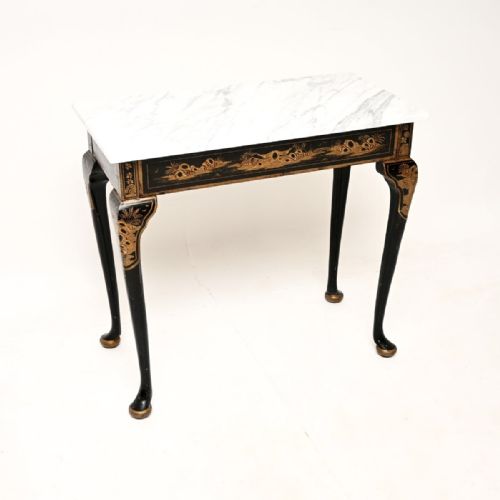
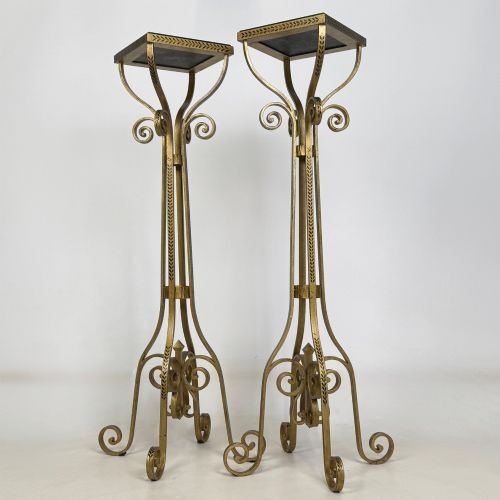
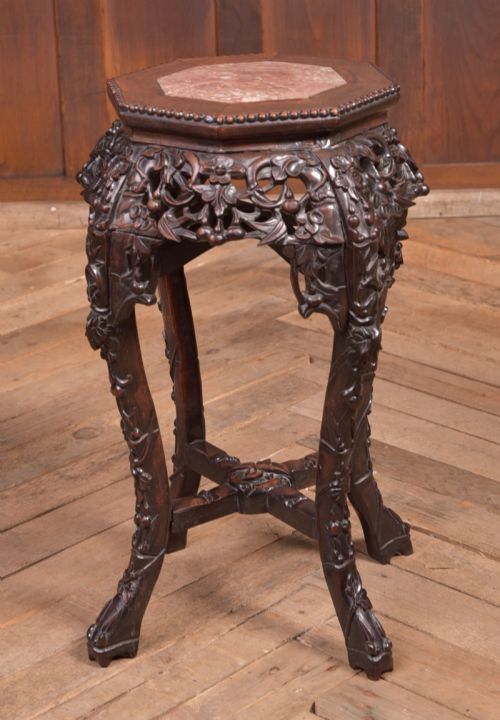
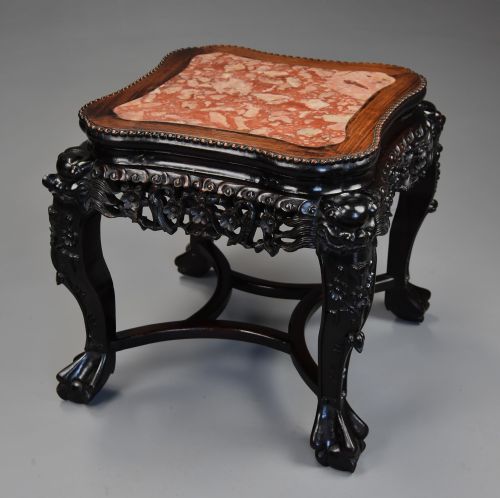
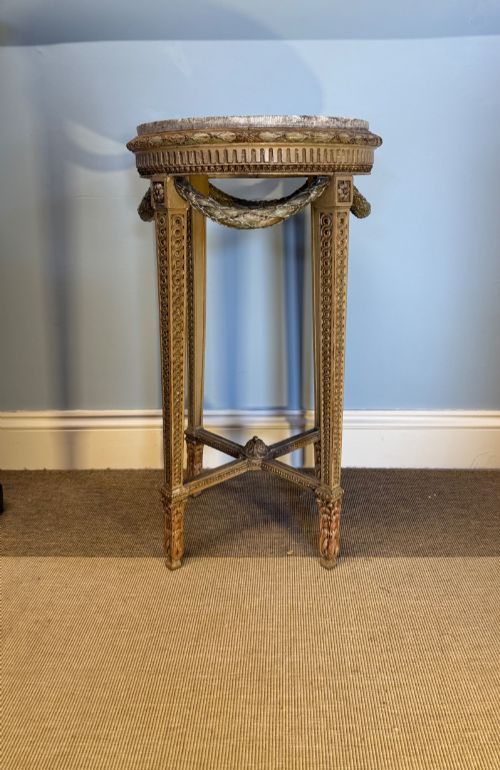
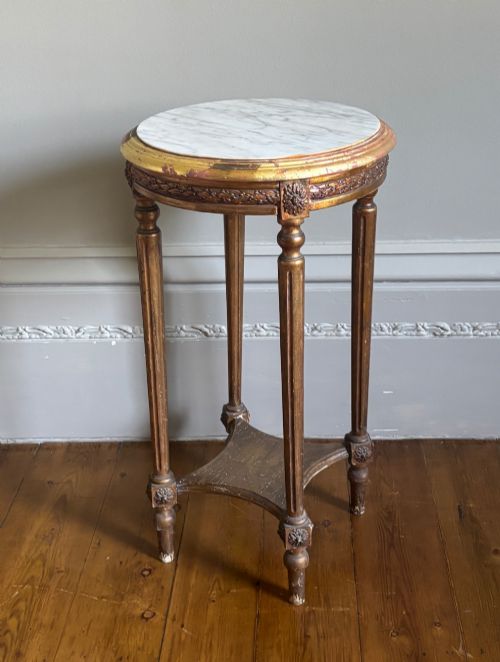
A marble topped plant stand functions as an elevated stage for indoor plants, jardiniere bowls and decorative objects. These pieces span the nineteenth century into the early twentieth century, drawing on diverse traditions from Victorian England and Regency periods to French Neoclassical, Empire and Qing Dynasty aesthetics.
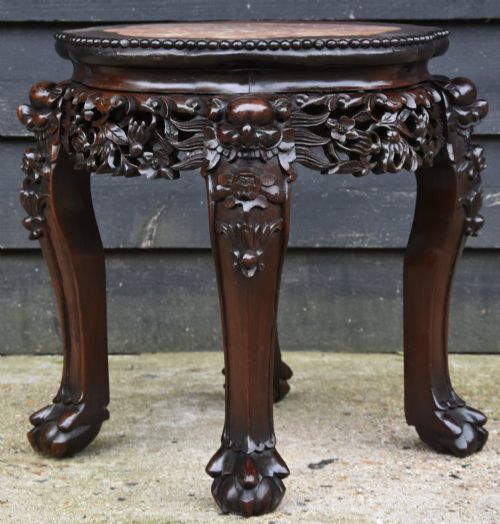
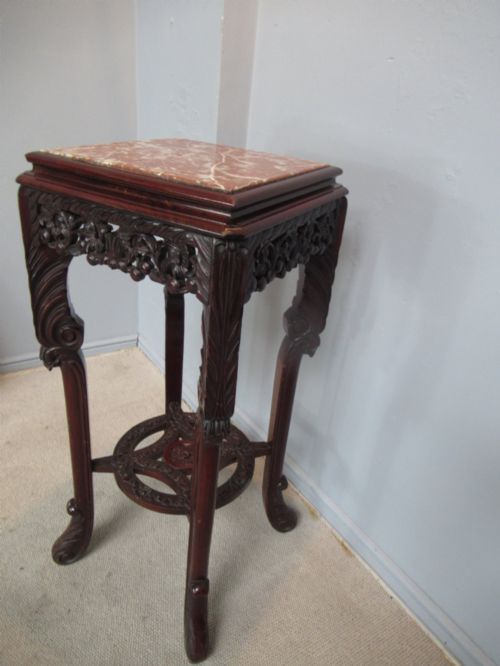
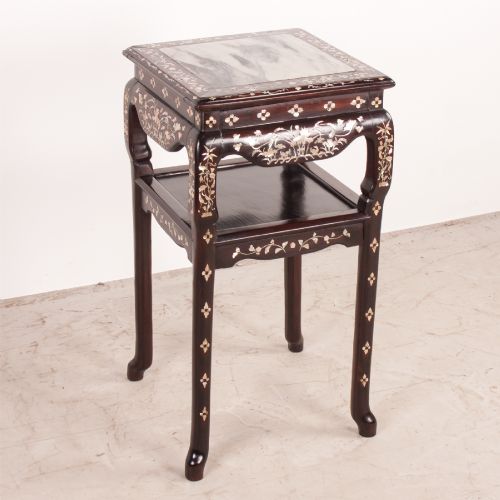
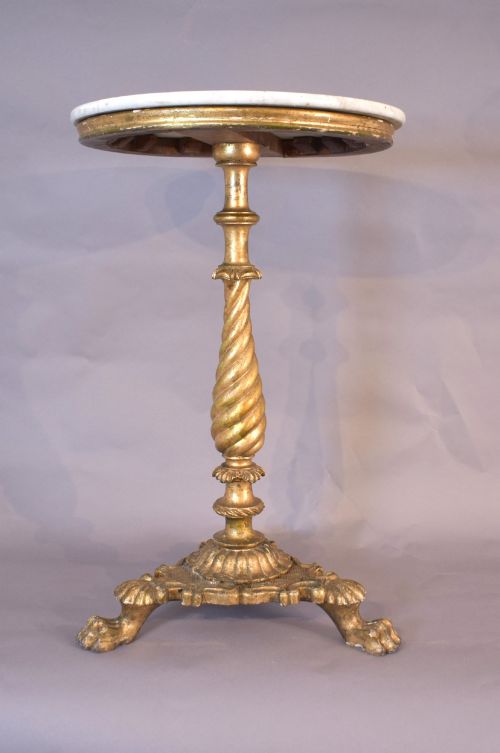
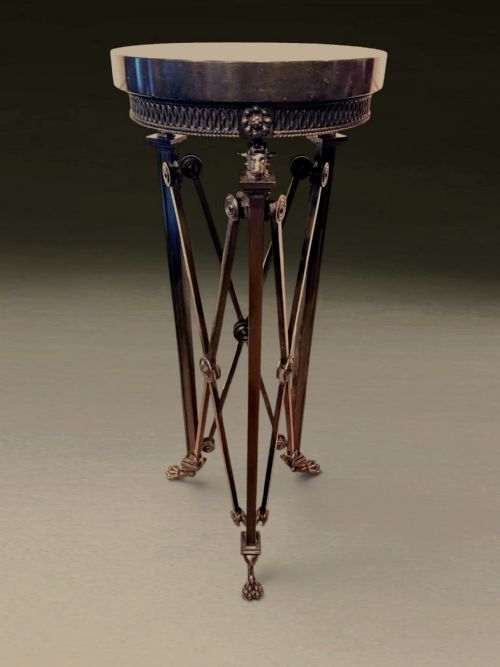
The most common forms encountered here are Chinese carved hardwood pot stands and French occasional or pedestal tables. They appear as round, square or shaped low tables and tall pedestals designed to support heavy planters without sacrificing floor space.
Makers utilised resilient timbers such as mahogany, rosewood, walnut and giltwood to frame inset slabs of white, verde or rouge marble and onyx.
How they were made
The construction relies on dense timbers like hardwood, mahogany and rosewood joined to support heavy stone inserts. Artisans shaped these woods through intricate carving, turning or giltwood application, matching French Rococo, Louis XVI Revival and Chinese export traditions.
Stone inserts - predominantly marble and onyx, alongside quartz - were precision cut to fit recessed tabletops. Metal elements such as brass, gilt metal and bronze provide structural reinforcement and decorative mounts on French and English examples.
The listings combine Chinese export furniture from the nineteenth century with European styles spanning the Regency, Victorian and Edwardian periods.
What varies in quality
The depth and crispness of the wood carving separate standard items from superior pieces, particularly in Chinese hardwood and French giltwood frames. Deeply undercut foliage and crisp mouldings indicate skilled hand work.
The selection and figuring of the stone top dictate refinement. A well-matched piece of variegated rouge marble or a flawless white insert carries greater visual weight than flat, unfigured slabs.
François Linke
The Marble Topped Plant Stand Glossary
- Jardiniere stand
- A low or tall table specifically designed to hold a decorative pot for plants and flowers. These often feature inset marble tops to resist water damage.
- Guéridon
- A small French table on a central pillar or tripod base originating in the seventeenth century. They frequently serve as lamp or plant supports.
- Hongmu
- A traditional Chinese term for dense, durable hardwoods used in fine furniture making. It translates to red wood and encompasses species like rosewood and padouk.
- Verde marble
- A green ornamental stone characterised by varied veining and rich colouration. It appears frequently in Italian and French decorative tables.
- Giltwood
- Timber that has been coated with a thin layer of gold leaf. This technique highlights carved details on French Neoclassical and Regency frames.
Marble Topped Plant Stand: Frequently Asked Questions
What were marble topped plant stands used for?
These stands served primarily to elevate potted plants, ferns and floral arrangements within Victorian parlours and drawing rooms. The stone surface protected the timber frame from spilled water and damp soil.
Over time, owners also utilised them as side tables for lamps, ornaments and occasional tea services. Their compact footprints made them versatile furniture for corners and narrow spaces.
How do I style a plant stand at home?
Pair the stand with a trailing houseplant or a heavy ceramic pot that complements the marble veining. The stone surface naturally tolerates minor moisture from watering.
Position the piece in a well-lit corner, hallway or beside seating where the carved woodwork and stone top remain visible. Ensure the height of the stand balances the size of the plant placed upon it.
How do I tell Chinese stands from European pieces?
Chinese stands often utilise dense hardwoods like rosewood or padouk with mortise and tenon joinery and deep hand carving. They frequently feature shaped marble inserts and motifs derived from Qing Dynasty design.
European examples typically employ mahogany, walnut or giltwood built to French or English revival styles such as Louis XVI or Regency. These frequently incorporate cast brass mounts and turned columns.
What is the difference between a jardiniere stand and a pedestal?
A jardiniere stand is built specifically to support a planter or bowl, usually featuring a water-resistant stone or marble inset top. They tend to be lower in height and heavily carved.
Pedestals function more broadly to display sculptural busts, urns or lamps rather than living plants. They often adopt classical column forms in marble, wood or brass.