

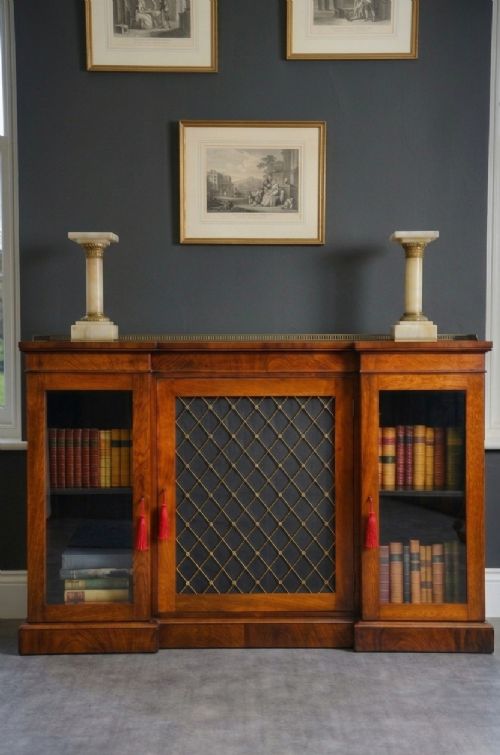



Marble Plinth Table
A marble plinth table grounds a room with heavy stone weight and classical authority, carrying figures, clocks, and lights.
Marble Plinth Table
A marble plinth table brings together sturdy stone bases and upright decorative objects, ranging from heavy display pedestals to low centre tables set with inlaid specimen stone. These objects span periods from the eighteenth century through the Victorian era up to the Art Deco movement, crossing various European provincial and classical aesthetics.
The most common form met here pairs a dense marble base with a sculptural top piece, such as a bronze animalier figure, an ormolu mythological statuette, or a gilt candelabrum. Other variations include low coffee tables with inlaid marble tops and circular pedestals finished in faux marble.
Makers recorded on this page include Payne of London, whose fusee mantel clock represents the precision clockmaking of the early nineteenth century. This single recorded maker demonstrates the high standard of mechanical and decorative assembly found alongside the stone and metal works.
How they were made
Makers cut and polished solid marble, onyx, and specimen stone to form heavy blocks, circular columns, and low table surfaces. Stonemasons smoothed these mineral bases to support delicate bronze, brass, silver-plated, and ormolu figures mounted directly onto the stone.
Foundries cast bronze and metal alloy components using traditional methods, often applying patinated or gilded finishes to sculptures of stags, classical figures, and provincial farm girls. Artisans combined these metals with glass elements like mottled opaline lamp shades to complete the assembled objects.
Marble Plinth Table Retail Price Guide 2026
Typical asking prices for marble plinth table among the pieces listed under this phrase on Sellingantiques today, from the lower quarter to the upper quarter. They describe what is for sale here now, not the wider market.
Listings span eight distinct materials, including specimen stone, onyx, and patinated metal.
What varies in quality
The distinction between tiers rests on the precision of the stone cutting and the refinement of the metal casting. High-tier works feature finely inlaid specimen marble and crisply chased bronze or ormolu mounts, whereas lower tiers rely on simpler cast metal alloys and plain stone surfaces.
Material choice dictates longevity and visual depth, with genuine variegated marble and heavy bronze outlasting painted faux finishes and plated base metals. The tightness of the fit between the metal sculpture and its stone plinth indicates the care taken during original assembly.
Payne of London
The Marble Plinth Table Glossary
- Plinth
- A heavy rectangular or circular block of stone serving as a solid base for a statue, vase, or table structure. It elevates the mounted object and adds structural stability.
- Specimen stone
- Small pieces of various coloured marbles and minerals precision-cut and inlaid into a larger stone surface to create geometric patterns. This decorative technique appears on eighteenth-century low tables.
- Ormolu
- Finely ground high-carat gold mercury-gilded onto a bronze object to give a bright, durable metallic finish. It characterises French decorative works from the nineteenth century.
- Animalier
- A nineteenth-century artistic style focusing on realistic depictions of animals in motion or repose. These sculptures frequently appear mounted upon stone plinths.
- Fusee
- A conical pulley used in clockmaking to maintain even tension on the mainspring as it unwinds. This mechanism drives accurate timekeeping in antique mantel clocks.
Marble Plinth Table: Frequently Asked Questions
What is a marble plinth table?
A marble plinth table combines a solid stone base with a functional or decorative top, such as a low centre surface or a mounting for a bronze sculpture.
These pieces function primarily as display platforms or low coffee tables that anchor decorative objects within a room.
How were these tables used historically?
Historically, these stone-based pieces served to elevate important bronze figures, candelabra, and clocks to prominent viewing heights in grand interiors.
Low centre versions provided sturdy surfaces for entertaining spaces while displaying intricate specimen stone inlay work.
How do I care for antique marble?
Antique marble requires gentle cleaning with a soft, dry cloth to protect the polished surface from abrasive dust and moisture damage.
Avoid acidic cleaning solutions that etch the stone and preserve the natural patina built up over centuries of handling.
How do I identify an Art Deco marble piece?
Art Deco pieces typically feature streamlined geometric lines, contrasting materials like mottled opaline glass and granite, and stylised animal or human figures.
These designs emerged around the 1920s and 1930s, shifting away from heavy classical ornamentation toward sleek modernism.