
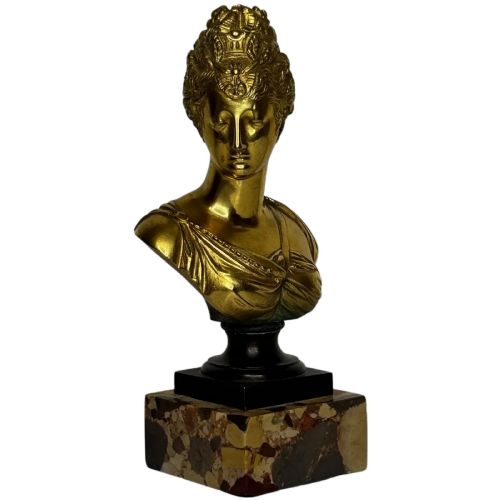
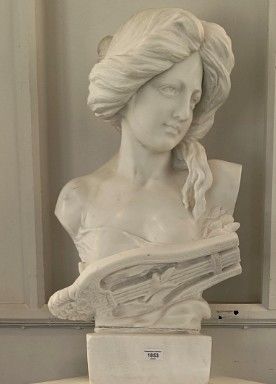
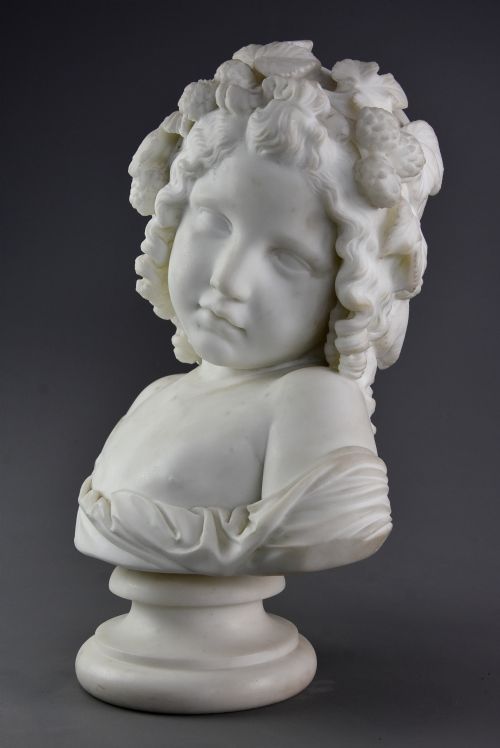
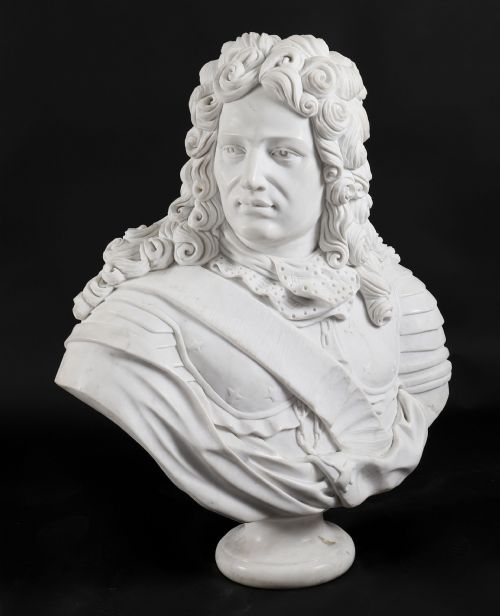

Marble Head Bust
These marble head bust carvings bring classical mythology and historic portraiture into interiors with enduring sculptural presence.
Marble Head Bust
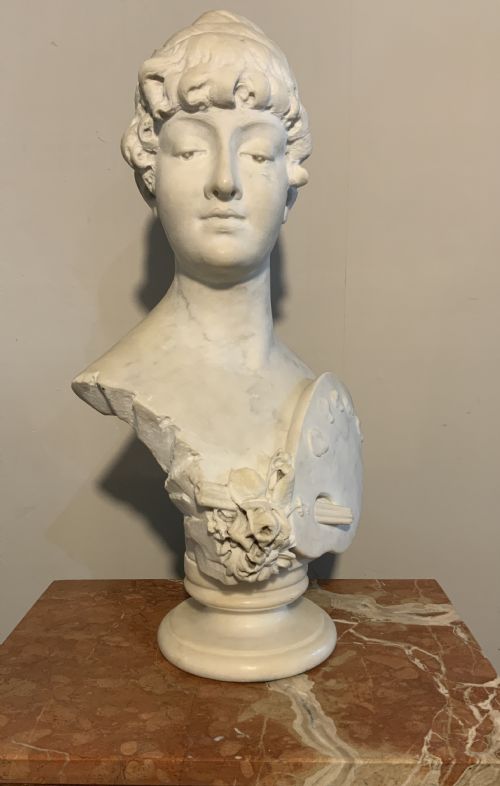
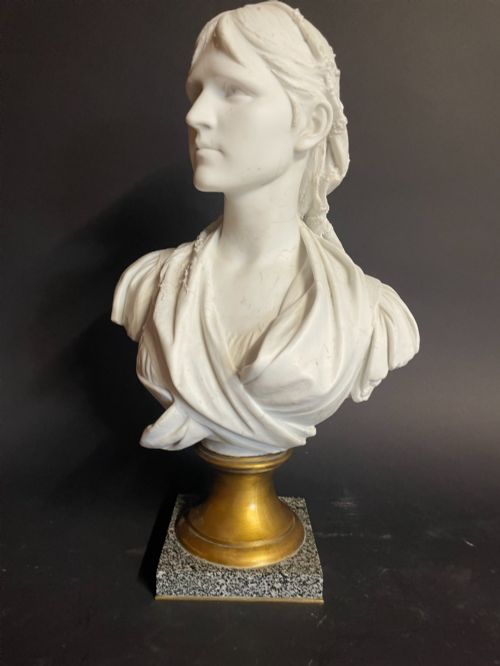
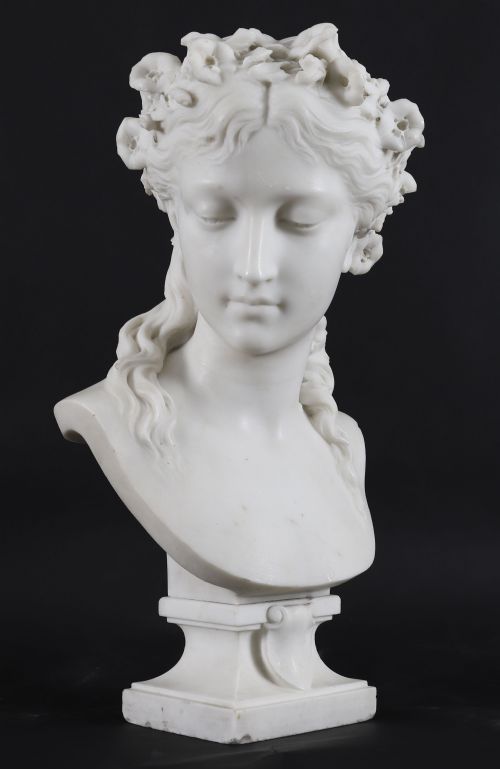
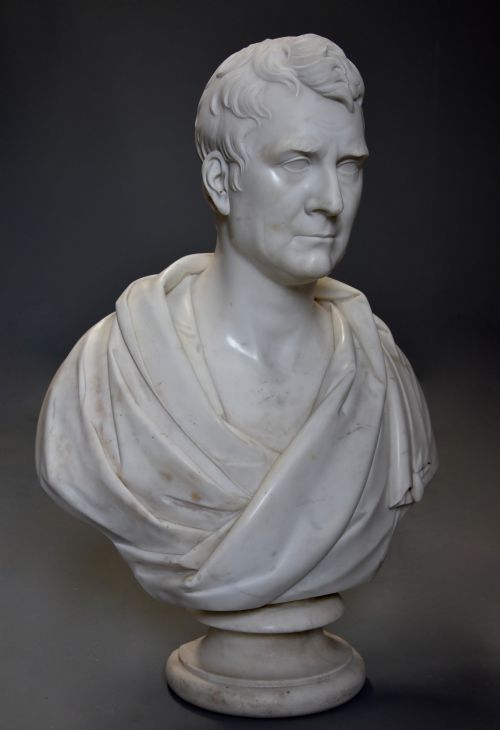
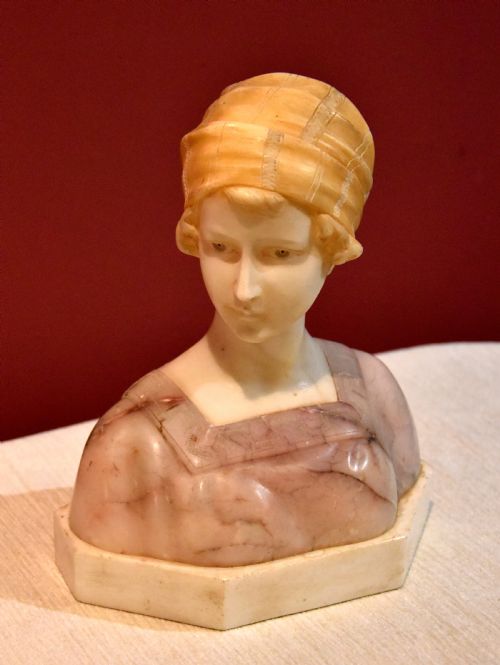
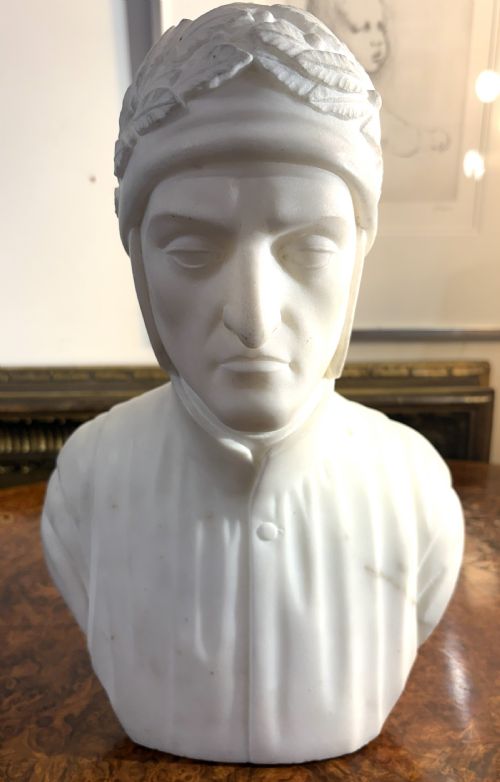
A marble head bust represents historical figures, mythological subjects, and anonymous sitters carved primarily during the nineteenth century. These sculptures appear frequently in Carrara marble, often taking the form of portrait busts or classical figures.
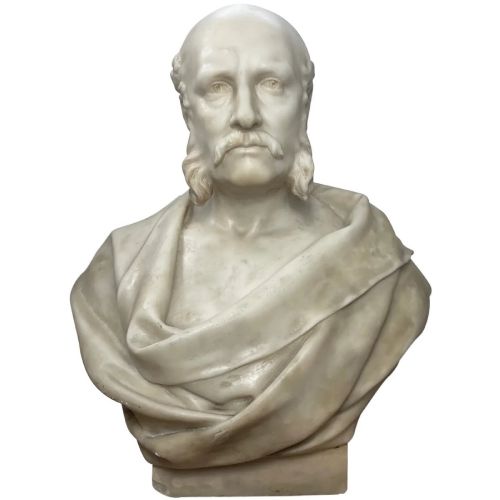
The selections span from Neoclassical interpretations to Grand Tour souvenirs and later nineteenth-century works. Figures range from Roman emperors and literary icons like Dante to graceful young women and noblemen in armour.
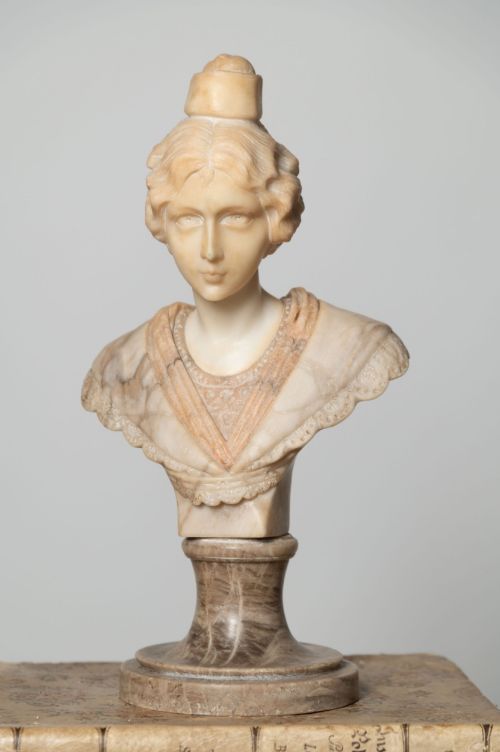
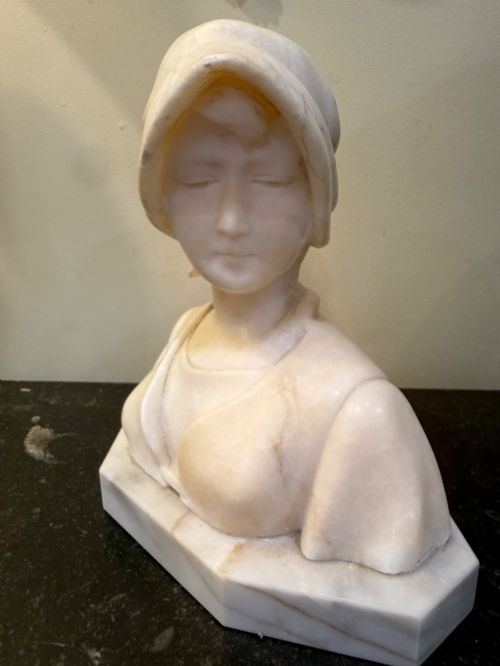
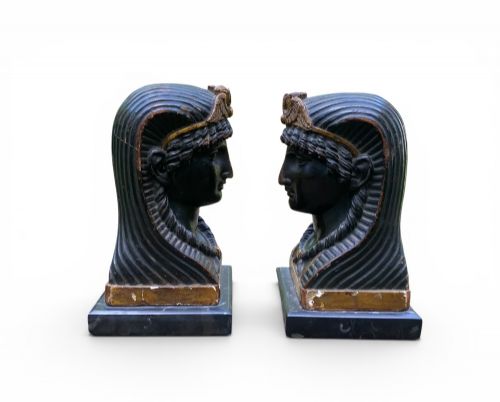
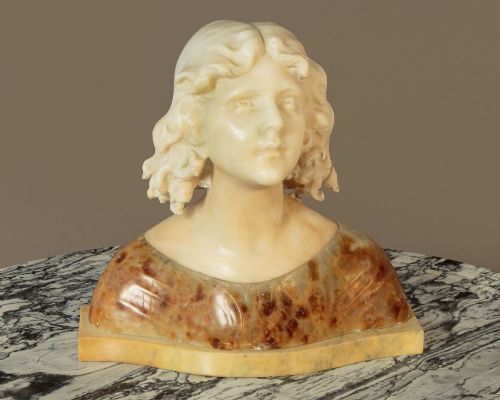
Makers and sculptors utilised various stones including alabaster, white marble, and mixed marble variants alongside bronze and wood elements. Pieces scale from small library busts to monumental civic portraits.
How they were made
Carvers shaped solid blocks of Carrara marble, alabaster, and stone using chisels and abrasive polishing agents to achieve smooth flesh tones and textured drapery. Bronze versions involved casting metal via traditional foundry methods before mounting them onto marble bases.
Many works combine materials, such as white marble heads set against darker stone bases or ormolu mounts. Detail work on hair, armour, and veiling relied on hand-chiselling and incision.
Sleeping gods and Roman emperors share shelf space with Victorian members of parliament.
What varies in quality
Signed works by recorded sculptors demonstrate greater artistic ambition and command higher attention than anonymous studio pieces. The choice of unblemished marble versus stone with heavy natural inclusions also shapes the visual hierarchy.
Eugene Aizelin·Houdon·J Francis·Auguste Henri Carli·George Minne·John Wenlock Rollins·Mieczyslaw Leon Zawiejski·Alajos Strobl·Gugliermo Pugi
The Marble Head Bust Glossary
- Carrara marble
- A type of white or blue-grey marble quarried in the city of Carrara in Tuscany, Italy. It served as the primary material for classical sculpture.
- Grand Tour
- A traditional trip of Europe undertaken by upper-class European young men of means. Souvenirs from these journeys included small bronze and marble busts.
- Neoclassical
- A Western cultural movement in the decorative and visual arts inspired by classical antiquity. This style heavily influences nineteenth-century portrait busts.
- Alabaster
- A fine-grained, translucent stone used for carving decorative objects and portrait busts. It offers a softer texture than standard marble.
- Patinated bronze
- Bronze treated with chemical compounds to produce a specific surface colour. This finish protects the metal and highlights sculptural detail.
Marble Head Bust: Frequently Asked Questions
What is a marble head bust?
A marble head bust is a three-dimensional sculpture depicting the head, neck, and upper shoulders of a subject, carved from stone.
These pieces typically portray historical figures, literary icons, or idealised classical characters intended for interior display.
Where were these sculptures made?
Most pieces originate from European workshops, with a strong tradition rooted in Italian studios using Carrara marble.
French and British sculptors also produced significant portrait busts during the nineteenth-century revival of classical styles.
How do I identify the period?
Dating relies on stylistic clues, costume details, the type of marble, and occasional signatures or date inscriptions.
Neoclassical and Victorian examples often reflect the prevailing aesthetic tastes and portraiture conventions of their specific decades.