





Mantelpiece Mirror Glass
These mantelpiece mirror glass pieces sit above fireplaces to reflect light and fill grand chimney breasts.
Mantelpiece Mirror Glass
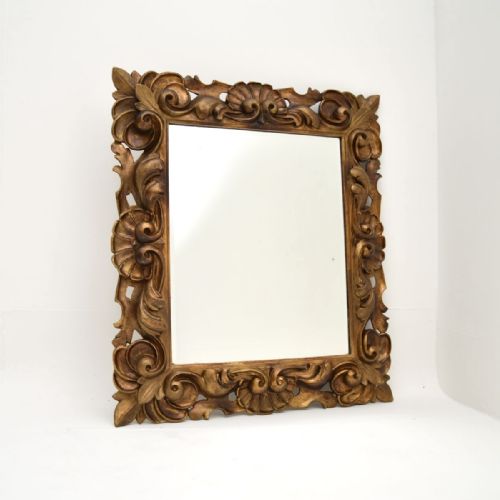
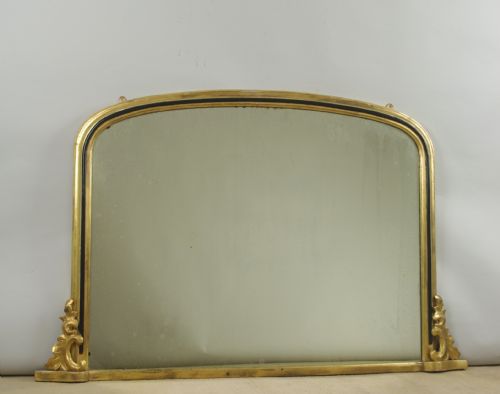
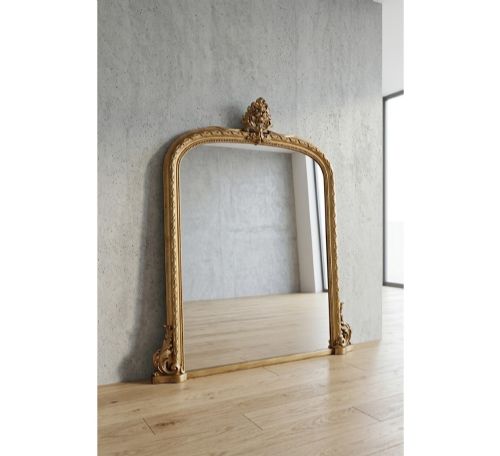
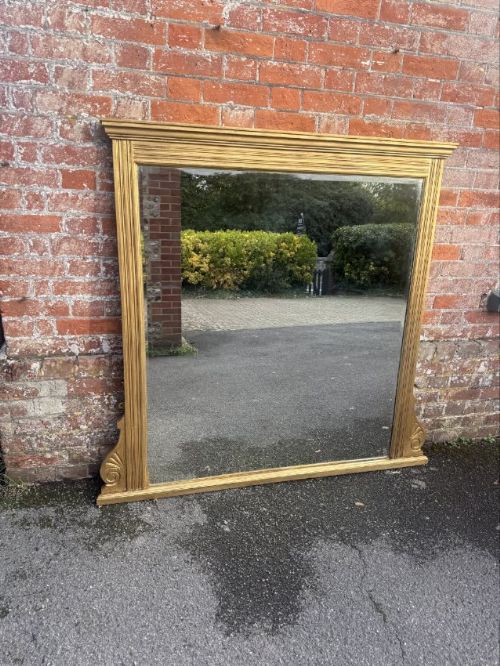
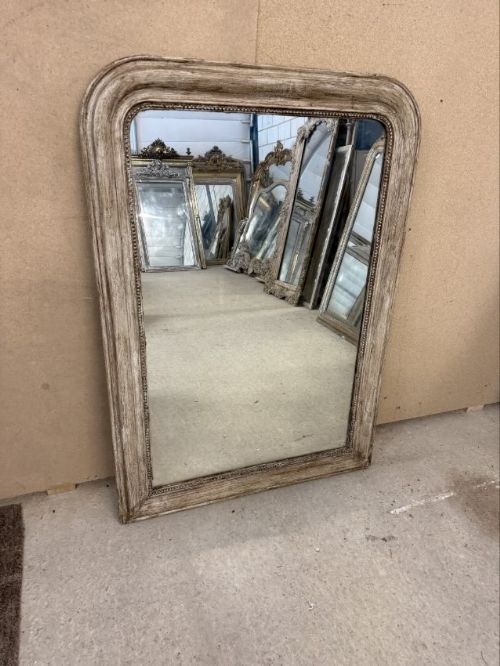
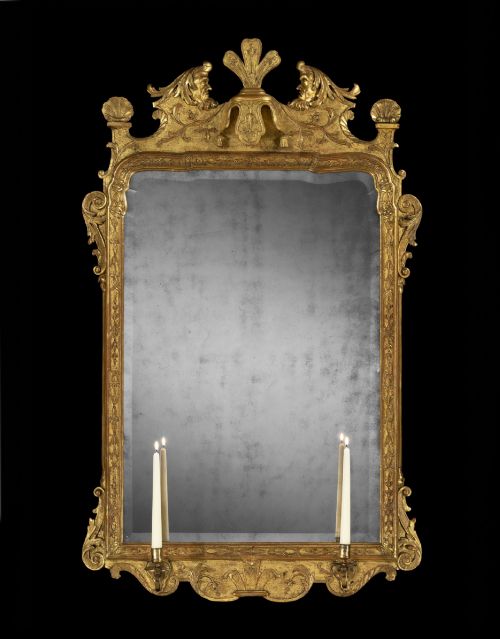
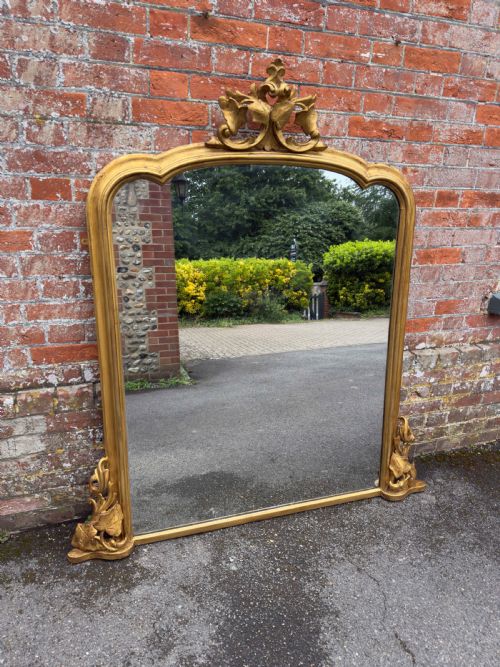
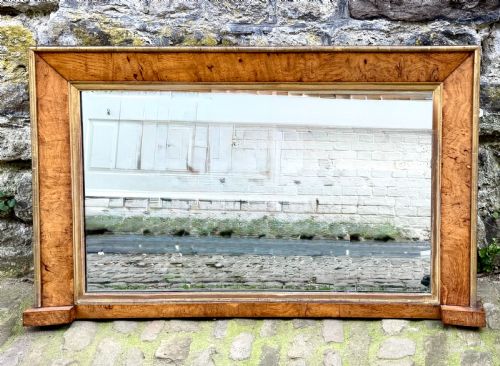
When you search for mantelpiece mirror glass, you encounter substantial overmantels designed to sit directly above fireplace openings. These objects primarily originate from the nineteenth century, including specific decades such as eighteen eighty, eighteen sixty, and eighteen ninety, alongside Victorian periods.
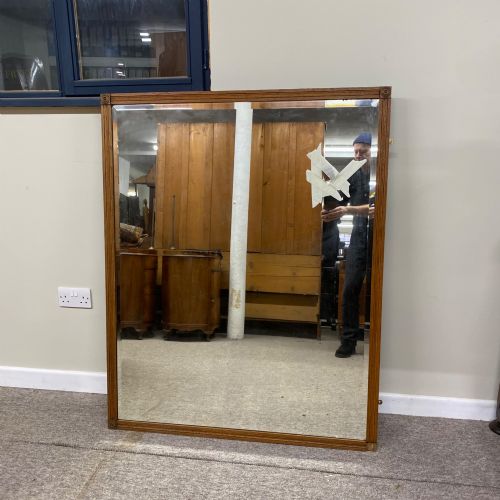
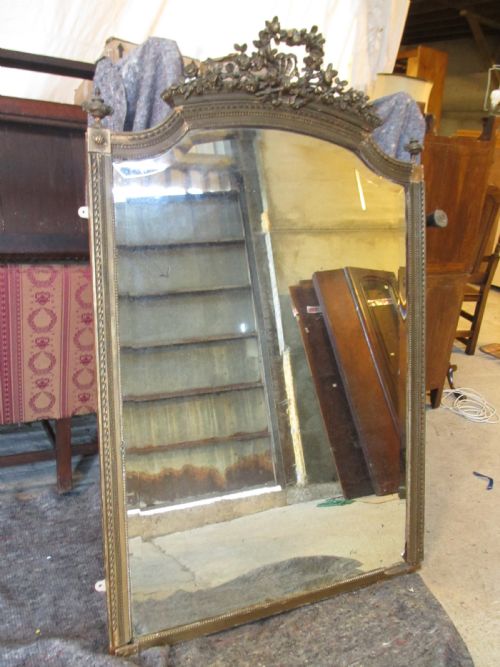
The dominant forms on this page include large arched top overmantels, shaped top gilt frames, and triple plate configurations. Alongside these wall-hung architectural pieces, you also find mahogany framed pier mirrors, small Edwardian examples, and occasional Art Deco vanity or clock combinations from nineteen thirty.
Materials and construction
Frames are constructed from timber foundations such as mahogany, oak, and general wood, which receive layers of gesso and composition ornaments before receiving gold leaf or parcel-gilt finishes. Many nineteenth-century examples utilise carved wood and gesso to build up elaborate crests, scrollwork, and arched profiles.
The reflective surfaces consist of heavy mirror glass, sometimes divided into multiple plates separated by dividing bars or muntins. Etched decoration and silvered finishes appear across Victorian and later twentieth-century iterations, paired with brass fittings and wood backboards.
Mantelpiece Mirror Glass Retail Price Guide 2026
Typical asking prices for mantelpiece mirror glass among the pieces listed under this phrase on Sellingantiques today, from the lower quarter to the upper quarter. They describe what is for sale here now, not the wider market.
Assessing quality in framing and glass
Quality reveals itself in the depth and sharpness of the gesso and carved wood ornamentation on the crest and shoulders. Crisp relief work and well-applied gold leaf distinguish superior pieces from simpler moulded compositions.
The integrity of the mirror glass plates and their silvering determines the visual weight of the piece. Intact nineteenth-century plates with gentle, even ageing hold more character than flat modern replacements.
The Mantelpiece Mirror Glass Glossary
- Overmantel mirror
- A large mirror specifically designed to hang on the wall directly above a mantelpiece or fireplace surround. These frequently feature horizontal proportions or tall arched tops to match room heights.
- Gesso
- A plaster-like material applied to wood frames and carved or moulded into relief decorations before gilding. It provides the smooth base required for crisp leaf gilding.
- Triple plate
- A mirror construction where the single large frame encloses three separate glass panels placed side by side. This method was common in Regency and Victorian overmantels.
- Giltwood
- Timber, usually softwood or hardwood, coated in gold leaf or gold paint. It forms the bright reflective surface characteristic of formal period frames.
Mantelpiece Mirror Glass: Frequently Asked Questions
Where should an overmantel mirror hang?
These mirrors hang directly above the fireplace mantelpiece to anchor the chimney breast and bounce daylight around the room.
Their wide proportions suit the horizontal sweep of a fireplace surround, creating a balanced focal point in a reception room.
How do I identify a Victorian overmantel?
Victorian overmantels typically combine heavy giltwood and gesso frames with arched tops or elaborate crests. Many incorporate multiple glass plates and deep wooden backboards characteristic of nineteenth-century joinery.
Proportions tend to be grand and heavy, built to command large chimney breasts in period properties.
Are these mirrors heavy to mount?
These frames carry significant weight due to the timber construction, thick gesso layers, and heavy glass plates. Secure wall fixings into solid masonry or studwork are essential for safe hanging.