



Mahogany Wine Chest Stand
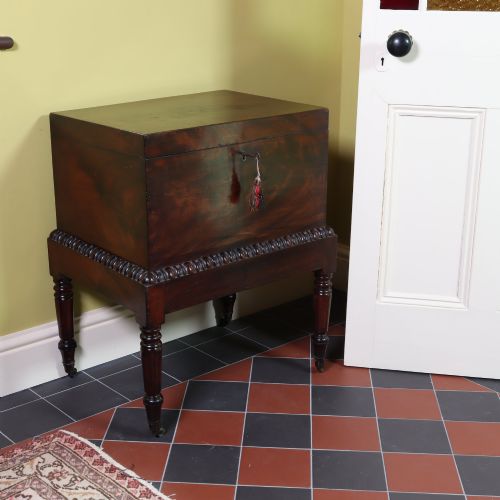
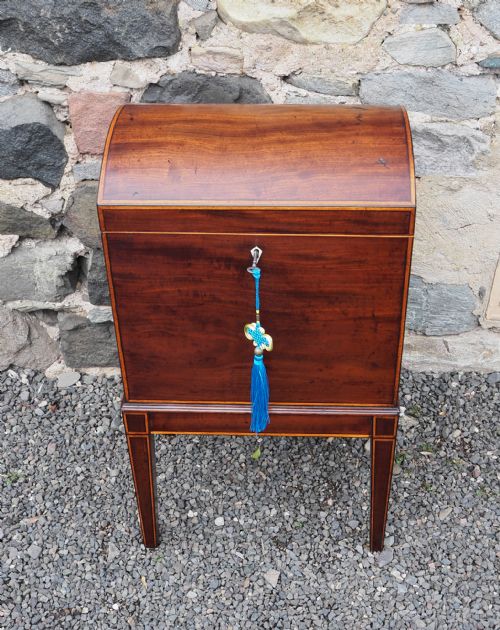
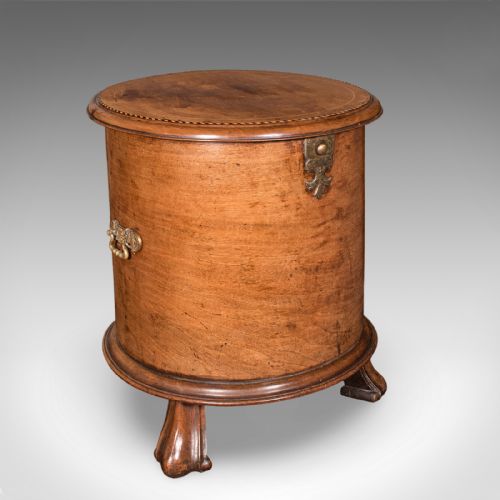
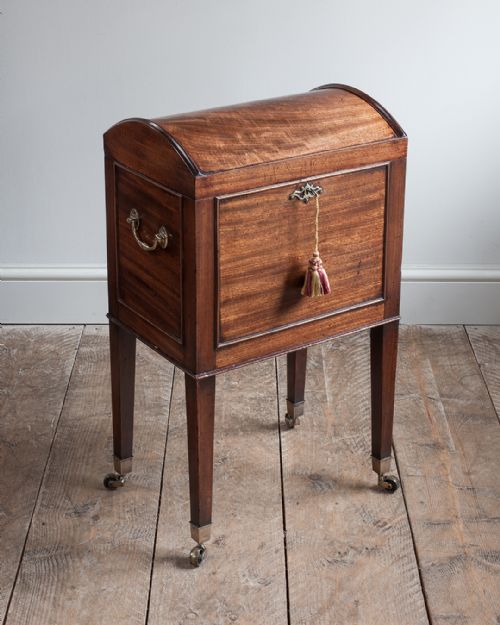
These mahogany wine chest stand pieces are classic Georgian and Regency cellarettes and coolers designed to hold bottles securely in style.
Mahogany Wine Chest Stand
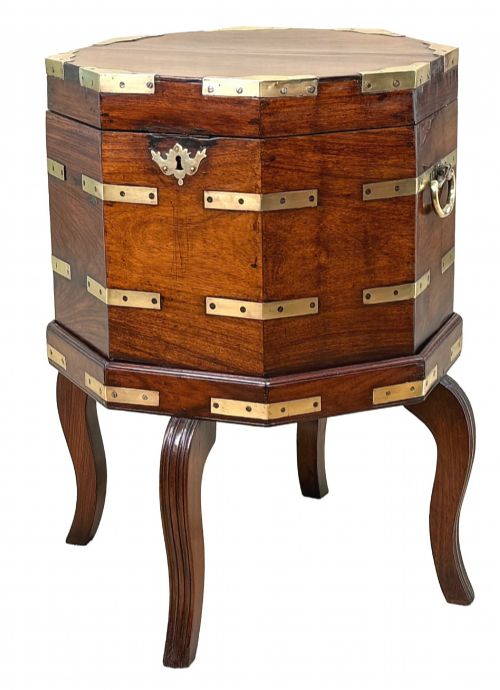
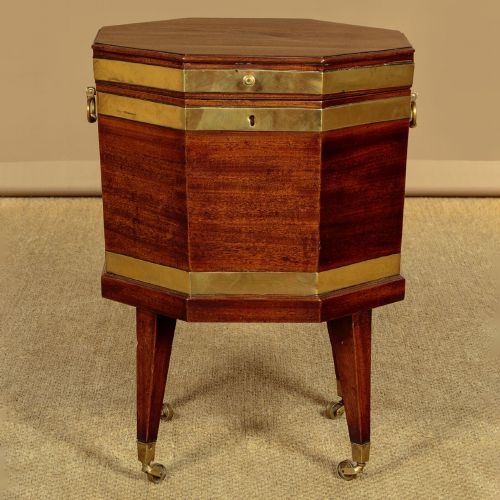
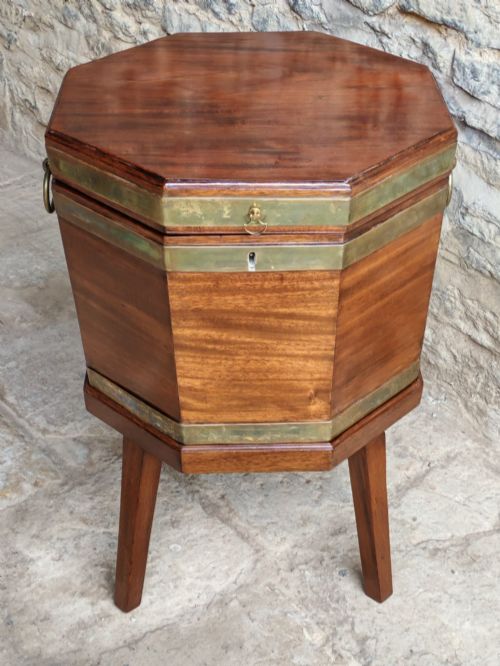
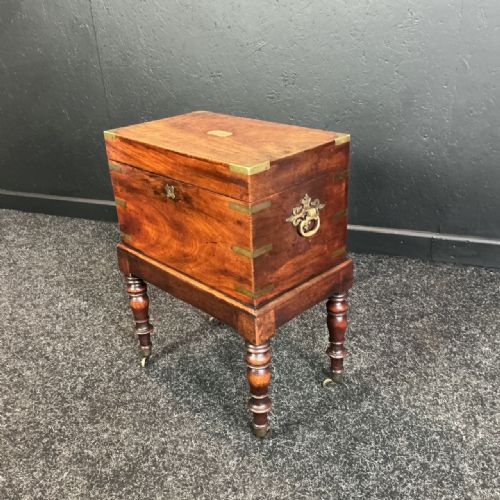
When you search for a mahogany wine chest stand, you encounter Georgian and Regency cellarettes, wine coolers, and teapoys designed for dining room service. These pieces range from octagonal and oval chests to fitted boxes on original stands, originating predominantly from the eighteenth and nineteenth centuries.
The version you are most likely to meet on this page is a Georgian mahogany wine cooler, often bound in brass and dating from the George III period. Many feature traditional inset carrying handles and internal divisions built to hold vintage bottles.
Makers and cabinetmakers of the eighteenth century produced these forms in diverse regional variations, including Anglo-Indian colonial padouk examples and Scottish designs. Teapoys and drinks cabinets also appear within this tradition, offering specialised storage for entertaining.
How they were made
Cabinetmakers constructed these pieces primarily using solid mahogany and flame mahogany veneers over secondary timbers, often incorporating contrasting boxwood and satinwood inlay. Selected items also utilise padouk and walnut to achieve varied surface tones and rich grain patterns.
Structural reinforcement relied on heavy brass banding, corner braces, and carrying handles fixed securely to the timber chests. Internal linings frequently employed zinc or lead to hold ice and water for cooling wine bottles safely during extended dining events.
What varies in quality
The distinction between standard examples and superior pieces rests on the choice of timber and the crispness of the cabinetwork. Fine pieces display rich flame mahogany figures, precise boxwood inlay, and well-preserved original stands rather than later replacements.
Hardware integrity and internal preservation also determine overall merit. Original brass bands, working locks, and intact internal compartments elevate a piece above those with replaced fittings or altered interiors.
Gillows
The Mahogany Wine Chest Stand Glossary
- Cellarette
- A lockable chest or box designed specifically to hold wine bottles in a dining room. They often sat beneath sideboard tables or stood on their own legs.
- Teapoy
- A small chest or box on a stand originally used for storing and locking away expensive loose tea leaves. They share similar construction methods with small wine chests.
- Padouk
- A dense tropical hardwood with a reddish brown colour used in colonial and eighteenth century cabinetmaking. It offers great durability and distinct grain characteristics.
- Flame mahogany
- A highly figured veneer cut from the fork of the mahogany tree where branches join the trunk. It creates a rippled, flame-like pattern prized by period cabinetmakers.
Mahogany Wine Chest Stand: Frequently Asked Questions
What is a wine chest stand used for?
These pieces served as portable cellars in the dining room, keeping bottles close to the table during long meals.
Interior compartments held individual wine bottles securely, sometimes resting on ice to keep the contents chilled.
How do I date a mahogany cellarette?
Dating relies on observing the timber choice, construction style, and hardware types used on the chest.
Georgian examples often display brass banding and tapered stands, while Regency pieces utilise bolder mounts and distinct wood veneers.
Where should I place a wine chest?
They fit naturally in a dining room or living space as accent furniture with functional storage.
The flat top surface allows you to display decorative items while the internal space stores bottles or linens.
Did all wine coolers have stands?
Many eighteenth century examples sat directly on the floor or under sideboards, while others were built onto fixed or removable stands.
Oval and octagonal shapes frequently featured dedicated stands to raise the chest to a convenient height.