





Mahogany Wall Indicator
Mahogany wall indicator describes pieces like barometers, thermometers and scoreboards designed to hang where they can be read at a glance.
Mahogany Wall Indicator
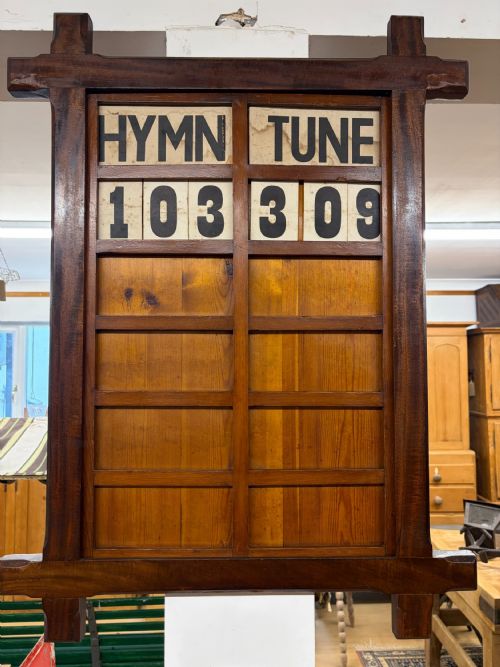
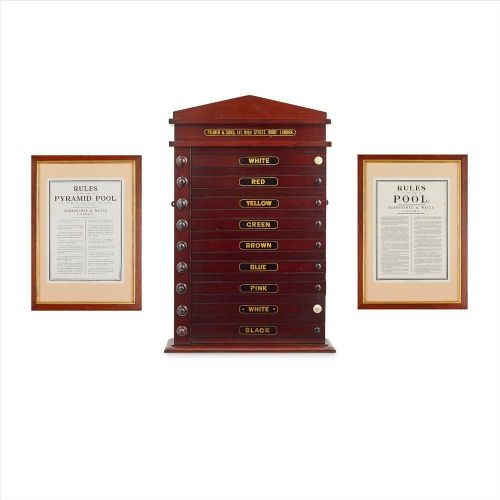
Mahogany wall indicator covers practical instruments and boards made to display information in domestic and public rooms. The selection includes wheel barometers, stick barometers, wall thermometers, perpetual calendars, hymn boards and billiards scoreboards.
The versions most commonly met span the eighteenth and nineteenth centuries, taking forms established during the Georgian, Regency and Victorian periods. These objects served functional roles in homes, halls and clubs before becoming decorative wall pieces.
How they were made
Cabinetmakers utilised solid and veneered mahogany, frequently selecting figured timber such as birds eye mahogany or adding boxwood and ebony inlay to cases. Pine often served as a secondary timber for internal framing and backing boards.
Functional components incorporated brass bezels, scales and indicators, alongside glass dials, silvered metal plates and printed cardboard or cotton elements. Thermometers and barometers relied on mercury contained within glass tubes.
Mahogany Wall Indicator Retail Price Guide 2026
Typical asking prices for mahogany wall indicator among the pieces listed under this phrase on Sellingantiques today, from the lower quarter to the upper quarter. They describe what is for sale here now, not the wider market.
Some pieces kept track of frame games and hymns rather than the weather, proving Victorians loved keeping score on the wall.
What varies in quality
Quality rests upon the crispness of the cabinetwork, from plain mahogany cases to those finished with fine stringing, satinwood or ebony inlay. The integration of the dial with the wooden surround dictates the overall visual balance.
Makers inscribed their names upon silvered metal scales or dials, distinguishing standard utility pieces from signed examples by notable instrument makers. The retention of original mercury tubes and glass faces further separates pieces.
George Adams of Fleet Street·A Rivolta·J Groce York·A Pozbo·George Dollond of London
The Mahogany Wall Indicator Glossary
- Barometer
- An instrument used for measuring atmospheric pressure to forecast weather changes. Wheel and stick forms predominate in mahogany cases.
- Stick barometer
- A tall, narrow instrument containing a vertical mercury column. It offers a direct reading against a marked scale.
- Wheel barometer
- A circular instrument where atmospheric pressure changes drive a float connected to a pointer on a dial face. These often include auxiliary dials such as hygrometers or thermometers.
- Perpetual calendar
- A device designed to show the day, date and month through adjustable cards or indicators. These mounted boards allowed manual updates without resetting the mechanism annually.
- Silvered metal
- Brass or copper treated with a silver solution to create a matte reflective surface. Scale plates on barometers and thermometers utilised this finish for legibility.
Mahogany Wall Indicator: Frequently Asked Questions
How do I read a stick barometer?
You observe the height of the mercury column against the engraved scale plate. Higher readings generally indicate fair weather, while falling levels suggest approaching rain.
Signed metal plates often provide descriptive weather forecasts alongside the numerical measurements.
Where were wall barometers placed?
They hung in hallways, libraries and principal rooms where household members could check conditions before going out. Their placement prioritised steady light and protection from direct heat sources.
Proximity to an entrance made them convenient for daily monitoring.
How do I identify a Georgian barometer?
Georgian examples display characteristic timber framing, simple architectural pediments or bow-fronted cases. The joinery and brass work reflect eighteenth-century craftsmanship standards.
Maker signatures on the dial often help confirm the period of manufacture.