

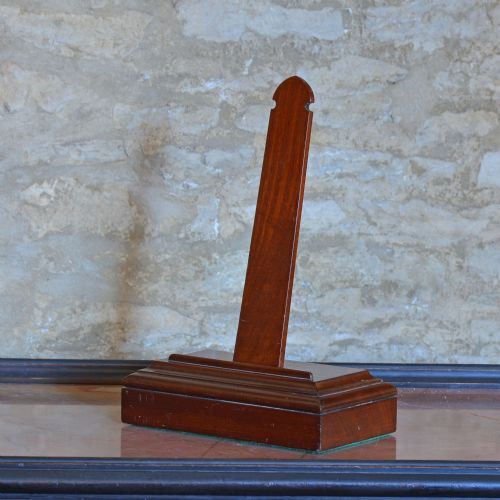
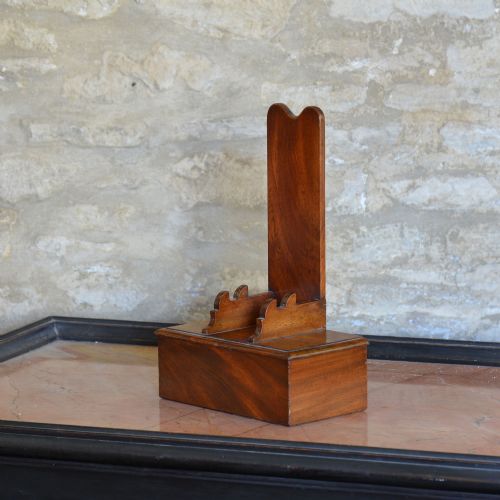


Mahogany Plate Display
Mahogany plate display pieces organise and exhibit fine china with traditional British craftsmanship.
Mahogany Plate Display
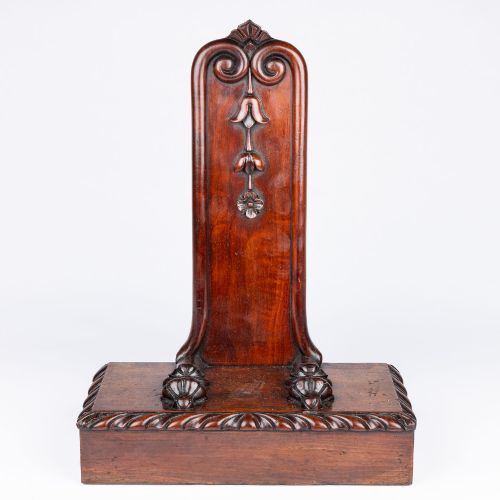
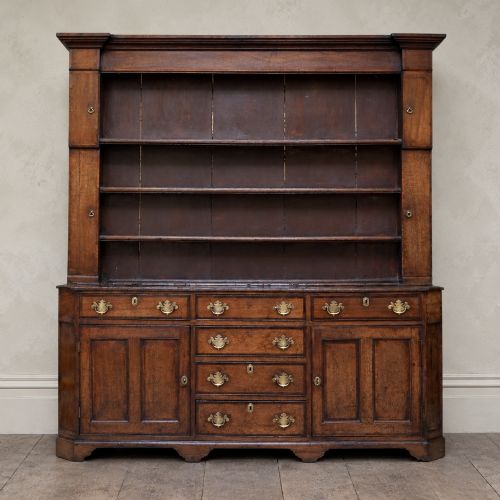
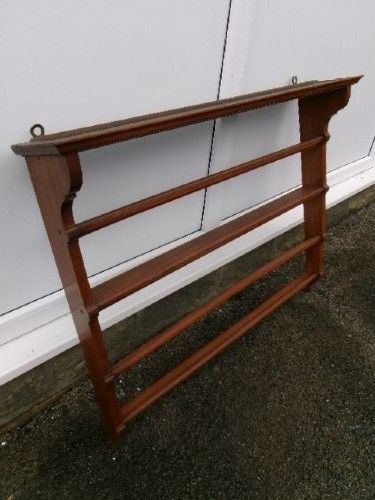
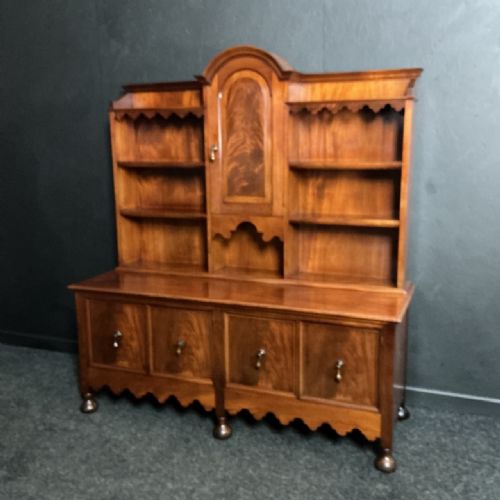
When you search for mahogany plate display, you look at items designed to hold and exhibit plates, trays, and ceramics securely. The examples on this page primarily take the form of display stands, hanging shelves, dressers, and wall racks dating from the eighteenth century through to the Edwardian period.
The versions you meet most frequently on this page include Georgian hanging shelves and nineteenth-century plate stands. These pieces range from compact tabletop tray stands to larger wall-mounted racks and open-top cabinets suited for dining rooms and kitchens.
Makers across the Georgian, Victorian, and Edwardian eras constructed these items to combine practical storage with decorative presentation. They reflect the changing domestic habits of British households over two centuries of interior design.
How they were made
Cabinet makers utilised solid mahogany and figured flame mahogany veneers to build the structural frames and display surfaces. Workshops often incorporated contrasting timbers such as oak for internal framing and secondary elements.
Metal components including brass fixings, iron supports, and weighted elements provided structural stability for holding heavy ceramic plates and trays safely. Protective linings of felt occasionally cushioned the display areas to prevent scratching.
Glazing techniques appeared in pieces featuring bevelled glass within cabinets and cupboards, while traditional joinery methods secured the hanging shelves and wall racks.
Mahogany Plate Display Retail Price Guide 2026
Typical asking prices for mahogany plate display among the pieces listed under this phrase on Sellingantiques today, from the lower quarter to the upper quarter. They describe what is for sale here now, not the wider market.
Listings feature mahogany, oak, brass, iron, felt, and bevelled glass across Georgian, Victorian, and Edwardian periods.
What varies in quality
The grade of timber selection separates standard items from exceptional examples, particularly the depth of grain figure in flame mahogany and the crispness of moulded edges. Superior pieces display thoughtful proportion and balanced integration of brass or iron hardware.
Structural integrity depends on the original joinery and the survival of secondary timbers like oak without excessive alteration. The precision of the hanging mechanisms and the stability of weighted stands dictate the functional success of the piece.
The Mahogany Plate Display Glossary
- Flame mahogany
- A veneer cut from the fork of the mahogany tree, producing a distinctive ripple pattern that resembles flickering flames. It is prized for decorative surfaces on fine cabinet work.
- Hanging shelves
- Wall-mounted open shelving units designed to hold books, ceramics, or plates. They typically feature shaped side supports and multiple tiers.
- Overmantel mirror
- A large mirror designed to hang directly above a fireplace mantelpiece. In mahogany examples, the frame often matches the timber of surrounding display furniture.
- Weighted plate stand
- A specialised display stand incorporating an integrated heavy base or weight to prevent tipping when holding large or heavy ceramic plates.
Mahogany Plate Display: Frequently Asked Questions
What is a mahogany plate display?
A mahogany plate display is a piece of antique furniture designed to hold plates, trays, and ceramics for viewing. These items include hanging shelves, wall racks, and tabletop stands made from mahogany.
They allowed households to exhibit decorative china while keeping tableware organised in dining rooms and living spaces.
How do I date a mahogany display piece?
Dating relies on observing construction methods, timber choice, and stylistic cues from periods like the Georgian or Edwardian eras. Earlier pieces often feature hand-cut joinery and solid timber construction.
Later Victorian and Edwardian examples may incorporate machine-sawn components, bevelled glass, or weighted brass additions.
Were these racks used in kitchens?
Many hanging shelves and wall racks served functional roles in domestic kitchens for drying and storing everyday earthenware. Others lived in formal dining rooms to showcase imported porcelain.
Their placement depended entirely on the wealth of the household and the decorative nature of the ceramics.
How do I mount hanging shelves safely?
Hanging shelves require secure wall fixings suited to the weight of solid mahogany and the heavy ceramics placed upon them. Finding structural wall studs or using appropriate masonry anchors is essential.
Because these racks held heavy plates historically, stable wall attachment prevents shifting and protects the antique joints.