


Mahogany Pedestal Accent Table
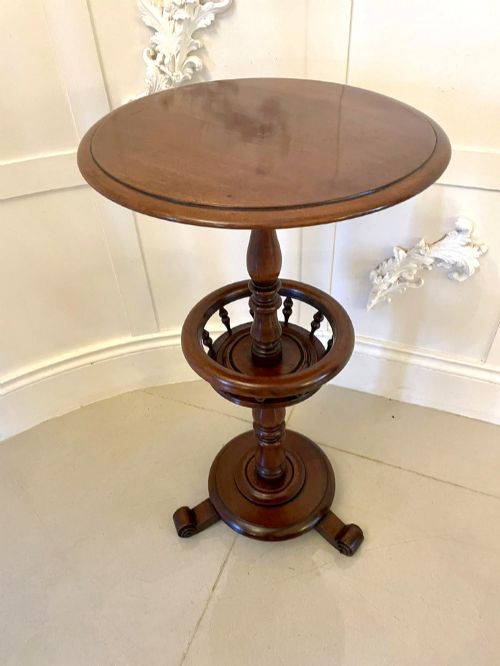
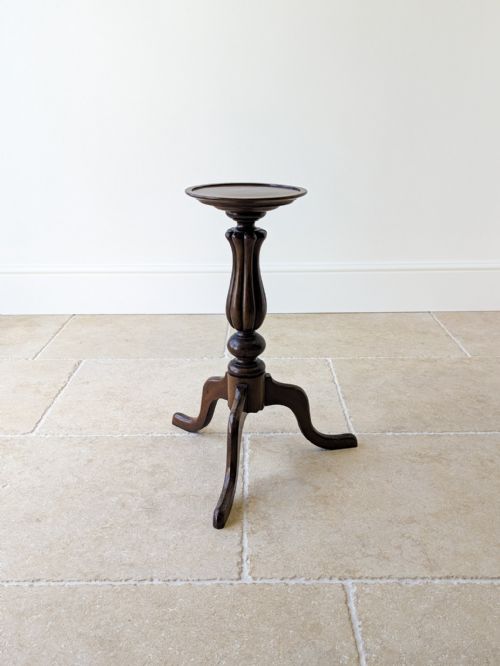
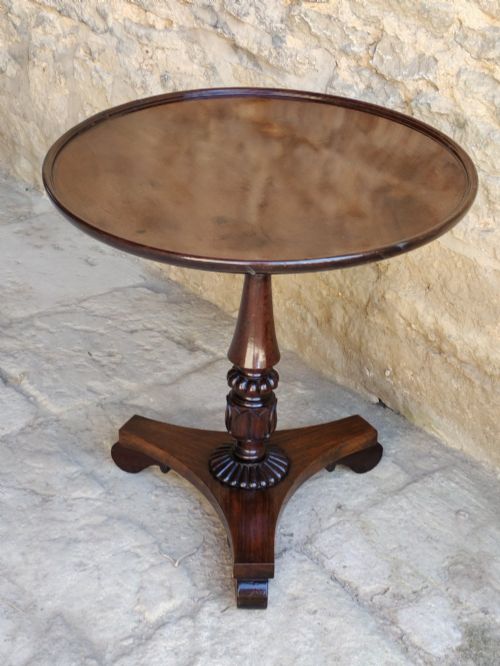
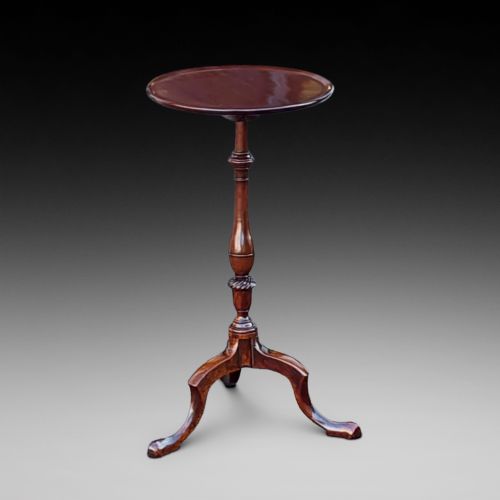
A mahogany pedestal accent table brings rich timber and compact grace to a room, serving as a versatile surface for a lamp or a glass.
Mahogany Pedestal Accent Table
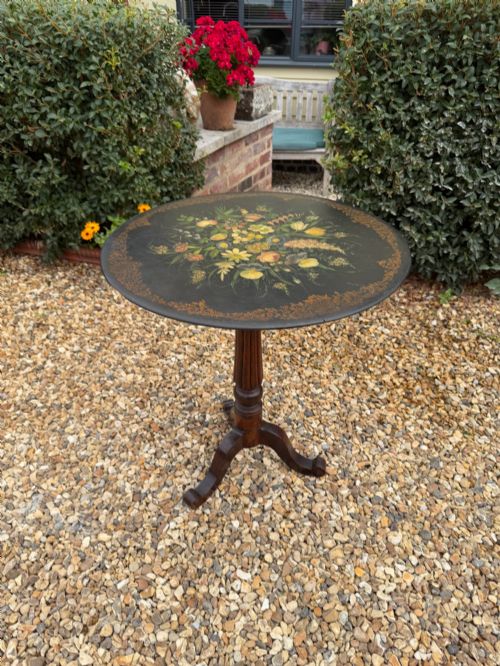
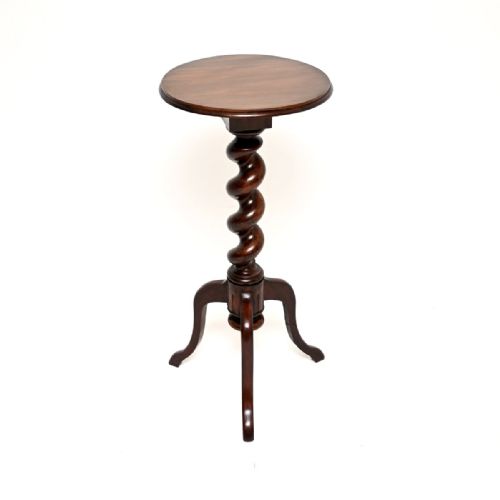
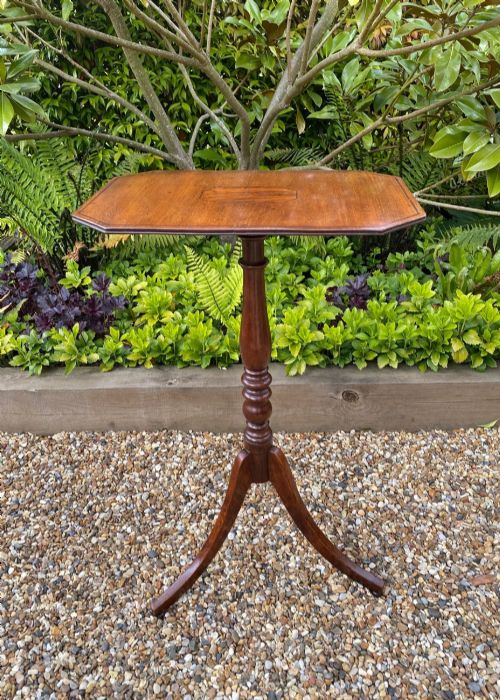
A mahogany pedestal accent table is a compact surface supported by a central pillar, appearing across periods from the eighteenth century through the Edwardian era. These pieces function as wine tables, lamp tables, and occasional stands, designed to fit beside seating or into corners.
The nineteenth century yields a large proportion of these pieces, alongside Georgian, Regency, and Edwardian examples. Forms range from simple tripod wine tables to sophisticated tilt-top and dishtop designs suited for formal parlours.
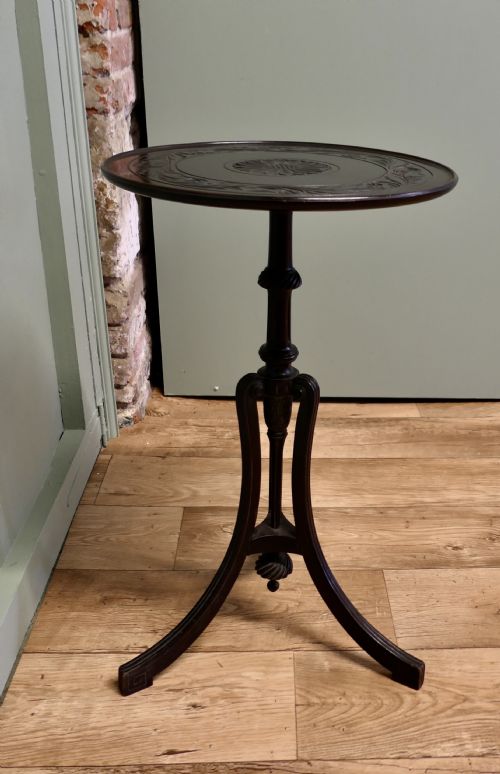
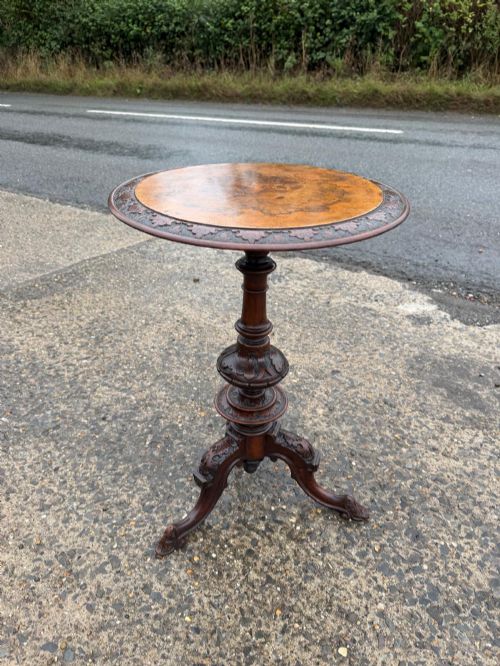
Makers utilised rich timber variants, occasionally pairing the primary wood with burr wood tops, rosewood, or walnut accents. Structural formats include pedestal bases with three-way legs, round tops, and occasional drop-flap or two-tier configurations.
Materials and construction methods
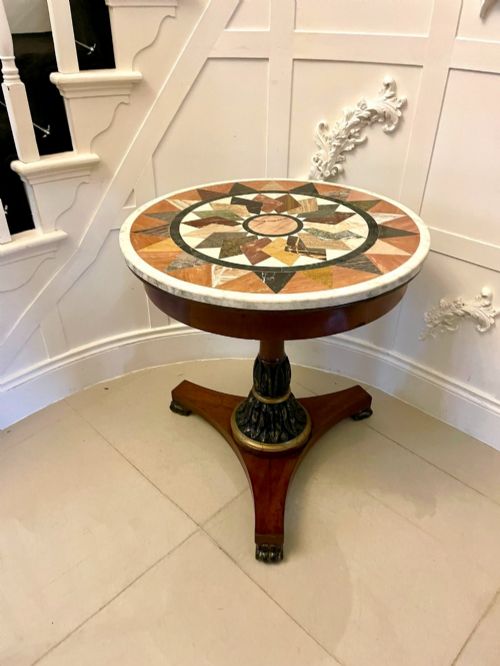
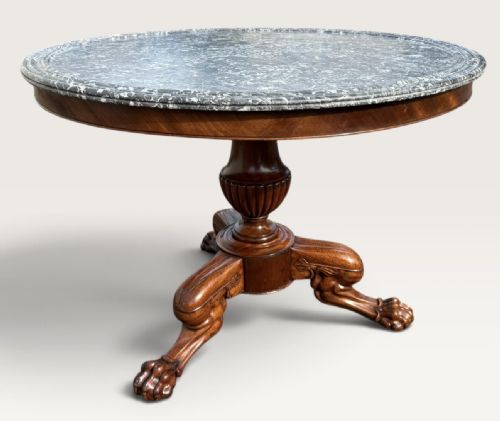
Cabinetmakers constructed these tables primarily from solid mahogany and mahogany veneers, often selecting timber with deep grain patterns. Secondary details incorporated brass hardware, leather inserts, and marble tops set into wooden rims.
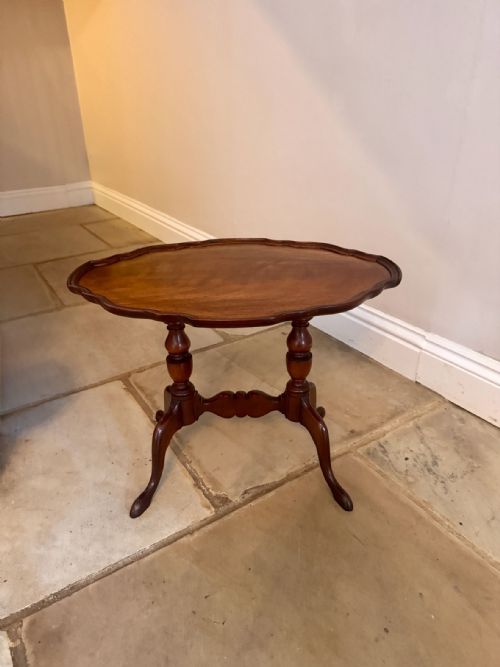
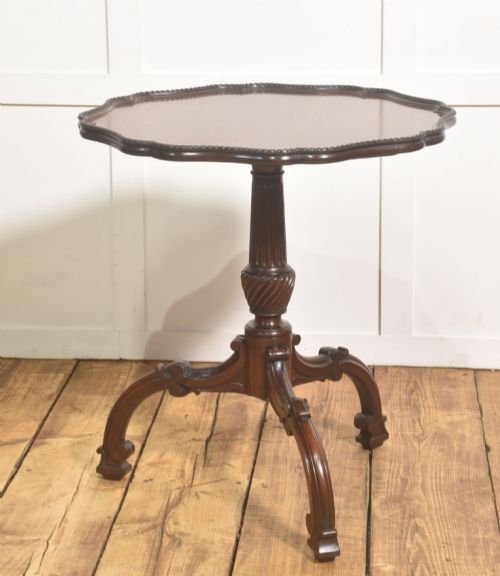
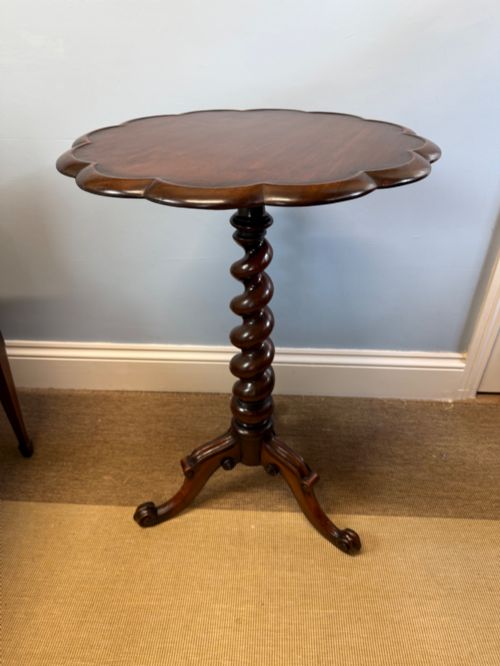
Joining techniques relied on traditional cabinetmaking methods, including tilt-top mechanisms and secure pillar-to-base fittings. Finer pieces integrated decorative elements such as wood inlay, ormolu mounts, and shaped pie crust rims carved directly from the solid edge.
Wine tables occasionally feature dishtops designed to keep rolling bottles securely contained during lively nineteenth-century conversations.
Indicators of finer execution
Quality in a pedestal accent table rests upon the crispness of the carving on the tripod legs and the selection of the mahogany timber. Superior examples display balanced proportions, tight joinery at the pillar junction, and well-figured grain across the top.
Secondary materials also distinguish the range, with marble inserts, gilded brass fittings, and finely tooled leather surfaces elevating the piece. The movement of tilt-top mechanisms and the integrity of original rotating catches show the care taken during initial production.
Druce & Co London·François Linke
The Mahogany Pedestal Accent Table Glossary
- Tripod table
- A small stand supported by a central pillar resting on three legs. These tables appeared frequently in eighteenth and nineteenth-century parlours.
- Tilt-top table
- A table designed with a mechanism that allows the surface to pivot to a vertical position when not in use. This clever engineering saved valuable floor space in period homes.
- Pie crust rim
- A raised, decoratively carved edge shaped in undulating curves resembling pastry work. Cabinetmakers carved these borders from solid wood tops.
- Gueridon
- A French term for a small decorative stand or table, usually supported by a single central column. They frequently feature marble tops and ornate brass mounts.
- Snap top
- An alternative term for a tilt-top table featuring a spring or catch mechanism that locks the surface flat during use. It prevents the top from tipping accidentally.
Mahogany Pedestal Accent Table: Frequently Asked Questions
What rooms suit a pedestal accent table?
These compact tables fit easily beside armchairs, sofas, or beds where floor space is limited. Their small footprint makes them practical for holding lighting, books, or drinks.
In larger spaces, they work effectively in corners or as display surfaces for decorative objects without cluttering the room.
How do tilt-top mechanisms function?
The wooden top mounts to a pivot block that allows the surface to rotate from horizontal to vertical. A small catch or brass latch underneath locks the top in place.
This design enabled owners to store the tables flat against walls when rooms needed to clear floor space for other activities.
What timber variations appear on these tables?
Solid mahogany and mahogany veneers form the primary construction material across most examples. Cabinetmakers frequently combined mahogany with burr wood, rosewood, or walnut for contrasting top surfaces.
Finer versions also integrated decorative inlays, marble inserts, or gilded brass mounts to enhance the visual depth of the wood.
How do I distinguish Georgian from Victorian examples?
Georgian tables generally exhibit restrained classical proportions, clean tripod lines, and understated timber grain. They often rely on pure form rather than heavy ornamentation.
Victorian and later revival pieces tend to introduce bolder carving, darker finishes, and varied top materials like marble, leather, or burr wood.