

Mahogany Library Unit
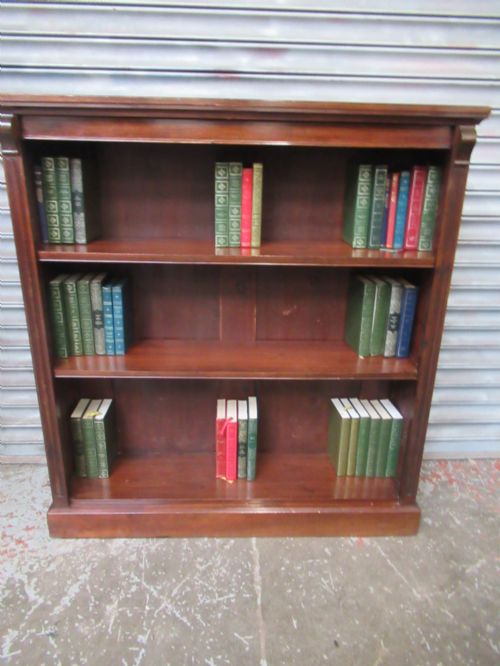
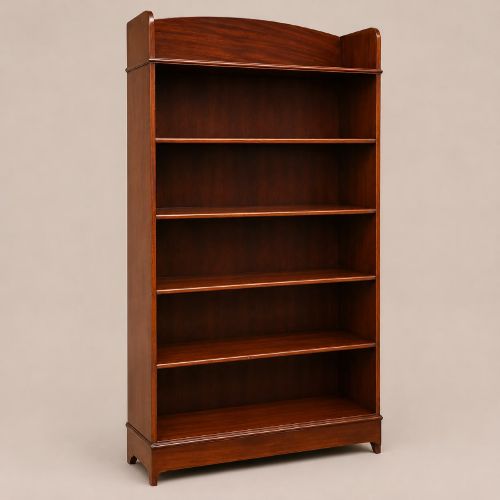
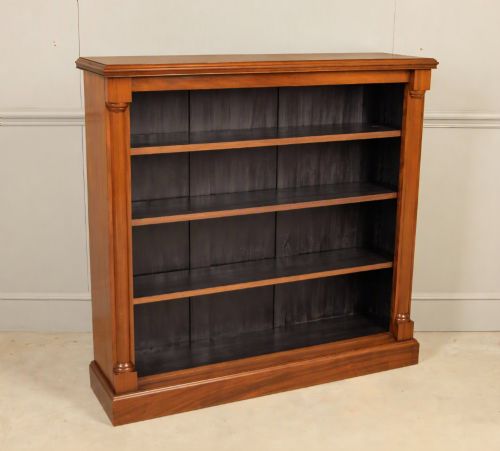
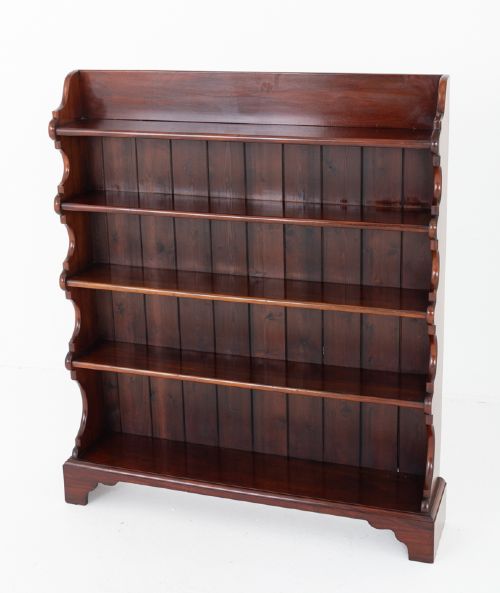
A mahogany library unit brings traditional storage and rich wood tones into a room, offering sturdy shelving for substantial collections.
Mahogany Library Unit
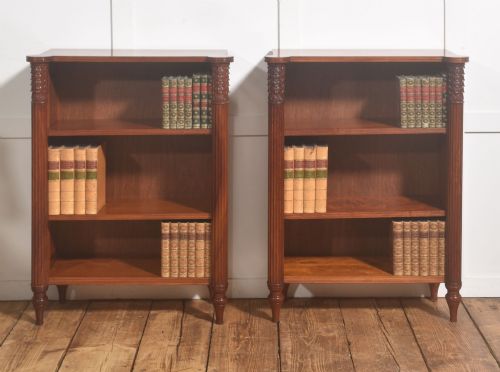
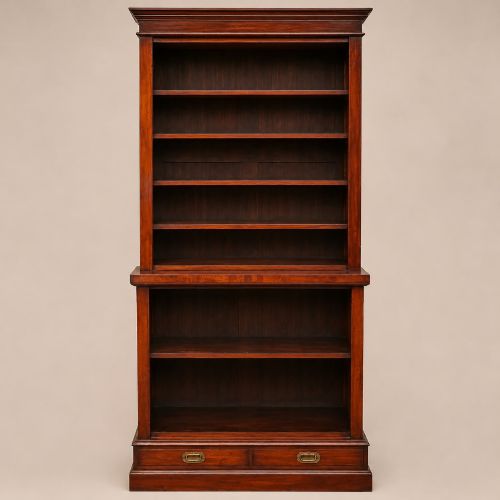
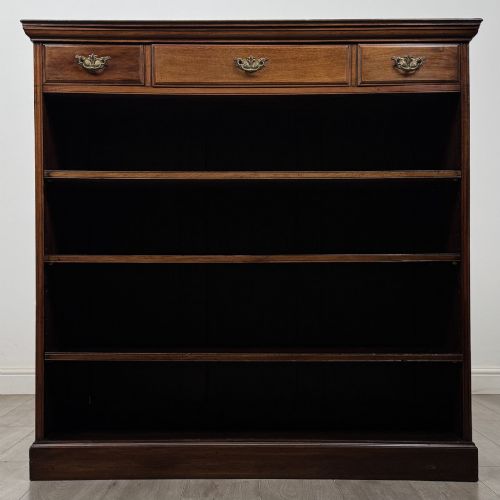
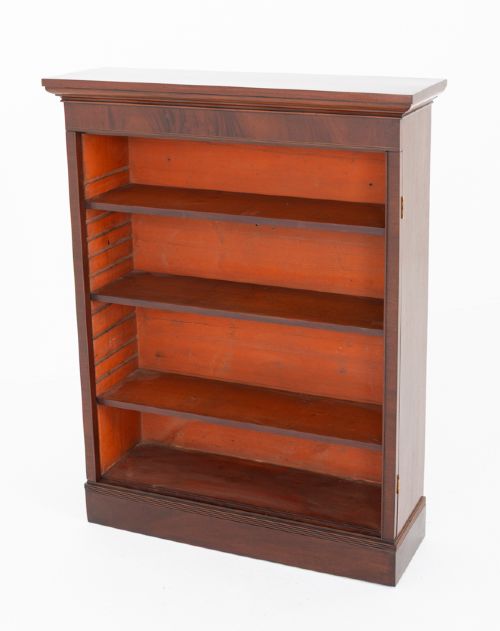
A mahogany library unit serves primarily as an open bookcase or multi-bay shelving system designed to house large collections of books. These pieces originate across the nineteenth and early twentieth centuries, spanning Victorian, Edwardian, and later revival periods.
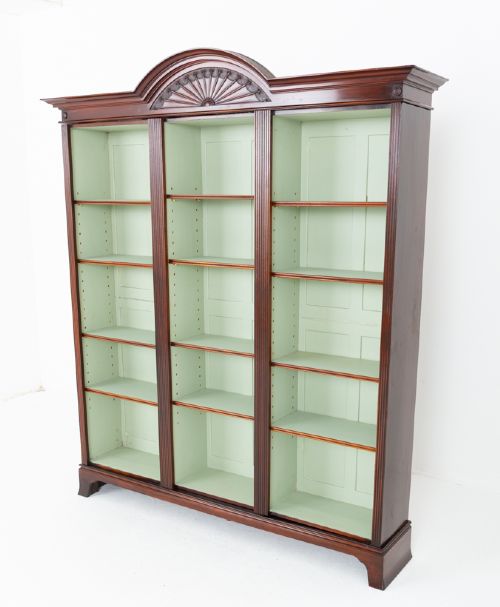
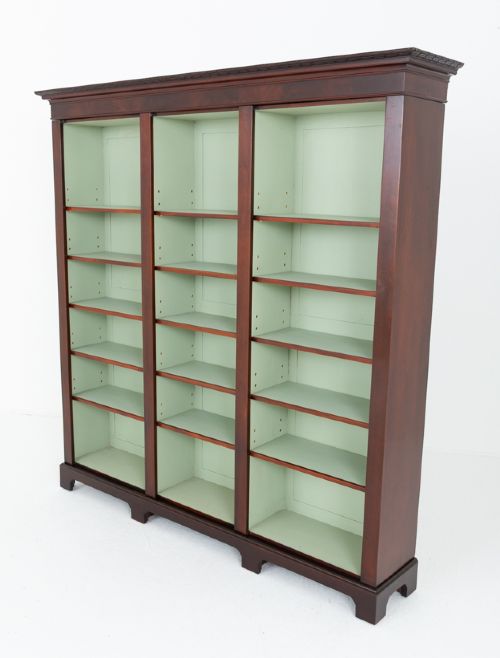
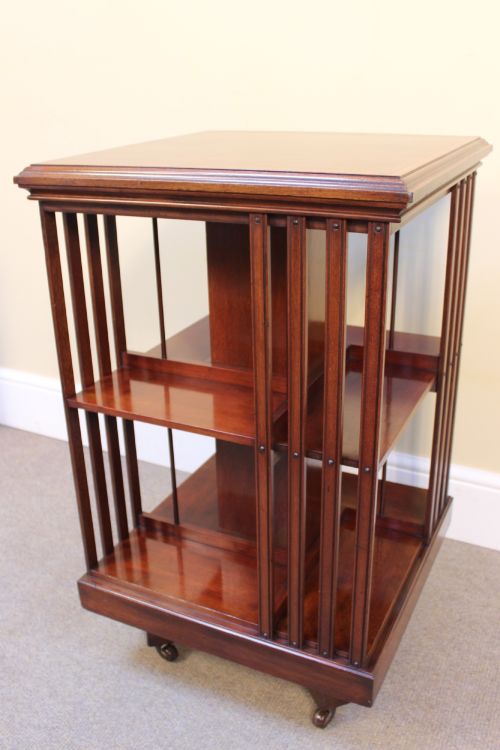
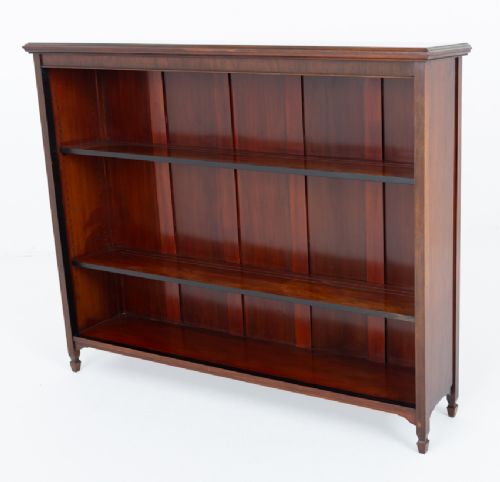
Buyers will most frequently encounter open bookcases alongside larger breakfront configurations and smaller revolving variations. The form emphasises accessible storage through adjustable wooden shelves and straightforward architectural lines.
Origins stretch from standard Victorian workshop production through to early twentieth-century revival styles. Pieces incorporate functional elements such as raised galleries, plinth bases, and brass castors for mobility.
Materials and construction methods
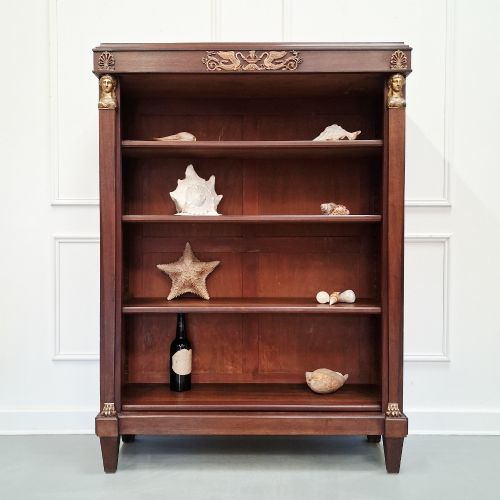
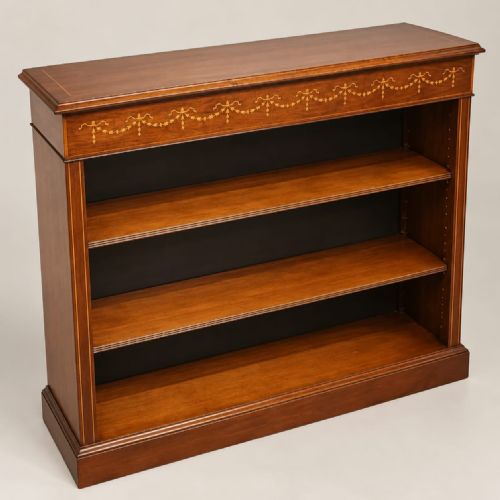
Makers built these pieces primarily using solid mahogany and flame mahogany veneer applied over secondary timbers like pine. Finer examples integrate contrasting satinwood inlay and brass hardware to accent the darker timber.
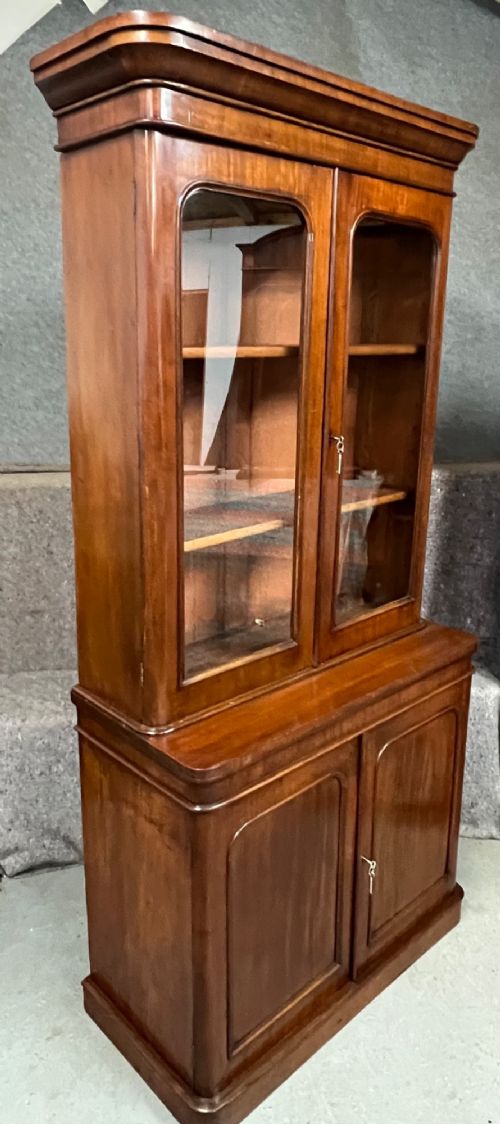
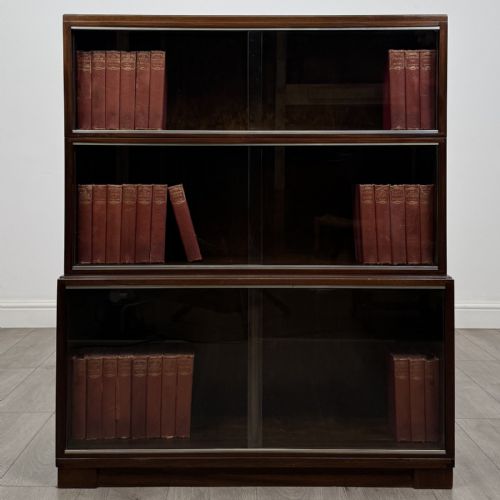
Structural engineering focused on utility, employing adjustable shelf racks and glazed doors on select cabinet variations. Cornices often feature traditional dentil moulding, while bases are finished with simple plinths or raised feet.
Mahogany Library Unit Retail Price Guide 2026
Typical asking prices for mahogany library unit among the pieces listed under this phrase on Sellingantiques today, from the lower quarter to the upper quarter. They describe what is for sale here now, not the wider market.
Some revolving bookcases turn smoothly on their bases, letting an entire library spin with a gentle push.
Distinguishing quality across examples
The choice of primary timber sets the visual standard, with figured flame mahogany veneer displaying greater depth than plain solid boards. Subtle decorative additions, such as precise satinwood inlay work, elevate the cabinet above standard utilitarian storage.
Hardware choices and internal mechanics dictate functional excellence. Solid brass castors, well-fitted glass doors, and smoothly operating adjustable shelf mechanisms separate workshop-standard pieces from simpler mass-produced alternatives.
Waring and Gillows
The Mahogany Library Unit Glossary
- Breakfront
- A cabinet design where the central section projects forward from the flanking outer bays. This architectural arrangement creates depth and visual separation in larger library furniture.
- Flame mahogany veneer
- A thin slice of wood cut from the branch junction of the tree, producing a distinctive flickering flame pattern. Cabinetmakers applied this over secondary woods for decorative impact.
- Dentil cornice
- A decorative moulding featuring a series of small, rectangular blocks resembling teeth projecting beneath the upper edge. It appears frequently on formal revival bookcases.
- Raised gallery
- A low decorative railing or rim fitted to the top surface of a piece. It prevents items placed on top from sliding off.
- Satinwood inlay
- Contrasting light-toned wood inserted into shallow recesses carved into the mahogany surface. This technique creates delicate linear borders and classical motifs.
Mahogany Library Unit: Frequently Asked Questions
What defines a library unit?
A library unit is a substantial piece of furniture designed specifically for organising and displaying books. These pieces range from open shelving bays to breakfront cabinets.
Most examples prioritize vertical storage space and accessibility. Adjustable shelving allows owners to accommodate volumes of varying heights.
How do I style a mahogany unit?
Pairing a dark wood unit with lighter walls helps balance the deep tones of the timber. Mixing book collections with ceramics or framed art softens the rigid lines of the shelving.
Leaving some shelf space open prevents the unit from appearing heavy in a modern room. Positioning the piece away from direct sunlight protects the polished mahogany finish.
Are shelves usually adjustable?
Many period bookcases feature adjustable wooden shelves supported by traditional rack systems. This allows the internal layout to change according to the size of the books.
Fixed shelving appears less frequently, usually reserved for simpler or smaller variants. Checking the internal fittings reveals how the original maker intended the storage to function.
How do I identify Victorian pieces?
Victorian units typically display dense, dark mahogany timber with heavier proportions than earlier Georgian styles. Construction often includes solid pine secondary woods and straightforward plinth bases.
Later Victorian examples frequently incorporate delicate satinwood inlay work influenced by the Sheraton revival. Examining the backboards and shelf supports helps confirm the period of manufacture.