

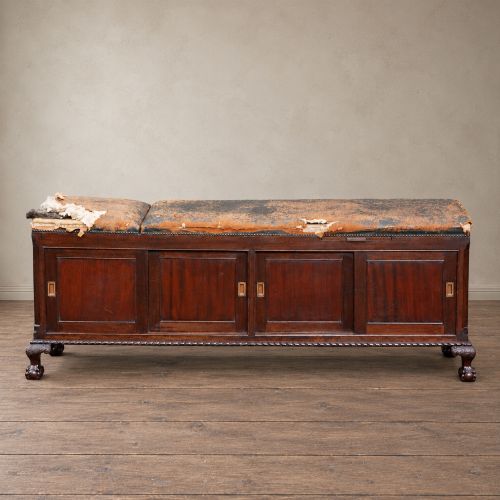
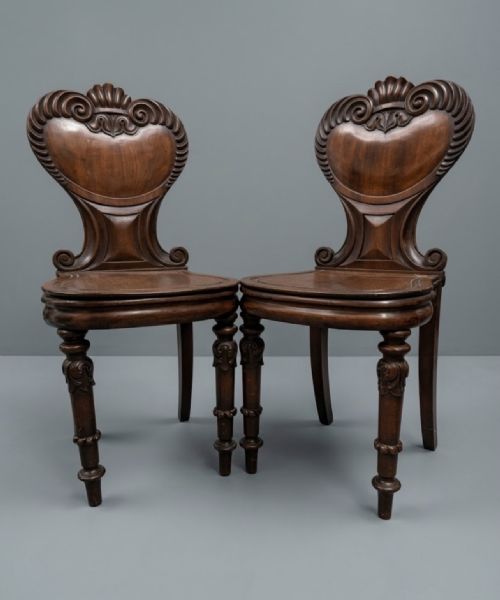
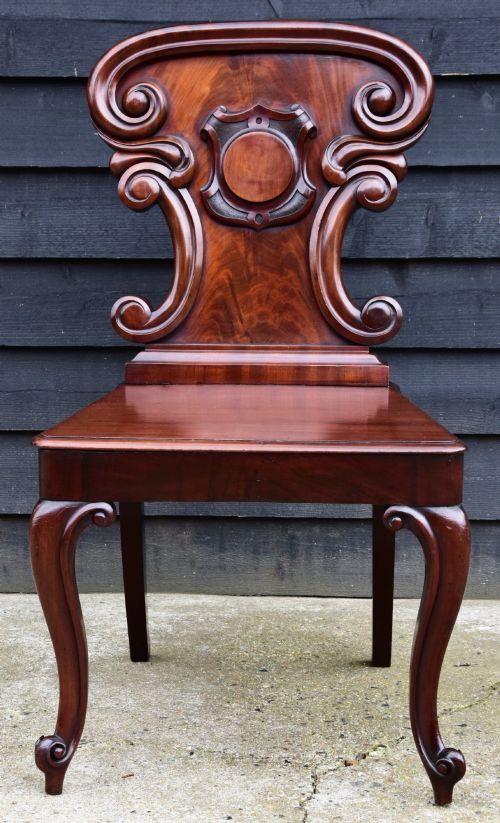
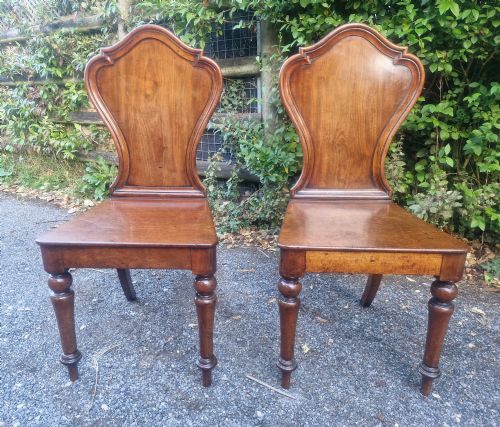

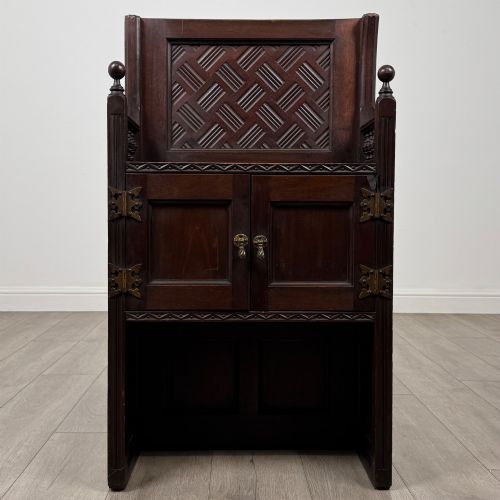
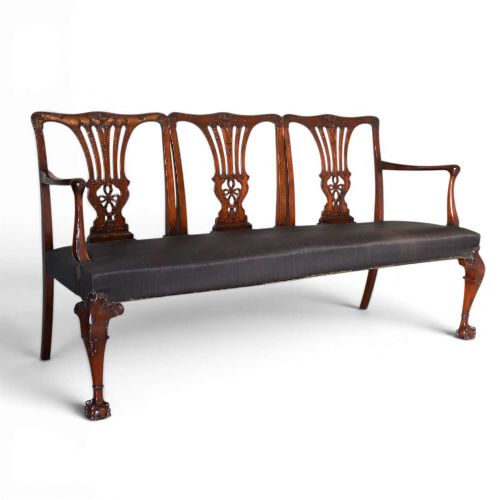
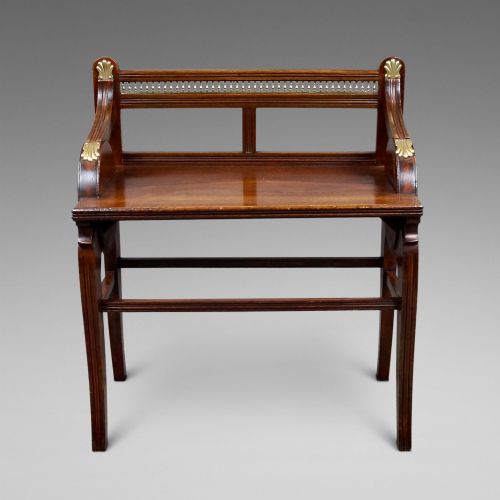
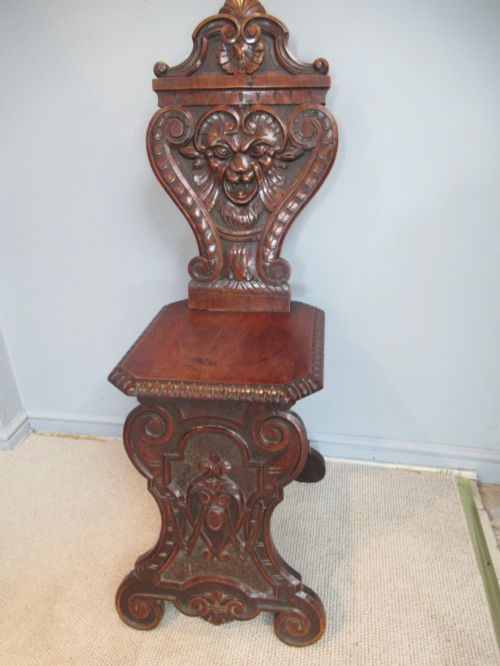

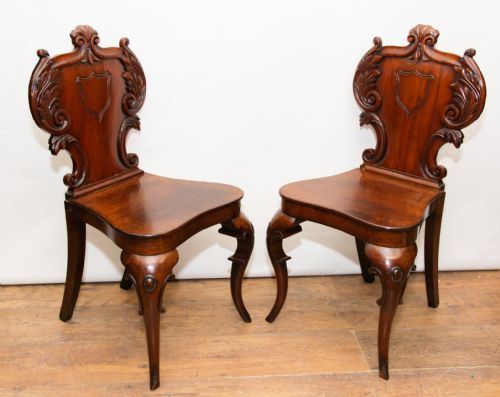
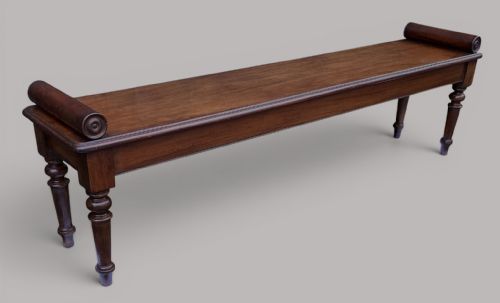
Mahogany Hallway Seat
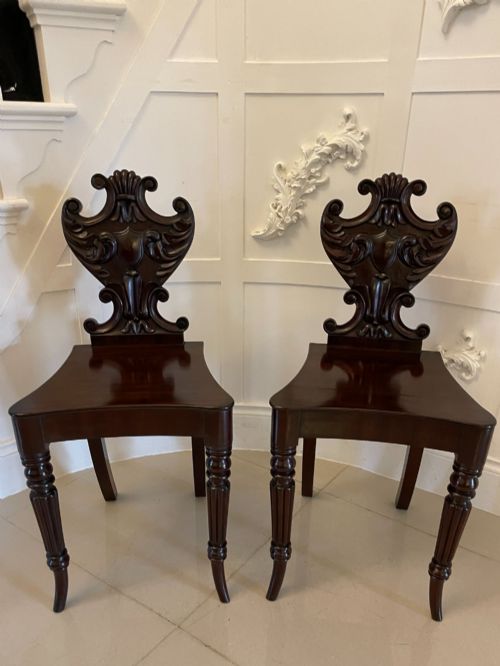
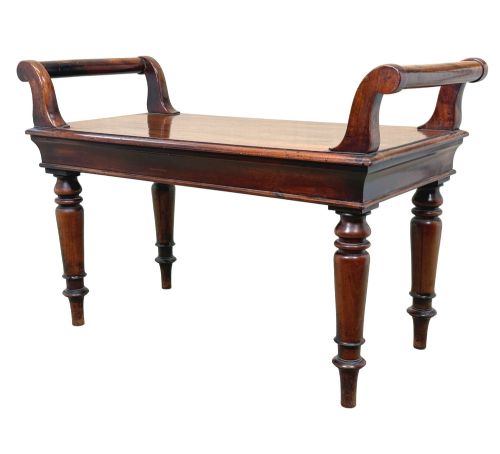
A mahogany hallway seat welcomes visitors with sturdy timber, carved backs and narrow proportions suited to corridors.
Materials and construction
Craftsmen utilised solid mahogany and figured timber, often pairing the dense wood with carved detailing and marquetry.
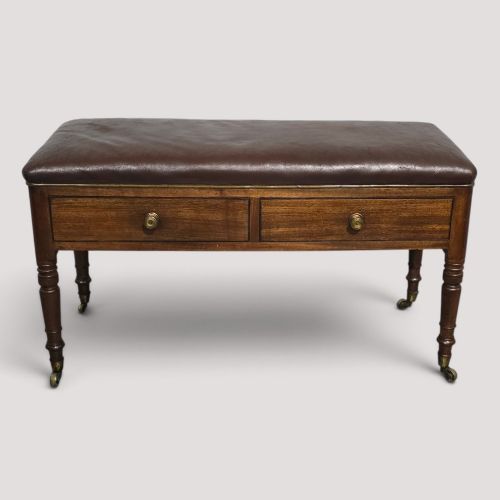
Upholstery fabric, velvet and brass fittings appear on cushioned window seats and padded benches.
Joinery techniques ranged from simple pegged frames to elaborate Gothic Revival and Chippendale-style carved backs.
Judging the range
The distinction between standard utility items and finer examples rests on the depth of the timber carving and the crispness of the joinery.
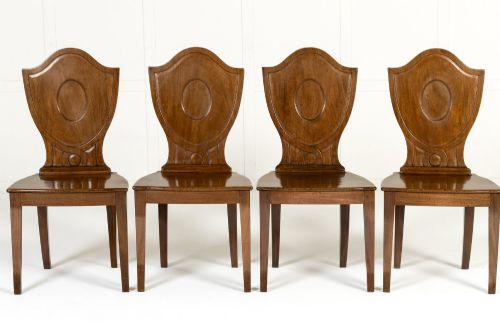
Simpler hall chairs rely on plain wooden panels, whereas superior pieces display figured mahogany veneers, intricate shell backs and balanced proportions.
Mahogany Hallway Seat Retail Price Guide 2026
Typical asking prices for mahogany hallway seat among the pieces listed under this phrase on Sellingantiques today, from the lower quarter to the upper quarter. They describe what is for sale here now, not the wider market.
Listings span multiple eras, including Georgian, Regency, Victorian and Edwardian periods, constructed primarily from mahogany and timber.
Jas Shoolbred
The Mahogany Hallway Seat Glossary
- Mahogany
- A durable tropical hardwood valued for its deep reddish-brown colour and fine grain. It forms the primary structural material for these seats.
- Window seat
- A long, narrow bench originally designed to fit within a window recess. These items share identical proportions with many hallway seats.
- Hall chair
- A rigid wooden seat with a high back, usually lacking upholstery. Pairs of these chairs frequently match long hallway benches.
- Marquetry
- Decorative inlay work using various woods to create patterns on furniture surfaces. It appears on select Edwardian examples.
Mahogany Hallway Seat: Frequently Asked Questions
Where should I place a hallway seat?
These narrow benches suit entrance halls, corridors and narrow landings where depth is restricted. Their high backs prevent marking the wall behind them.
They also function effectively at the foot of a bedroom or beneath a large window.
How do I clean mahogany wood?
Dust the timber regularly with a soft, dry cloth to prevent grit accumulation. Avoid modern silicone sprays that build up residue over time.
Apply a traditional beeswax polish sparingly to maintain the natural lustre of the grain.
Did these seats originally have cushions?
Many formal hall chairs and benches relied on bare carved wood for a deliberate upright posture. Window seats and settee variants traditionally featured upholstered pads.
Fabric choices on surviving pieces often reflect later reupholstery rather than the original factory finish.
How can I tell a Victorian seat from a Regency one?
Regency pieces lean towards classical restraint, clean lines and scrolled supports. Victorian examples frequently introduce heavier carving and Gothic Revival influences.
Edwardian iterations often revive earlier Georgian styles with lighter frames and subtle marquetry inlay.