

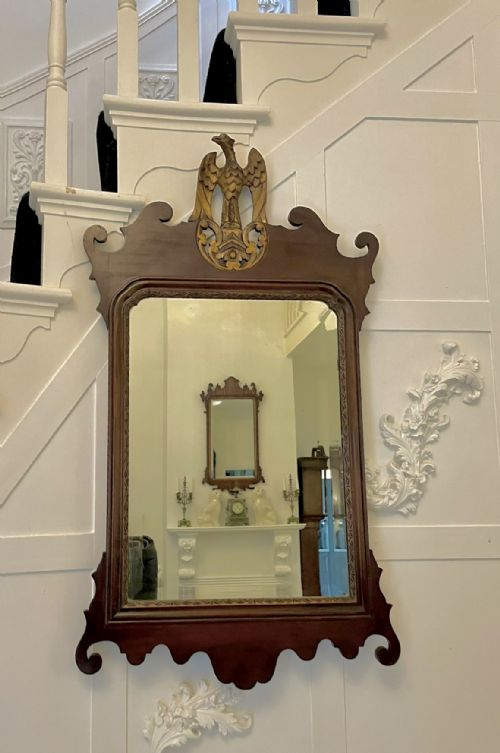


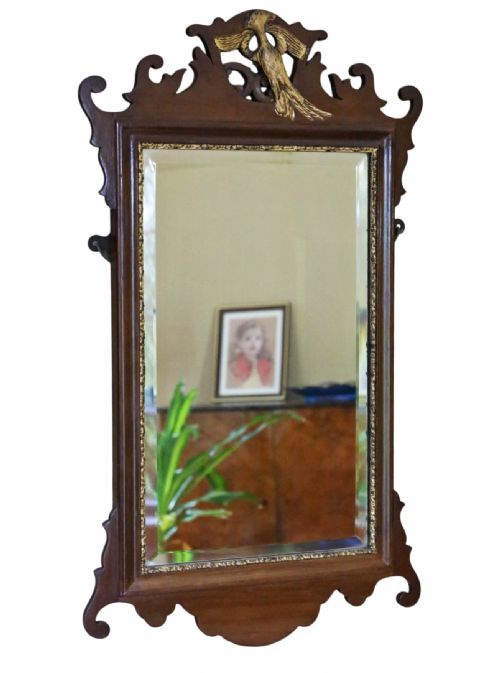


Mahogany Gilt Crest Mirror
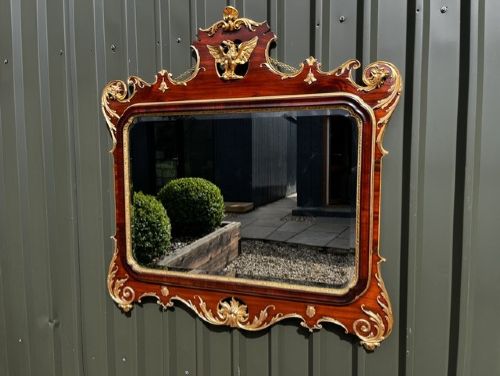
A mahogany gilt crest mirror brings warm wood and brilliant gold leaf together to lift any room.
Mahogany Gilt Crest Mirror
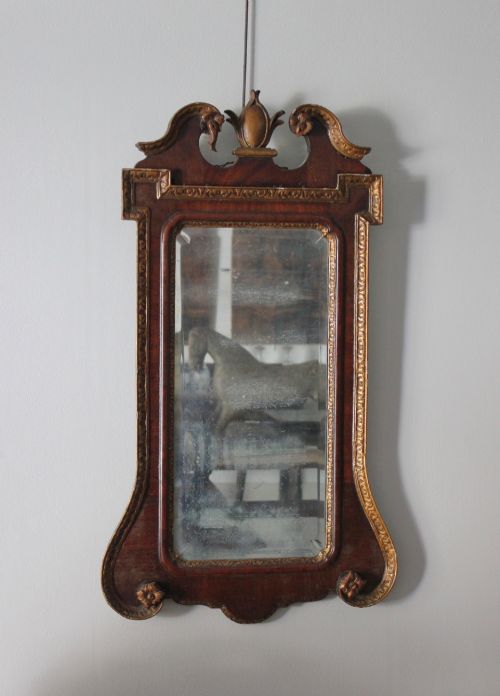
A mahogany gilt crest mirror combines deep timber frames with striking gilded highlights at the top and base, often featuring carved fretwork or elaborate cresting. When you search for a mahogany gilt crest mirror, you meet examples stretching from the Georgian period through to later Victorian and Edwardian revivals.
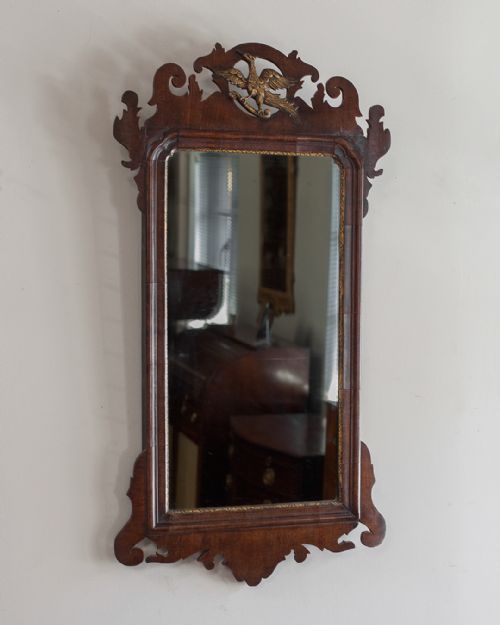
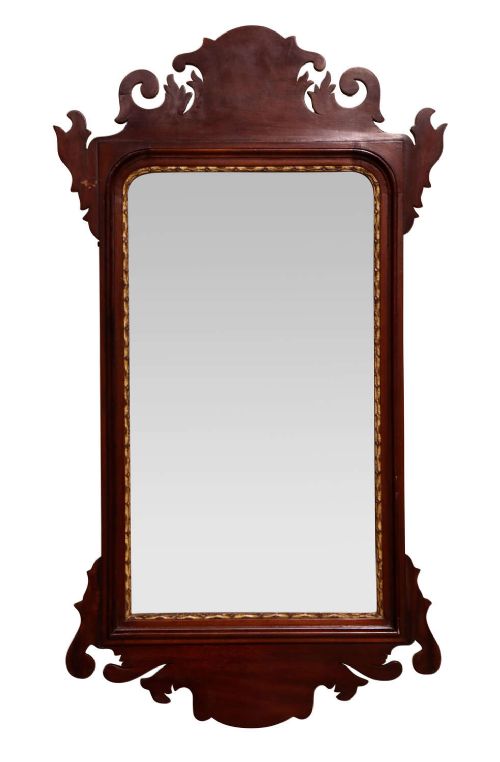
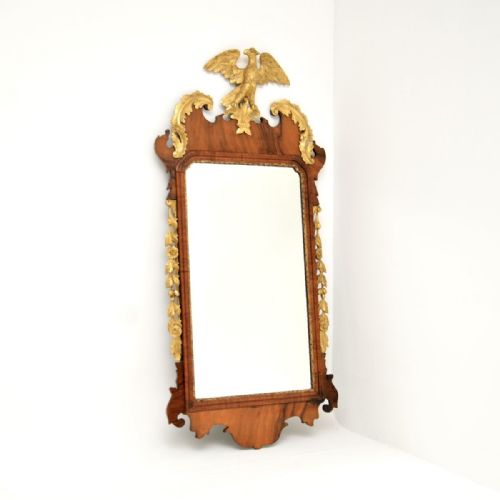
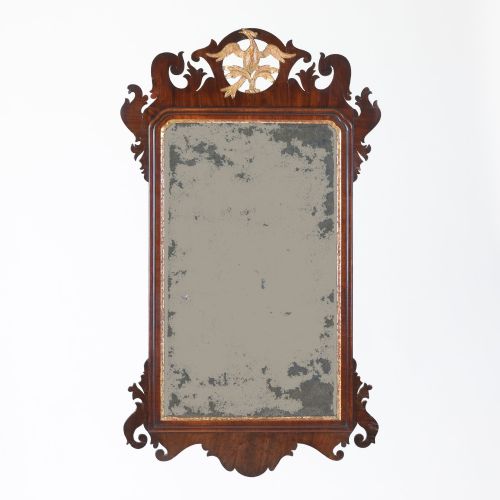
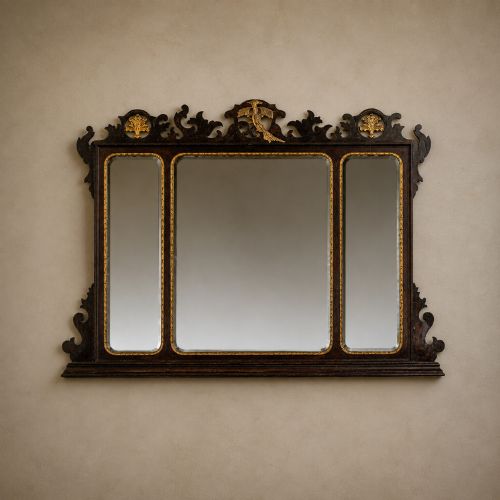
The prevailing form on this page is the wall-hanging fretwork mirror, frequently styled after Chippendale designs with scrolled ears and gilded ornaments such as eagles or Ho-Ho birds. These pieces range from compact wall mirrors to substantial triptych overmantel mirrors designed to anchor a fireplace.
Makers drew on Georgian and George II traditions, producing both genuine 18th century originals and confident revival pieces from the 19th and early 20th centuries. Walnut and mahogany form the primary wooden bodies, paired with mirror glass and giltwood details.
Materials and construction
Craftsmen built these frames using solid mahogany or walnut, shaping the outlines with intricate fret-cut saws to create delicate scrolling borders. Giltwood details and gold leaf were then applied to carved crests, ears, and mouldings to catch the light.
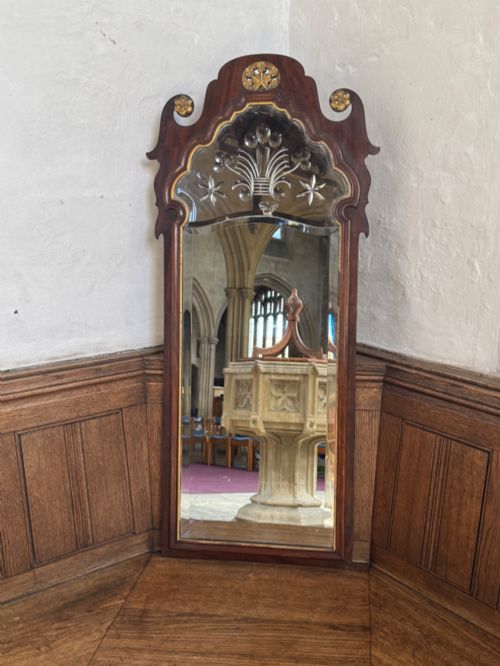
Glass plates, including bevel-edged and reverse-cut variations, were fitted into the timber rebates behind protective backboards. Carved wooden ornaments such as birds or scrolling foliage were pinned or pegged securely to the upper crest.
Distinctions in quality
Quality rests in the crispness of the fret-cut carving and the depth of the gilding applied to the crest. Finer examples show sharp, deliberate chisel work on the birds and foliage rather than soft, rounded edges.
The choice of timber grain and the preservation of original mirror glass plates also separate standard examples from the finest pieces. Untouched surfaces retain a warmth and patina that heavy restoration tends to obscure.
The Mahogany Gilt Crest Mirror Glossary
- Parcel Gilt
- Partially gilded, where gold leaf highlights specific carved areas while leaving the underlying mahogany or walnut wood visible.
- Fretwork
- Openwork patterns cut through thin boards of timber using a fretsaw, creating delicate geometric or scrolling borders.
- Pier Mirror
- A tall glass designed specifically to hang on the wall pier between two windows.
- Overmantel Mirror
- A wide mirror intended to be positioned directly above a mantelpiece or fireplace.
- Giltwood
- Timber that has been coated with fine gold leaf or gold paint to create a brilliant reflective finish.
- Triptych
- A mirror divided into three separate vertical glass panels within a single joined frame.
Mahogany Gilt Crest Mirror: Frequently Asked Questions
Where should I hang a gilt crest mirror?
These mirrors suit spaces above mantelpieces, console tables, or prominent entrance hall walls where natural light can strike the gilded crest.
Ensure the wall fixings match the weight of the timber frame and glass plate before hanging.
How do I tell an 18th century mirror from a revival?
Examining the timber backing, the construction of the joints, and the oxidation of the mirror glass helps indicate the age of the piece.
Revival pieces from the Victorian and Edwardian eras often use machine-cut timber and modern backing screws.
What is a Ho-Ho bird crest?
The Ho-Ho bird is a stylized mythological phoenix commonly found perched atop the carved wooden crest of Chippendale style mirrors.
This decorative motif draws on 18th century Chinese export influences popular during the Georgian period.
Are these mirrors fragile?
The delicate fret-cut mahogany borders and protruding carved crests require careful handling during moving and cleaning.
Dusting with a dry, soft cloth protects the fragile gold leaf and prevents moisture damage to the timber.