

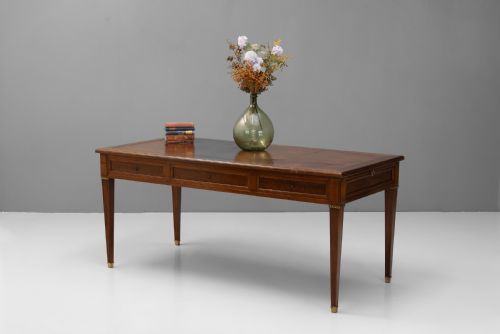


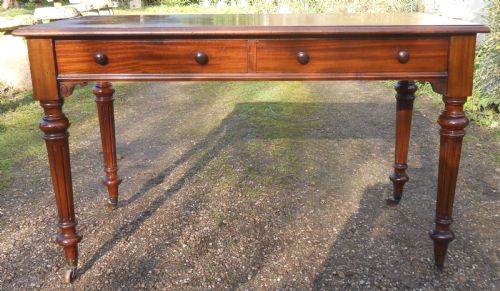


Mahogany Frieze Desk
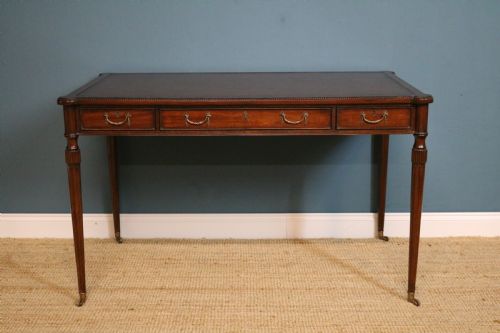
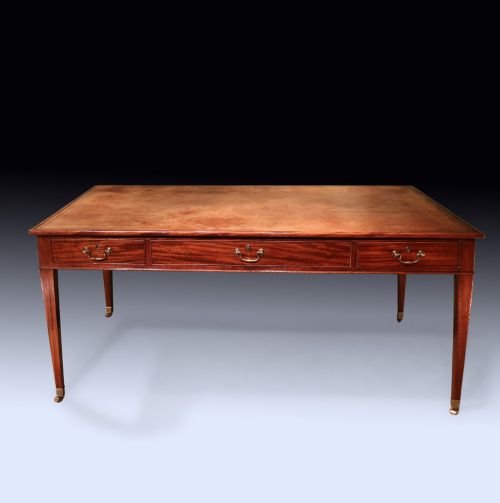
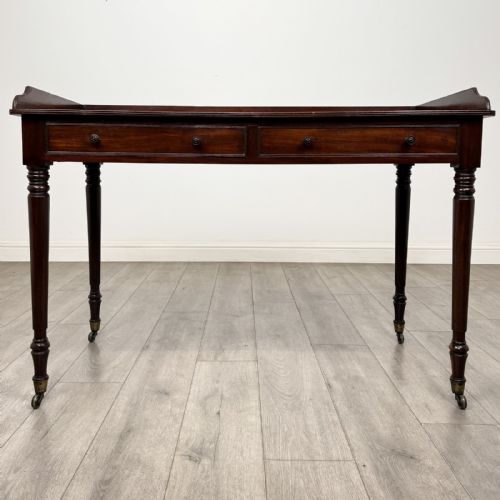
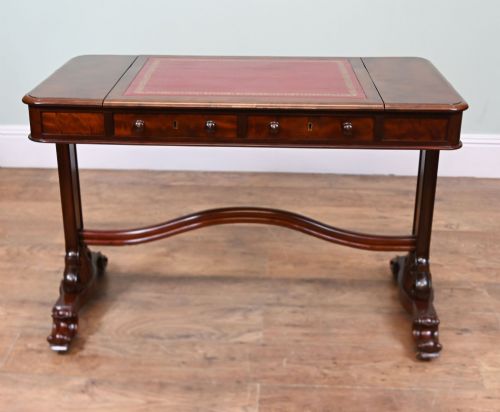
Mahogany frieze desk examples span Georgian, Regency and Victorian periods, offering solid timber surfaces and refined writing utility for a study.
Mahogany Frieze Desk
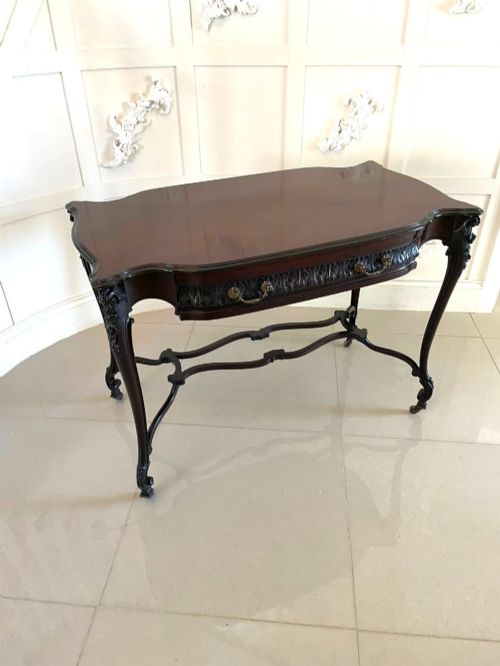
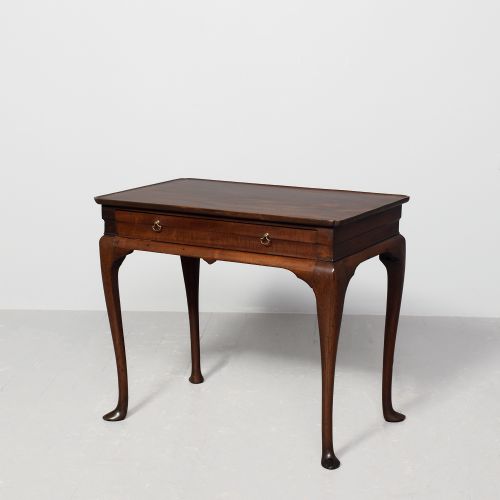
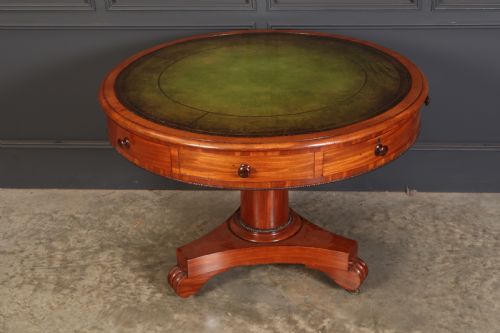
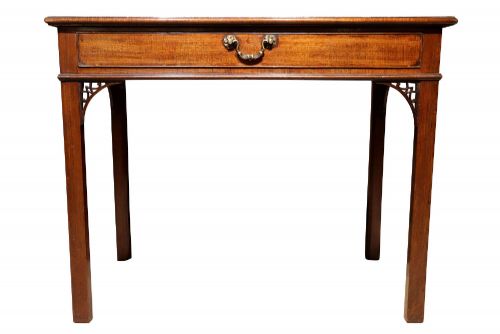
Buyers encounter variations ranging from formal George III lowboys and Regency pedestal forms to simpler Victorian writing tables. Many pieces integrate leather inserts and satinwood crossbanding across Georgian, William IV, and Edwardian styles.
How they were made
Cabinet makers utilised dense mahogany for primary frames and drawer linings, frequently pairing it with contrasting satinwood stringing and crossbanding. Solid timber construction dominated the eighteenth century, while nineteenth-century workshops often applied figured mahogany veneers over robust secondary woods.
Hardware additions like cast brass handles and brass-tooled leather writing surfaces were integrated with traditional joinery techniques. Makers such as Gillows of Lancaster and Whytock and Reid applied precise dovetailing and structural framing to ensure daily utility.
Mahogany Frieze Desk Retail Price Guide 2026
Typical asking prices for mahogany frieze desk among the pieces listed under this phrase on Sellingantiques today, from the lower quarter to the upper quarter. They describe what is for sale here now, not the wider market.
Some partners desks still contain hidden inkstains inside the drawer linings, left by diligent clerks centuries ago.
What varies in quality
Quality rests in the selection of timber grain, the crispness of carved details like Gothic pierced brackets, and the integrity of internal drawer construction. Finer examples display symmetrical flame or figured mahogany veneers that require advanced cabinet-making skill.
The sophistication of original hardware, secondary timber choices, and stamped maker signatures elevate certain library tables and writing desks above standard commercial production.
Gillows of Lancaster·Whytock and Reid·W Priest
The Mahogany Frieze Desk Glossary
- Frieze
- The horizontal band or section situated directly below the top surface of a desk, frequently housing one or more drawers.
- Crossbanding
- A decorative border of veneer laid across the grain of the primary surface to create a contrasting perimeter frame.
- Lowboy
- A small eighteenth-century dressing or side table featuring one or more rows of drawers beneath the working surface.
- Partners desk
- A large freestanding writing table designed with opposing sets of drawers to accommodate two users simultaneously.
Mahogany Frieze Desk: Frequently Asked Questions
How do I identify a Regency desk?
Regency desks typically display classical architectural lines, sabre legs, or pillar supports reflecting early nineteenth-century design tastes. Brass mounts and restrained stringing are common decorative elements.
They emphasise balanced proportions and often utilise dark, well-figured mahogany timbers.
Where were these desks used?
These tables served primarily in grand libraries, private studies, and withdrawing rooms for correspondence and administrative duties. Freestanding library tables were positioned centrally within rooms.
Smaller side tables and dressing variants sat against walls or in private chambers.
How do I care for mahogany?
Mahogany surfaces benefit from regular dusting with a soft cloth and occasional treatment with quality beeswax to nourish the timber. Direct sunlight and sudden temperature changes should be avoided to prevent veneer lifting.
Leather inserts require specific leather balms to maintain flexibility and prevent cracking.