

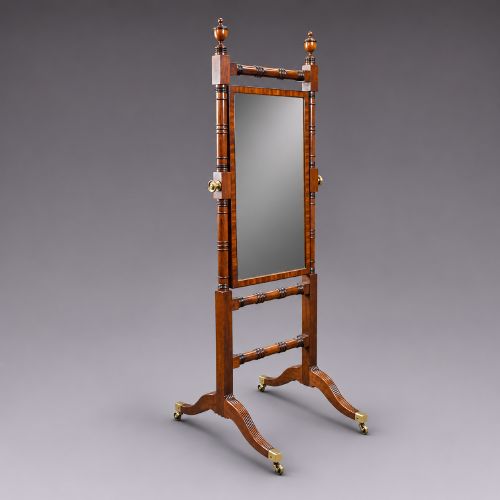
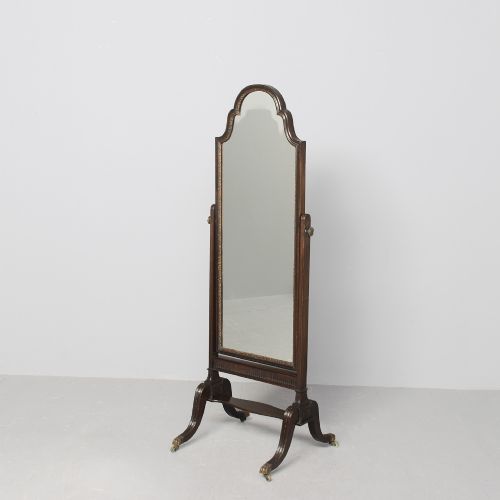
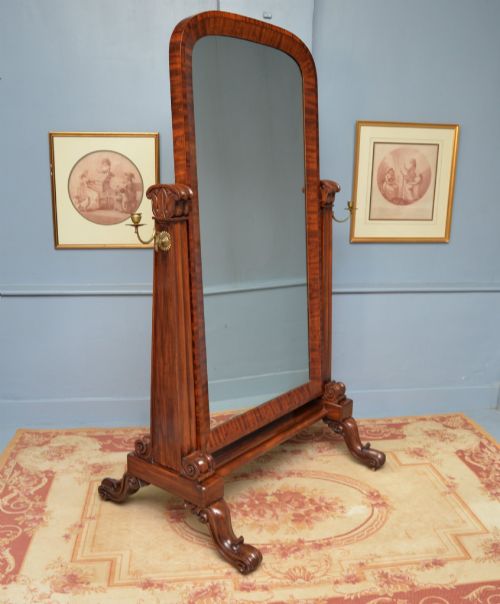
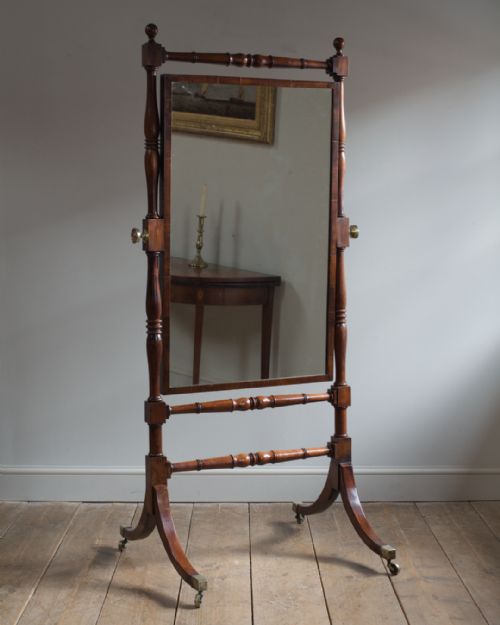
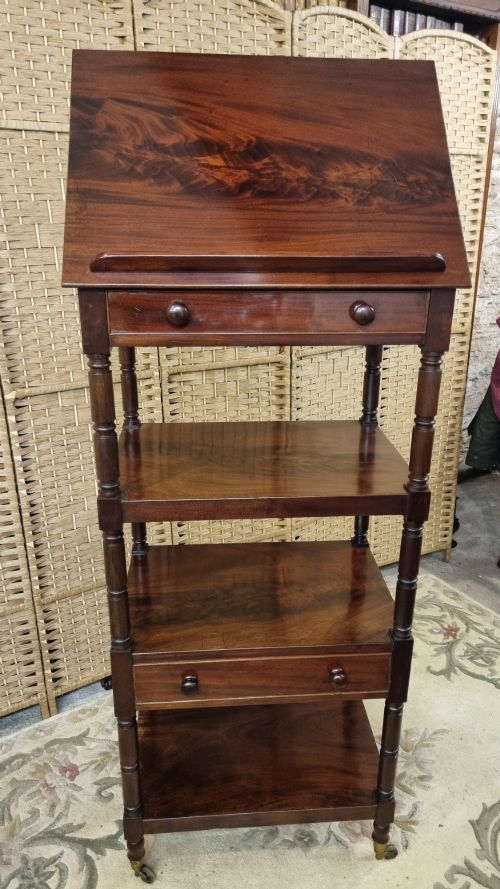
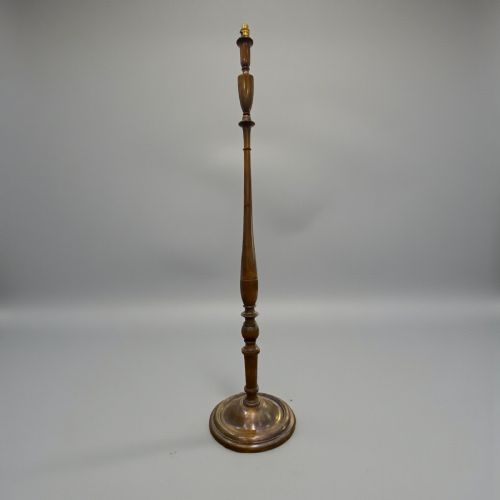
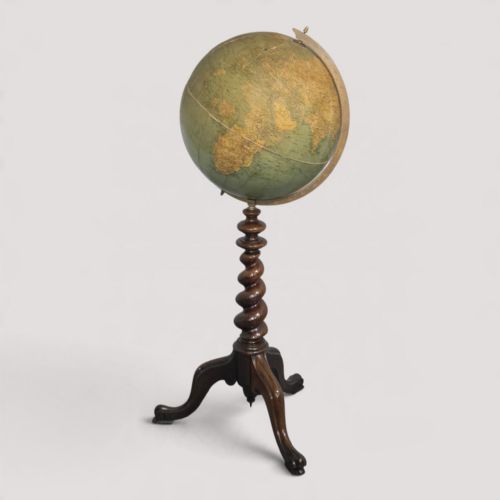
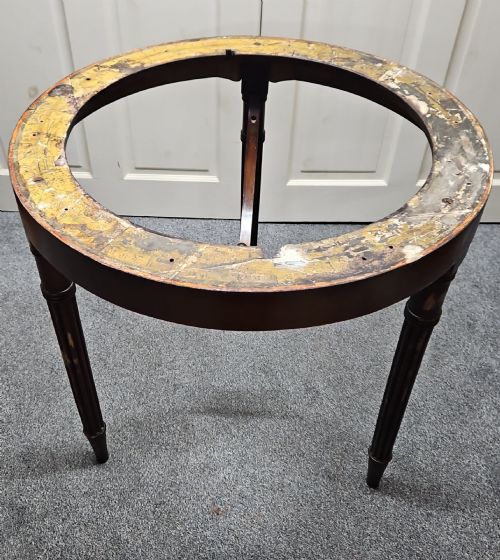
Mahogany Floor Stand
These mahogany floor stand pieces bring functional presence to a room, offering upright utility from clocks to mirrors.
Mahogany Floor Stand
A mahogany floor stand encompasses tall, upright furnishings designed to rest directly upon the floor, uniting height with practical purpose. When you search for a mahogany floor stand, you encounter a varied group of objects spanning centuries of British domestic life.
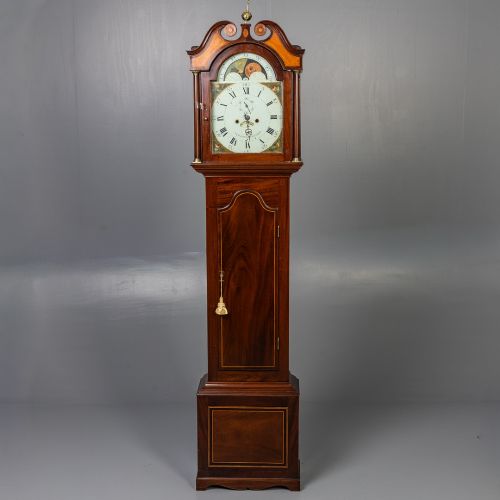
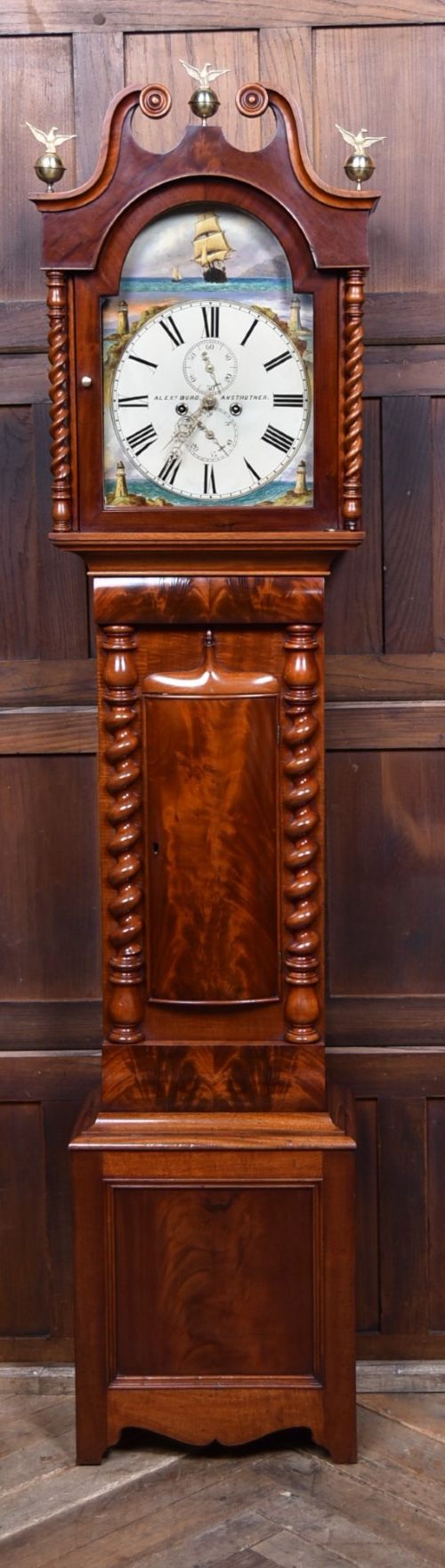
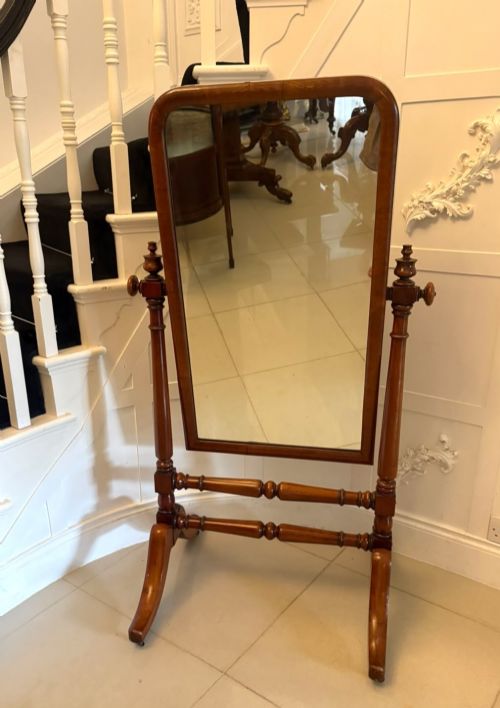
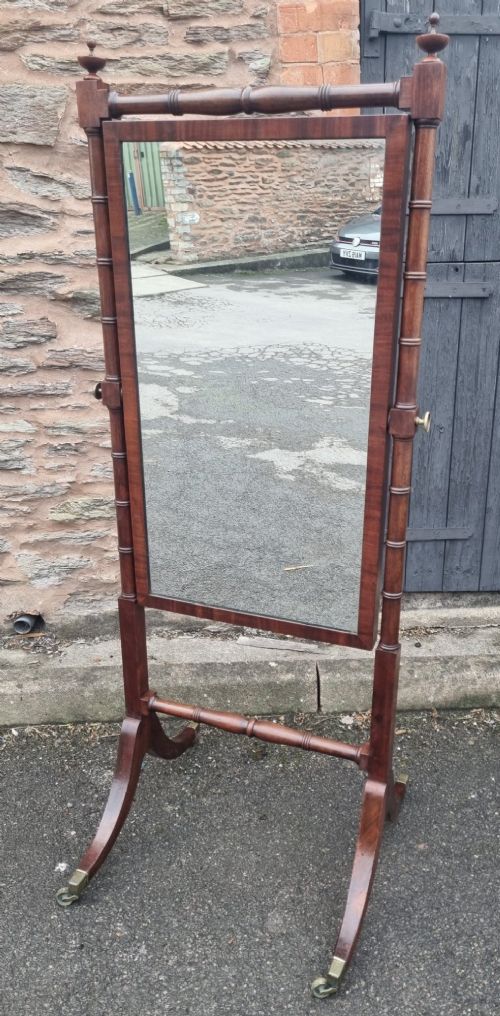
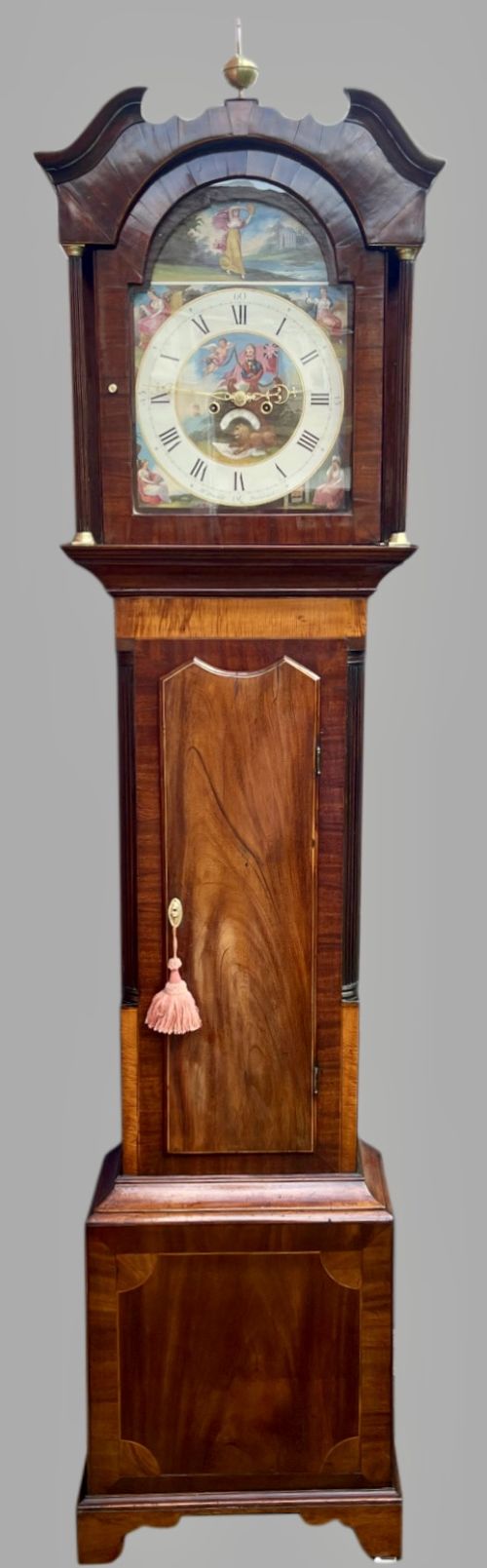
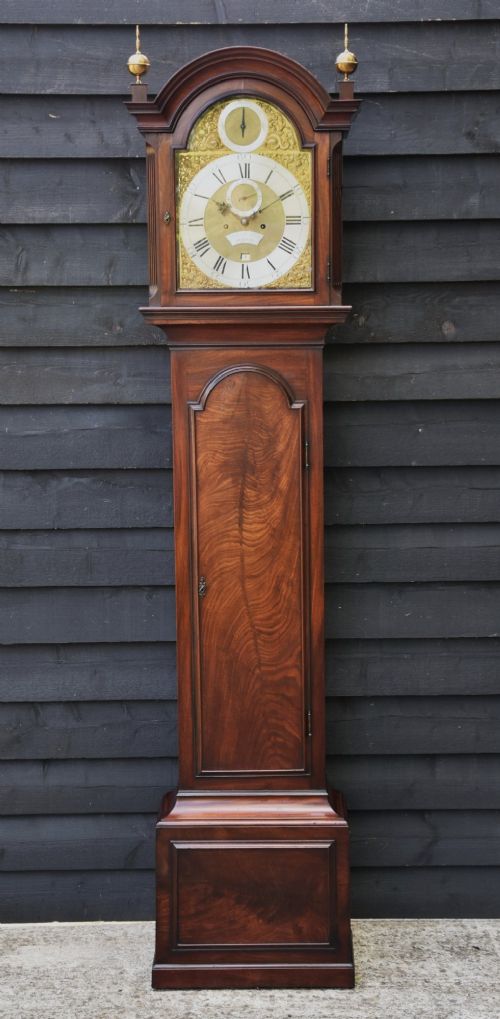
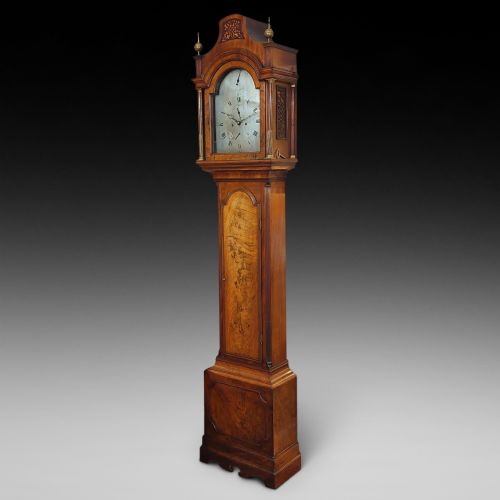
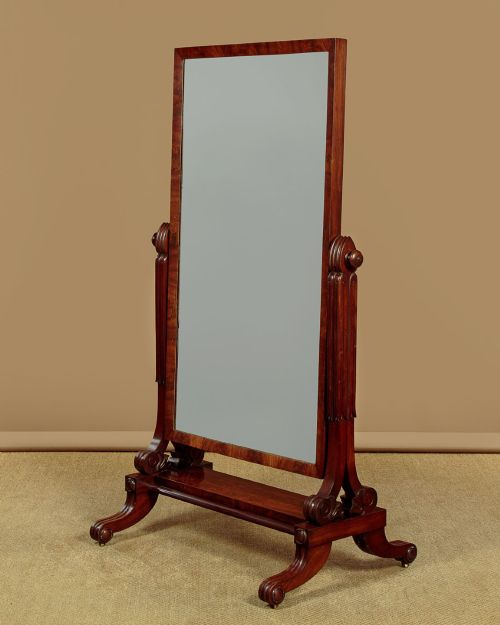
The pieces grouped under this heading divide primarily into functional categories such as longcase clocks, cheval mirrors, floor lamps, dinner gongs, and smoking stands. Longcase clocks and cheval dressing mirrors dominate the forms, each bringing substantial vertical lines and timber presence to interior spaces.
Origins stretch from the eighteenth century through the Georgian, Regency, Victorian, and Edwardian eras. Regional variations appear distinctly, including Welsh and Scottish longcase clocks alongside examples from English workshops.
Materials and construction
Makers relied principally upon solid mahogany and flame mahogany veneers, often supplemented with secondary timbers such as oak. Brass fittings, glass dials or mirror plates, and steel clock movements integrate into the primary wooden structures to ensure both mechanical function and visual polish.
Cabinetmakers utilised traditional joinery techniques to construct tall floor-standing cases that could house intricate eight-day movements or support pivoting mirror frames. Carving, inlay work, and paterae decoration were applied by hand to enrich the surfaces of clocks and mirrors alike.
Mahogany Floor Stand Retail Price Guide 2026
Typical asking prices for mahogany floor stand among the pieces listed under this phrase on Sellingantiques today, from the lower quarter to the upper quarter. They describe what is for sale here now, not the wider market.
Listings feature mahogany floor stands spanning the Georgian, Victorian, and Edwardian periods, constructed primarily in solid mahogany, flame mahogany, and oak.
Assessing quality in floor-standing furniture
Superior quality rests in the selection of richly figured mahogany timber and the restraint or skill of the carved ornamentation. Finer examples display harmonious proportions across tall elevations, whether in the arched hood of a longcase clock or the sturdy brass mounts of a cheval mirror frame.
The sophistication of the mechanical movement inside clock pieces or the clarity and weight of the glass in dressing mirrors distinguish higher grade pieces. Original cabinetwork integrity and well-preserved surface patination separate master workshop output from standard production.
Coats of Wigan·Edward White Birmingham·Charles Shuckburgh London·Hendrie Ogg Dunfringline·Gordon of Aberdeen·Green of Edinburgh·James McCabe·Winsor Bishop Norwich
The Mahogany Floor Stand Glossary
- Cheval mirror
- A full-length dressing glass suspended on a vertical floor-standing frame with pivoting pins. This design allows the mirror plate to tilt to various angles.
- Longcase clock
- A tall pendulum clock enclosed in a wooden case designed to stand directly on the floor. These house weight-driven movements and often feature painted or brass dial faces.
- Flame mahogany
- Timber cut from the fork of the mahogany tree where branches join the trunk, producing a distinctive flickering flame pattern. Cabinetmakers used veneers of this grain on prominent surfaces.
- Paterae
- Small circular ornamental carvings resembling oval or round rosettes. They are frequently inlaid or carved into the friezes and cornices of Georgian and Regency furniture.
- Moon phase
- A mechanical dial feature tracking the lunar cycle visible through an arched aperture on clock faces. This complication indicates the phases of the moon alongside standard time.
Mahogany Floor Stand: Frequently Asked Questions
How do I date a longcase clock?
Dating relies on examining the style of the dial, the shape of the wooden hood, and construction details inside the case. Cabinet proportions shifted from simple Georgian lines to more ornate Victorian or Edwardian interpretations.
Maker signatures inscribed on the dial face often provide a direct link to recorded working periods.
Where should I place a cheval mirror?
A cheval mirror requires adequate floor space to allow the pivoting frame to tilt safely without striking nearby walls or furniture. Placing it in a bedroom or dressing area best serves its original purpose as a full-length dressing glass.
Positioning the piece away from direct sunlight protects the mahogany timber from fading over time.
How do I care for antique mahogany?
Antique mahogany benefits from gentle dusting with a soft, dry cloth to prevent surface grit accumulation. Avoid placing wooden floor stands near active heat sources that can dry out the timber and cause splitting.
Occasional application of appropriate wax polish helps maintain the finish and deepens the natural grain patination.