

Mahogany Easy Armchairs
Mahogany easy armchairs bring timeless comfort and stately character to a room, offering deep seats and sturdy timber frames.
Mahogany Easy Armchairs
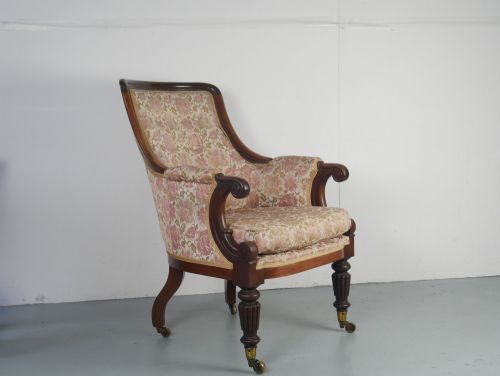
These mahogany easy armchairs comprise a diverse group of seating furniture spanning the eighteenth century through to the early twentieth century. Buyers seeking mahogany easy armchairs encounter various regional interpretations, including English country house examples alongside Scottish and Irish pieces.
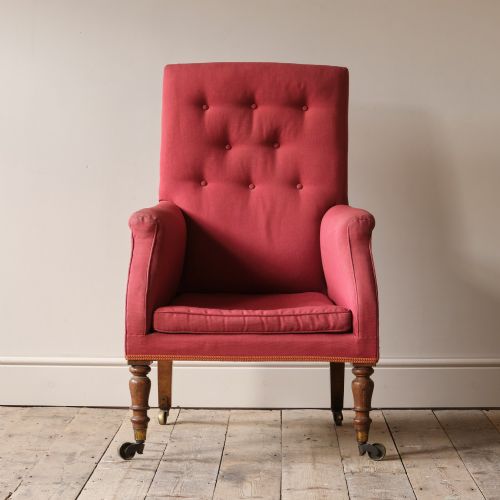
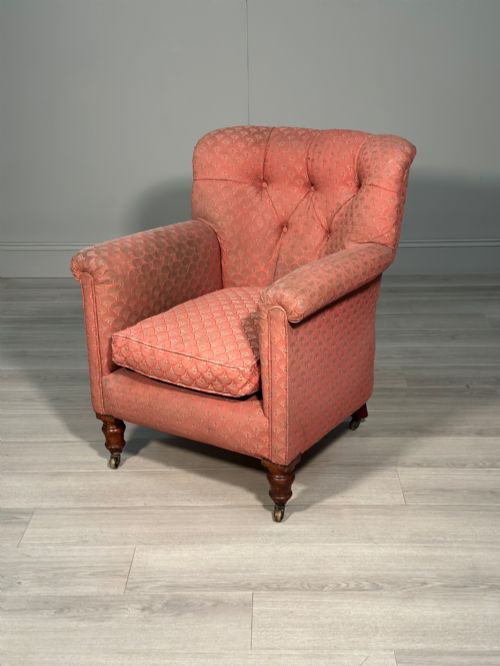
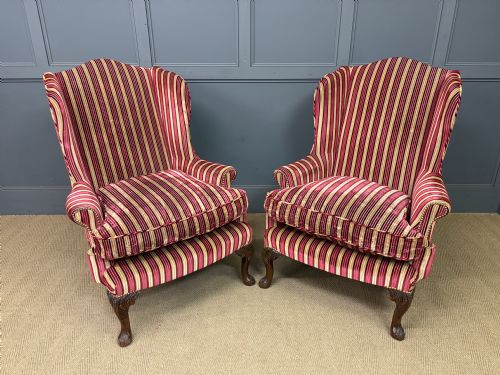
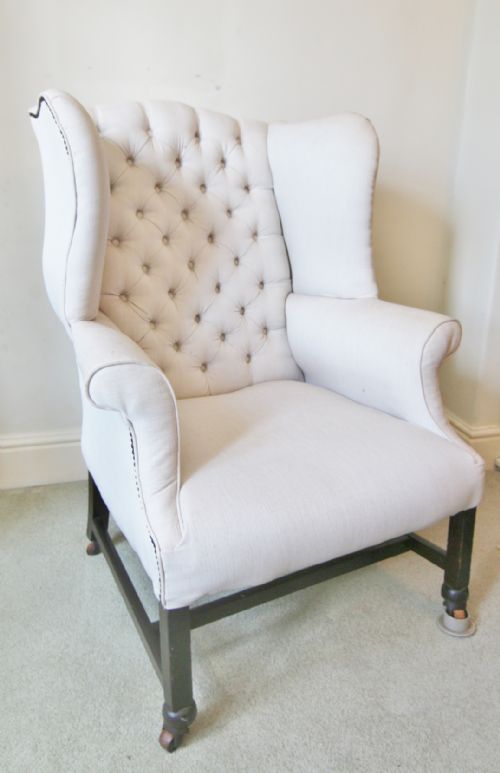
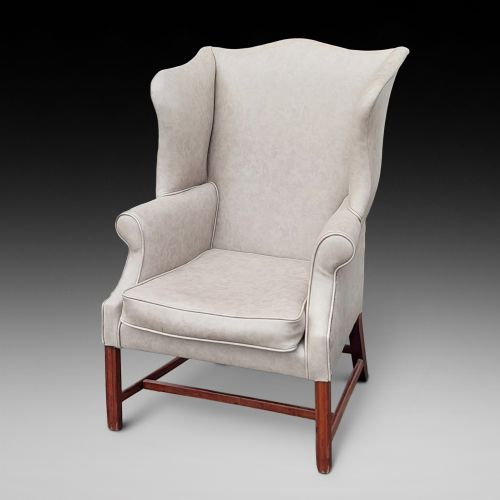
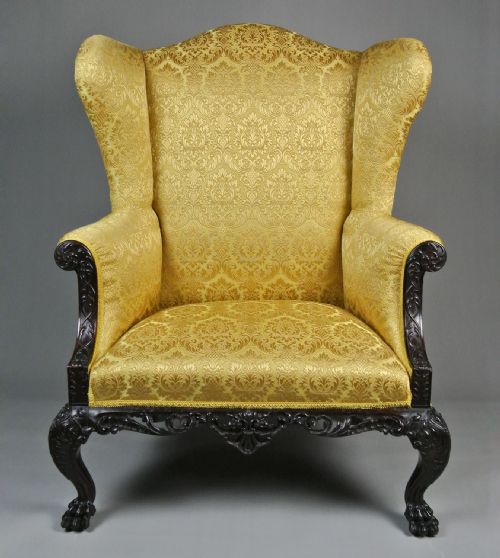
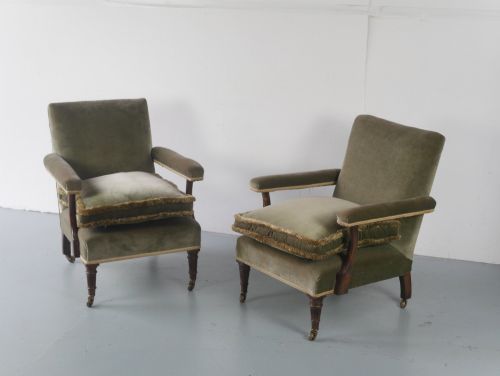
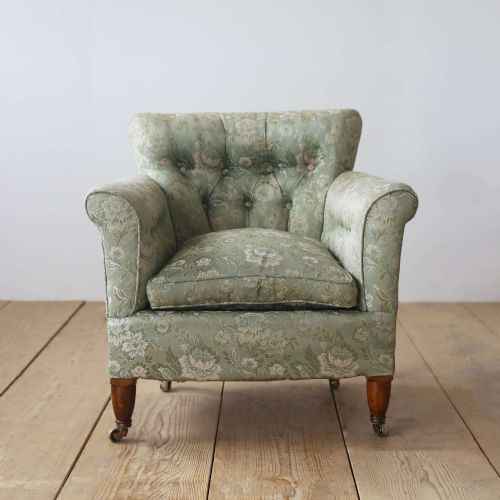
The selection ranges from mid-Georgian wing armchairs and Regency designs to Victorian library chairs and later Edwardian and 1920s iterations. Winged forms and button-back upholstered styles appear frequently across the periods represented.
Makers and workshops such as Gillows, Strahan & Co., and Whytock & Reid contribute to the historical breadth of the pieces available. Revival styles such as Chippendale and Georgian Revival also shape the selection.
How they were made
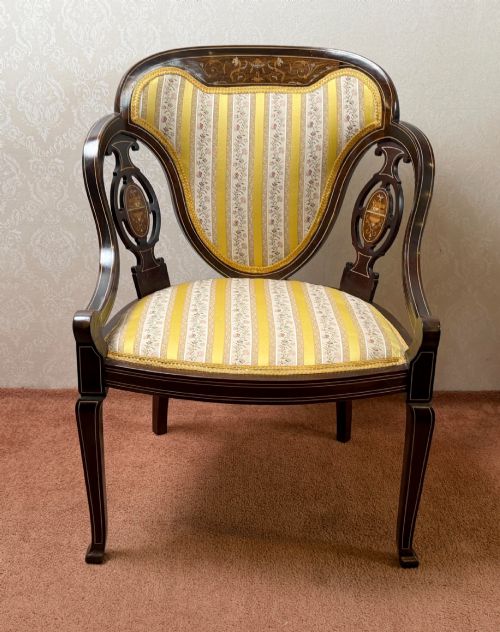
Makers constructed the structural frames primarily from solid wood, utilising mahogany for its strength and rich grain. Secondary elements incorporate inlay materials like bone and boxwood, alongside brass details and iron framing in specific nineteenth-century variants.
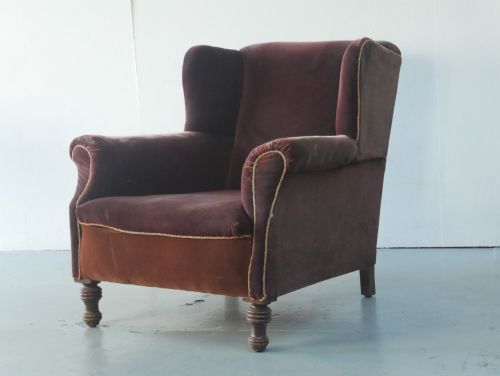
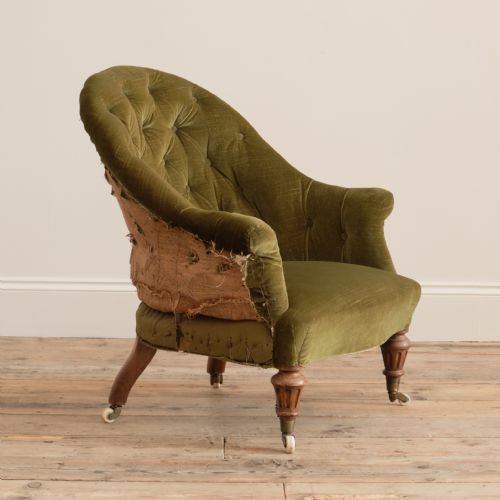
Upholstery techniques rely on traditional internal stuffing covered in textiles such as fabric, velvet, hessian, and calico. Many pieces feature exposed carved woodwork alongside padded components designed for physical support.
Mahogany Easy Armchairs Retail Price Guide 2026
Typical asking prices for mahogany easy armchairs among the pieces listed under this phrase on Sellingantiques today, from the lower quarter to the upper quarter. They describe what is for sale here now, not the wider market.
Some nineteenth-century chairs arrived with iron backs hidden beneath the upholstery, proving that Victorian comfort occasionally required industrial backbone.
What varies in quality
The standard of craftsmanship shows in the precision of the timber carving and the integrity of the frame construction. Pieces originating from documented workshops display superior joinery and finer decorative detailing.
The retention of original or period-appropriate upholstery materials affects the integrity of the piece. Proportions also vary, ranging from diminutive forms to large scale library and wing chairs.
Strahan and Co·Whytock and Reid·Howard and Sons·Gillows
The Mahogany Easy Armchairs Glossary
- Wing armchair
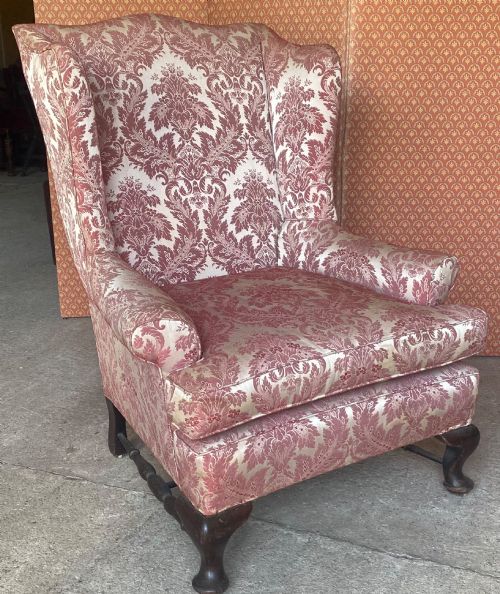
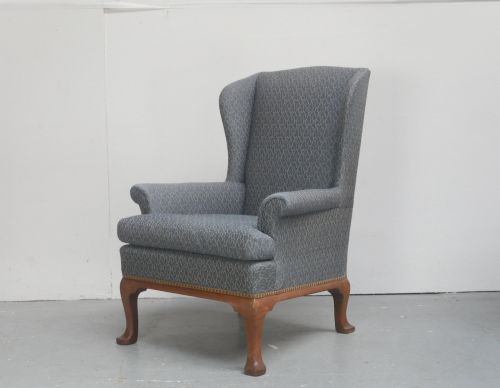
- A comfortable seat featuring side panels designed to shield the sitter from draughts. These pieces often date from the Georgian and Victorian eras.
- Library chair
- A heavy, stable seat intended for reading and study. These items typically feature substantial wooden frames and upholstered armrests.
- Button back
- An upholstery method where depressions are created in the padding by stitching through to the backing. This technique secures the stuffing and forms a geometric pattern.
- Inlay
- A decorative technique where contrasting materials are inserted into recessed cavities within the timber surface. Bone and boxwood frequently serve this purpose on late nineteenth-century frames.
Mahogany Easy Armchairs: Frequently Asked Questions
What defines an easy armchair?
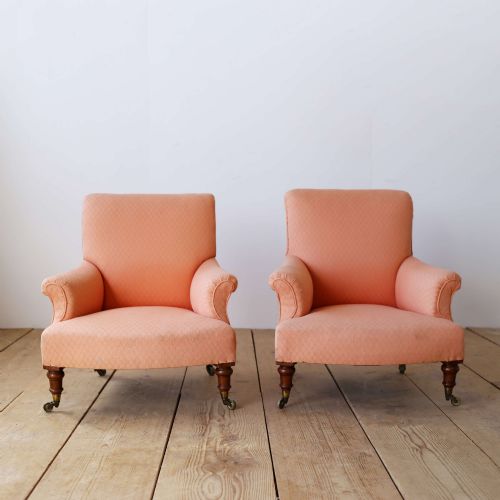
An easy armchair is a deeply padded seat designed primarily for relaxation rather than formal posture. These pieces prioritize user comfort through substantial cushioning and supportive armrests.
Such chairs often feature upholstered backs and generous proportions, making them suitable for prolonged sitting in libraries, drawing rooms, and country houses.
How do wing armchairs function?
Wing armchairs incorporate protective side panels extending from the backrest to enclose the upper body. These extensions originally served to trap heat from a fireplace and block cold draughts.
Over time, the form evolved into a staple of domestic seating, valued for both its practical shelter and its imposing architectural silhouette.
How are different periods distinguished?
Periods are identified through structural proportions, decorative carving styles, and the specific shaping of legs and arm supports. Georgian pieces often display restrained elegance, while Victorian iterations favor heavier frames and button-backed upholstery.
Revival movements from later decades frequently emulate these earlier aesthetic markers while introducing subtle shifts in scale and comfort.
What fabrics cover these chairs?
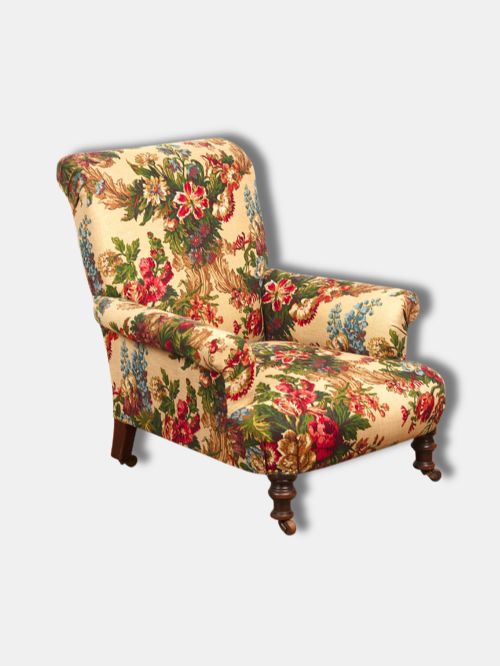
Upholstery ranges from durable calico and hessian underpinnings to decorative velvet and floral patterned textiles. Many historical chairs have undergone reupholstery to preserve their utility.
Leather also appears on specific library and club variants, offering a hard-wearing surface suited to daily domestic use.