





Mahogany Drawing Room Chairs
Mahogany drawing room chairs are seating designed for formal reception spaces, combining rich timber frames with varied upholstery to bring warmth and elegance to your interior.
Mahogany Drawing Room Chairs
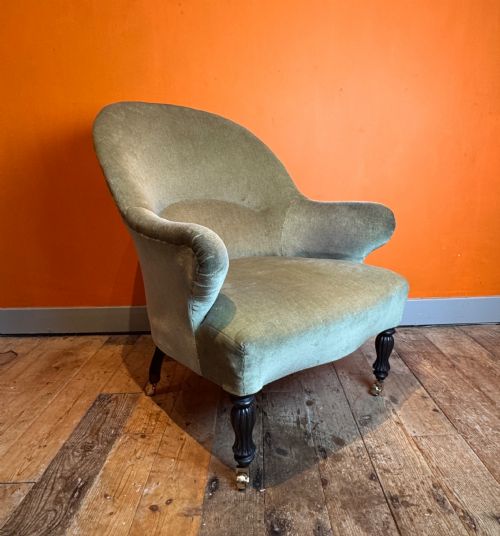
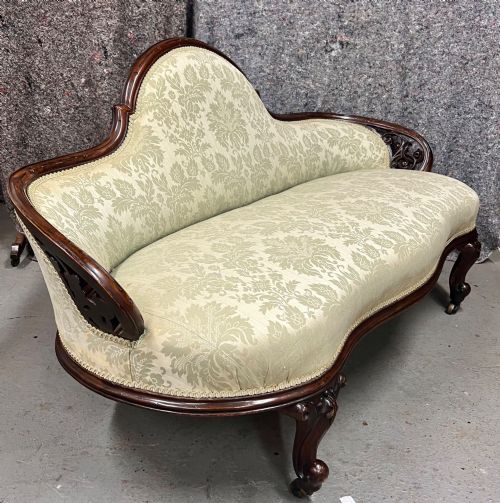
When you search for mahogany drawing room chairs, you encounter seating designed for formal reception rooms, ranging from single armchairs to larger parlour suites and settees. These pieces date across several periods, including Regency, Georgian, Victorian, and Edwardian, reflecting shifting tastes in interior decoration over more than a century.
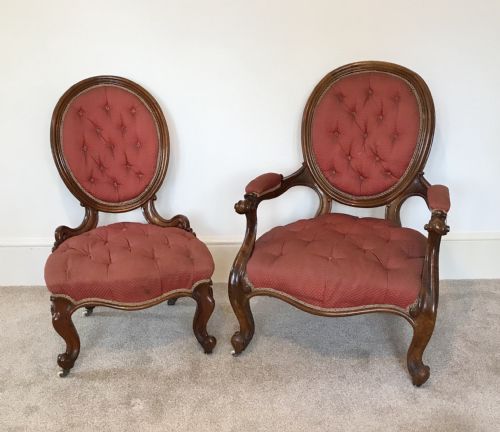
Makers shaped these forms for specific domestic settings, producing elbow chairs suited to studies or bedrooms as well as grander drawing room seats. The forms encompass button-backed salon chairs, gentleman's armchairs, and small settees, all sharing a foundation in mahogany.
How they were made
Cabinet makers built the structural frames of these pieces using mahogany, a durable and richly grained timber well suited to intricate carving and shaping. Selected items incorporate decorative inlays, adding subtle contrast to the dark wood surfaces.
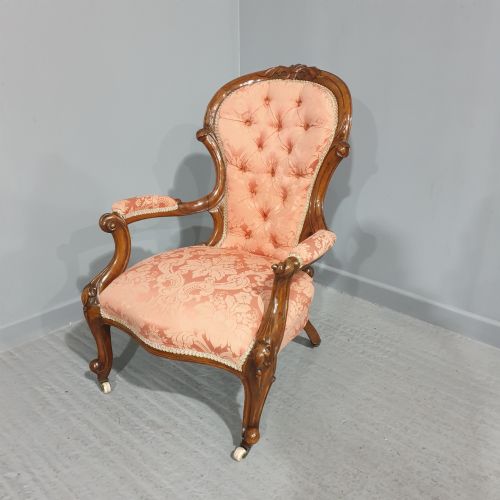
Upholstery forms a major component of these seats, employing textiles such as damask, fabric, and leather to provide comfort and visual texture. Button-backed techniques appear frequently on Victorian examples, securing the padding in place while creating a distinctive quilted pattern.
Brass fittings and hardware occasionally accent the timber framework, appearing as castors or structural details on specific period forms. Workshops combined these materials with traditional joinery to produce sturdy frames capable of supporting daily parlour use.
Mahogany Drawing Room Chairs Retail Price Guide 2026
Typical asking prices for mahogany drawing room chairs among the pieces listed under this phrase on Sellingantiques today, from the lower quarter to the upper quarter. They describe what is for sale here now, not the wider market.
The listings on this page span several periods, featuring Victorian, Regency, and Georgian forms alongside later Edwardian and nineteen-hundreds pieces.
What varies in quality
Quality in these seating forms rests upon the crispness of the timber carving and the architectural proportion of the frame. Pieces executed in the Chippendale taste demonstrate finer joinery and more ambitious pierced splats or cabriole legs compared to simpler vernacular designs.
The grade of the upholstery materials and the execution of techniques like buttoning separate standard production from superior examples. Original or period-correct textiles such as silk damask and quality leather elevate a piece, reflecting the original investment in the drawing room interior.
The Mahogany Drawing Room Chairs Glossary
- Carver
- An armchair, usually with open arms, designed for the head of a table or as part of a drawing room suite. These sturdy seats match the smaller side chairs in a set.
- Elbow chair
- An armchair featuring low arms designed to support the elbows rather than the full length of the arm. They were common additions to Georgian and Regency drawing rooms.
- Damask
- A reversible figured fabric traditionally woven on a jacquard loom with patterns formed by contrasting warps and wefts. It provided a formal textile surface for Victorian upholstery.
- Chippendale taste
- A design style inspired by the mid-eighteenth-century furniture maker Thomas Chippendale, characterised by flowing lines and carved details. Revival pieces from later periods adopted these classical motifs.
- Salon suite
- A matching set of upholstered seating comprising a settee and several armchairs designed for a formal reception room. They created a unified decorative scheme in Victorian and Edwardian homes.
Mahogany Drawing Room Chairs: Frequently Asked Questions
What is a drawing room chair?
A drawing room chair is a piece of formal seating intended for entertaining guests in a reception room rather than private lounging. These chairs often feature decorative woodwork and fine upholstery suited to public areas of the home.
They encompass single armchairs, elbow chairs, and carvers designed to complement larger parlour suites. Their construction prioritises aesthetic appeal alongside functional comfort for visitors.
How do I identify a Victorian armchair?
Victorian armchairs are generally identified by their heavier proportions, dark mahogany frames, and frequent use of deep button upholstery. They often incorporate stylistic revivals, such as the Chippendale taste seen in mid to late nineteenth-century pieces.
Details like turned legs, brass castors, and textured damask or leather fabrics help distinguish these chairs from earlier Georgian or later Edwardian examples.
Where should I place a mahogany elbow chair?
A mahogany elbow chair works well in a study, bedroom, or living space as an occasional seat that adds period character. Their open arms and supportive backs make them versatile additions to corners or beside tables.
Because they feature finished woodwork on all sides, these chairs can stand away from walls rather than needing placement flat against a room boundary.
What is the difference between a carver and an armchair?
A carver is historically an armchair with open wooden arms, often styled to match a set of dining or salon chairs. While all carvers are armchairs, the term specifically denotes a piece intended to accompany a larger suite of matching seats.
Standard armchairs may have fully upholstered sides and arms, whereas carvers typically showcase the carved mahogany framework of the arms and uprights.