
Mahogany Drawers
Mahogany drawers bring timber warmth and linear order to a room, spanning periods from the eighteenth century to the Edwardian era.
Mahogany Drawers
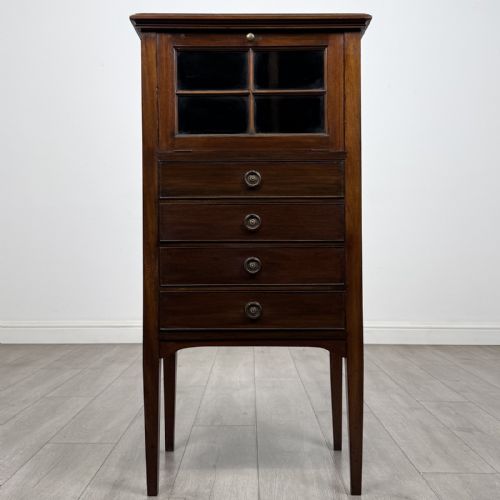
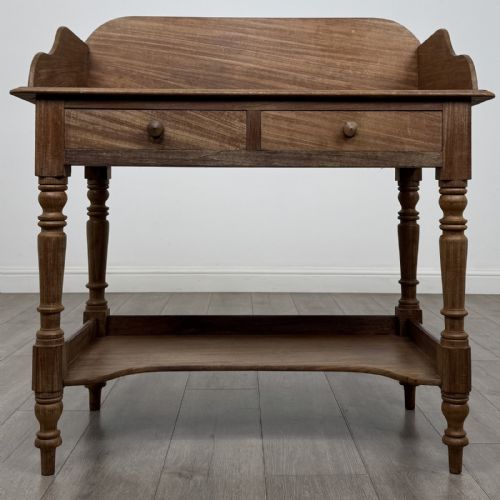
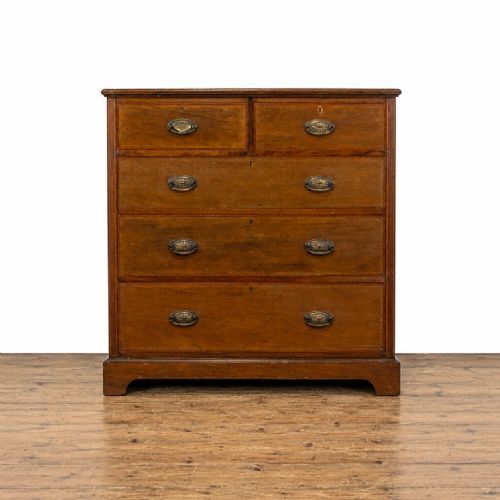
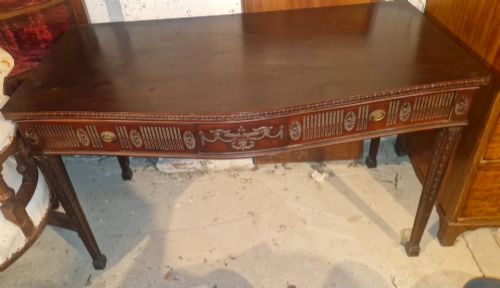
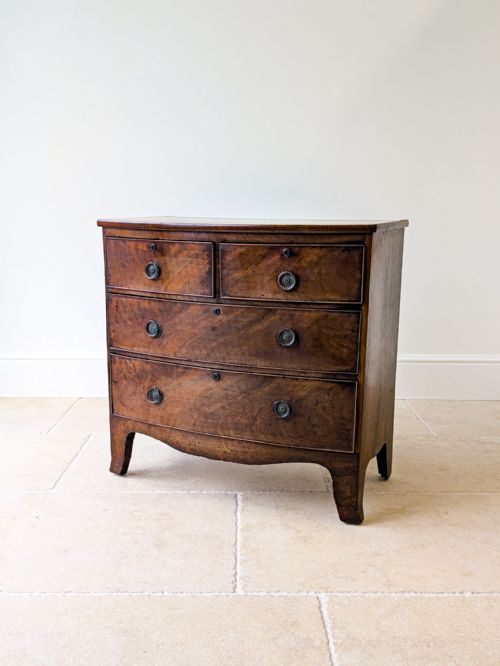
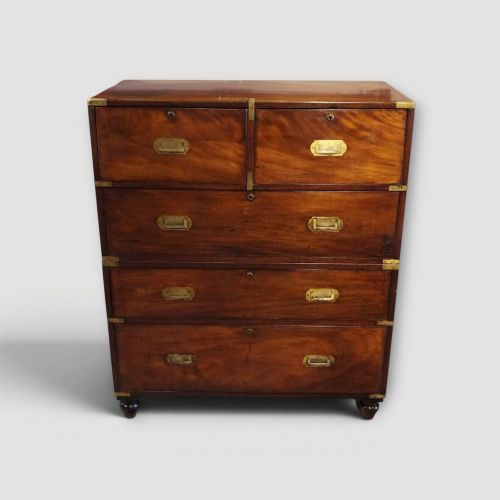
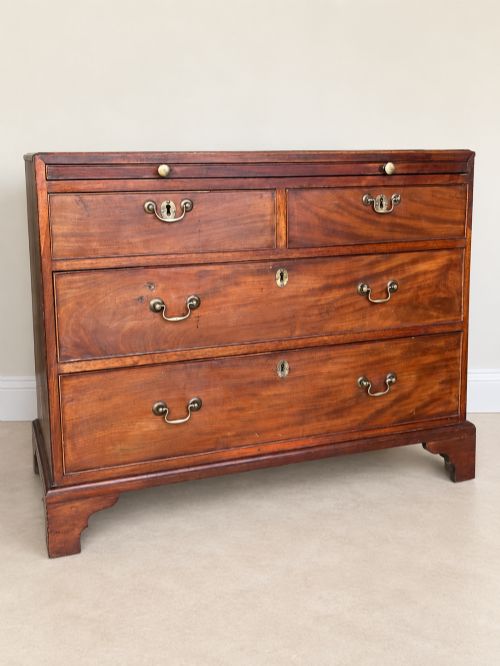
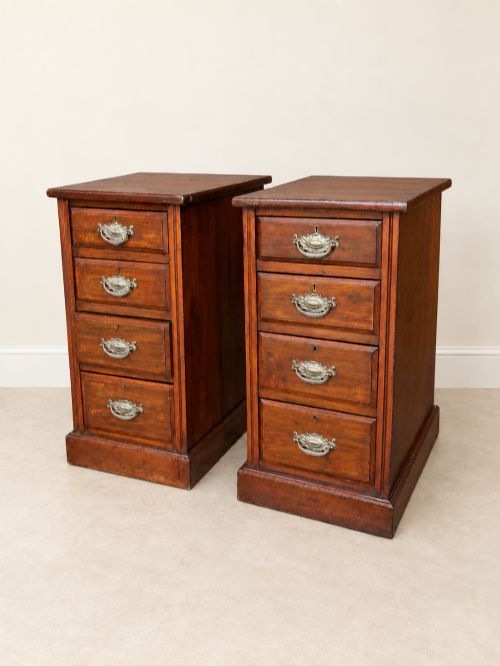
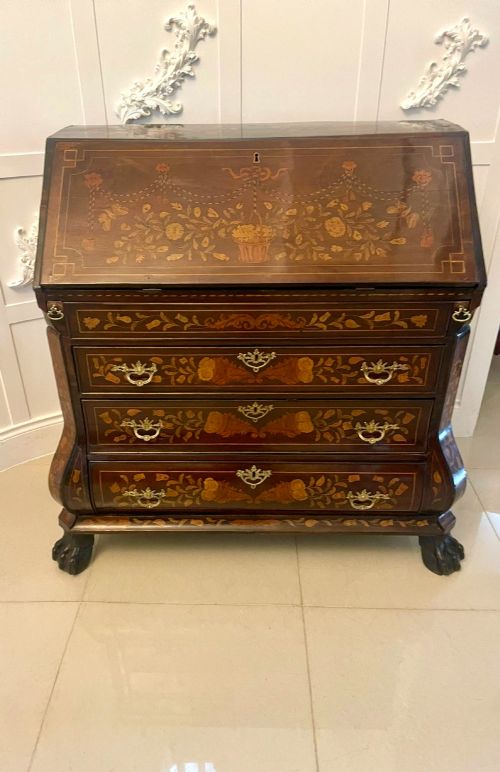
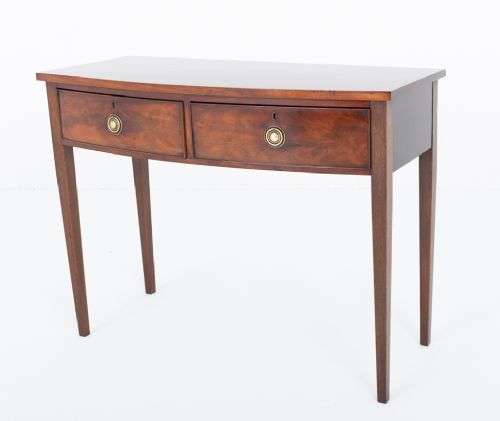
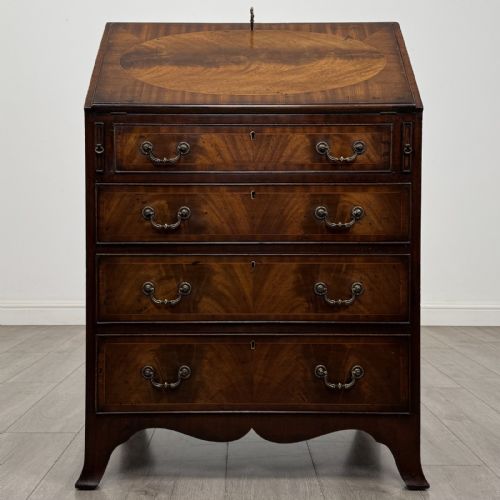
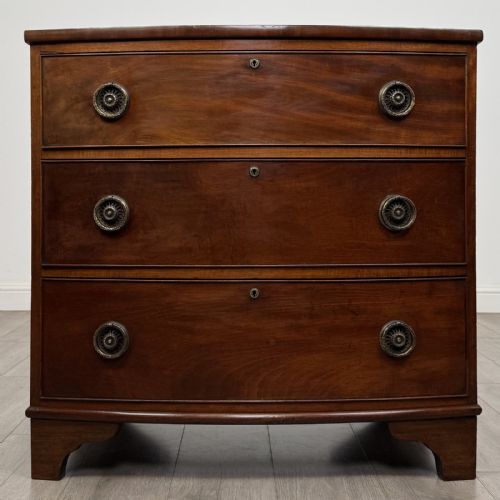
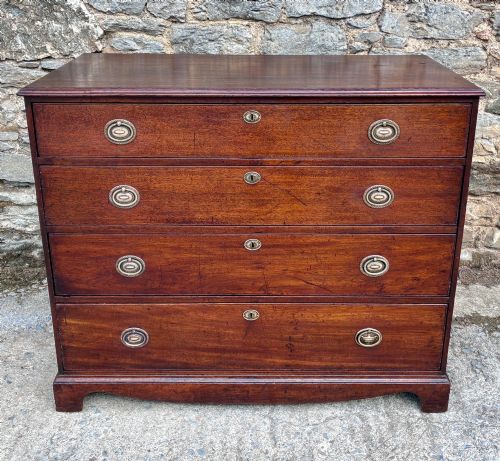
When you search for mahogany drawers, you encounter a diverse range of furniture types spanning multiple eras from the eighteenth century onwards. The selection includes chests of drawers, writing desks, side tables, and smaller items such as collectors cabinets and miniature chests.
The pieces originate from distinct periods including Georgian, Regency, Victorian, and Edwardian times, alongside later interpretations in the Georgian style. Chests of drawers with bow fronts or bracket feet appear frequently among these listings, alongside writing tables fitted with turned legs or pull-out slides.
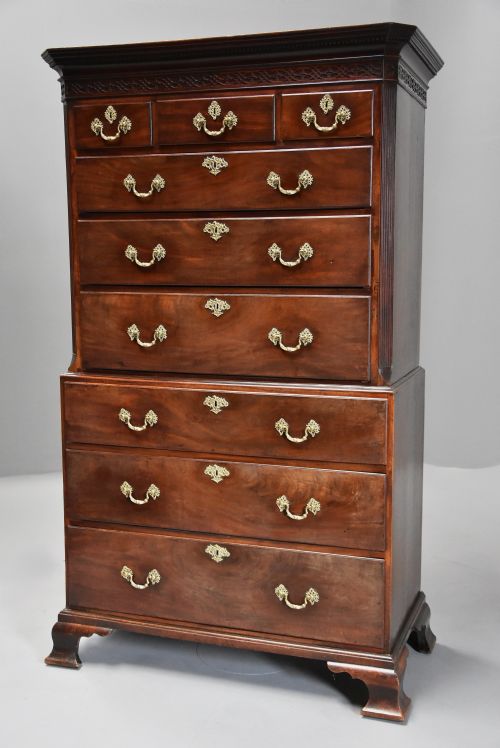
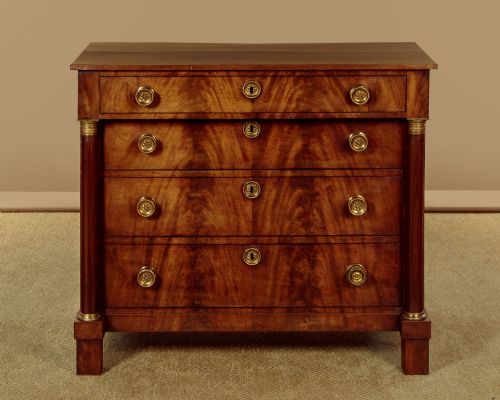
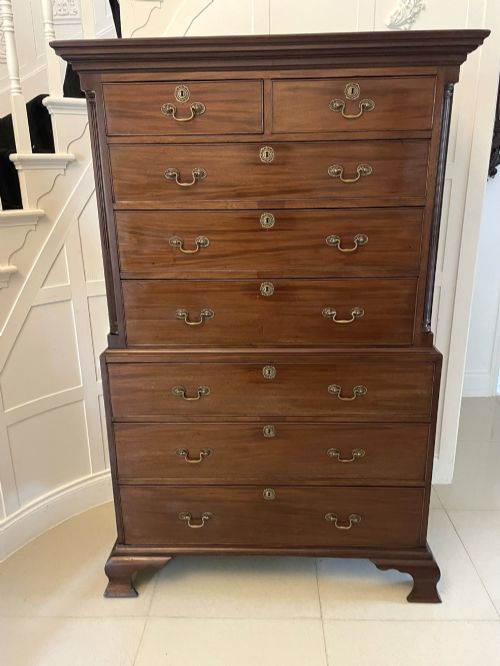
Makers and craftsmen utilised mahogany across various formats, from full-scale pedestal desks to compact travelling cabinets and music cabinets. Pieces range from large chests on chests down to miniature apprentice pieces and small four-drawer formats.
Assessment of Quality
Quality in these pieces rests upon the precision of the cabinetwork, the choice of timber figuring, and the integration of secondary woods and inlay. Finer examples display careful alignment of drawer timbers, crisp carving on legs or brackets, and original brass hardware.
Proportion and execution distinguish standard utilitarian furniture from exceptional cabinet-maker output. The survival of fitted interiors, original leather inserts, and uncompromised structural elements elevates the standing of an individual piece.
Miniature chests tucked into corners suggest that cabinet makers needed somewhere tiny to store their smallest secrets.
W. Walker and Sons London·Hepplewhite
The Mahogany Drawers Glossary
- Bow Front
- A convex curved cabinet front that projects outward in a smooth arc. This shape gains popularity during the Georgian and Regency periods.
- Brushing Slide
- A pull-out shelf located above the top drawers of a chest, historically used for dusting clothes or as a temporary writing surface.
- Wellington Chest
- A tall, narrow chest of drawers secured by a hinged locking side pilaster bar that fastens over the drawer edges.
- Chest on Chest
- A tall storage unit formed by stacking one chest of drawers directly on top of a larger base chest, also known as a tallboy.
- Pedestal Desk
- A large freestanding writing desk featuring twin supporting pedestals fitted with banks of smaller drawers beneath the work surface.
Mahogany Drawers: Frequently Asked Questions
What is a Wellington chest?
A Wellington chest is a tall, narrow storage unit featuring multiple stacked drawers secured by a locking side pilaster.
This vertical locking mechanism distinguishes the form from standard chests of drawers and provides added security for contents.
How do I identify Georgian furniture?
Georgian furniture displays classical proportions, solid mahogany construction, and understated decorative elements like bracket feet or subtle inlay.
Craftsmen from this era prioritized structural balance and practical forms over excessive ornamentation.
Where were writing desks placed?
Writing desks found placement in studies, libraries, and principal living rooms of period homes for correspondence and estate management.
Freestanding pedestal variants allowed placement in the centre of a room rather than strictly against a wall.
What are apprentice pieces?
Apprentice pieces are small-scale or miniature furniture items created by trainees to demonstrate mastery of cabinet-making techniques.
These compact models reproduce the joinery and proportions of full-sized furniture at a fraction of the scale.