



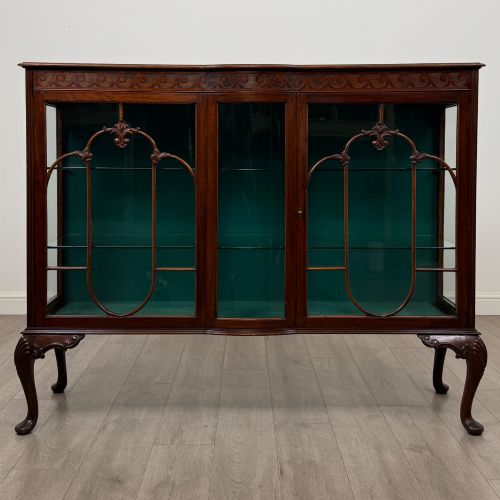

Mahogany Cupboard Unit
A mahogany cupboard unit brings warm timber grain and practical storage to a room, ranging from grand standing furniture down to petite hanging corners.
Mahogany Cupboard Unit
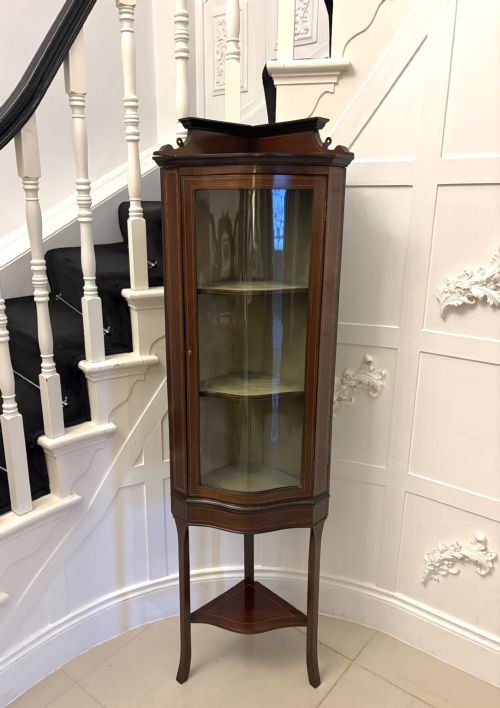
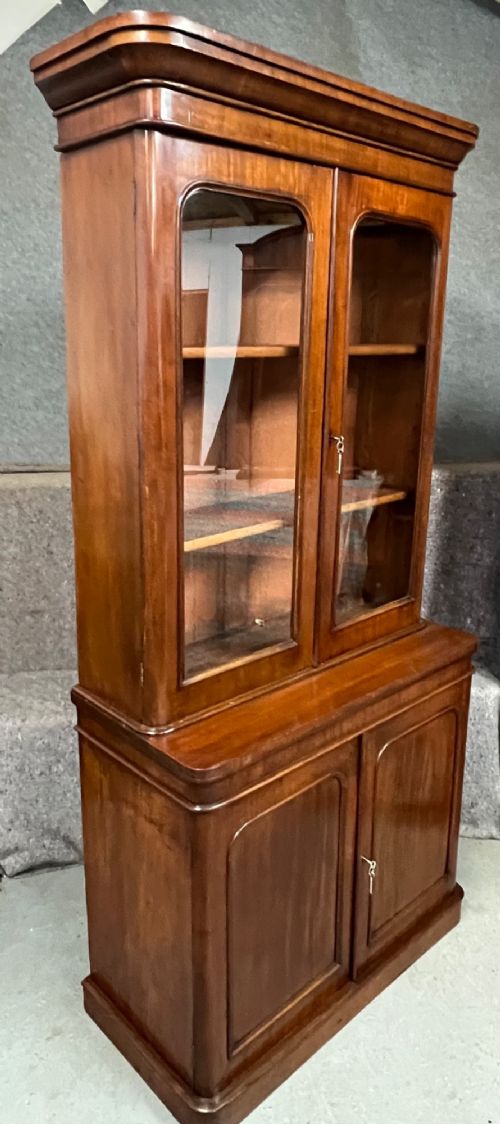
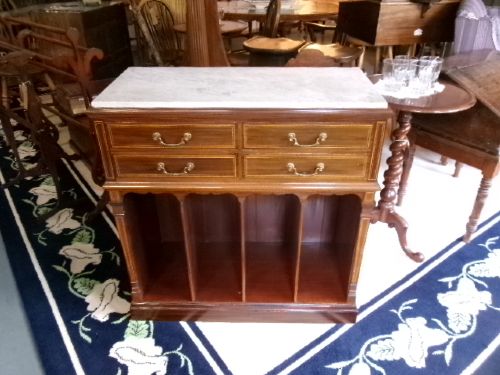
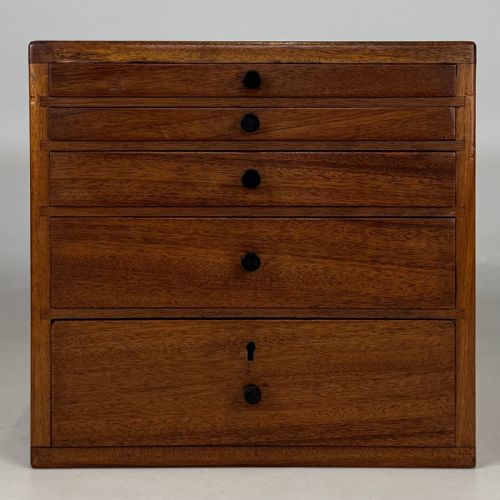
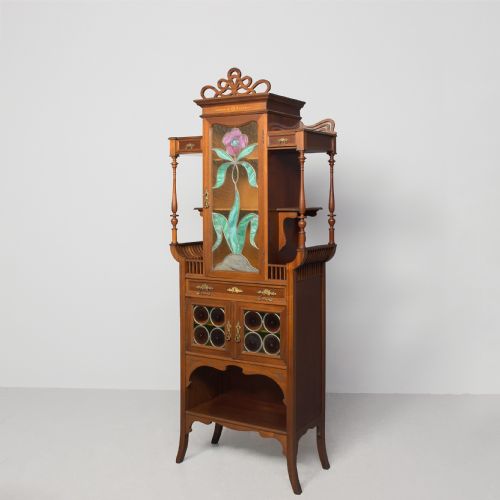
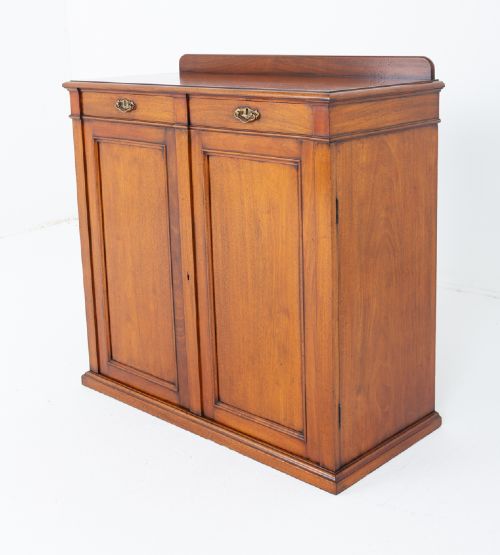
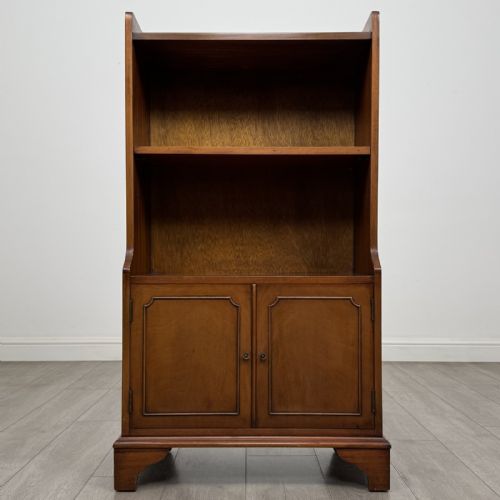
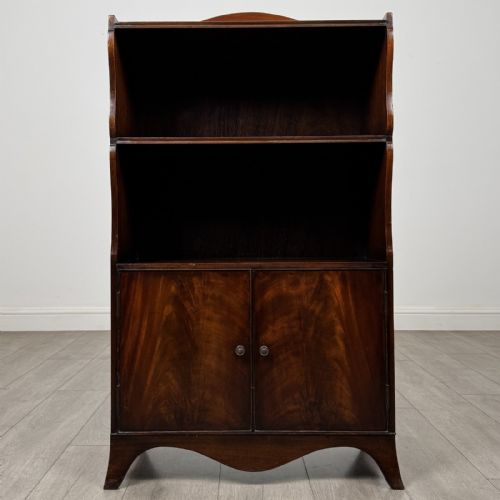
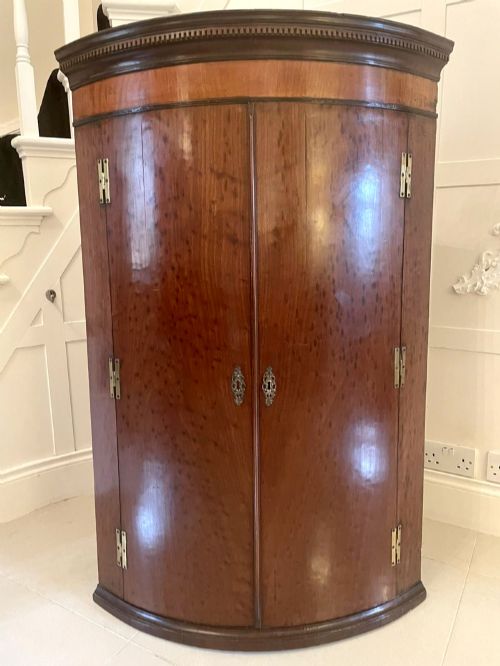
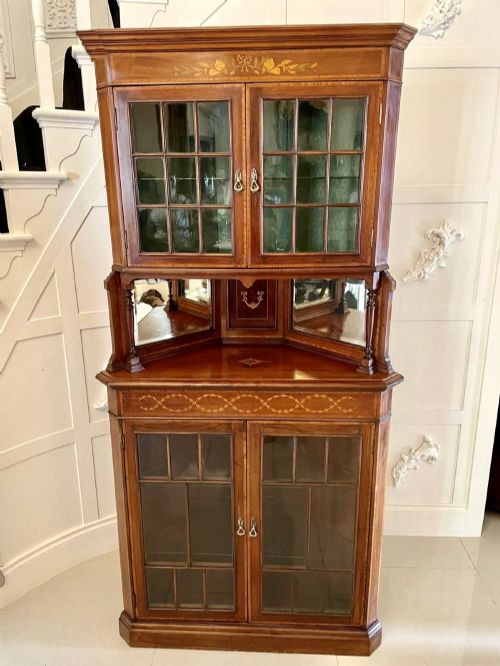
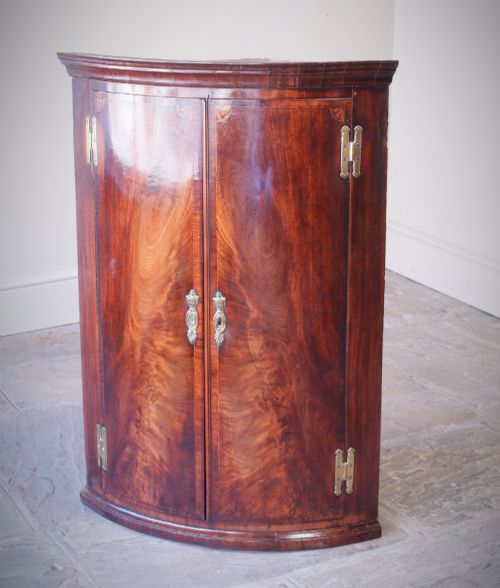
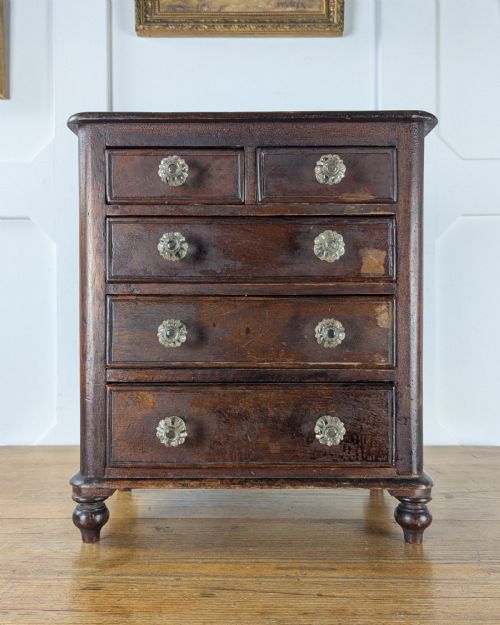
A mahogany cupboard unit encompasses a varied selection of timber storage furniture, most frequently seen on this page as Georgian, Victorian, and Edwardian corner cabinets, bookcases, and small chests of drawers. Buyers searching for a mahogany cupboard unit find pieces designed to fit awkward wall spaces, display porcelain, or house books with traditional craftsmanship.
How they were made
Cabinet makers utilised solid mahogany alongside flame mahogany veneer and decorative satinwood inlay to create rich, varied grain patterns on door fronts and friezes. Secondary timbers such as oak frequently appear in drawer linings and internal framing.
Structural details include hand-cut dovetails on drawers, brass hinges and key escutcheons, and occasional brass castors on larger floor-standing pieces. Glass panels are often held by wooden astragal bars forming geometric or arched window patterns.
Mahogany Cupboard Unit Retail Price Guide 2026
Typical asking prices for mahogany cupboard unit among the pieces listed under this phrase on Sellingantiques today, from the lower quarter to the upper quarter. They describe what is for sale here now, not the wider market.
Listings feature 18th century, Georgian, and Victorian periods alongside Edwardian revival styles in mahogany, oak, and satinwood.
What varies in quality
Quality in a mahogany cupboard unit rests on the selection of timber, particularly the use of highly figured plum pudding mahogany or finely matched flame veneer. The crispness of inlaid satinwood stringing and the depth of hand-carved mouldings separate standard workshop output from exceptional cabinet work.
Construction methods also dictate grade, where tight dovetail joints, original brass hardware, and well-fitted doors that hang true demonstrate superior joinery. Secondary timber choices and the preservation of original patination further distinguish finer examples.
Edwards & Roberts
The Mahogany Cupboard Unit Glossary
- Astragal glazing
- A method of framing glass panels within a door using thin moulded wooden strips. This technique creates delicate geometric patterns typical of Georgian and revival bookcases.
- Bow front
- A convex, outwardly curved front elevation common on corner cupboards and small chests. It softens room lines and requires skilled joinery to bend timber and rails.
- Flame mahogany veneer
- A prized cut of timber taken from the fork of the mahogany tree where the branch meets the trunk. It produces a fiery, feathered grain pattern.
- Apprentice chest
- A small-scale model of a chest of drawers made by a trainee craftsman to demonstrate skill. These miniature pieces mirror the construction methods of full-sized furniture.
- Waterfall bookcase
- A tiered open bookcase with graduating shelf depths from top to bottom. The sides typically step back in a descending cascade.
Mahogany Cupboard Unit: Frequently Asked Questions
How do I place a corner cupboard?
A corner cupboard requires a true ninety-degree wall junction to sit flush and secure. Wall-hanging versions need proper fixings into studs or masonry due to the weight of solid timber.
Floor-standing standing models anchor themselves naturally, though levelling feet help steady older pieces on uneven historic floors.
What is an apprentice chest?
Apprentice chests are miniature furniture pieces created by young trainees to prove their mastery of woodworking joints. They feature the same dovetailed drawers and polished timber as standard furniture.
Collectors prize them for their portability and meticulous scale detail.
How do I clean mahogany?
Mahogany surfaces respond best to occasional dusting with a soft, dry cloth. Avoid silicone sprays which build up a film and attract dust.
Applying a traditional beeswax polish once or twice a year feeds the timber and maintains the natural lustre of the grain.
Are glazed doors original?
Glazed doors on older cabinets can sometimes be later replacements if glass was broken or styles changed. Examining the interior rebates and glass type helps determine authenticity.
Hand-blown crown glass often shows subtle ripples and distortions typical of earlier periods.