



Mahogany Box C 1820
A mahogany box c 1820 brings practical elegance to a room, offering clever internal fittings and rich timber grain.
Mahogany Box C 1820
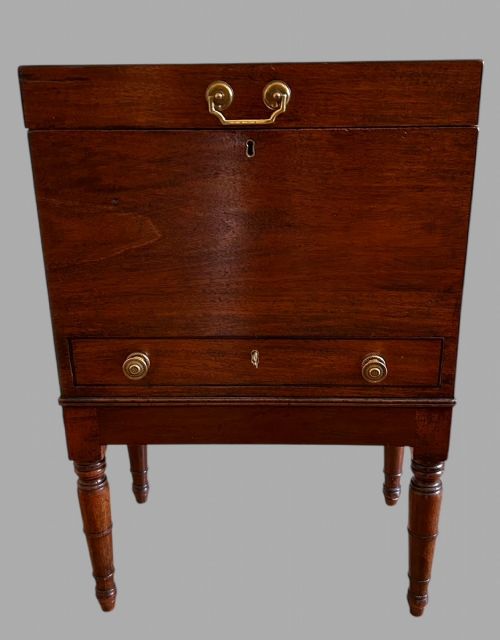
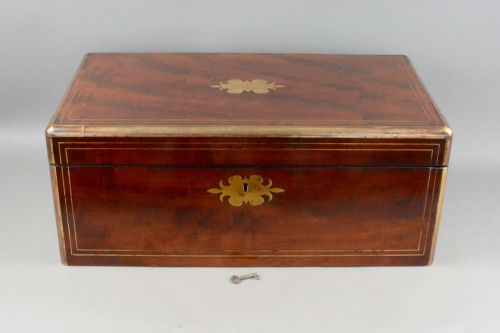
When you search for a mahogany box c 1820, you encounter a selection of refined domestic containers spanning tea caddies, writing slopes, apothecary cases, and substantial wine coolers. These items served specific daily functions in Georgian and Regency households, holding valuable commodities, writing materials, or medicinal supplies.
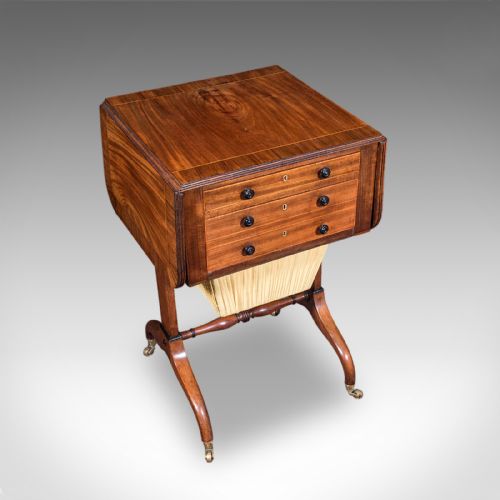
The Regency and Georgian periods dominate this group, reflecting the design sensibilities of the early nineteenth century. You are most likely to meet tea caddies and sarcophagus-shaped wine coolers on this page, alongside fitted travelling cases and occasional work tables.
How they were made
Cabinet makers utilised solid mahogany and flame mahogany veneer over secondary timbers, often accentuating the exterior surfaces with contrasting ebony stringing or brass mounts. The timber was selected for its deep grain patterns and polished to a rich, warm lustre.
Internal compartments required precise joinery, housing cut glass mixing bowls, glass bottles, or velvet-lined stationery slots. Brass carrying handles, escutcheons, and campaign feet were integrated securely to withstand frequent travel and daily handling.
Mahogany Box C 1820 Retail Price Guide 2026
Typical asking prices for mahogany box c 1820 among the pieces listed under this phrase on Sellingantiques today, from the lower quarter to the upper quarter. They describe what is for sale here now, not the wider market.
Apothecary boxes preserved miniature glass bottles designed to travel safely through bumpy carriage rides.
What varies in quality
The distinction between standard domestic boxes and superior items rests in the choice of timber veneer and the sophistication of the internal layout. Figured flame mahogany and intricate ebony inlay elevate a piece beyond simple utility.
Hardware and secondary materials also set examples apart. Heavy cast brass mounts, original cut glass mixing bowls, and complete internal fittings indicate higher workshop standards during the Regency and Georgian eras.
T.Feetham
The Mahogany Box C 1820 Glossary
- Tea Caddy
- A decorative box designed for storing loose leaf tea, frequently featuring internal lidded canisters and a mixing glass.
- Wine Cooler
- A large container, often sarcophagus shaped, lined to hold bottles and ice for dining service.
- Writing Slope
- A portable desk with a sloping hinged lid that opens to reveal a slanted writing surface, inkwells, and storage compartments.
- Apothecary Box
- A fitted travelling case containing glass bottles and drawers for medicines and remedies.
- Flame Mahogany Veneer
- A sliced section of timber displaying a distinctive flickering flame pattern, applied to primary exterior surfaces.
Mahogany Box C 1820: Frequently Asked Questions
What were tea caddies used for?
Tea caddies stored expensive loose leaf teas safely under lock and key in the Georgian home. The homeowner kept the key, controlling access to the valuable commodity.
Many caddies included a central glass bowl used for rinsing leaves or blending different varieties before brewing.
How do I use a writing slope?
A writing slope opens to form a slanted baize or leather-lined surface designed for letter writing. Internal compartments hold inkwells, pens, and stationery.
When closed, the box becomes a compact portable desk suitable for travel or placement on a side table.
What is a sarcophagus wine cooler?
A sarcophagus wine cooler is a large, heavily proportioned cellar box shaped like a classical tomb. These pieces stood in the dining room to chill wine bottles in ice.
They often feature robust brass ring handles and substantial feet, reflecting Regency architectural tastes.
How do I care for antique mahogany?
Keep antique mahogany boxes away from direct sunlight and heat sources to prevent the timber and veneer from splitting. Regular dusting with a dry cloth maintains the surface.
Apply a traditional wax polish sparingly when the wood appears dry to preserve the natural lustre of the grain.