



Mahogany Art Stand
A mahogany art stand brings together functional display and the sweeping organic lines of turn-of-the-century design.
Mahogany Art Stand
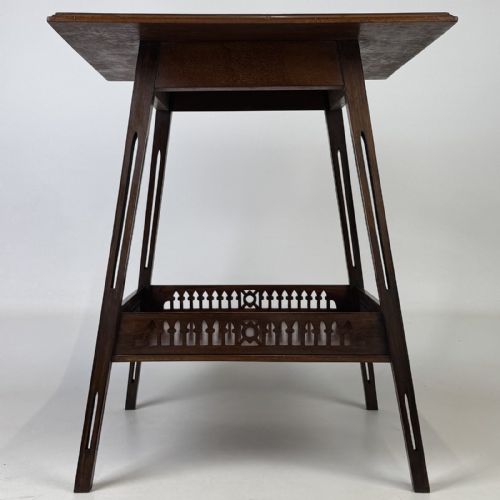
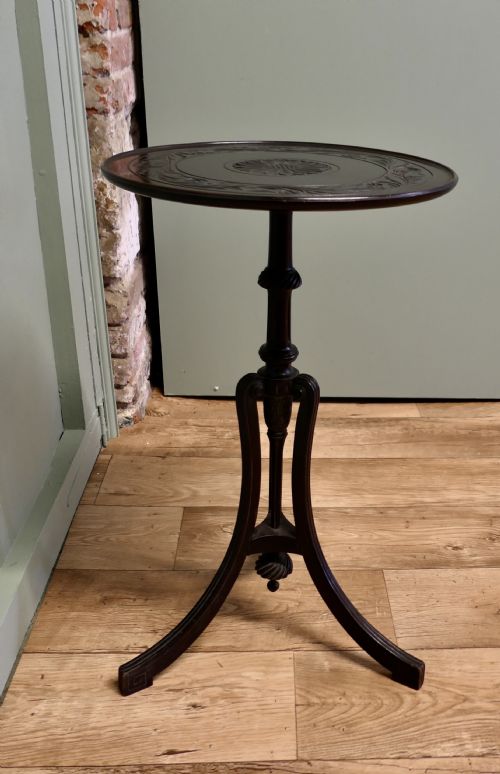
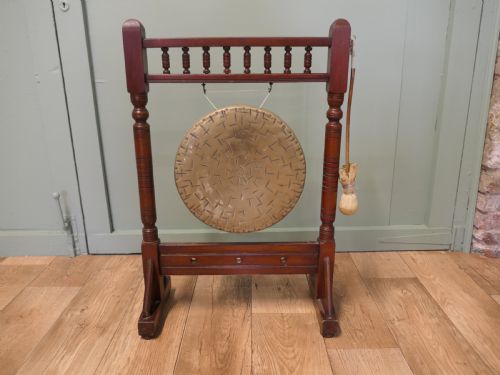
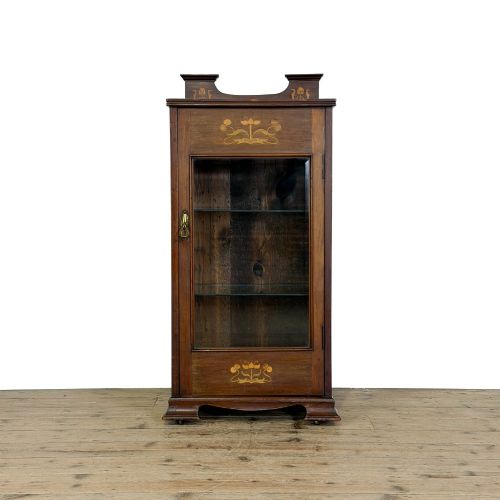
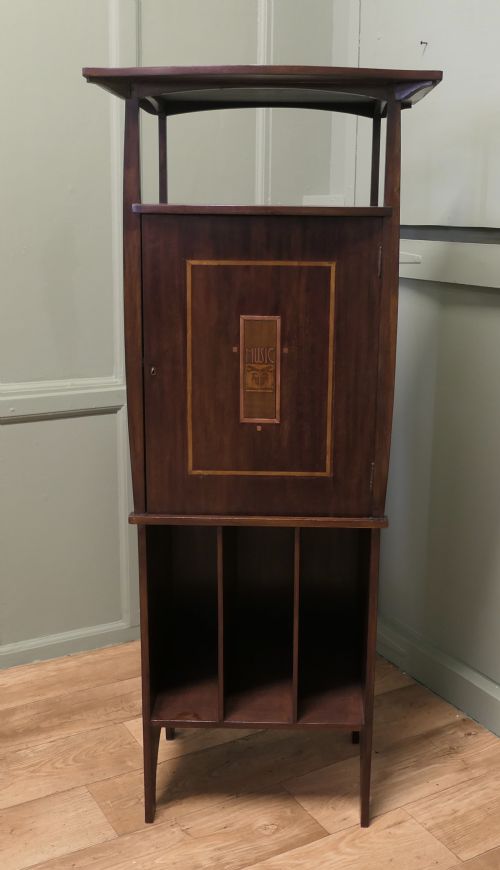
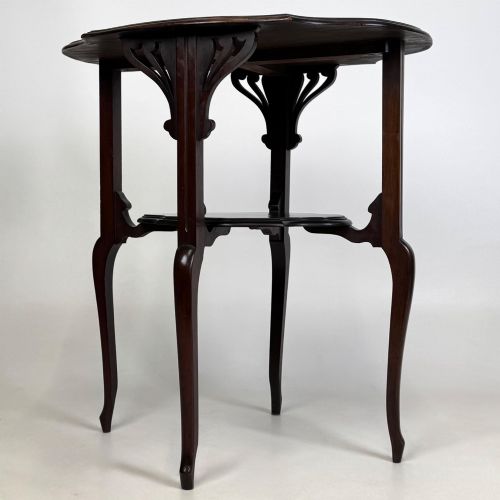
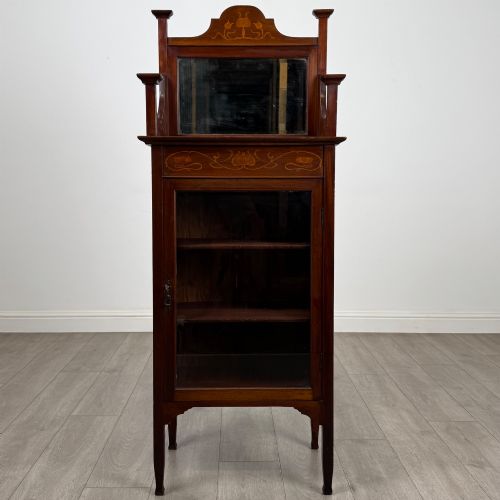
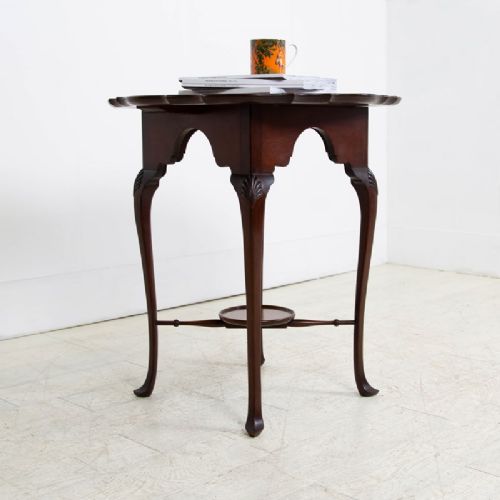
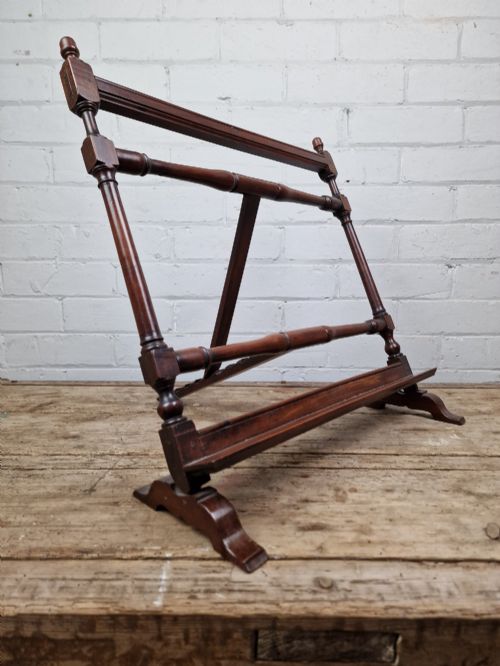
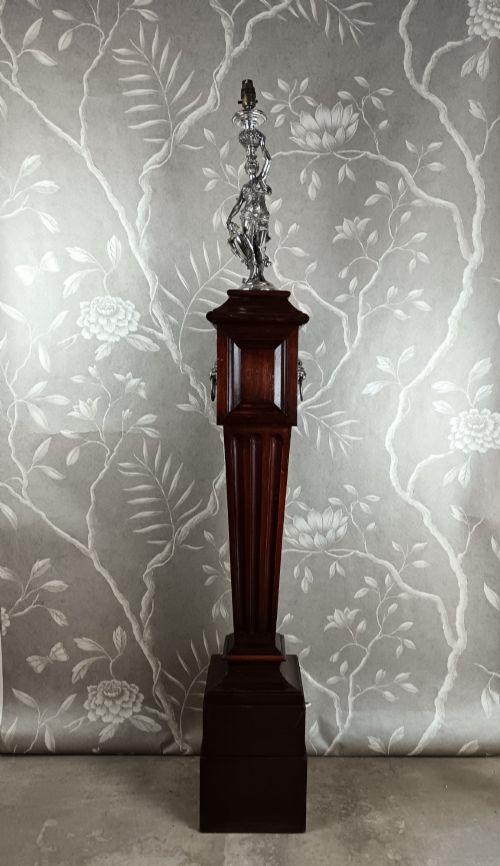
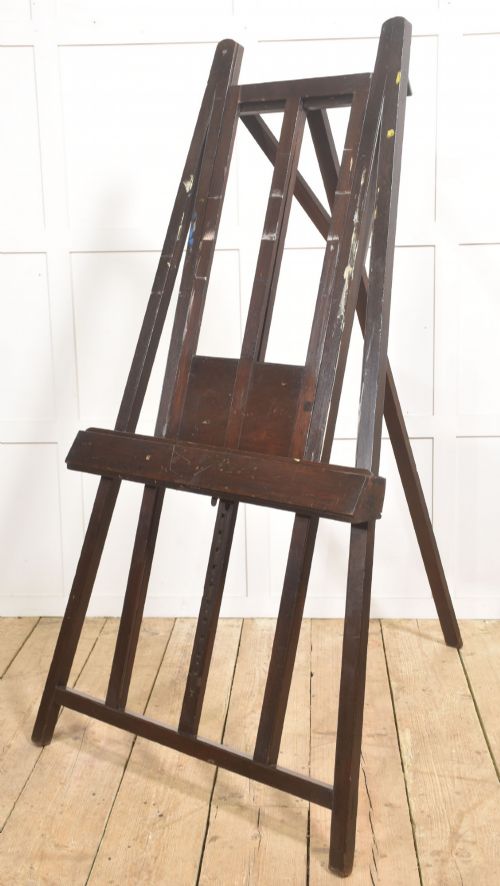
A mahogany art stand encompasses a diverse range of furniture designed for display and utility, frequently encountered in forms such as occasional tables, display cabinets, music cabinets, easels, and hall stands. These pieces predominantly emerge from the late nineteenth century through to the 1930s, reflecting the shifts in domestic tastes across Victorian, Edwardian, and Art Deco eras.
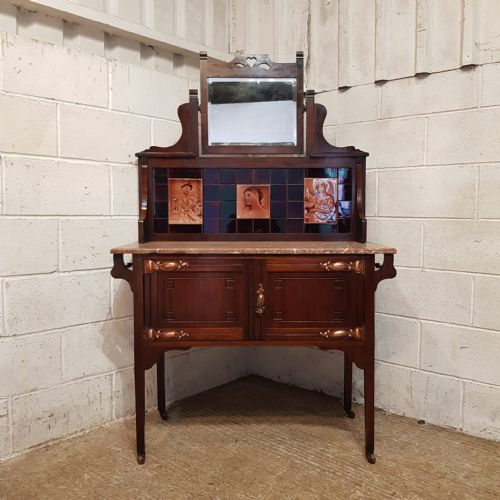
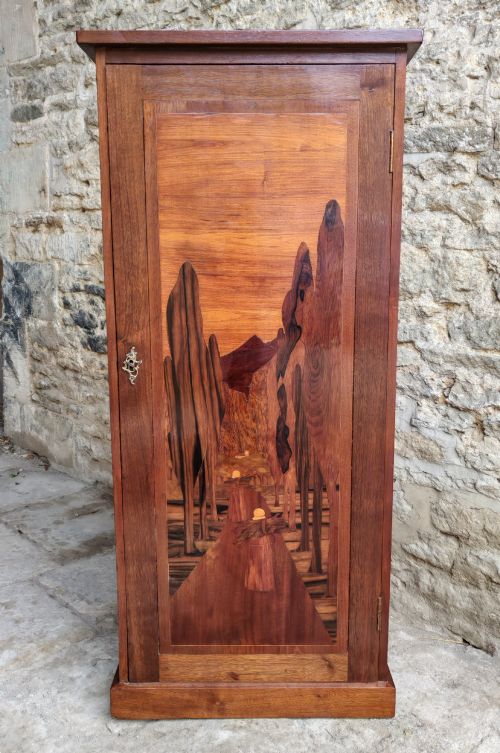
Makers and workshops of the Arts and Crafts and Art Nouveau movements heavily influenced the production of these stands, utilising rich timber alongside decorative elements like wood inlay. Buyers searching for a mahogany art stand will find items spanning from simple plant and jardiniere pedestals to complex revolving bookcases and side cabinets.
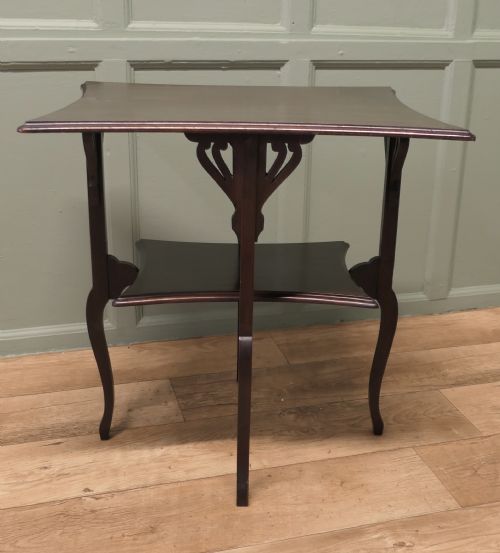
The aesthetic vocabulary bridges rigid Victorian practicality with the fluid, nature-inspired motifs of Jugendstil and the Cotswold School. Whether acting as a reception station greeter, a studio easel, or a cake stand, each object serves as a platform for presentation within the home.
Materials and construction
Makers relied principally upon solid and veneered mahogany, often combined with secondary woods to construct the structural carcasses of cabinets, tables, and stands. This dense timber provided a stable, dark red-brown base capable of holding intricate carved details and supporting heavy items like marble tops or glass doors.
Surface decoration frequently incorporated contrasting wood inlay, fretwork, and metal accents in brass, copper, and silver-plate. Joinery techniques from the Arts and Crafts tradition emphasised visible craftsmanship, utilising pegged joints alongside curved panels and organic, whiplash lines characteristic of Art Nouveau design.
Mahogany Art Stand Retail Price Guide 2026
Typical asking prices for mahogany art stand among the pieces listed under this phrase on Sellingantiques today, from the lower quarter to the upper quarter. They describe what is for sale here now, not the wider market.
Listings feature mahogany stands spanning from the Victorian era through the Edwardian period and into the Art Deco epoch.
Assessing quality
Quality in these stands rests upon the integration of design cohesion and the integrity of the cabinetmaker's construction. Pieces bearing attribution to recognised workshops or prominent designers display superior handling of mahogany grain and more ambitious structural forms, such as complex revolving mechanisms or detailed fretwork.
The refinement of secondary materials also dictates the upper tier of the range, distinguishing standard utility furniture from high-art manifestations. The crispness of inlaid wood motifs, the weight and finish of brass or copper mounts, and the balance of proportion separate ordinary production items from exceptional workshop outputs.
Bulstrode Cambridge·GM Elwood for JS Henry·Shapland and Petter·Lambs of Manchester·Liberty and Co
The Mahogany Art Stand Glossary
- Art Nouveau
- An international style of art, architecture, and applied art characterised by sinuous lines and flowing organic motifs. It heavily influenced cabinetmakers around nineteen hundred.
- Arts and Crafts
- A design movement championing traditional craftsmanship using simple forms and medieval, romantic, or folk styles of decoration. It emphasised the visible hand of the maker.
- Inlay
- A technique where pieces of contrasting timber or other materials are inserted into depressions in the mahogany base to form decorative patterns. This added visual complexity to tabletops and cabinet doors.
- Torchere
- A tall ornamental stand or pedestal designed to support a lamp or candle. In mahogany, these often featured carved columns or figural elements.
- Jardiniere
- A decorative pot or stand specifically made for holding plants or flowers. Examples in the listings often take the form of tall carved pedestals.
Mahogany Art Stand: Frequently Asked Questions
How do I identify an Arts and Crafts stand?
Arts and Crafts pieces emphasise honest construction, natural wood grains, and handcrafted details over excessive factory ornamentation. Look for visible joinery, geometric fretwork, and subtle wood inlay patterns rather than mass-produced machine carvings.
These items often feature sturdy mahogany framing with simple, functional silhouettes. Many pieces from this movement also incorporate copper or brass hardware designed specifically to complement the timber.
How do I date a mahogany piece?
Dating relies on observing the stylistic markers, hardware, and construction methods characteristic of specific eras such as Victorian, Edwardian, or Art Deco. Heavy carved ornamentation typically points to the nineteenth century, while lighter inlaid panels suggest the early twentieth century.
Makers' marks, stamps, or labels can sometimes provide a narrower timeframe or point to specific workshops active around nineteen hundred. The evolution from ornate revival styles to streamlined geometric forms charts the changing tastes across the decades represented.
How should I care for antique mahogany?
Antique mahogany requires stable indoor humidity levels and protection from direct sunlight to prevent the timber from drying out or fading. Regular dusting with a soft, dry cloth maintains the surface without the buildup of heavy commercial polishes.
Occasional application of appropriate wax feeds the wood and preserves the depth of the dark reddish-brown tone. Avoiding placement near direct heat sources ensures the joints and veneers remain stable over time.