

Mahogany and Brass Chair
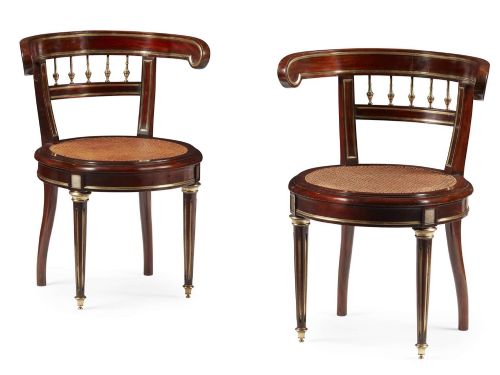
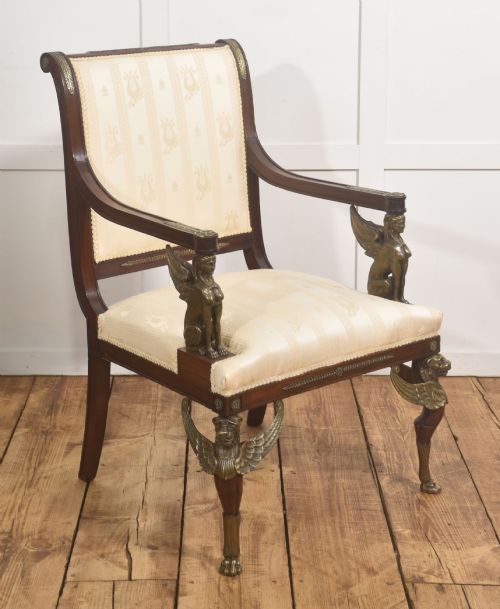
A mahogany and brass chair brings solid timber and gleaming metal together for the study, library or dining room.
Mahogany and Brass Chair
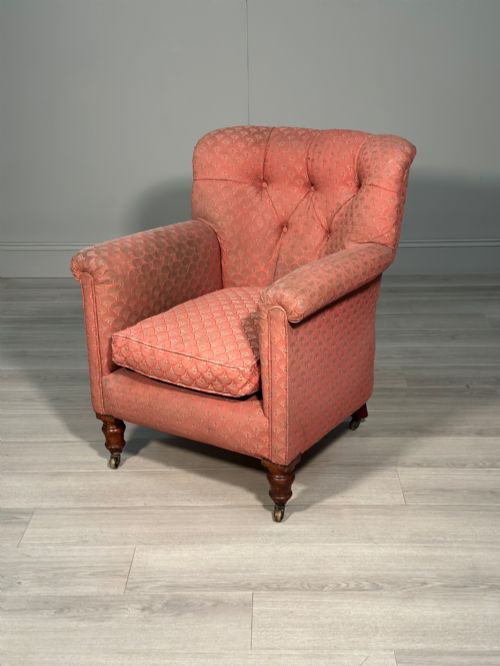
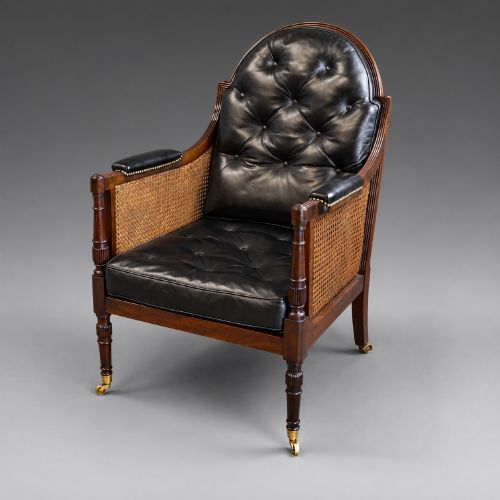
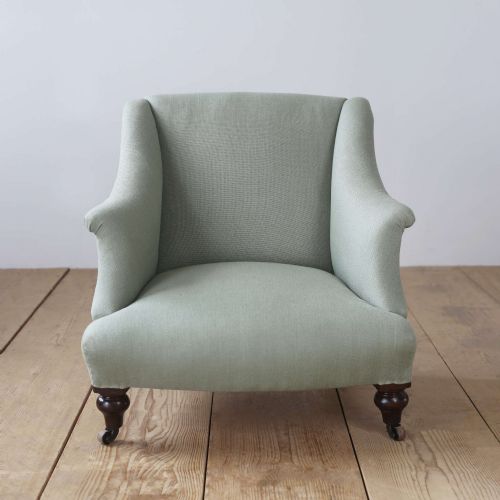
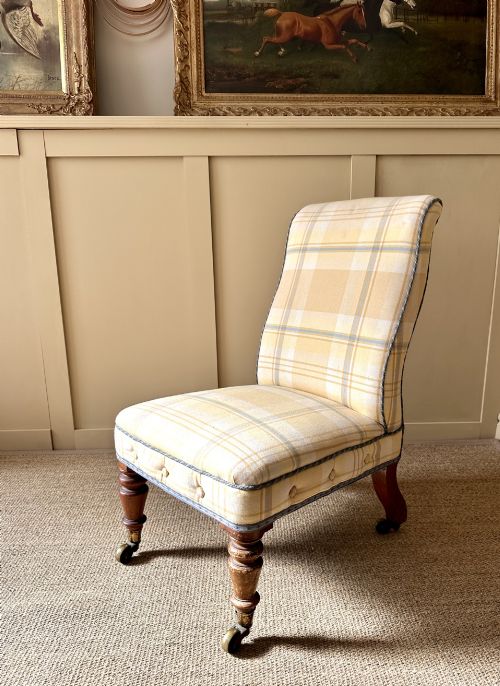
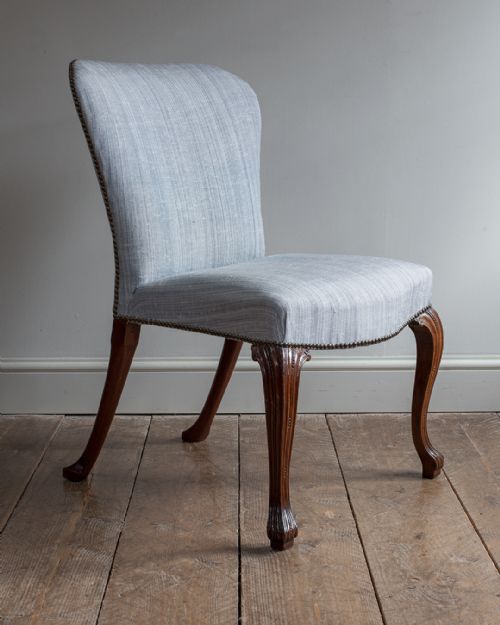
A mahogany and brass chair encompasses dining seats, library armchairs, reading chairs and desk chairs spanning the Georgian, Regency, William IV and Victorian eras. Buyers seeking a mahogany and brass chair will encounter dining sets alongside heavy library armchairs and swivel desk models.
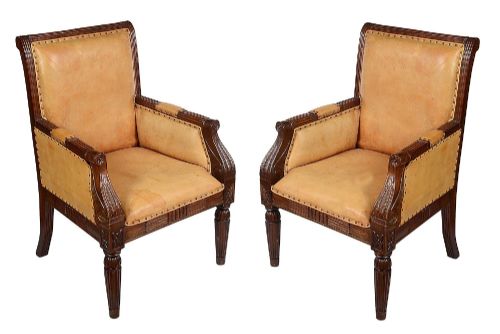
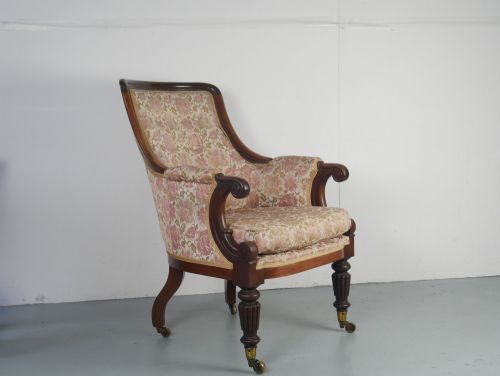
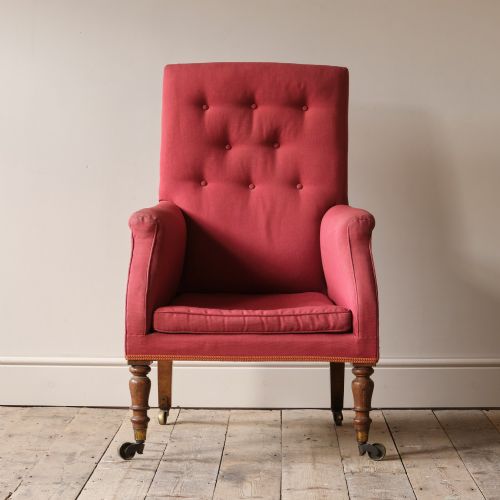
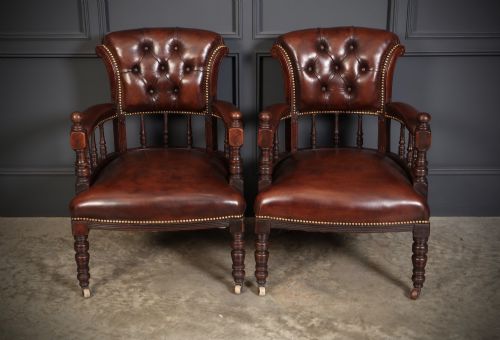
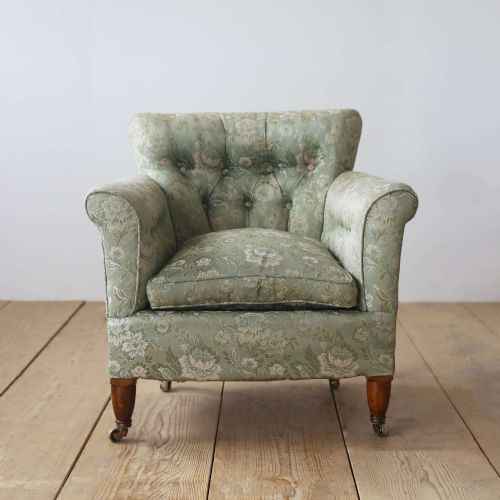
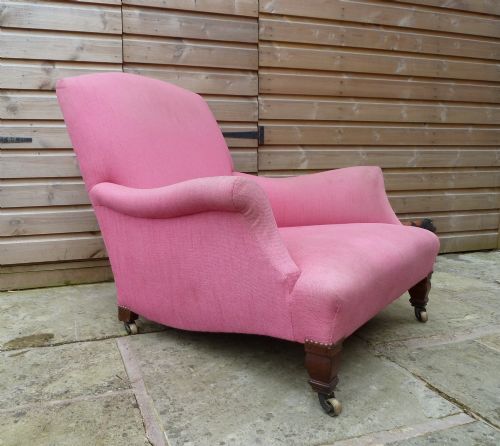
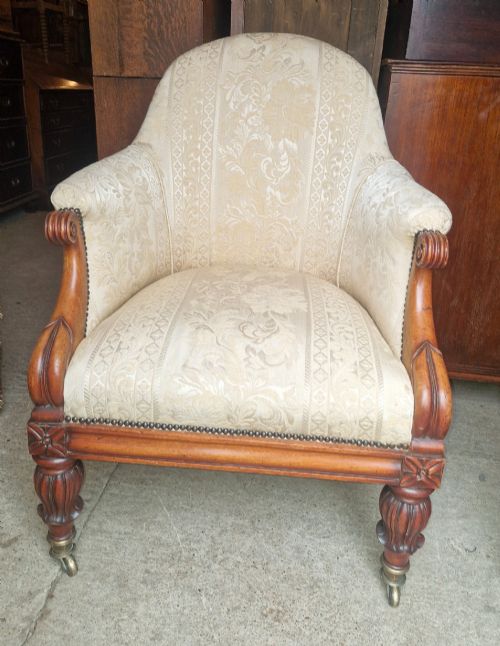
The selection ranges from George III and Regency pieces with brass inlay to later 19th-century button-backed library chairs and country house armchairs fitted with brass castors. These forms reflect centuries of domestic utility, from formal dining rooms to private studies.
Early examples date back to the 18th century, while subsequent pieces trace the evolution of styles through the 19th and early 20th centuries. The combination of dense mahogany timber and brass fittings unites utilitarian seating with formal decorative arts.
Materials and construction
Makers constructed these frames from dense mahogany, shaping structural members to support frequent use while displaying the grain of the timber. Brass was incorporated as castors, stringing, handles, or reeded inlay, fastened securely into the wood.
Upholstery materials include leather, calico, velvet, hessian and woven fabrics, often secured over internal stuffing with traditional tacking methods. Frames display turned, reeded or carved woodwork joined by historical cabinetry techniques.
Mahogany and Brass Chair Retail Price Guide 2026
Typical asking prices for mahogany and brass chair among the pieces listed under this phrase on Sellingantiques today, from the lower quarter to the upper quarter. They describe what is for sale here now, not the wider market.
Some library armchairs arrived equipped with built-in reading stands for the dedicated scholar.
Judging the work
Quality rests in the crispness of the mahogany carving, the precision of brass inlay and the integrity of the underlying frame construction. Superior examples retain original timber surfaces and high-grade metal fittings without replacement or excessive modification.
The weight of the timber and the subtlety of proportion distinguish fine workshop output from standard production. Attention to structural joinery ensures that heavy library chairs and dining sets remain stable during daily use.
Charles Hindley & Sons·Whytock & Reid·Howard And Sons·Morris & Co·Gillows
The Mahogany and Brass Chair Glossary
- Gainsborough chair
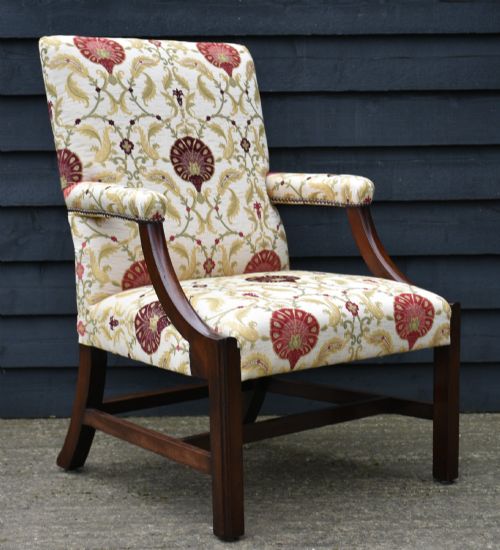
- A wide, open-armed armchair with a padded seat and back, popular in the 18th century. These pieces typically feature mahogany frames and upholstered armrests.
- Bergère
- An enclosed armchair with stuffed upholstery and cane or wooden sides. The style provides substantial support for reading and relaxing.
- Library chair
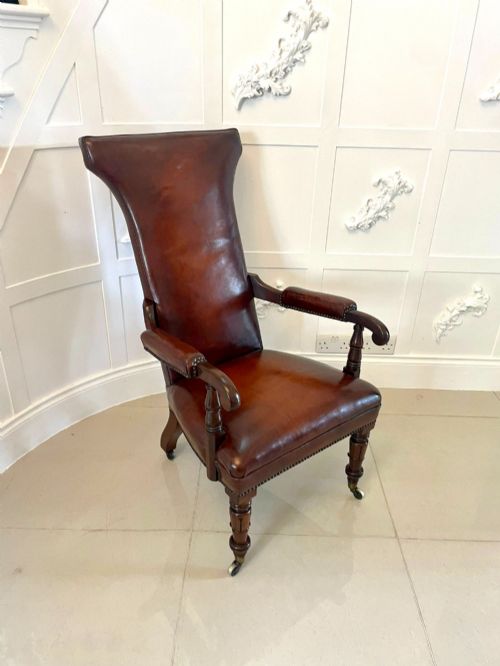
- A heavy, comfortable armchair designed for prolonged sitting in a study or library. They frequently incorporate leather upholstery and reading accessories.
- Reeded
- A decorative moulding consisting of parallel convex strips resembling bundled reeds. Makers carved these profiles directly into mahogany chair legs and frames.
- Castor
- A small wheel fitted to the base of chair legs for ease of movement. Brass is the standard metal used for these fittings on heavy seating.
Mahogany and Brass Chair: Frequently Asked Questions
How do I identify a Regency mahogany and brass chair?
Regency pieces often display characteristic brass inlay, reeded mahogany legs, and classical influences derived from the French Empire style. Look for neat brass stringing set directly into the wood surfaces.
These chairs date from the early 19th century and reflect a shift towards lighter, cleaner architectural lines in British interior design.
Were brass castors standard on library chairs?
Heavy library armchairs and desk chairs frequently received brass castors to allow smooth movement across carpets and wooden floors. These fittings supported the weight of substantial mahogany frames.
Most period castors remain attached to the base of the legs, though some replacements occur over centuries of use.
What is the difference between a Gainsborough and a library chair?
A Gainsborough chair specifically denotes an 18th-century open-armed seat with padded upholstery designed for writing tables. Library chairs encompass a broader category of heavy, upholstered seating intended for reading rooms.
Both styles utilise sturdy mahogany frames and frequently feature leather coverings.
How should I care for leather upholstery on mahogany chairs?
Leather upholstery requires gentle cleaning with appropriate conditioning balms to maintain flexibility and prevent cracking over time. Avoid placing these chairs in direct sunlight or near heat sources.
Regular dusting keeps the brass elements bright and preserves the finish of the surrounding mahogany timber.