



Low Writing Table
A low writing table is a compact surface built for correspondence, and these pieces bring seventeenth-century utility to modern rooms.
Low Writing Table
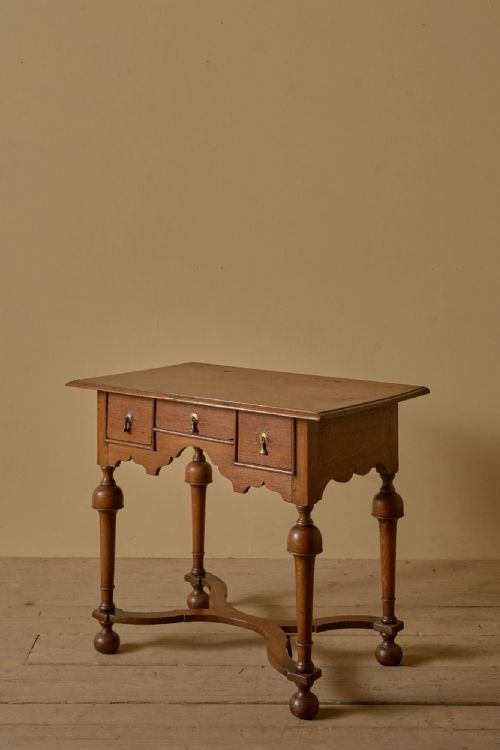
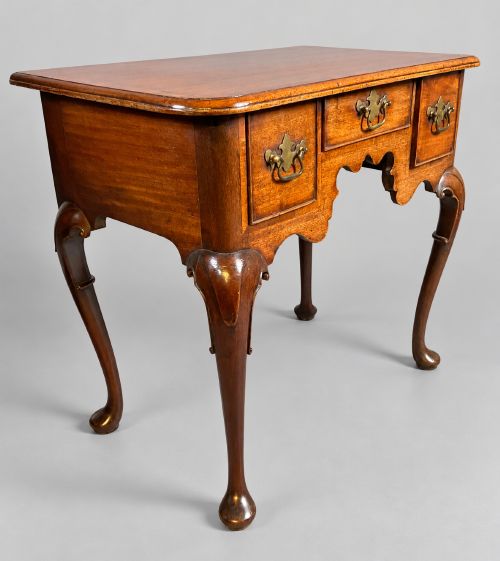
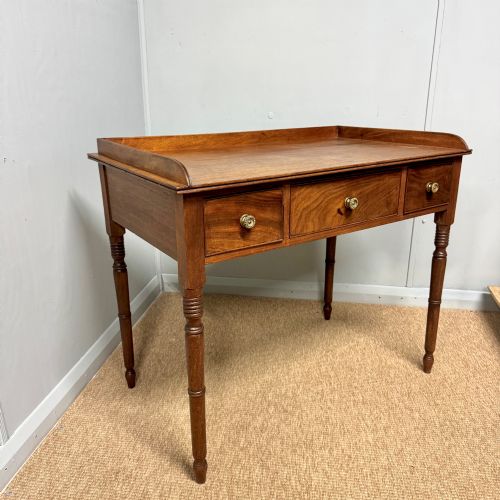
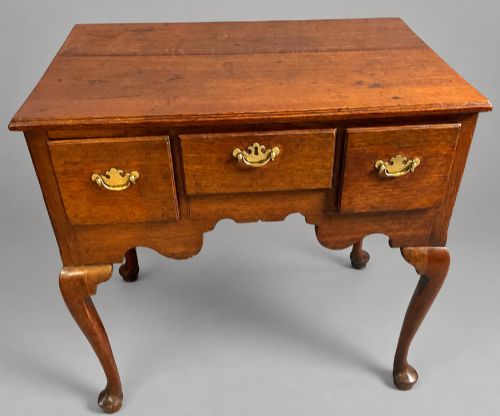
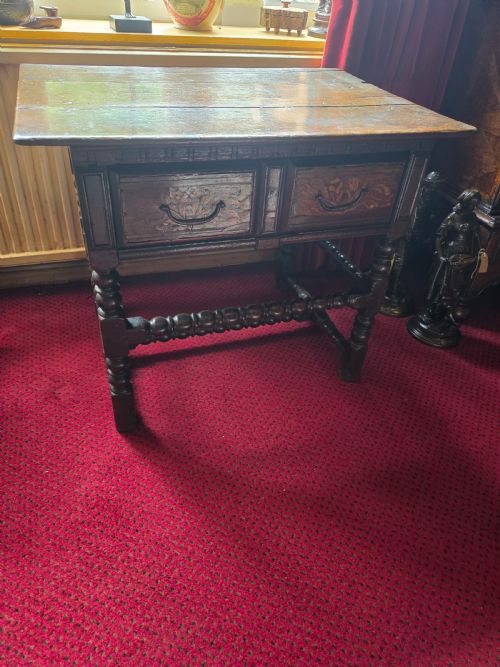
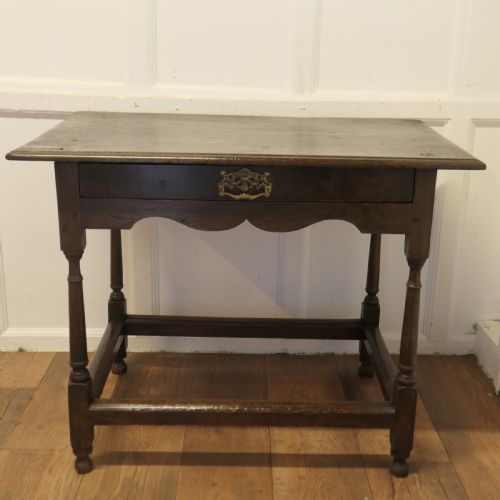
A low writing table combines the proportions of a side table with the function of a desk, providing a surface suited for seated writing tasks without the height of standard furniture. When searching for a low writing table, buyers encounter pieces that overlap with lowboys, dressing tables, and compact side tables from various historic periods.
The pieces listed on this page span the seventeenth, eighteenth, nineteenth, and early twentieth centuries, reflecting diverse regional workshops and cabinet-making traditions. Oak, mahogany, and walnut dominate the selection, accompanied by occasional examples featuring elm, burr walnut, and wood inlay.
English provincial and Georgian pieces form the backbone of the selection, alongside Victorian adaptations and distinct regional formats like the Isle of Man oak low boy. Buyers also find Japanese calligraphy writing tables, expanding the stylistic range beyond traditional British forms.
How they were made
Cabinet-makers constructed these tables using solid native timbers such as oak, mahogany, and elm, relying on traditional jointing methods to ensure stability across small surface areas. Drawers were integrated into the framework to hold writing materials, often fitted with brass pulls.
Surface decoration ranges from simple polished wood grains to intricate wood inlay and painted finishes, depending on the period and the intended setting of the table. Burr walnut veneers appear on later interpretations, highlighting decorative grain patterns over plain timber.
Low Writing Table Retail Price Guide 2026
Typical asking prices for low writing table among the pieces listed under this phrase on Sellingantiques today, from the lower quarter to the upper quarter. They describe what is for sale here now, not the wider market.
The selection includes side tables, lowboys, dressing tables, and desks alongside Japanese calligraphy tables.
What varies in quality
Quality in these tables rests on the selection of timber and the integrity of the original construction, distinguishing country-made pieces from formal workshop production. The balance of proportions between the low frame and the drawer configuration dictates visual harmony.
The survival of original surface patination and hardware influences the character of each piece, showing how well the timber has aged through centuries of use.
The Low Writing Table Glossary
- Lowboy
- A small table with drawers, typically standing on four legs, used historically as a dressing table or writing surface. These pieces sit lower than standard desks.
- Gallery
- A raised border running along the back and sides of a table top to prevent items from rolling off. This feature is common on dressing and writing tables.
- Inlay
- A decorative technique where pieces of contrasting wood or other materials are inserted into the surface to form patterns. This adds visual detail to the timber framework.
- Patina
- The surface sheen and coloration developed by wood over years of handling, exposure, and polishing. A rich patina indicates age and regular care.
Low Writing Table: Frequently Asked Questions
What is a low writing table?
A low writing table is a compact surface designed for correspondence at a seated height, often historically referred to as a lowboy or dressing table.
These pieces offer shallow drawer storage and small top dimensions suited to rooms where standard desks would overwhelm the space.
How were low writing tables used?
They served as dedicated surfaces for writing letters, keeping accounts, or applying cosmetics when paired with a mirror.
Their versatile proportions allowed them to function in bedrooms, parlours, and studies across the seventeenth, eighteenth, and nineteenth centuries.
What woods are typical for these tables?
Oak and mahogany appear most frequently in the selection, alongside walnut, elm, and burr walnut.
Early pieces tend to utilise solid native oak, while later Georgian and Victorian examples often feature mahogany or decorative veneers.
How do I date an antique low table?
Dating relies on examining the timber species, construction joints, drawer framing, and overall stylistic characteristics of the period.
Georgian and seventeenth-century pieces show different structural approaches compared to Victorian or early twentieth-century revivals.