




Low Seat Wooden Armchair
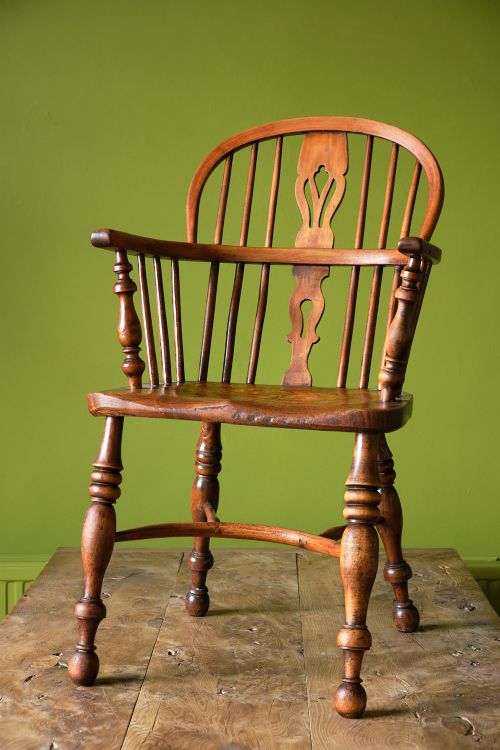
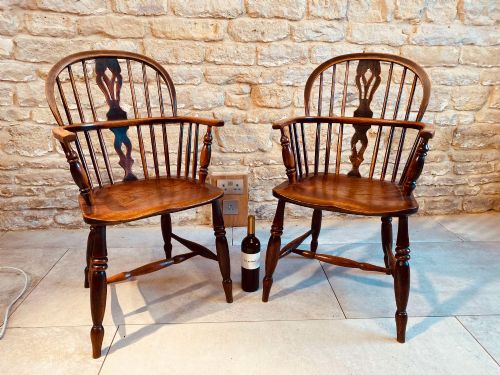
These low seat wooden armchair examples offer low-slung comfort and country craftsmanship, built for fireside lounging in elm, ash, and yew.
Low Seat Wooden Armchair
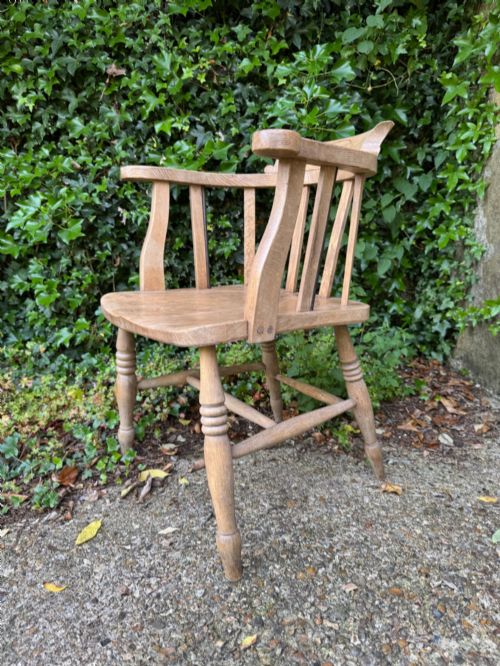
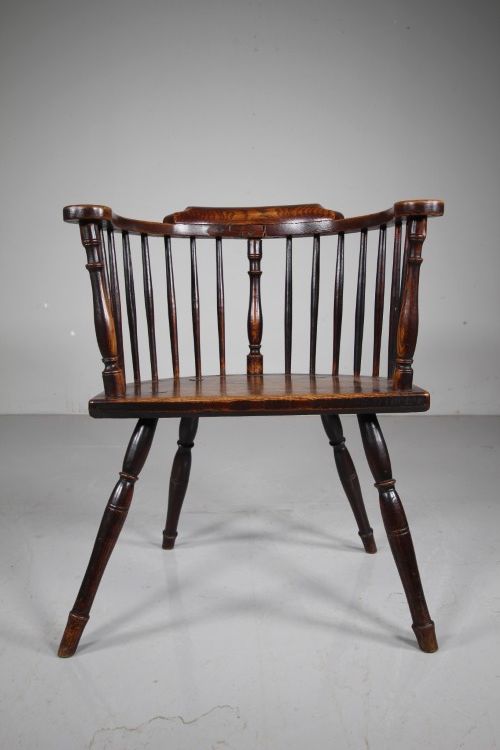
A low seat wooden armchair encompasses vernacular seating forms designed with a reduced seat height for comfort near the hearth. The selections span sturdy country Windsor chairs alongside upholstered Victorian nursing chairs and salon seats.
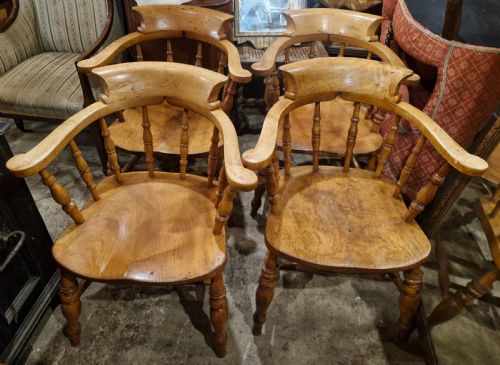
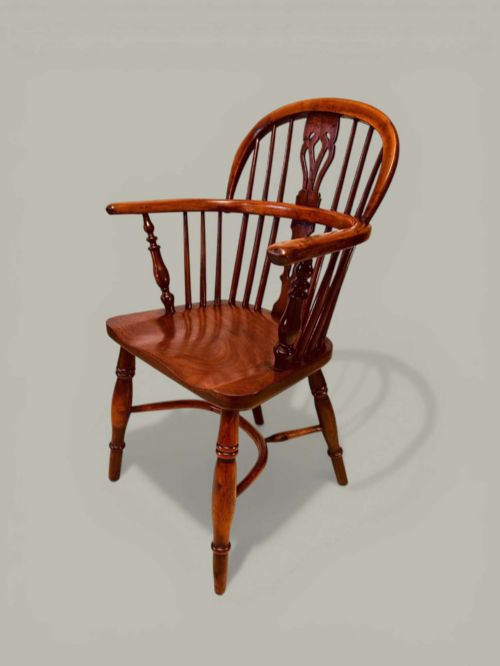
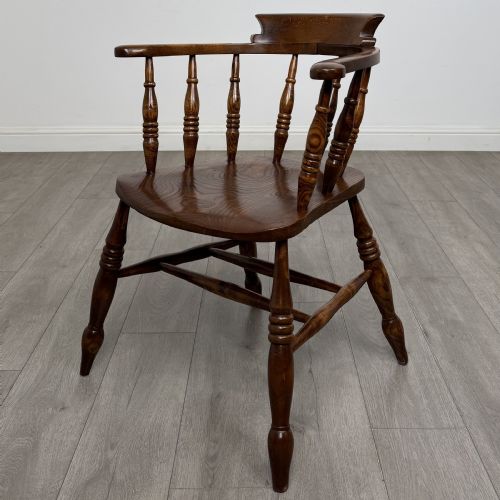
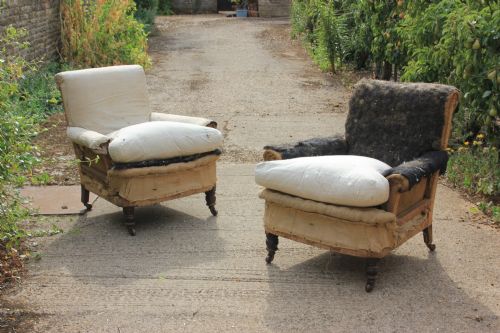
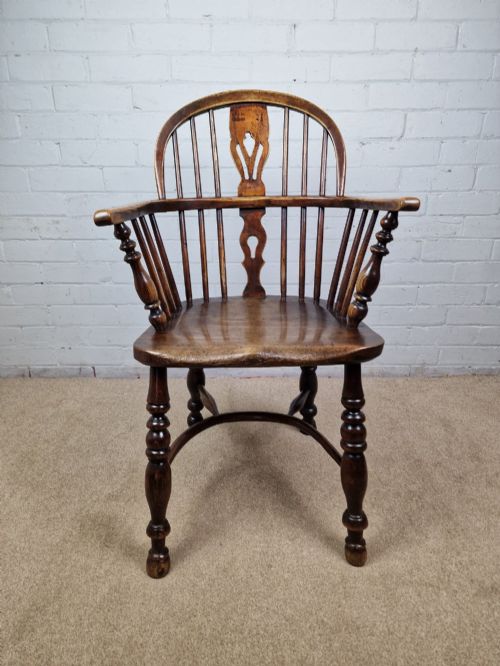
The dominant forms include low back Windsor chairs and smoker's bows constructed from native hardwoods. Buyers also encounter Edwardian and Victorian upholstered salon or nursing chairs built with low profiles for bedroom and fireside use.
Originating predominantly from English country workshops, these pieces date from the eighteenth century through to the early twentieth century. Regional variations include stick backs from Nottinghamshire and robust yew wood compositions.
Materials and construction methods
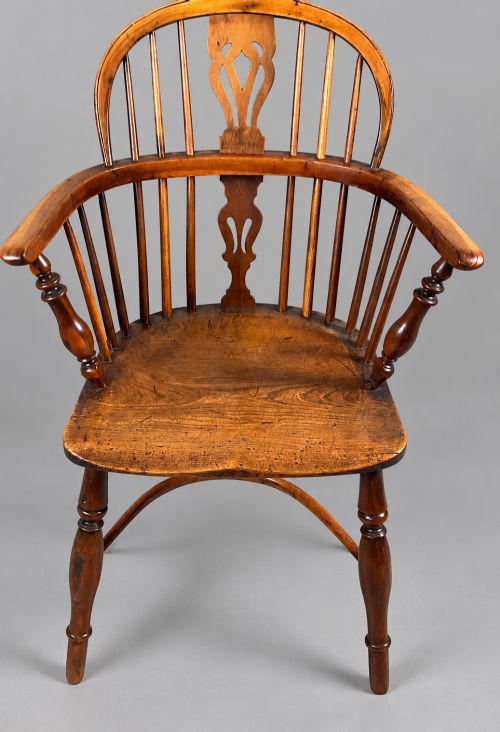
Makers utilised native British hardwoods such as elm, ash, and yew for structural stability and grained surface character. Elm frequently forms the solid saddle seats, whilst ash and yew provide flexible spindles and bowed backs.
Traditional joinery relies on steam-bent components and wedged tenon joints fixed directly into heavy plank seats. Upholstered variants employ internal webbing, buttoning, and traditional stuffing beneath velvet, fabric, or rush seating.
Low Seat Wooden Armchair Retail Price Guide 2026
Typical asking prices for low seat wooden armchair among the pieces listed under this phrase on Sellingantiques today, from the lower quarter to the upper quarter. They describe what is for sale here now, not the wider market.
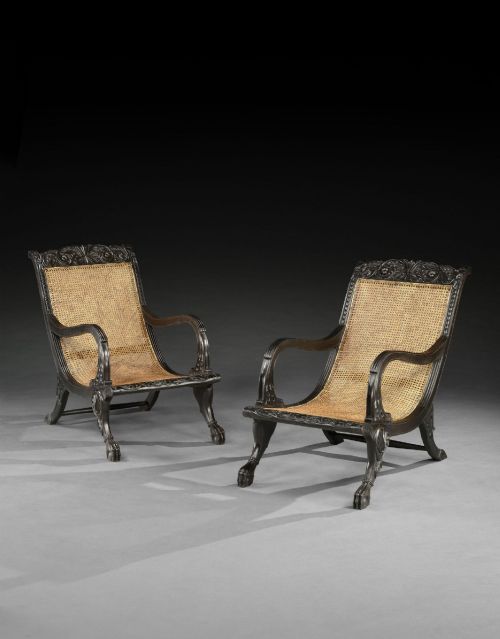
One set journeyed from the Calcutta Polo Club before finding its way to the quiet English countryside.
Distinctions in quality and execution
The caliber of a low seat wooden armchair rests upon the integrity of its timber selection and the retention of original surface patination. Heavily figured yew grain and untouched beeswax finishes distinguish superior examples from plain or heavily restored equivalents.
Structural refinement separates utilitarian seating from pieces displaying careful turner's work in spindle shaping and arm scrollwork. Fine upholstery execution and retained maker marks elevate the standing of nineteenth-century salon and nursing chairs.
Liberty Morris And Co·Liberty And Co·Howard And Sons·Gillows·Maple And Co·Rockley
The Low Seat Wooden Armchair Glossary
- Smoker's bow
- A sturdy, low-backed Windsor armchair featuring a continuous curved arm rail supported by short spindles above a thick wooden seat.
- Windsor chair
- A wooden chair built with a heavy solid seat into which the legs and back spindles are independently tenoned.
- Rush seat
- A seating surface woven from dried marsh rushes, commonly found on Arts and Crafts and ladder back chairs.
- Nursing chair
- A low-seated chair traditionally designed without arms to facilitate infant feeding or dress management during the Victorian period.
- Patina
- The surface sheen and colour acquired by wood through age, handling, and wax polishing over centuries.
Low Seat Wooden Armchair: Frequently Asked Questions
Why are these seats built so low?
Low seats placed the occupant closer to the warmth of the hearth in draughty rooms. They also suited specific domestic tasks such as nursing children or dressing by the bedroom fire.
Over time, this functional height evolved into distinct decorative styles including low-back Windsors and parlour armchairs.
What is the difference between an ash and elm chair?
Elm provides a heavy, resilient timber with a tangled grain pattern that resists splitting, making it ideal for solid saddle seats. Ash offers exceptional flexibility and tensile strength, which enabled makers to steam-bend slender back bows and spindles.
Many traditional Windsor pieces combine both timbers to utilise the specific mechanical properties of each wood.
How do I identify a nineteenth-century Windsor chair?
Nineteenth-century Windsor examples display characteristic turned legs connected by H-stretchers supporting a sculpted wooden seat. The back assemblies incorporate steam-bent rails and central splats or radiating spindles.
Regional traits, such as Nottinghamshire origins or local maker stamps, help pinpoint the exact workshop provenance.
Are upholstered nursing chairs comfortable for daily use?
Nursing chairs feature padded backrests and low seats designed for relaxed posture in bedrooms and private sitting rooms. Their compact dimensions suit modern reading corners and fireside settings.
Historic padding relies on traditional stuffings that offer a firm support compared to modern foam cushions.