



Low Parlour Stool
These low parlour stool pieces are solid wood seats designed for drawing rooms, offering low-level comfort and period charm.
Low Parlour Stool
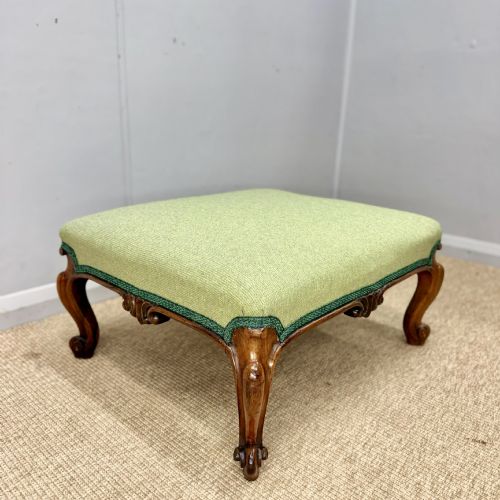
A low parlour stool is typically encountered as a compact footstool or small freestanding seat designed for the Victorian drawing room. These pieces appear in forms ranging from round needlepoint footstools to carved centre stools and pairs of mahogany or rosewood stools.
The periods represented in these items span the Victorian era, including pieces dated to eighteen-sixty and eighteen-eighty, alongside items attributed to the Georgian period. Forms include ottomans and footstools with low profiles suited for domestic seating or resting feet.
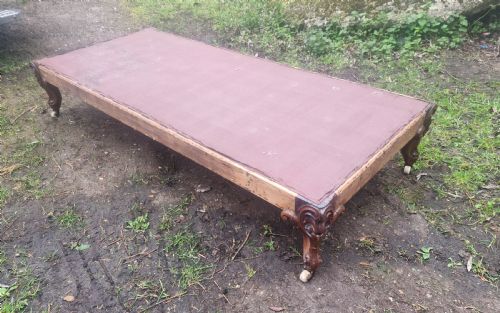
Makers and craftsmen of the nineteenth century produced these low parlour stool designs with considerable variation in frame shape. Buyers will find round stools with geometric kilim tapestry alongside rectangular carved frames intended for reupholstering.
Materials and construction
Frames are constructed from dense timbers such as rosewood, mahogany, and walnut, frequently enhanced by carved wooden details. Tunbridge ware inlay and brass accents appear on specific examples alongside timber structures.
Upholstery relies on traditional textiles, fabrics, and needlepoint tapestries including geometric kilim designs. Many frames feature carved woodwork supporting textile or needlepoint surfaces, while some examples are offered ready for reupholstering.
Low Parlour Stool Retail Price Guide 2026
Typical asking prices for low parlour stool among the pieces listed under this phrase on Sellingantiques today, from the lower quarter to the upper quarter. They describe what is for sale here now, not the wider market.
Materials across the inventory include ceramic, brass, fabric, and textile needlepoint tapestries.
Assessing quality
The standard of a low parlour stool is determined by the depth and sharpness of the wooden carving on the frame. Finer examples display crisp detail in rosewood or walnut, while simpler pieces rely on plain turned or timber supports.
Upholstery execution and decorative elements such as Tunbridge ware inlay distinguish superior items from standard production. The integrity of the timber frame and the sophistication of the needlepoint or tapestry work set the baseline for better specimens.
The Low Parlour Stool Glossary
- Tunbridge ware
- A form of decorative woodwork involving minute mosaic tiles made of naturally coloured woods to create geometric patterns. This technique decorates specialised nineteenth-century stool tops.
- Kilim tapestry
- A flat-woven textile often utilised for historical footstool upholstery. These geometric covers supply durable and colourful surfaces for antique seating.
- Centre stool
- A larger freestanding stool designed to be viewed from all sides within a room. These differ from smaller footstools intended primarily for resting feet.
- Victorian Rococo Revival
- A nineteenth-century design style characterised by flowing asymmetrical curves and naturalistic carved ornament. Frames from this movement often incorporate elaborate floral woodwork.
Low Parlour Stool: Frequently Asked Questions
What is a low parlour stool used for?
These pieces served as domestic footstools or low seating within nineteenth-century reception rooms. They provided comfortable foot support or auxiliary seating close to the floor.
Today they function effectively as decorative accents or low seats in traditional interiors.
How do I identify a Victorian stool?
Victorian examples typically feature dense timbers like rosewood and walnut combined with elaborate carved frames. Stylistic markers include Rococo Revival curves and needlepoint upholstery.
Examination of the timber construction and textile type helps confirm the nineteenth-century origin.
Are these stools comfortable to use daily?
Most antique stools retain traditional padding and textile or needlepoint covers that accommodate everyday domestic use. Some pieces are sold specifically for reupholstering to suit personal preferences.
Checking the firmness of the internal padding indicates suitability for regular sitting.
How should I care for wooden frames?
Maintain the polished timber surfaces by applying suitable furniture wax and avoiding direct sunlight. Gentle dusting preserves the carved rosewood or walnut details.
Protecting the textile or tapestries from moisture ensures the upholstery remains intact.