
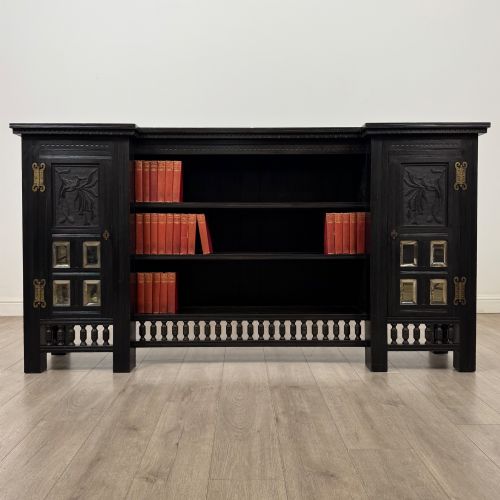
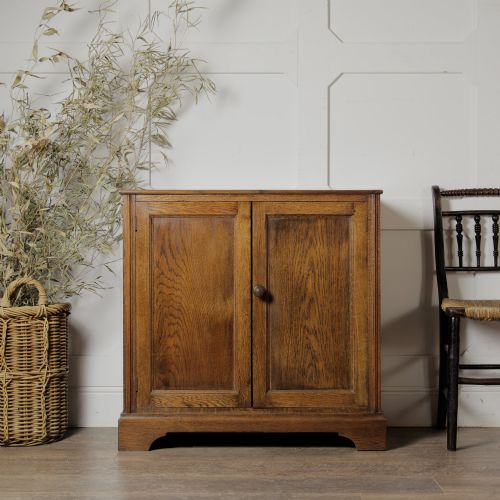
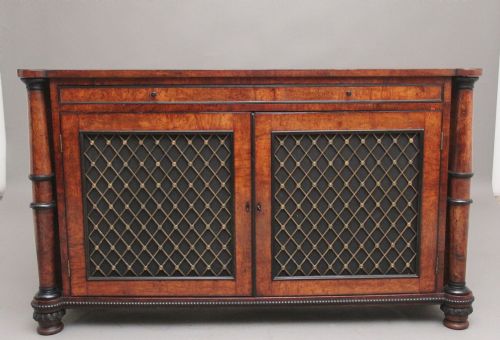
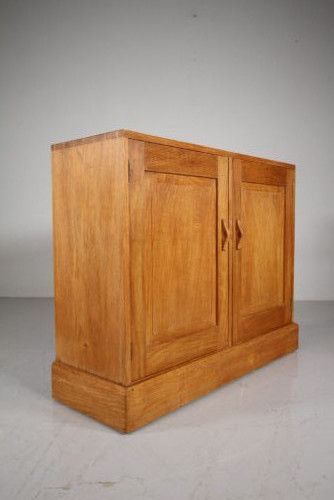
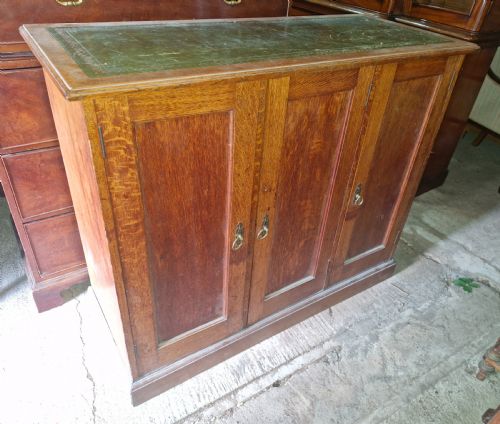
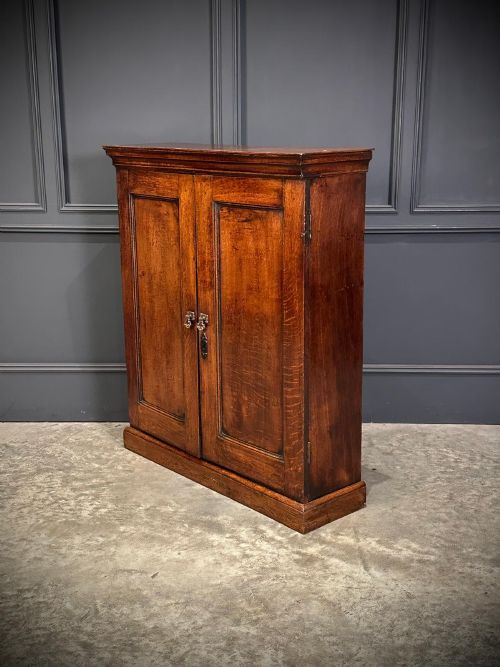
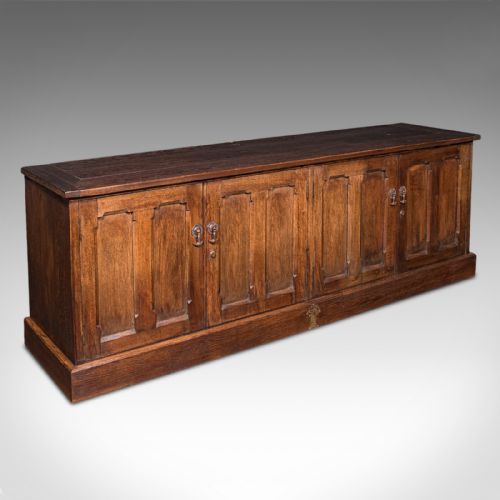


Low Oak Side Cabinet
A low oak side cabinet brings heavy character and sturdy storage to any room, grounding the space with rich timber grain.
Low Oak Side Cabinet
A low oak side cabinet brings sturdy timber construction and practical low-level storage to a room. When you search for this phrase, you encounter diverse forms ranging from compact cupboards to extended dresser bases and bedside lockers.
The pieces span multiple periods including the Georgian era, the nineteenth century, and the early twentieth century. You are likely to meet both British farmhouse examples and continental pieces, often featuring cupboards, drawers, or open shelving.
Materials and construction
Makers utilised solid oak alongside figured varieties such as pollard oak and burr oak to create these side cabinets. Cabinet makers frequently enhanced timber surfaces with contrasting details like ebony inlay, brass hardware, and iron fittings.
Construction techniques include traditional joinery seen in regional dresser bases and refined cabinet work found in Regency and later workshops. Surfaces display plain timber finishes or carved detailing depending on the specific period and regional style.
Some nineteenth-century pot cupboards were cleverly designed as bedside lockers to hide domestic necessities in plain sight.
Evaluating craftsmanship
Quality separates simple utility cupboards from finer cabinet work through timber selection and decorative finish. Superior examples display carefully matched grain patterns, such as figured pollard oak, combined with precise joinery.
Hardware and secondary timbers also indicate distinction, where original brass handles, iron mounts, and robust internal construction elevate the piece. Pieces bearing attribution to recognised makers command greater interest due to documented workshop origin.
Waring and Gillows of Lancaster·Gillow and Co·William Trotter
The Low Oak Side Cabinet Glossary
- Pollard oak
- Timber taken from trees that were pollarded, producing a dense, highly figured grain pattern often used for decorative veneers on Regency and nineteenth-century cabinets.
- Dresser base
- A low utilitarian table or sideboard featuring drawers and cupboards below, traditionally utilised in kitchens or dining spaces for serving and storage.
- Gothic Revival
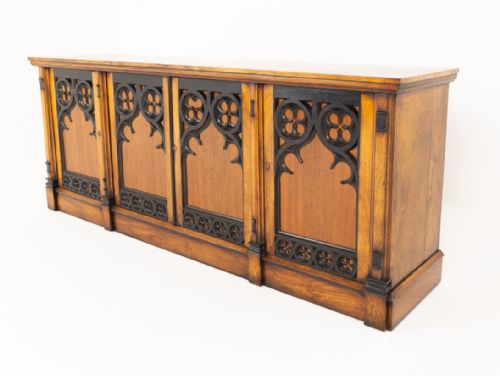
- A nineteenth-century design style incorporating medieval architectural motifs, pointed arches, and heavy carved elements into cabinet construction.
- Crossbanded
- A method of bordering a panel or drawer front with a narrow strip of veneer laid across the grain for decorative contrast.
Low Oak Side Cabinet: Frequently Asked Questions
Where should I place a low oak side cabinet?
These cabinets suit living rooms, hallways, and dining spaces where low-level surface space and enclosed storage are required.
Their compact height also allows them to function well beneath windows or alongside seating areas without overwhelming the wall space.
How do I maintain oak furniture?
Keep oak furniture away from direct heat sources and sudden temperature changes to prevent the timber from splitting.
Apply natural beeswax periodically to nourish the grain and maintain a soft, protective sheen on the wood surface.
Are these cabinets purely decorative?
They serve a distinct practical function by providing concealed storage inside cupboards and drawers for household items.
The flat top surface additionally offers a stable platform for lamps, books, or decorative objects.
How can I tell the period of an oak cabinet?
Examine the construction methods, handle types, and overall stylistic details such as Gothic carvings or Georgian proportions.
Secondary woods inside drawers and the nature of the timber jointing also provide clues regarding the approximate date of manufacture.